Can Pop Mart create another Labubu, critics question its creative engine
Pop Mart’s numbers look like a machine, but Labubu still feels like a soul-driven character. That gap is why collectors keep asking if the company can build another true breakout.
The real question behind the Labubu boom
The loudest argument around Pop Mart is no longer whether Labubu is hot. The sharper question is whether Pop Mart can turn one monster-sized breakout into a repeatable creative engine, or whether Labubu is the one character the company will ever make that truly matters.
That skepticism comes into focus in a critique from tech co-founder lidangzzz, who argued that Pop Mart lacks the deep creative faith seen in teams like Kyoto Animation. It is a pointed comparison because it gets at the heart of collectible value: not just whether something sells today, but whether the world behind it feels rich enough to keep pulling fans back years later.
Why collectors should care about the IP question
For collectors, this is not an abstract business debate. Pop Mart says it is a market-leading character-based entertainment company operating in more than 23 countries and regions, with 350+ offline stores and 2,000+ Roboshops. Labubu sits inside THE MONSTERS, the broader IP created by artist Kasing Lung, so any judgment about Labubu has to account for the rest of the shelf around it.
That matters because a collectible universe is only as durable as the emotional glue holding it together. Artist depth, storytelling, and fan attachment are the things that usually separate a one-season craze from a line that keeps selling after the first frenzy cools off. Pop Mart is clearly trying to build for the second outcome. The question is whether the work on the ground feels as alive as the sales pitch.
What the numbers say about Pop Mart’s creative engine
Pop Mart’s own 2024 results make the debate unavoidable. The company said revenue reached RMB13,037,749,000 in 2024, up 106.9% year on year. It also said THE MONSTERS generated RMB3 billion in revenue, a 726.6% jump from the prior year. Those are not soft signals. They are the kind of numbers that tell you the character has crossed from niche fandom into serious commercial force.
The company’s broader IP portfolio also looks deeper than a one-hit setup. Pop Mart said four IPs, THE MONSTERS, MOLLY, SKULLPANDA and CRYBABY, each surpassed RMB1 billion in revenue in 2024. It also said 13 major IPs exceeded RMB100 million. That is the strongest evidence in Pop Mart’s favor: even if Labubu is the loudest name, the company is not running a single-character shop.
Still, revenue alone does not answer the collector’s question. Big sales can prove distribution and hype. They do not automatically prove that a character has lasting narrative weight or that a second breakout can be manufactured on schedule.
Where Labubu’s appeal really comes from
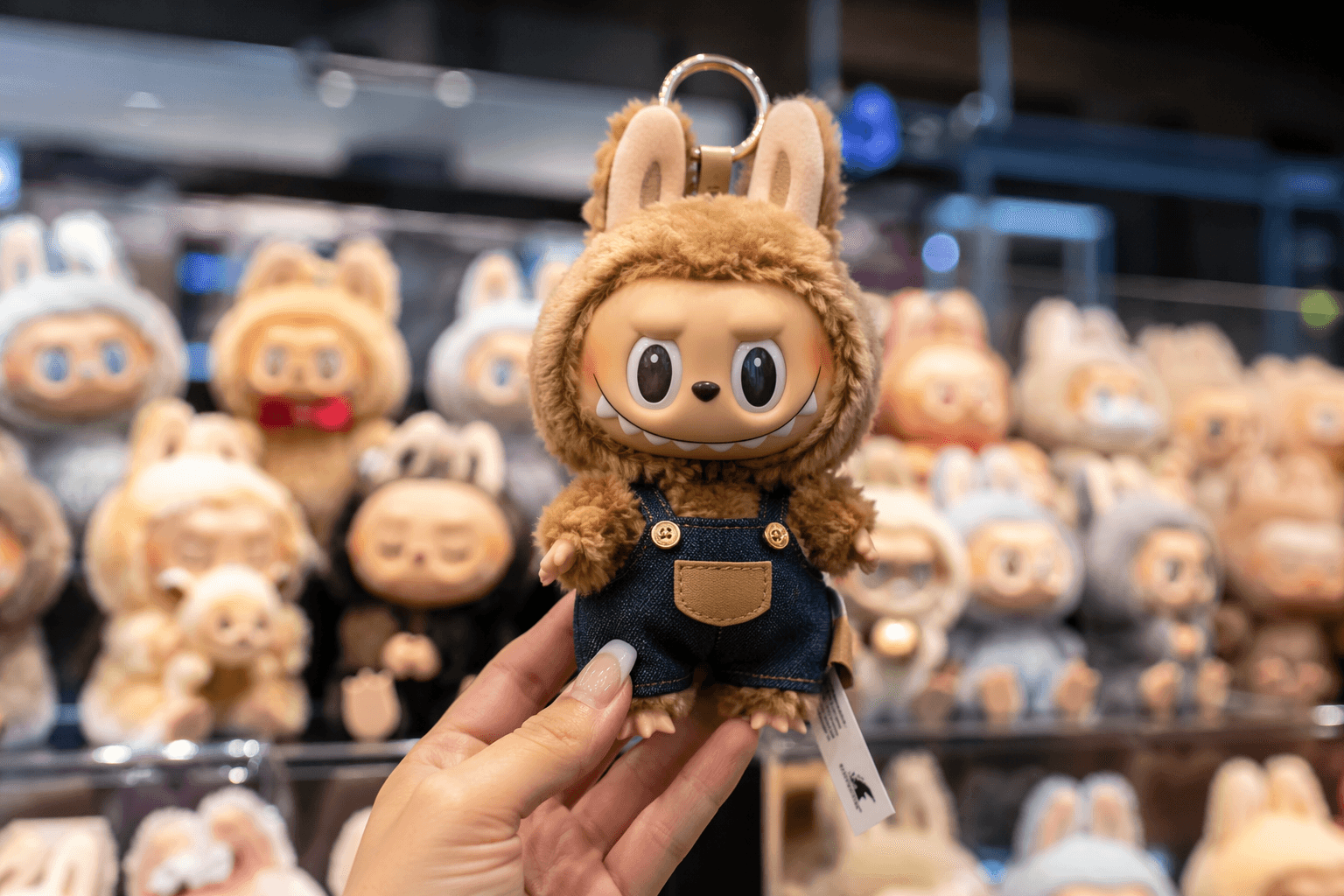
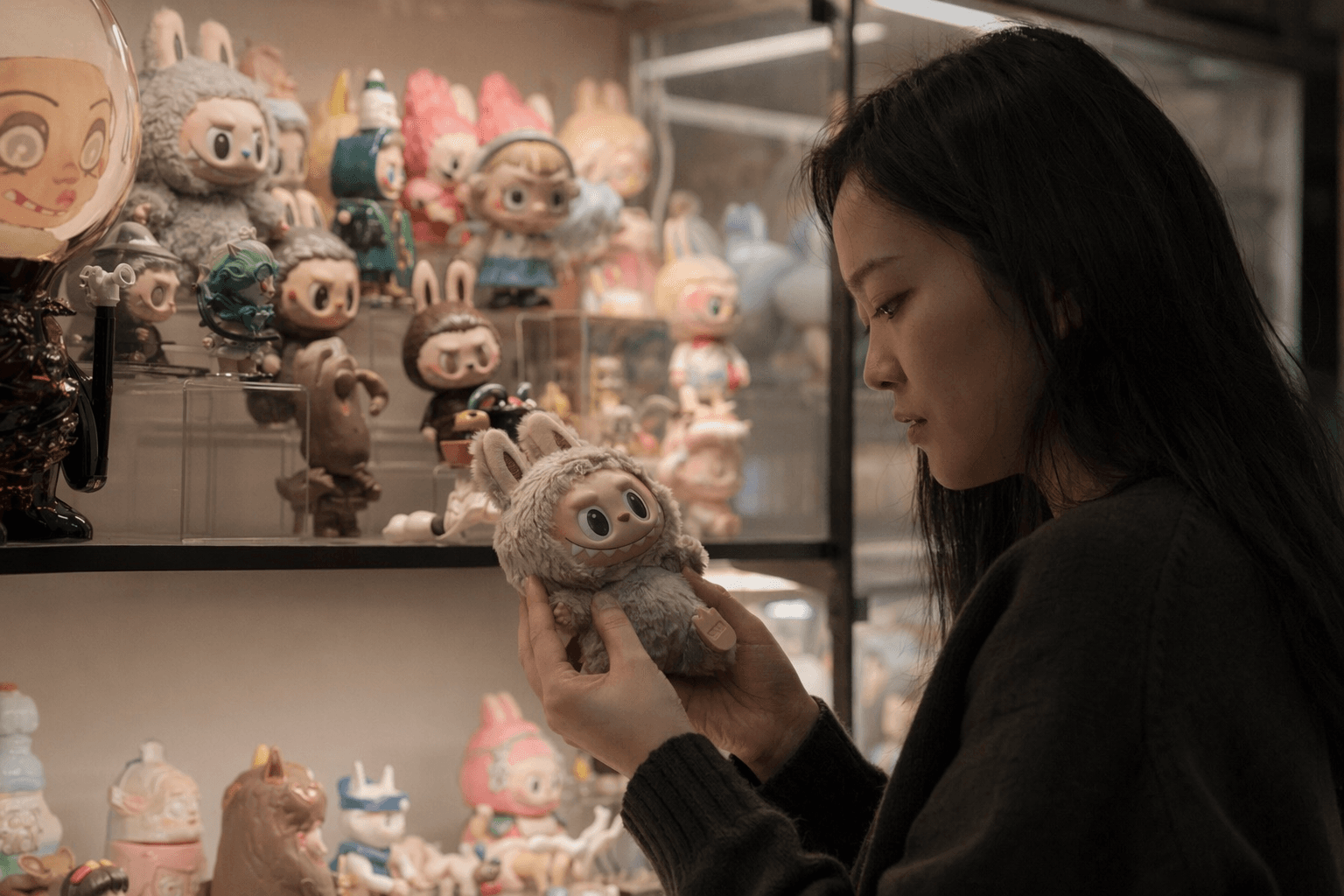
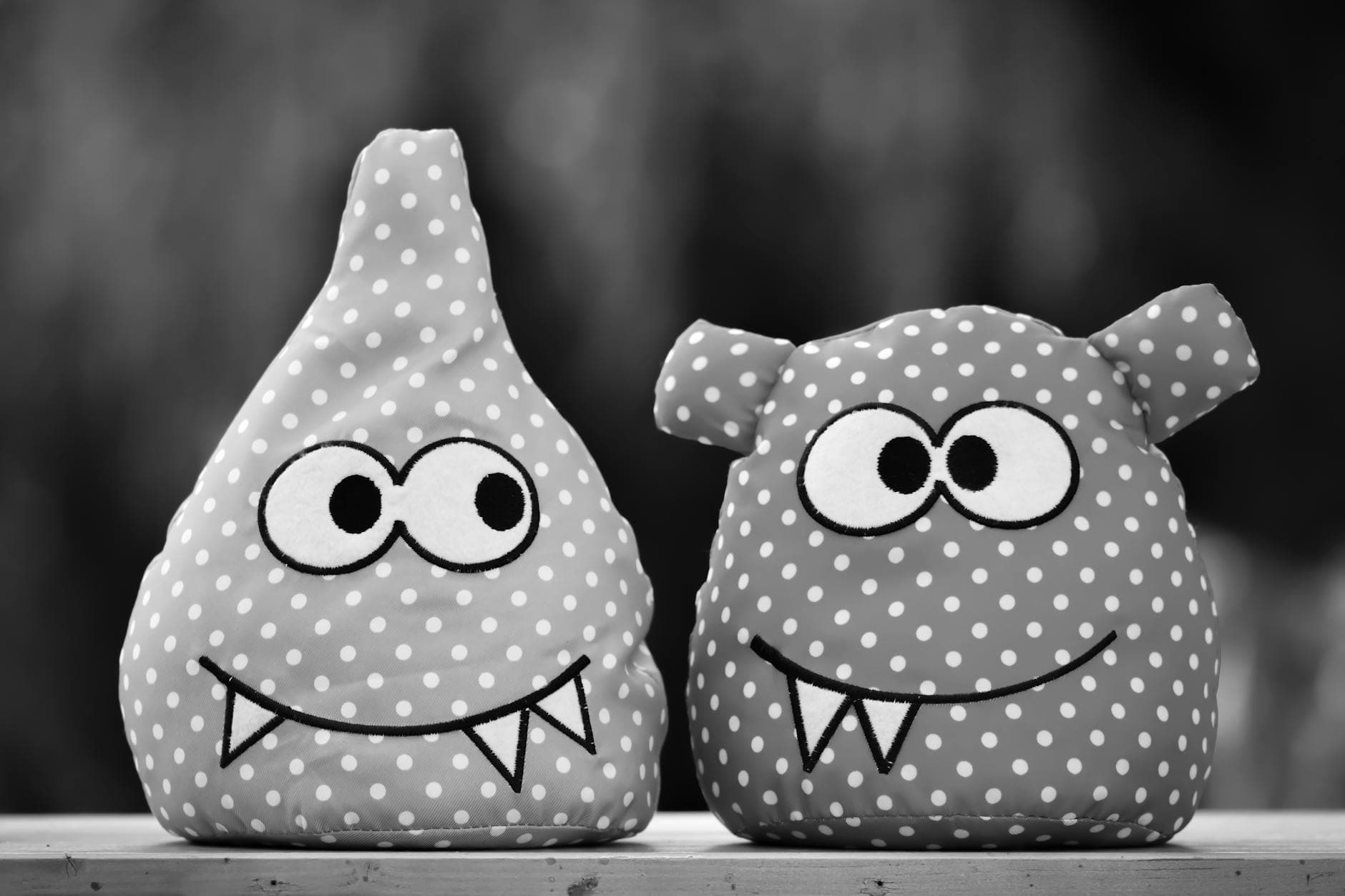
Kasing Lung’s role is the reason this debate feels so personal. Pop Mart says he created The Monsters in 2015 in three picture books inspired by Nordic mythology. Labubu is described by the company as a kind-hearted creature with high, pointed ears and serrated teeth, which is exactly the kind of contrast that helps a character stick. Cute, but not generic. Strange, but still lovable. That tension is part of why the figure travels so well from blind box to plush to display shelf.
Lung has also been explicit about the character’s emotional place in his work. In a CGTN Europe interview tied to a London Harrods event, he said, “Labubu is in my soul.” That line matters because it reinforces what critics are getting at: the strongest thing about Labubu is not merely design language or merch velocity, but authorial identity. The character feels like it came from a real imaginative world, not a committee deck.
That is the standard Pop Mart has to meet again if it wants another Labubu. Fans do not just buy a shape. They buy a personality, a backstory, and the sense that the creator cares about the world beyond the first wave of sales.
How Pop Mart is trying to widen the universe
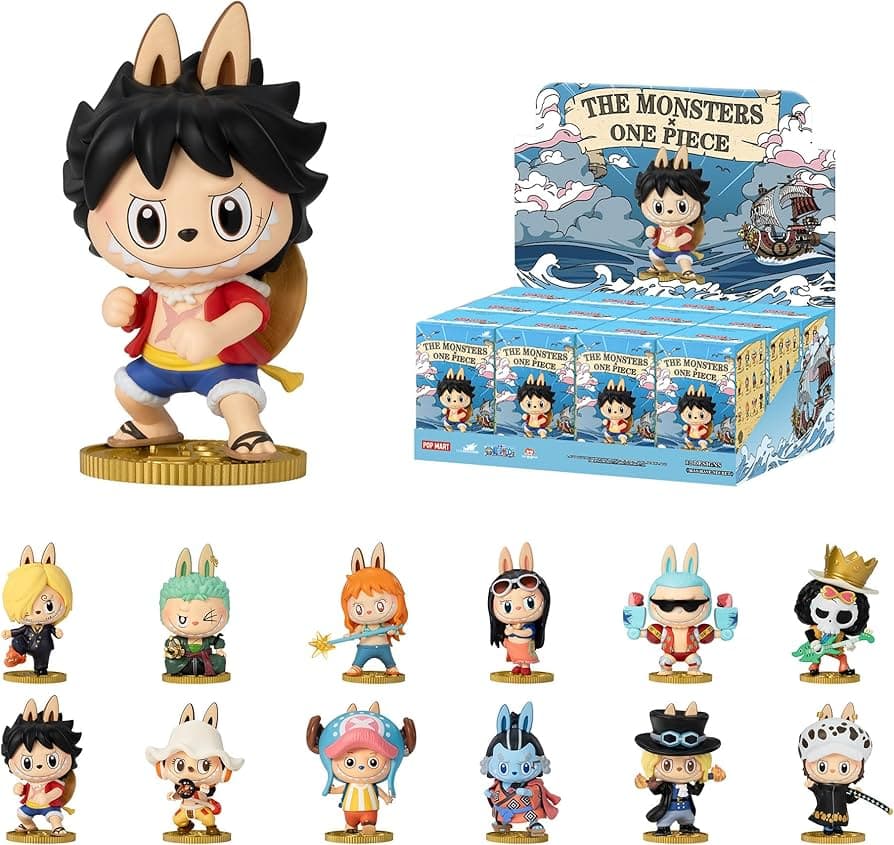
Pop Mart is not treating Labubu like a one-off cash register. Its U.S. store pages continue to push the character across plush, vinyl, and collaborations, including THE MONSTERS × Hello Kitty and Friends and THE MONSTERS × FIFA. That is a smart expansion strategy because it keeps the IP visible while testing whether Labubu can live in different formats without losing the weird little spark that made it work in the first place.
The company also says its IP incubation-and-operation model is the core engine of its sustained development. That phrase is doing a lot of work. It means Pop Mart is trying to behave like a platform, not just a toy maker. It is building a system where characters can be launched, scaled, cross-promoted, and extended through live-streaming and other content-driven channels that deepen customer engagement.
That is exactly where lidangzzz’s critique bites. A platform can be efficient. It can be profitable. But it is not automatically the same thing as a creator-led cult classic with staying power. Kyoto Animation has long been associated with a different kind of trust, one built on emotional depth and a strong creative hand. Pop Mart, by contrast, is proving it can industrialize fandom. It still has to prove it can consistently manufacture soul.
What this means for non-Labubu Pop Mart lines
For collectors, the practical takeaway is simple: do not treat every Pop Mart IP as if it has Labubu-grade momentum. The company’s 2024 numbers show that MOLLY, SKULLPANDA, and CRYBABY are not filler brands. They are real revenue engines with meaningful sell-through. But only Labubu currently carries the kind of cultural charge that makes people chase drops, trade up, and treat a figure like a tiny status object.
So the right way to look at non-Labubu Pop Mart lines is as selective bets, not automatic heirs. Ask the same questions every time:
- Does the character have a distinct visual identity you can recognize instantly?
- Is there a story world behind it, or just a good face?
- Are fans attaching to the character itself, or only to the novelty of the drop?
- Does the line keep moving once the first wave of hype is gone?
Pop Mart is clearly good at distribution, collaboration, and turning characters into commerce. The harder test is whether it can keep creating figures that people care about for reasons stronger than scarcity. Labubu proves the company can hit hard once. The next phase will show whether Pop Mart is a true IP factory, or just the house that got lucky with one unforgettable monster.
This article was produced by Prism’s automated news system from verified source data, official records, and press releases, then run through automated quality and moderation checks before publishing. The system is built and supervised by the people who set the standards it runs under. Read our full AI policy.
Did this article answer your question?