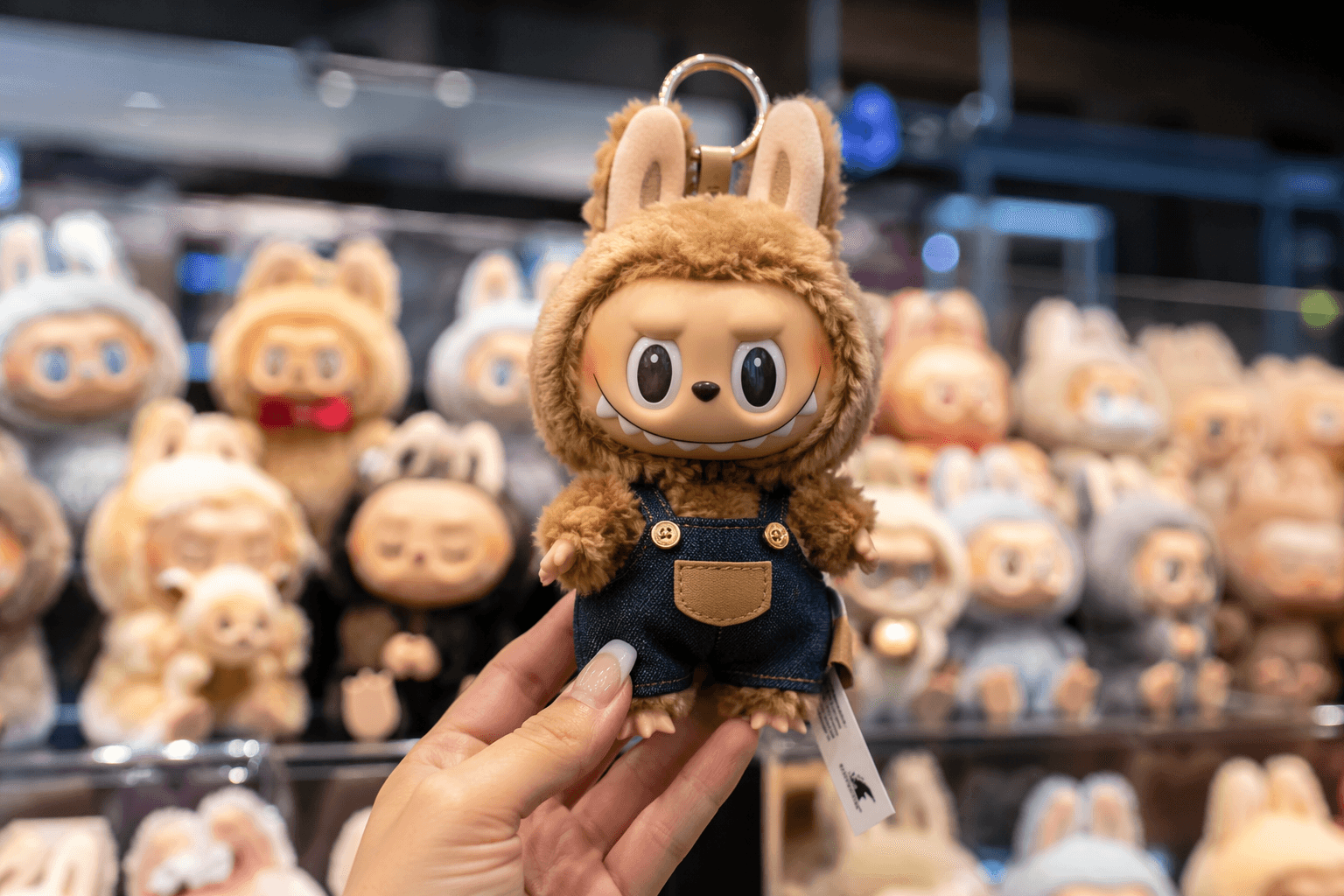
Labubu dolls found with Xinjiang cotton, raising forced-labor concerns
Testing found Xinjiang cotton in clothing on some Labubu dolls, putting a hot collector item under U.S. forced-labor scrutiny.
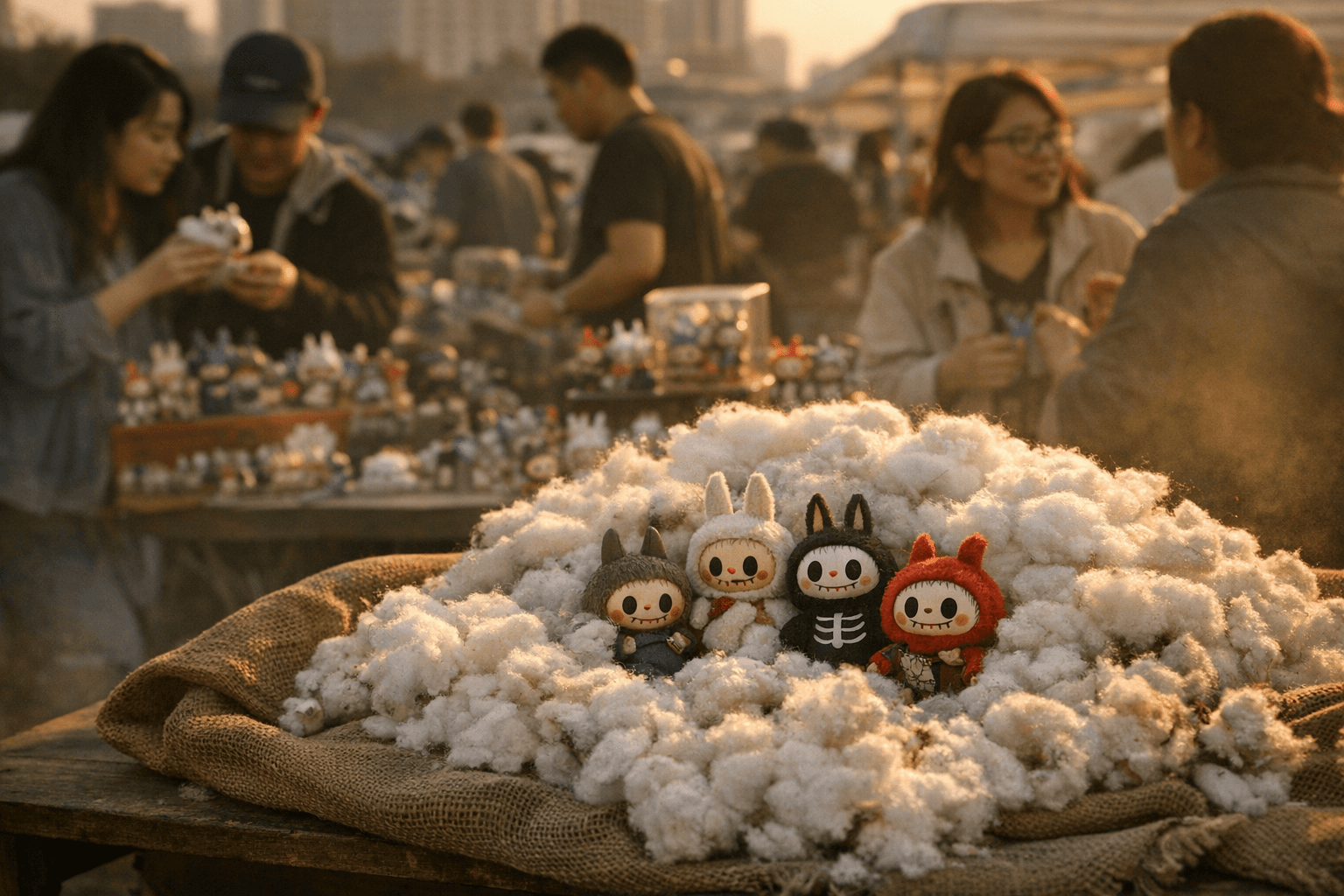
Clothing attached to some Labubu dolls is now the part collectors will watch most closely, because testing verified by The New York Times found cotton from Xinjiang, the Chinese region tied to U.S. forced-labor restrictions, in those garments. The finding landed on April 23, 2026, and it immediately shifted Labubu from a blind-box chase into a supply-chain risk story, with the potential to affect imports, retail shelves, and resale listings tied to specific runs that use the same textile inputs.
That matters because Labubu does not move like a normal toy. It moves through a high-demand collector market, across borders, and often through limited drops, blind boxes, and secondary sales where buyers assume a sealed box means an official, compliant product. Once cotton linked to Xinjiang enters the picture, that assumption weakens. The risk is no longer just about authenticity in the fandom sense. It is also about whether a doll, its outfit, or its accessories can clear customs, stay in inventory, and remain legally sellable in the United States.
For importers and retailers, the pressure is immediate. U.S. law already places a heavy burden on companies to prove their supply chains are clean when Xinjiang materials may be involved. That means customs seizures, retailer pulls, and delayed shipments are all plausible if a Labubu run, or any clothing component attached to it, cannot be documented to the standard regulators expect. Inventory already circulating could draw more scrutiny, especially if sellers cannot show where the fabric came from or how the doll was assembled.
For buyers hunting specific drops, the practical change is simple: sealed packaging may no longer be enough. Listings that are light on documentation, especially for dolls with clothing elements, now carry a different kind of risk. Watch for missing sourcing details, vague product descriptions, sudden listing removals, and price swings that suggest sellers are reacting to compliance concerns. If a run becomes harder to import or legally sell, the market will likely split fast between verified stock and everything else.
For Pop Mart, the story cuts into the brand’s biggest strength, scarcity-driven fandom, and turns it into a test of verification. Labubu’s appeal has always depended on the thrill of the drop. Now, for some buyers, the bigger question is whether the next one can move through the supply chain at all.
This article was produced by Prism’s automated news system from verified source data, official records, and press releases, then run through automated quality and moderation checks before publishing. The system is built and supervised by the people who set the standards it runs under. Read our full AI policy.
Did this article answer your question?