Labubu joins global brands at India’s immersive retail summit
Labubu will sit beside Lanvin Paris and Max Mara at IReC X D2C India 2026 in Bengaluru, signaling collectible IP is now a mainstream retail play.
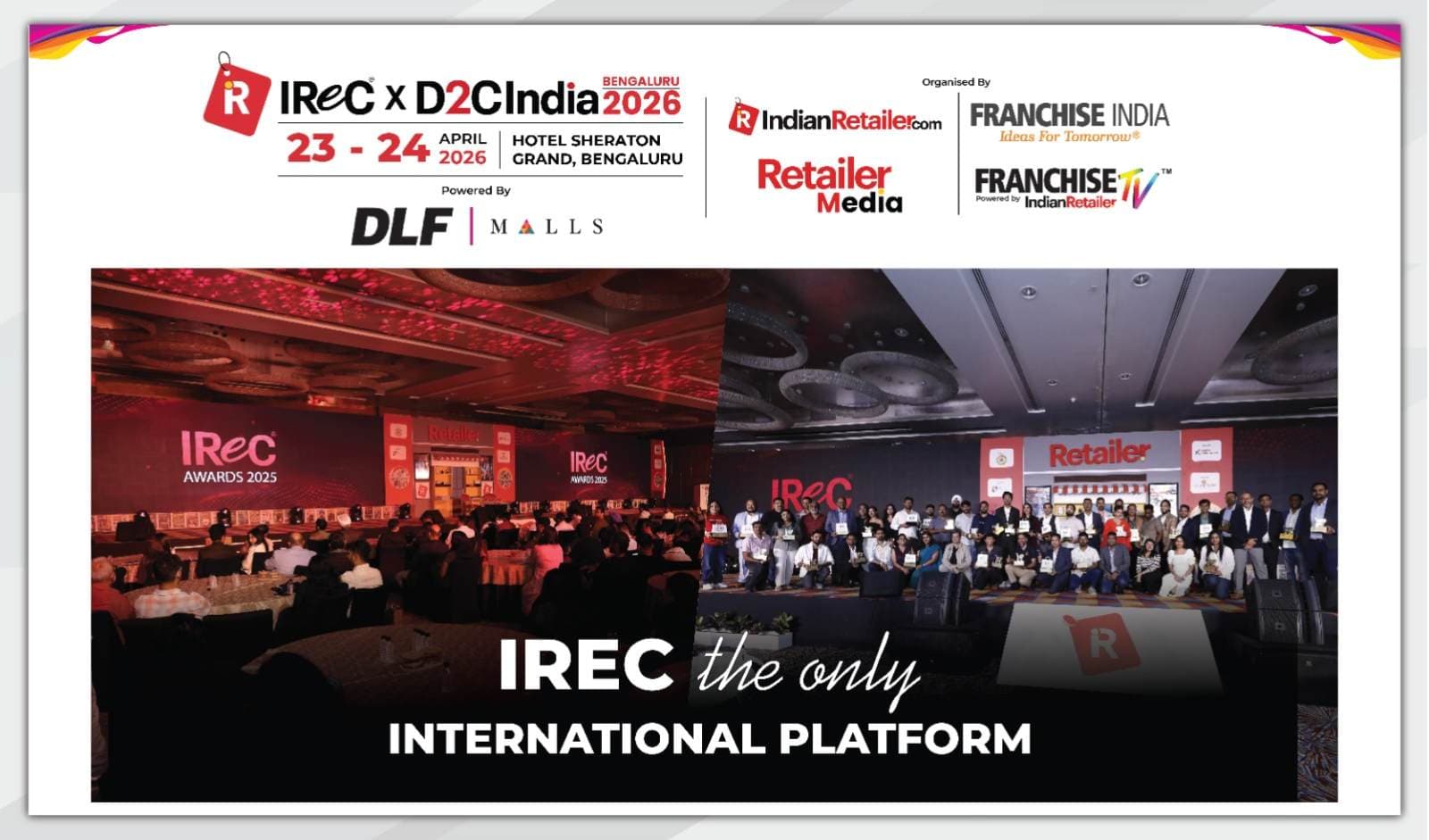
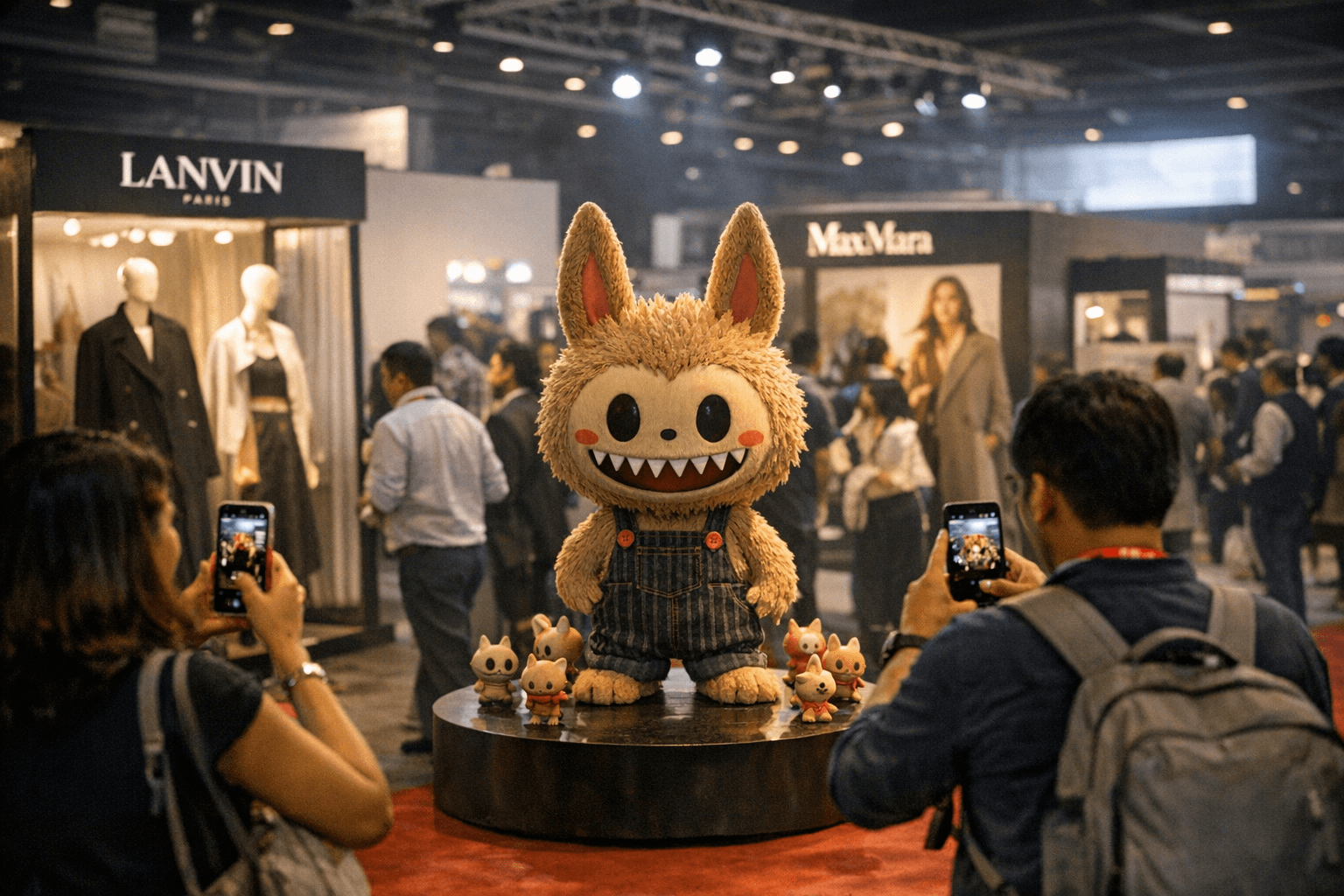
Labubu is moving into the same deal room as luxury fashion, media brands and mass-market consumer names. At IReC X D2C India 2026 in Bengaluru, the character will appear alongside Lanvin Paris, Max Mara, Marie Claire, Vanity Fair, Fruit of the Loom and Warner Brothers, a lineup that makes the blind-box icon look less like a toy trend and more like a retail asset with global pull.
The 15th edition of the gathering is set for April 23 to 24 and is expected to draw more than 1,500 attendees, including brand leaders, Indian retailers and emerging consumer businesses. Organizers are positioning the event as an immersive marketplace rather than a conventional trade show, built around the idea that international brands can meet India’s aspirational consumer base in one high-traffic room. Gaurav Marya, chairperson of Franchise India Group, said the edition is about "bringing the world to India in an immediate and immersive way, with discovery, interaction, and opportunity all in the same space."
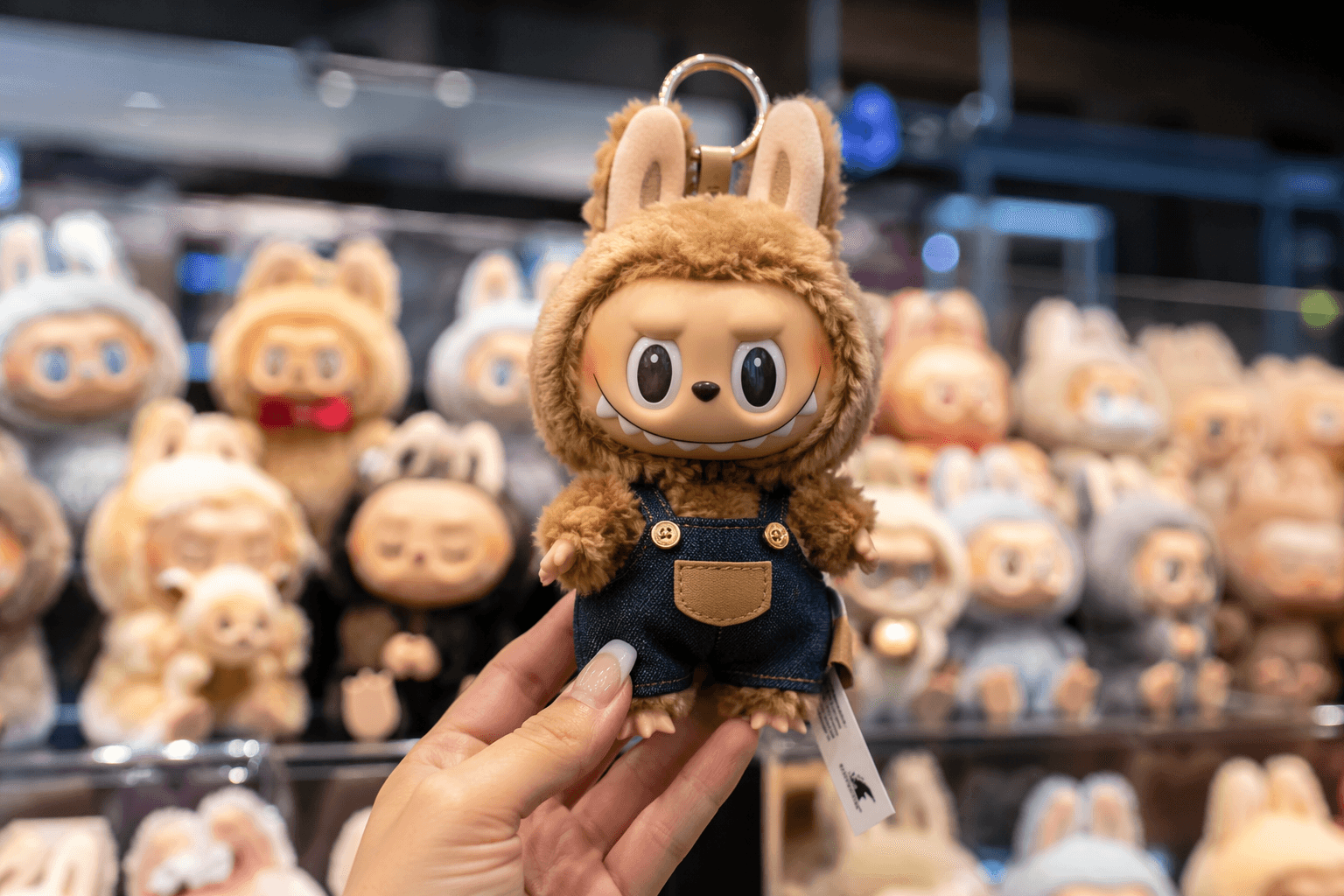
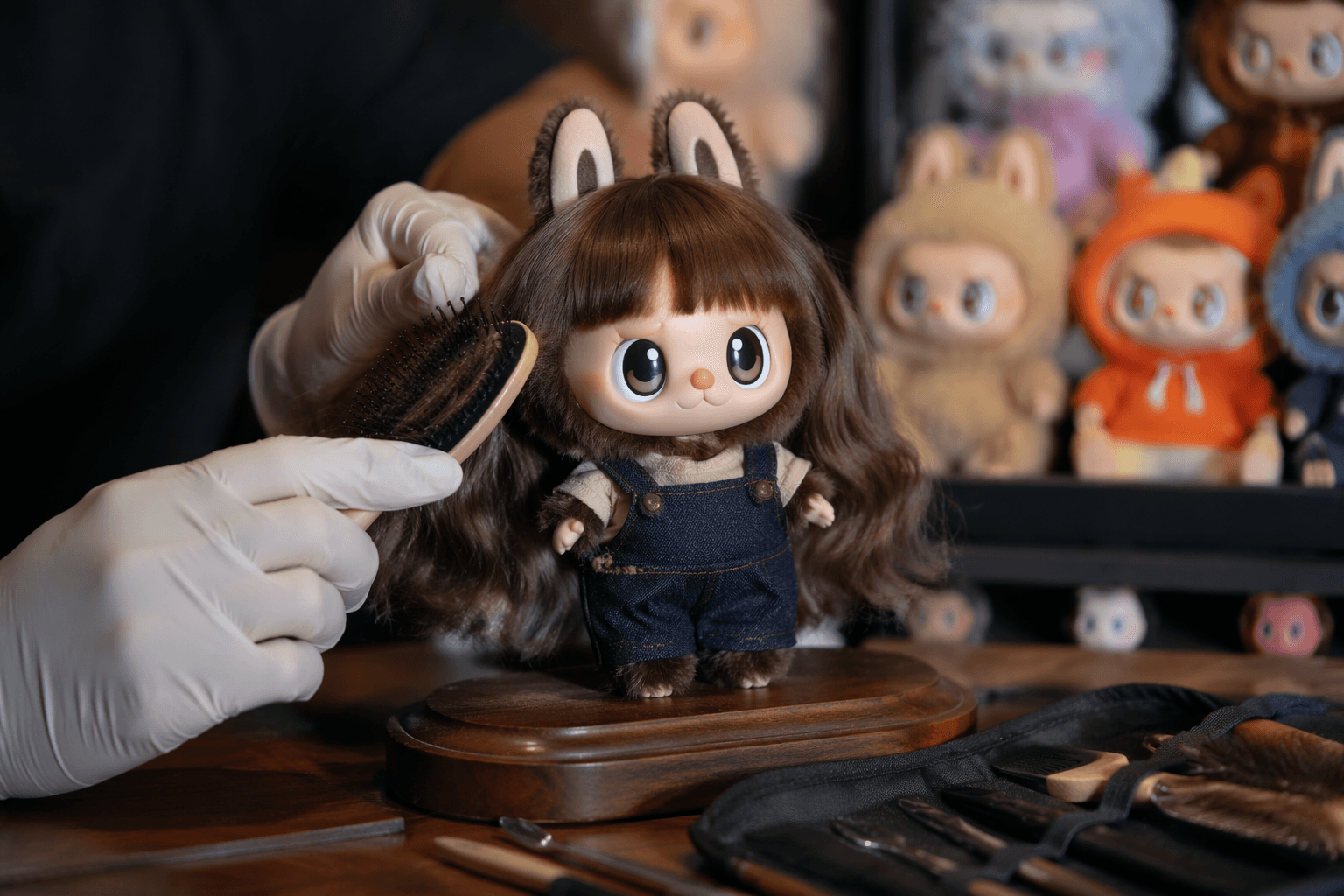
That framing matters because Labubu’s presence says something specific about where fandom-led IP sits now. Pop Mart says LABUBU was created by artist Kasing Lung and came out of The Story of Puca and The Monsters universe, which began as three picture books inspired by Nordic mythology in 2015. What started as a quirky character with serrated teeth and high ears now shows up not only in collector conversations, but in the same commercial orbit as Parisian luxury, lifestyle publishing and global retail concepts.
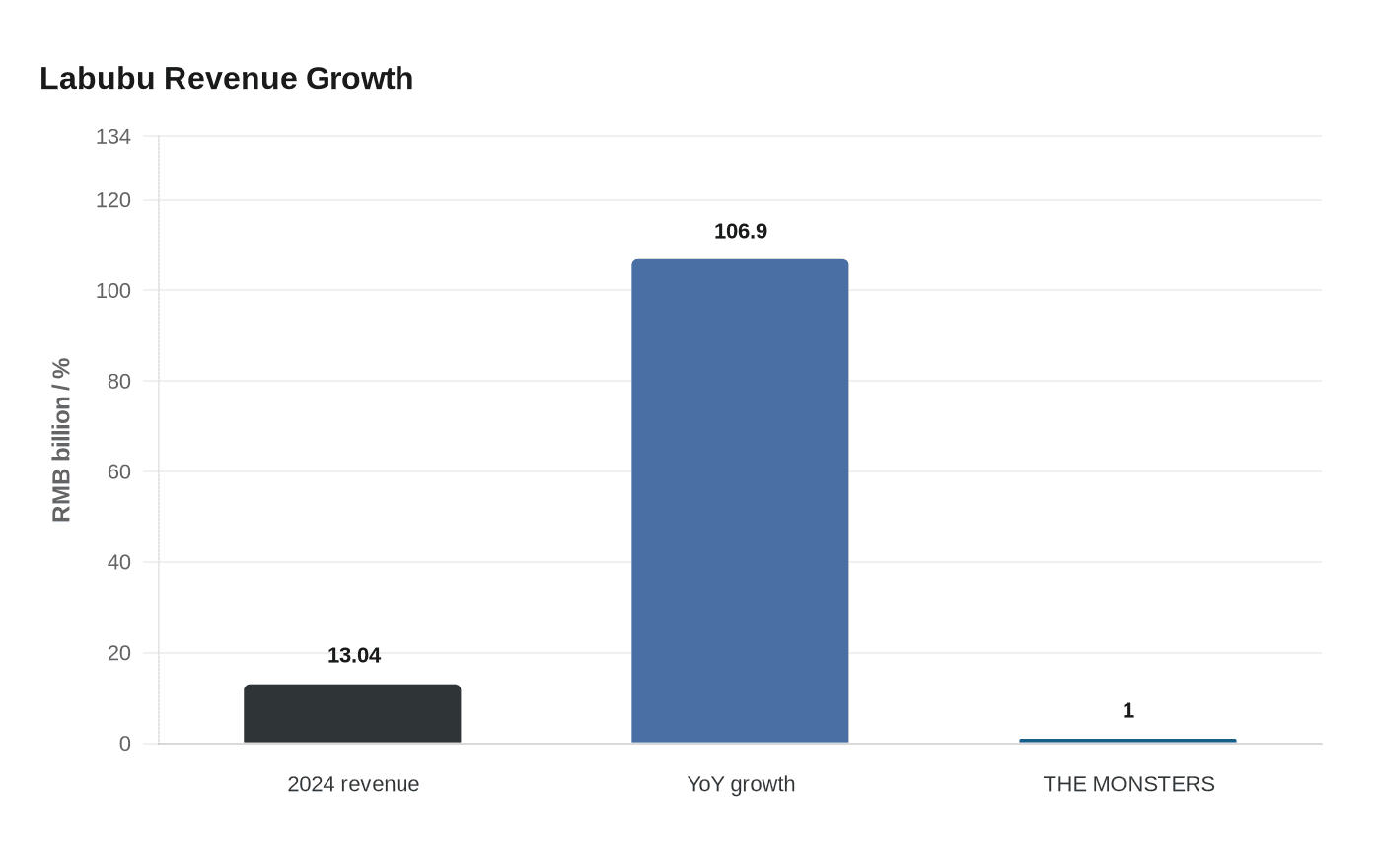
The numbers explain why. Pop Mart said in its 2024 annual results that total revenue reached RMB 13.04 billion, up 106.9 percent from the year before. The company also said revenue from THE MONSTERS passed RMB 1 billion for the first time in 2024. Its footprint now stretches across more than 23 countries and regions, with 350-plus offline stores and 2,000-plus Roboshops. In other words, Labubu is no longer just a community favorite. It is part of a scaled international business that retailers and licensing teams cannot ignore.
Celebrity visibility helped push that shift into the mainstream. Lisa of BLACKPINK was widely credited with accelerating Labubu’s rise, and later sightings of Rihanna and other public figures kept the character in fashion and pop-culture circulation. By August 2025, Pop Mart said first-half revenue had risen 204 percent to RMB 13.88 billion, with net income up 397 percent, while Wang Ning said the company was on track for 2025 revenue of 20 billion yuan and that 30 billion yuan would also be quite easy.
The appetite has also brought copycats. In 2025, U.S. Customs and Border Protection said more than 11,000 counterfeit Labubu dolls, valued at over $500,000, were seized at Seattle-Tacoma International Airport after arriving from South Korea misdeclared as light bulbs. That kind of enforcement only follows products that have real market heat. At IReC, Labubu is not a novelty on the side. It is evidence that collectible IP now belongs in the same conversation as fashion, publishing and global retail strategy.
This article was produced by Prism’s automated news system from verified source data, official records, and press releases, then run through automated quality and moderation checks before publishing. The system is built and supervised by the people who set the standards it runs under. Read our full AI policy.
Did this article answer your question?