Scotch Whisky Startup Borrows Labubu-Style Surprise to Woo Younger Buyers
A Scotch whisky startup is turning blind-box suspense into a sales tool, and the Labubu playbook is now spreading far beyond toys.
Labubu logic has left the toy aisle
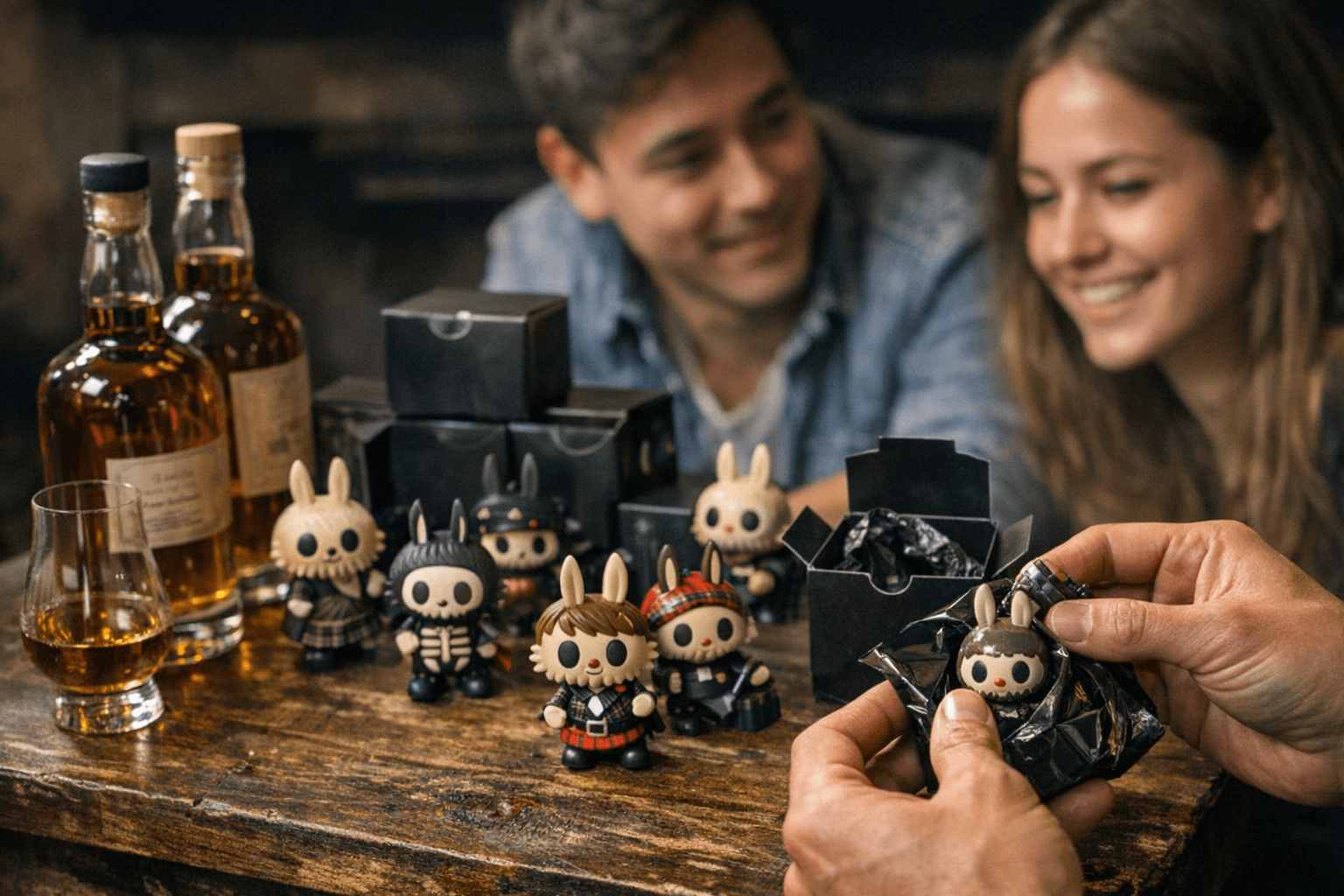
A Scotch whisky startup is borrowing the same kind of reveal-driven excitement that turned Labubu into a collector obsession: you do not just buy the product, you buy the moment before you know what you got. That matters because it shows how blind-box logic is escaping toys and showing up in premium categories that used to rely on heritage alone.
For Labubu collectors, the interesting part is not just that whisky is copying the format. It is that the formula now has a name, a look, and a repeatable commercial structure: scarcity, surprise, design cues, and the emotional rush of opening. Once that language works in spirits, it can work in fashion capsules, cosmetics, and any other category where ritual and rarity sell harder than a plain product description.
Why Labubu became the template
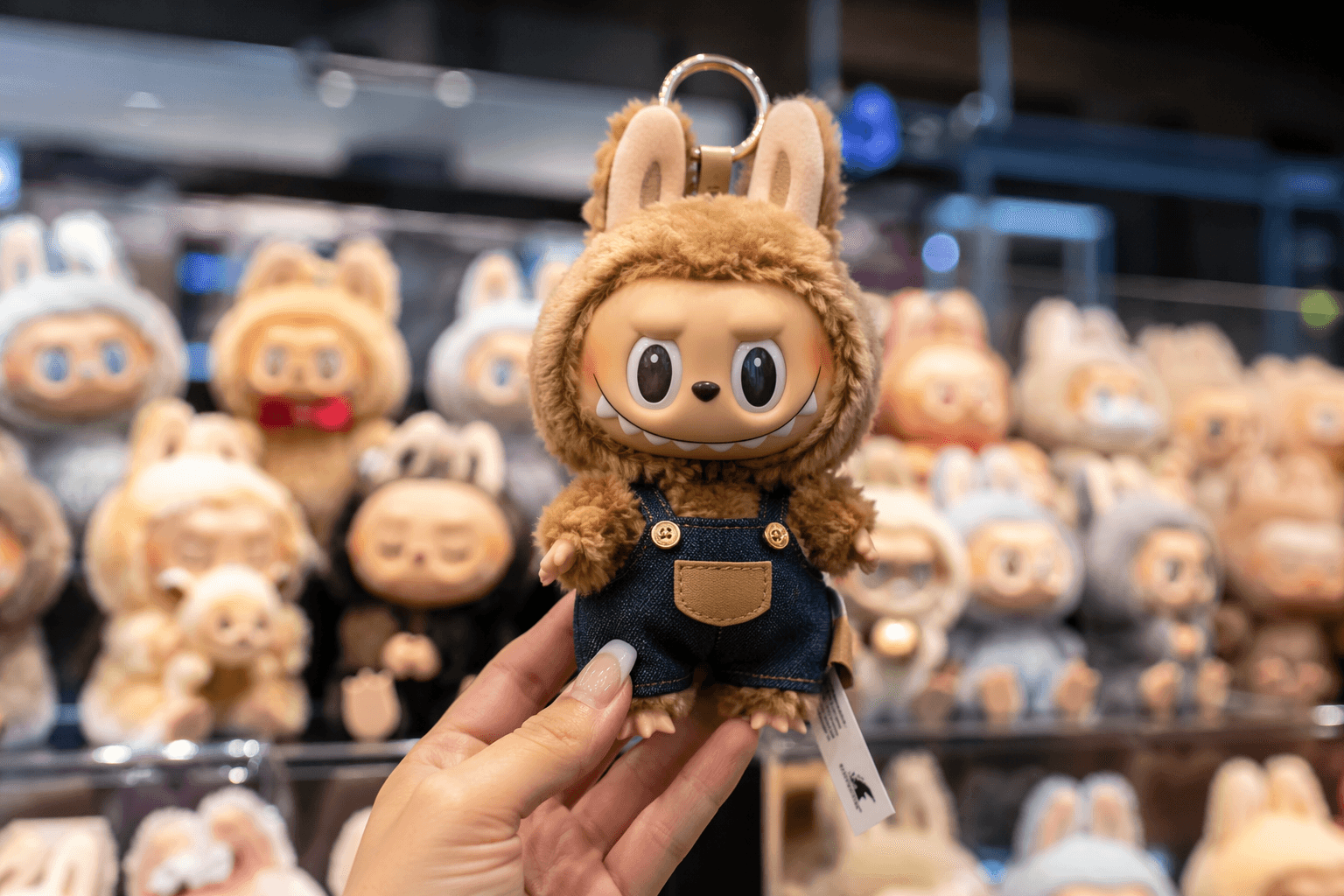
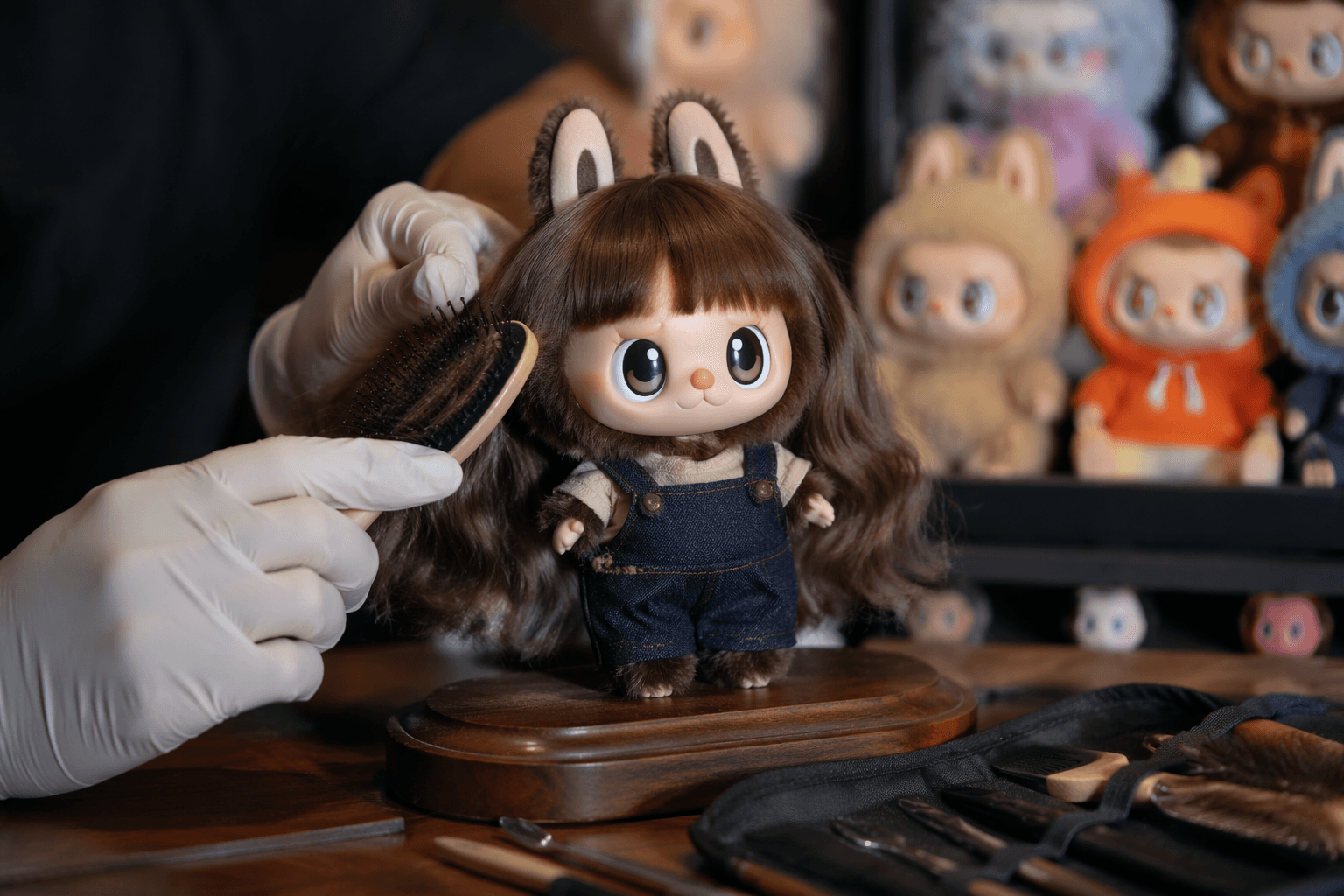
Labubu is the best-known character in Kasing Lung’s The Monsters series, which he started in 2015. Lung, a Hong Kong illustrator and toy designer, says Labubu has been released in more than 300 colors, shapes, and sizes, which tells you everything about why the character travels so well across drops, variants, and collector shelves.
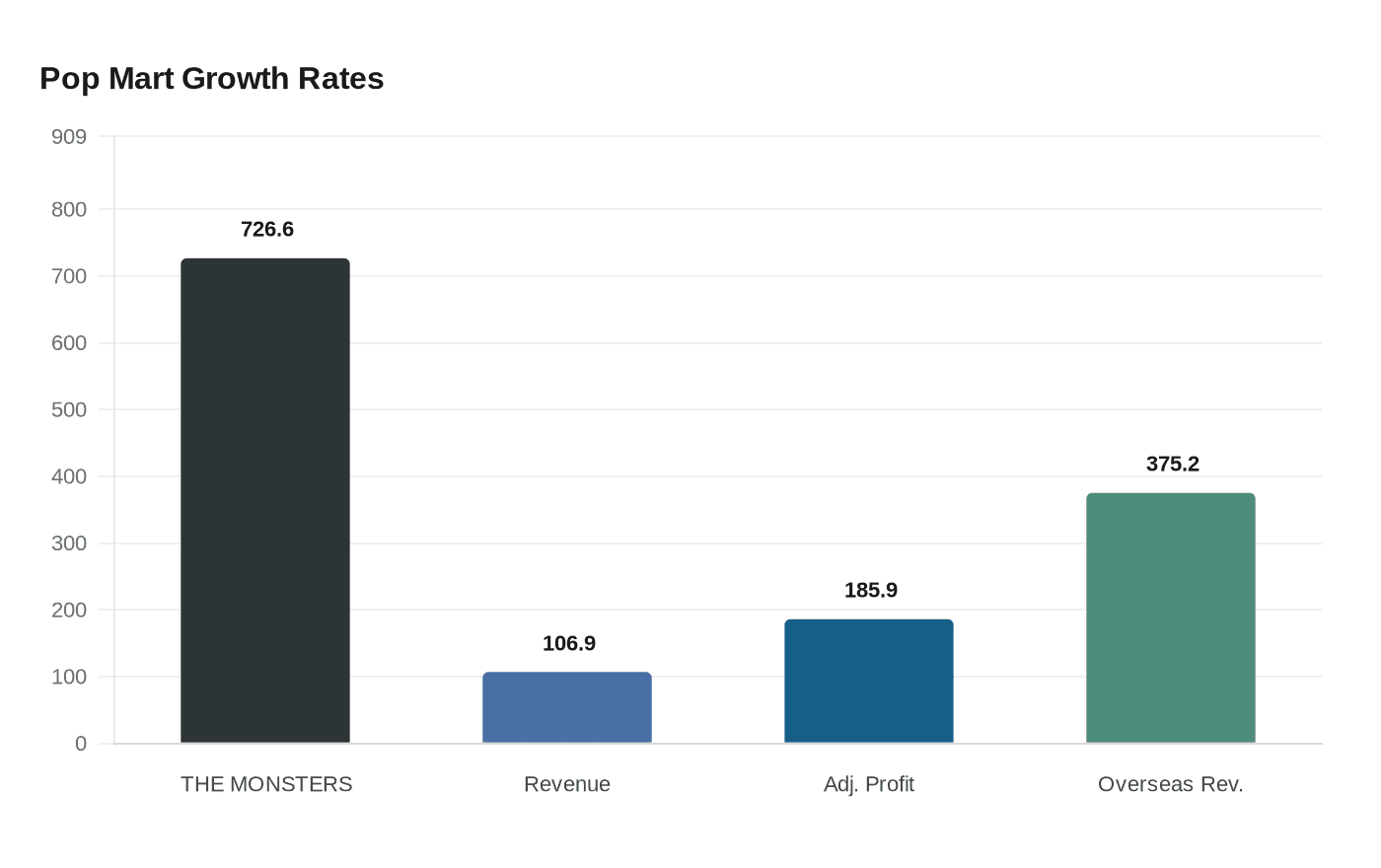
Pop Mart’s own numbers explain why the market treats Labubu as more than a mascot. The company said THE MONSTERS brought in RMB 3 billion in 2024, up 726.6% year on year, and its broader 2024 revenue reached RMB 13.037749 billion, up 106.9%. Adjusted net profit hit RMB 3.403162 billion, up 185.9%, while revenue outside mainland China grew 375.2% year on year. In the same annual report, Pop Mart said THE MONSTERS, MOLLY, SKULLPANDA, and CRYBABY each surpassed RMB 1 billion in annual revenue for the first time.
That kind of scale is why Labubu now functions like a retail operating system. It is not just a cute figure. It is proof that a character-led, surprise-heavy product can move from fandom into a serious global business.
The whisky startup is borrowing the mechanics, not the mascot
Mark Littler’s Forbes piece frames the Scotch whisky startup as something more interesting than a novelty stunt. Scotch has traditionally sold itself through age statements, regional identity, distillery prestige, and the language of connoisseurship. This new approach flips that script by making the reveal itself part of the value.
That is the Labubu lesson in plain language. Blind-box appeal works because the object is only half the purchase. The other half is suspense. The startup is leaning into that exact psychology, using design, surprise, and anticipation to make a category that can feel formal and distant seem more accessible to younger buyers. In other words, it is selling the feeling of discovery first and the pour second.
The shift matters because it changes where the premium sits. Instead of paying only for age, origin, or bottle status, buyers are also paying for the chance of a rare outcome, a special edition, or a more exciting unboxing. That is the same emotional bargain that keeps collectors chasing sealed Labubu drops and chase variants.
Why collectors should care about the spillover
This is bigger than one whisky launch. Academic research on blind boxes traces the format back to Japan’s Fukubukuro, or lucky bags, in the 1980s, which shows the idea has deep roots even if the modern packaging feels new. One academic paper estimated the blind-box economy at US$1.5 billion in 2020 and projected it to reach US$4.3 billion by 2024, while a 2022 study found blind boxes work by arousing curiosity through opaque packaging and anticipated design cues.
That is the part collectors recognize instantly. The value is not just in the final object. It is in the ritual of not knowing, then revealing, then comparing. Once a whisky brand borrows that structure, it is signaling that collector behavior has become mainstream enough to be engineered on purpose.
For Labubu fans, that is both flattering and a little alarming.
- It is validation, because the market is admitting that collector culture drives attention, excitement, and repeat purchases.
- It is also a warning, because the unboxing formula can be overused once every premium brand decides it wants some of that energy.
The more categories copy the mechanics, the less unique the surprise can feel. Scarcity still works, but only if buyers believe the drop has a real point of view instead of just a gimmick.
The earlier spirits test shows this was coming
The whisky startup is not the first brand to test blind-box logic in alcohol. DRAM5 launched a blind-box whisky tasting experience in September 2025, showing that spirits brands were already experimenting with the format before Forbes highlighted this newer Scotch play.
That matters because it places the current story in a progression rather than a one-off stunt. First came the toy-world proof of concept. Then came experimental spirits formats. Now a Scotch startup is pushing the idea into a category that has traditionally leaned conservative and prestige-heavy.
That progression is exactly why the Labubu comparison lands. Labubu did not simply create a toy trend. It proved that anticipation itself can be monetized at scale. The same emotional engine that makes collectors hunt for a chase figure is now being mapped onto bottle sales, tasting rituals, and premium gifting.
What the numbers say about the wider shift
The cross-border reach is part of the reason this template is spreading so quickly. Pop Mart said its official app jumped 114 places in the U.S. App Store on April 25, 2025, reaching No. 4 overall and No. 1 in shopping. That kind of leap is a clean signal that Labubu had moved from niche fandom into mainstream consumer behavior in the United States.
Put that next to Pop Mart’s 2024 performance and the message is hard to miss. A character born in The Monsters series became the center of a business that now spans multiple billion-renminbi franchises, while the blind-box format itself moved from a toy mechanic to a broader retail language. When a Scotch whisky startup borrows that language, it is not copying a fad. It is trying to buy into a proven emotional system.
For collectors, the real question is whether this is the healthiest kind of validation. If Labubu-style surprise keeps proving it can move products outside toys, then the culture around collecting is stronger than the skeptics thought. But it also means the market will keep trying to industrialize the thrill, one premium blind box at a time.
The toy aisle did not invent surprise. It just turned surprise into a business model. Now whisky wants the same playbook, and that is the clearest sign yet that Labubu logic has escaped toys for good.
This article was produced by Prism’s automated news system from verified source data, official records, and press releases, then run through automated quality and moderation checks before publishing. The system is built and supervised by the people who set the standards it runs under. Read our full AI policy.
Did this article answer your question?