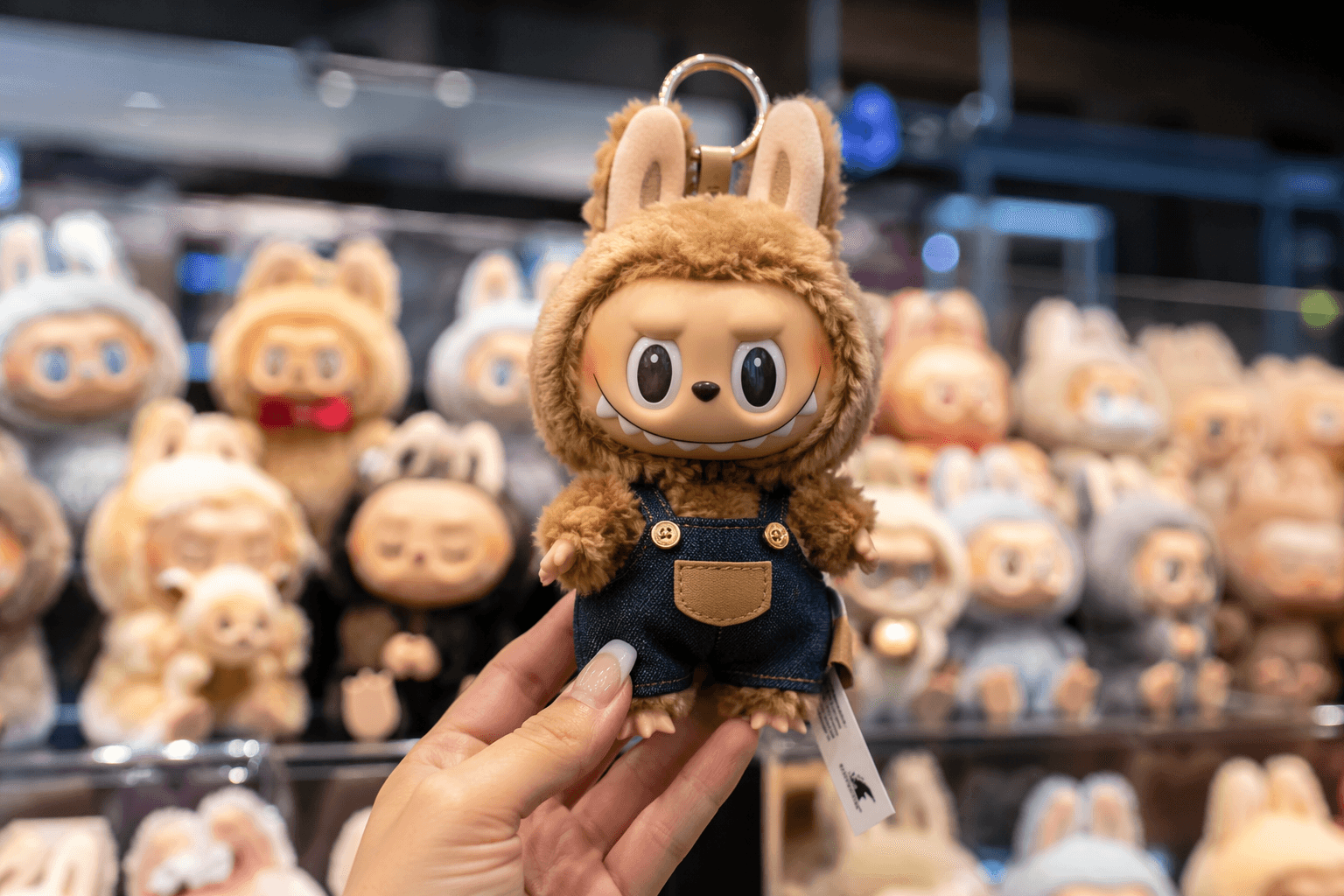
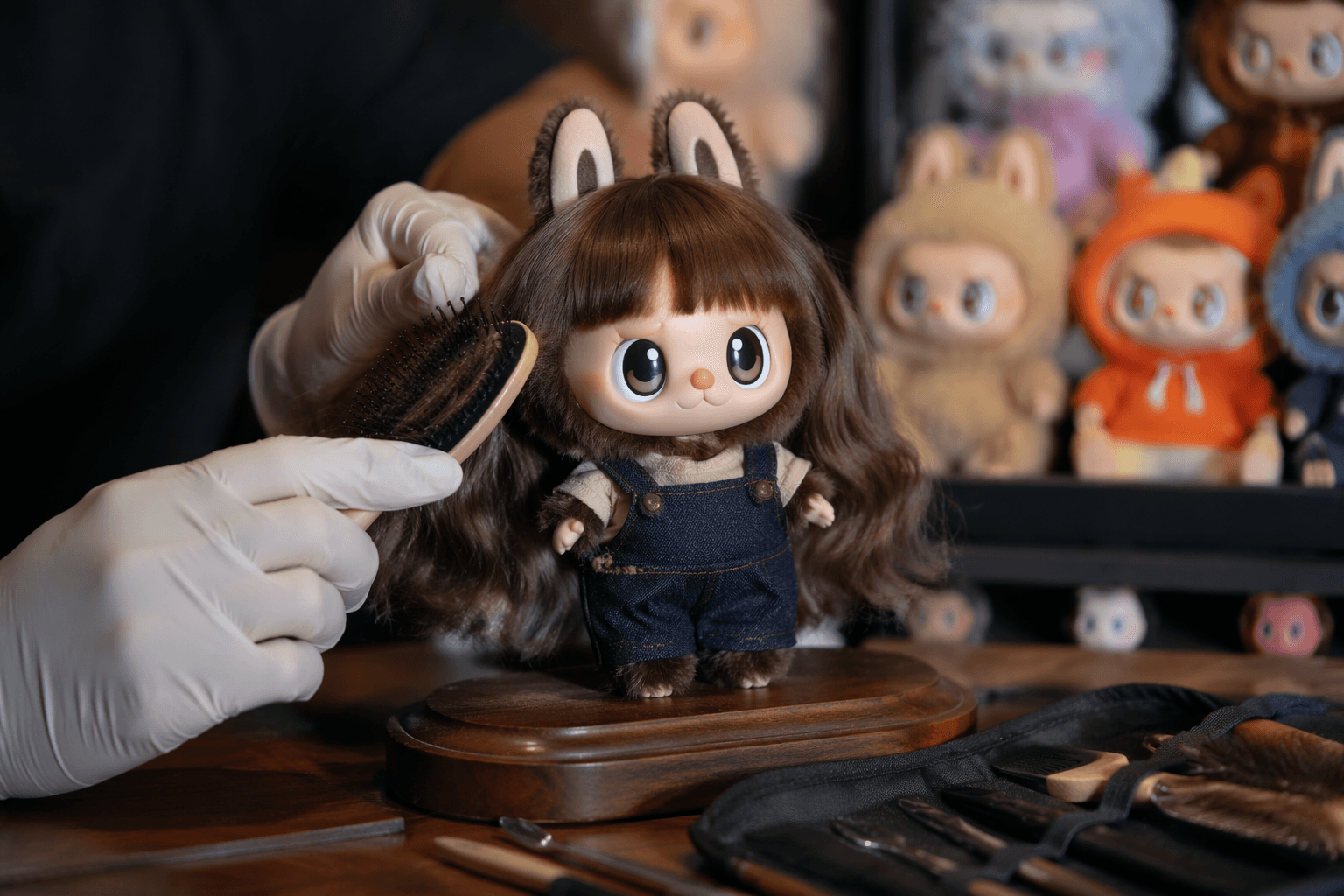
Labubu maker Pop Mart faces labor abuse allegations at key factory
China Labor Watch accused a key Labubu factory of overtime abuse and weak protections, putting Pop Mart’s supply chain, restocks and brand trust under a fresh spotlight.
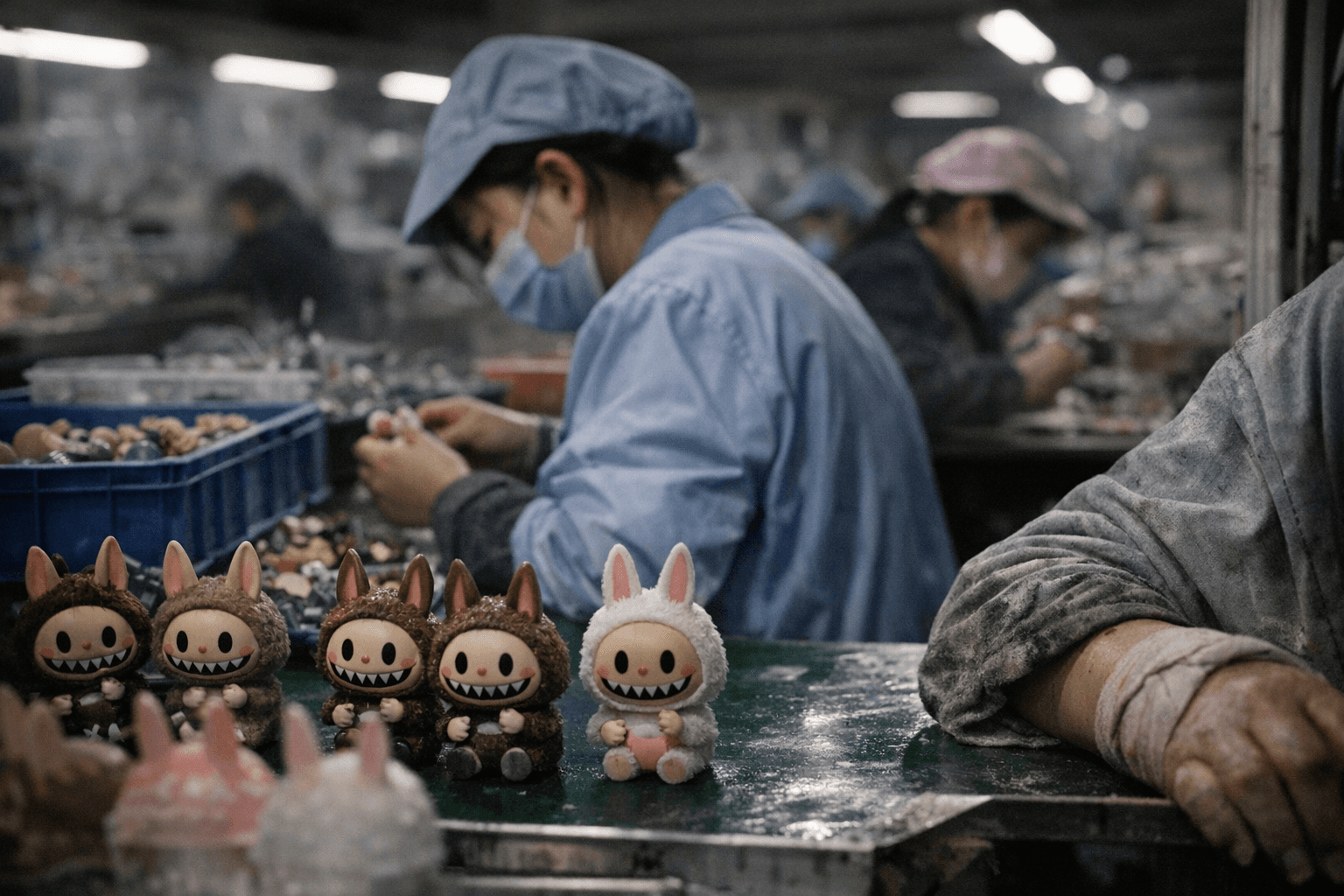
A key Labubu factory is now at the center of allegations that could ripple through the collector market, from restocks to brand trust. China Labor Watch said its Jan. 13 report examined Shunjia Toys Co. Ltd. in Xinfeng County, Jiangxi province, a core manufacturing site for Pop Mart’s latest Labubu series, and found conditions that included excessive overtime, blank or poorly explained contracts, and weak safety training.
The group said the factory employed more than 4,500 workers and that investigators interviewed more than 50 employees during the summer and fall of 2025. It alleged that some workers were pushed far beyond legal overtime limits, that dispatched labor was used extensively, and that social-insurance practices were opaque. The report also said workers aged 16 to 18 were employed as long-term production workers without the special protections required under Chinese law, and that no labor union or effective grievance mechanism was found.
China Labor Watch said the plant produced Labubus at high volume, with one team of 25 to 30 workers required to assemble at least 4,000 figures a day. That detail matters for collectors because it shows how much pressure sits behind the chase for the next drop, the next blind-box pull and the next wave of resale demand. If corrective action slows production or forces changes in sourcing, fans could feel it in tighter availability, slower restocks or higher costs.
Pop Mart did not address the allegations line by line, but it said it takes the welfare and safety of workers at its OEM factories seriously, conducts regular standardized audits and annual independent third-party audits, and is investigating the claims. The company said it would require corrective action if the findings are substantiated. That response leaves the core question for Labubu buyers unanswered for now: how much of the brand’s runaway success depends on a supply chain now under scrutiny.
The timing is sharp. Pop Mart said first-half 2025 revenue rose 204.4% year-on-year to RMB 13.876 billion, while profit attributable to owners climbed 396.5% to RMB 4.574 billion. China Labor Watch said Pop Mart, founded in Beijing in 2010, signed its exclusive Labubu license with artist Kasing Lung in 2019, and demand accelerated again after a Blackpink post in April 2024.
The pressure extends beyond one factory. Reuters reported in January 2026 that Pop Mart planned to make London its European headquarters and open seven more UK stores, a reminder that Labubu’s boom is still expanding even as the company’s manufacturing base faces tougher questions.
This article was produced by Prism’s automated news system from verified source data, official records, and press releases, then run through automated quality and moderation checks before publishing. The system is built and supervised by the people who set the standards it runs under. Read our full AI policy.
Did this article answer your question?