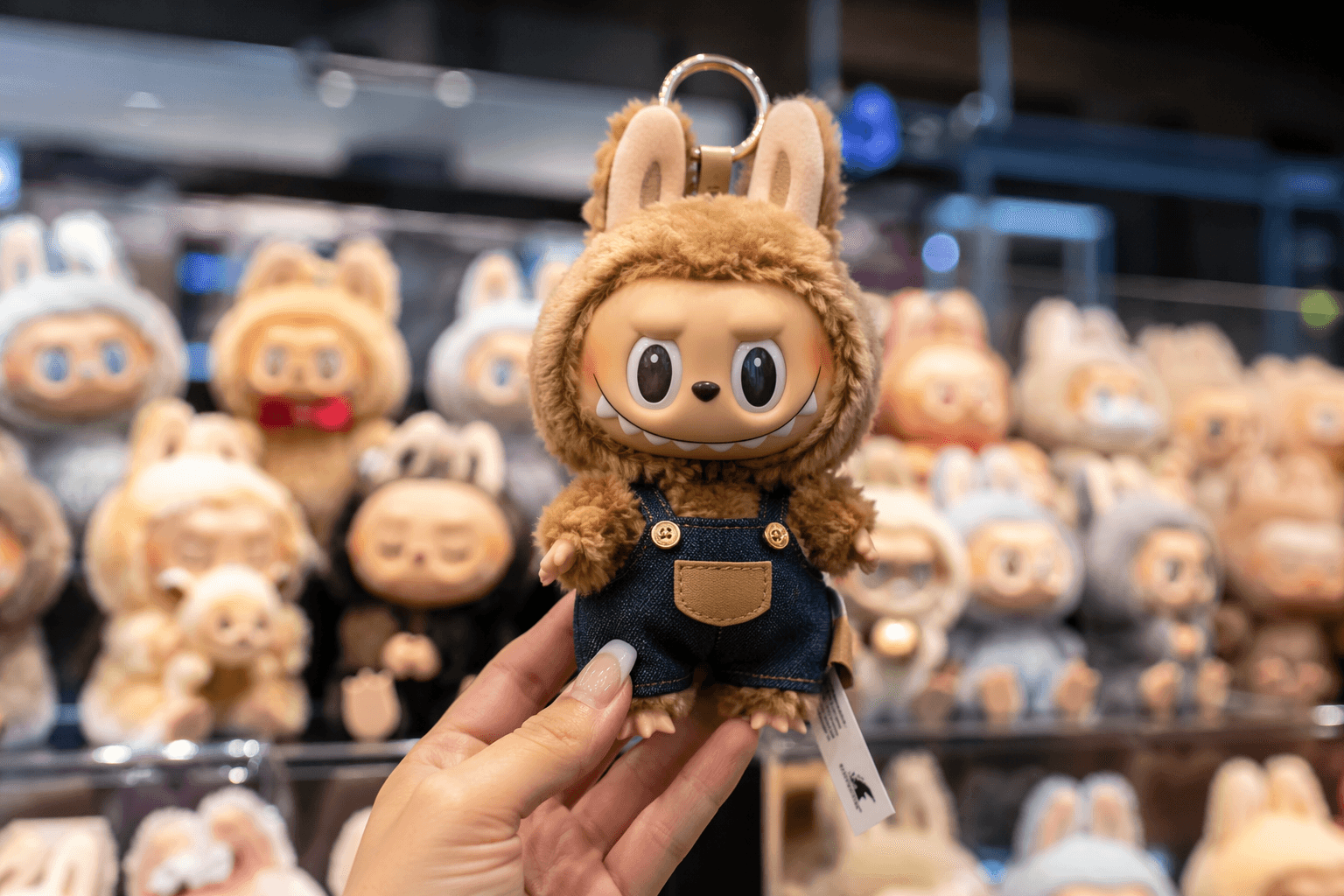
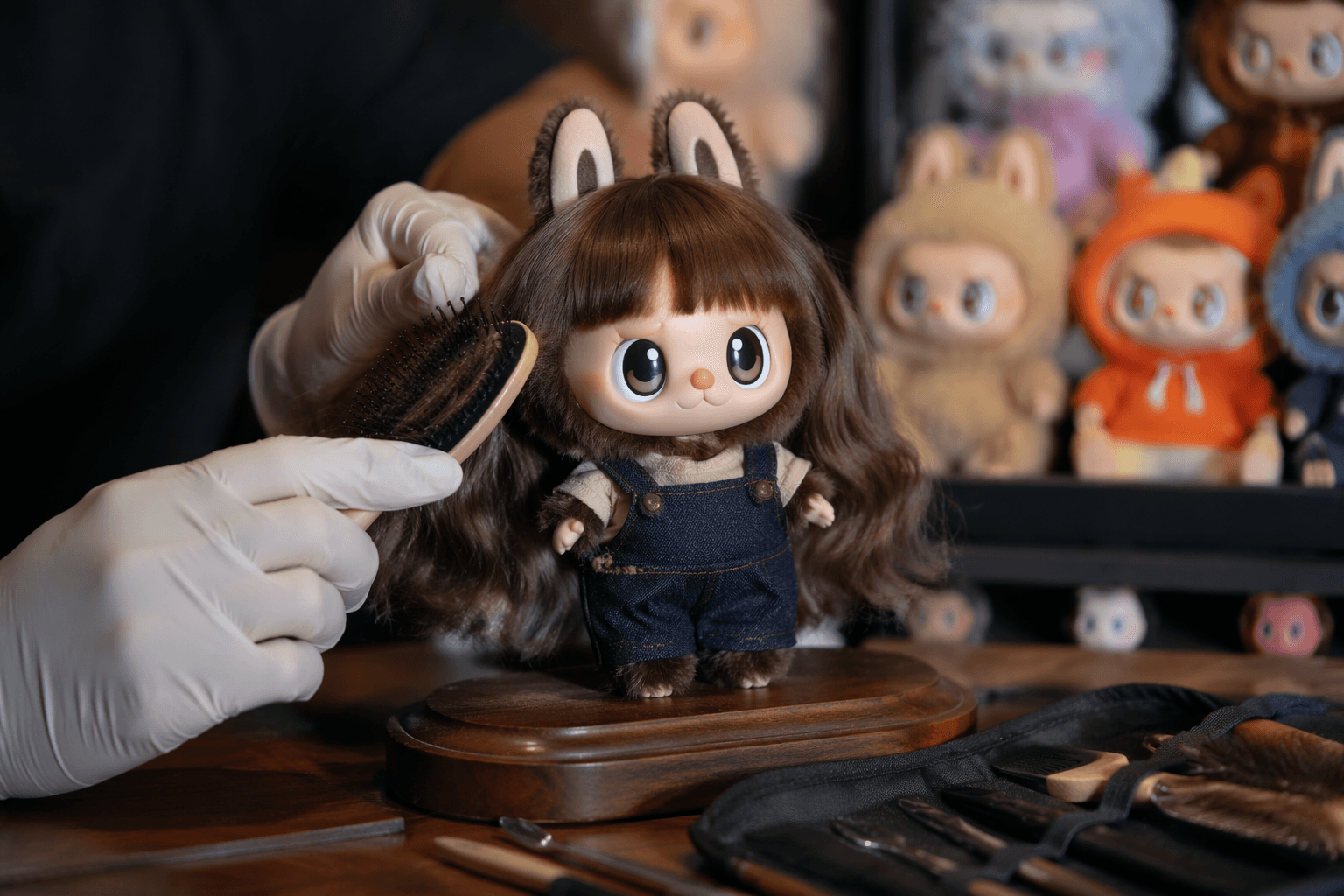
Labubu restock guide helps collectors beat drops and resale chaos
Labubu drops reward patience, not panic: know the retail price, watch restock windows, and skip resale spikes that can swing in days.

If you want Labubu at retail, the first rule is simple: treat every drop like a clock, not a lottery. The collectors who do best are not the ones refreshing the hardest, but the ones who know when a series is likely to appear, what the real price should look like, and when a resale listing is just hype in a shiny wrapper.
Know what Labubu actually is
Labubu is not a standalone brand floating in a vacuum. On Pop Mart’s U.S. site, it sits inside THE MONSTERS line, where the character is described as a kind-hearted monster with high ears and serrated teeth, inspired by Nordic myths. That backstory matters because it explains why Labubu feels bigger than a single toy: it is part of a wider designer universe built for collecting, trading, and chasing specific releases.
The character was created by Hong Kong artist Kasing Lung, and Pop Mart has turned that creation into a global collectible engine through blind boxes and limited drops. The blind-box format is central to the appeal. You do not just buy a figure, you buy uncertainty, and that uncertainty is a big reason buyers keep coming back for the next release.
Why drops get chaotic so fast
Labubu launches move quickly because demand is built into the format. The guide’s practical takeaway is that supply is often thin, the most desirable pieces can vanish before casual buyers react, and online and in-store availability can look very different on the same day. That is why experienced buyers track launch windows instead of browsing casually after the fact.
This is also where the collector mindset shifts from fun to strategy. When a new series goes live, the question is not only whether you like the design. It is whether you can identify the buying window, watch stock updates, and decide before the market starts talking itself into a higher number. Once the crowd piles in, panic-buying becomes part of the price.
Celebrity attention has only sharpened that pressure. Reuters reporting said fans including Lisa of Blackpink, Rihanna, and David Beckham helped fuel the craze, while social media turned Labubu bag charms into a visible status signal. The result is a toy that behaves like both a collectible and a fashion object, which is exactly why restocks feel so urgent.
How to read retail versus resale
The cleanest way to avoid getting trapped is to know the real baseline. Pop Mart’s U.S. shop shows Labubu-related items ranging from lower-priced blind-box products in the teens and $20s to premium pieces well above $100, including MEGA Labubu editions listed at $314.90 and $1,269.90. That spread is useful because it shows just how wide the Labubu market can be once you move beyond the smallest blind-box format.
Resale is where the distortion begins. Reuters reported that some blind boxes originally priced around RMB 99, about $13, resold for RMB 200 to RMB 600, while rare hidden editions topped RMB 3,000, or about $417. Bloomberg later reported that a 14-piece mini Labubu release saw resale premiums fall 24% from a peak, with an average resale price of RMB 1,594 against an original retail price of RMB 1,106. In other words, the secondary market can sprint upward fast, and then cool just as quickly.
That volatility is exactly why retail discipline matters. A listing that looks “normal” during a frenzy may be massively inflated compared with the original price, while a falling resale chart can leave late buyers holding the most expensive version of a toy they could have chased at launch. The safest collectors do not confuse a hot listing with a fair one.
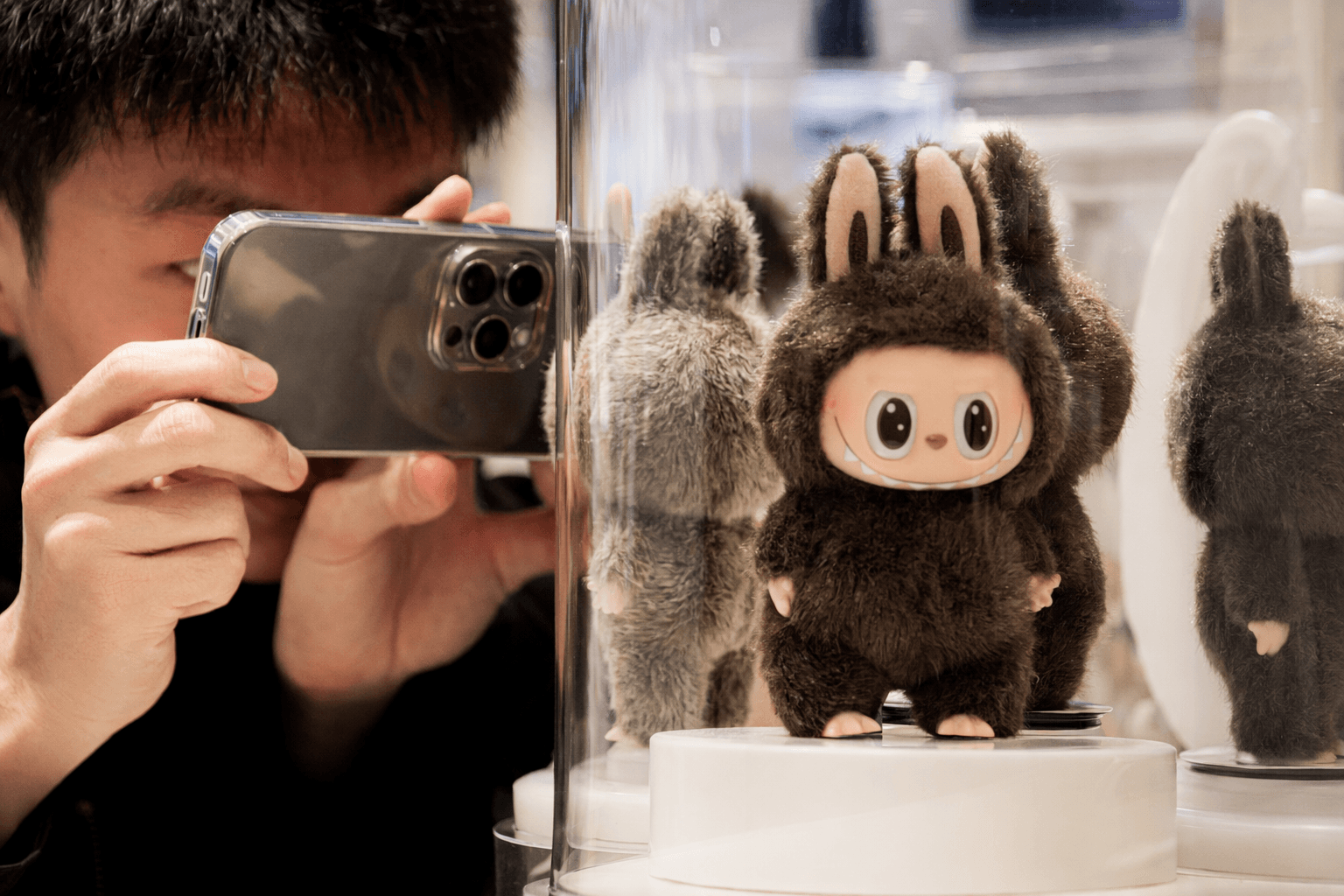
The habits that keep collectors out of trouble
The smartest Labubu buyers build a routine before restock day arrives.
- Learn the expected retail price range for the specific series you want, then compare every listing against that number, not against what other resale posts are asking.
- Follow stock updates closely, especially because online and in-store drops can diverge sharply.
- Decide in advance which figures you actually want, so you are not bidding against your own adrenaline once the box opens.
- Skip the emotional impulse to buy the first “last chance” listing you see. Scarcity is part of the game, but it is also what inflates bad decisions.
- Remember that blind boxes are designed to create uncertainty, and rarity is what powers the chase.
That last point matters more than it sounds. The best pieces often disappear before casual buyers can react, which makes timing feel like everything. But timing only helps if you are clear-headed enough to use it.
The business behind the frenzy
Labubu’s restock drama is also a business story. Pop Mart’s 2024 annual results showed revenue of RMB 13.037749 billion, up 106.9% year over year, and its first-half 2024 interim report showed revenue up 62.0%. Those numbers show why Labubu is no longer just a niche toy story. It is a major driver in a fast-growing global company.
The price ladder across the Pop Mart shop helps explain the scale of that growth. Lower-cost blind-box items pull in new collectors, while premium editions push the brand into a much higher tier of discretionary spending. That range also makes the restock chase more intense, because a character can sit comfortably in the teens one minute and be treated like a trophy object the next.
Pop Mart has also signaled that it does not want the whole market to revolve around pure flipping. CNBC reported that the company said “making art accessible” is key and warned that a model based only on profit-seeking will eventually crash. That tension sits at the center of the Labubu economy: the scarcity drives excitement, but the company also has a reason to broaden access and reduce the worst speculative behavior.
What a good Labubu purchase looks like
A good buy does not feel hurried. It feels planned, priced correctly, and detached from the noise around the latest restock. For Labubu, that usually means knowing the blind-box baseline, understanding which figures carry real scarcity, and refusing to let resale listings define your sense of value.
For collectors who want the character without the chaos, the winning move is not chasing every spike. It is waiting for the right drop, buying at retail when possible, and treating the market like a timing game instead of a test of nerve.
This article was produced by Prism’s automated news system from verified source data, official records, and press releases, then run through automated quality and moderation checks before publishing. The system is built and supervised by the people who set the standards it runs under. Read our full AI policy.
Did this article answer your question?