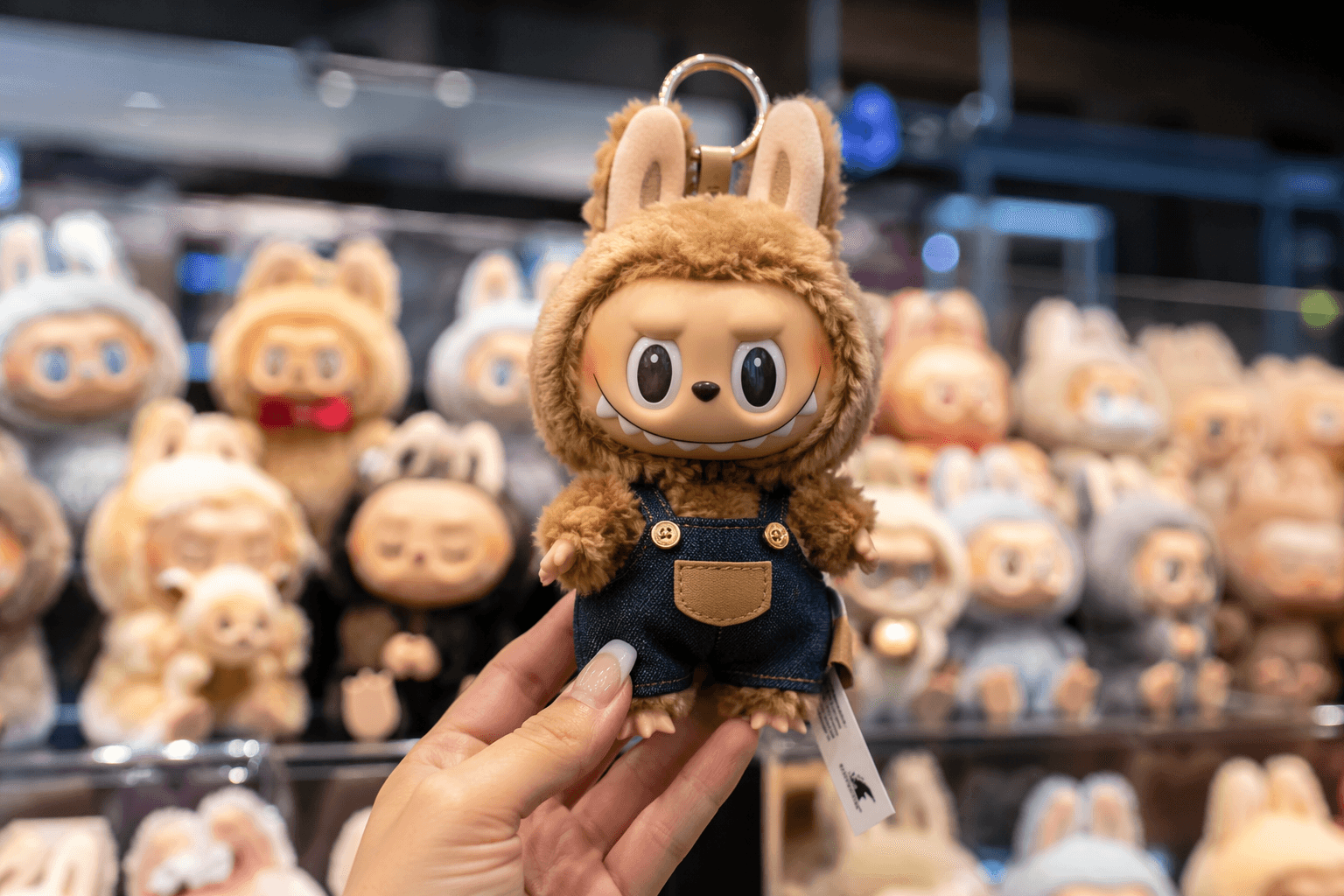
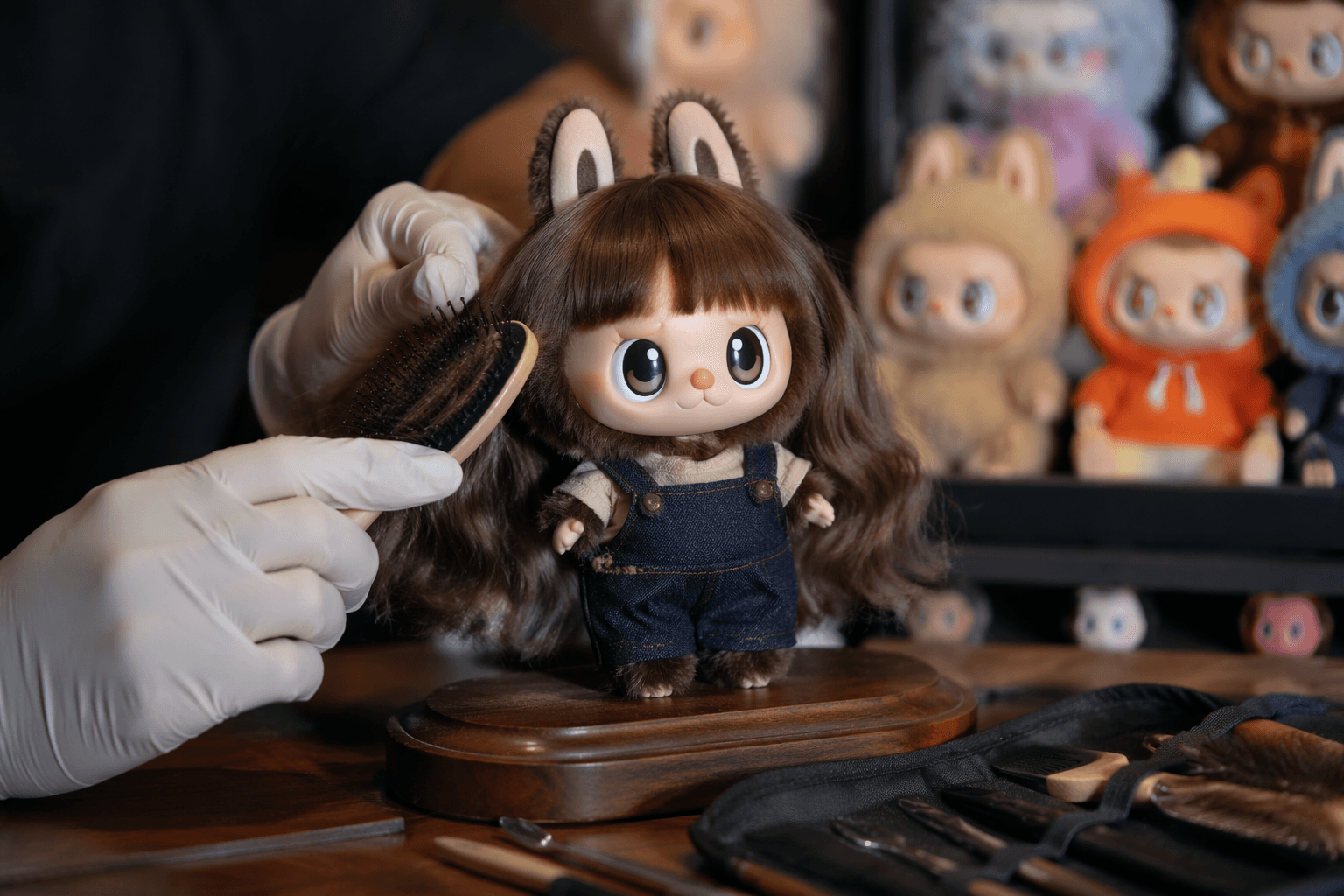
Labubu signals China’s growing soft power in Asia’s character market
Labubu is no longer just a hype toy in Korea. It is a retail force, a resale engine, and a sign Chinese character IP now travels like a regional style code.
South Korea is where Labubu’s regional story becomes visible
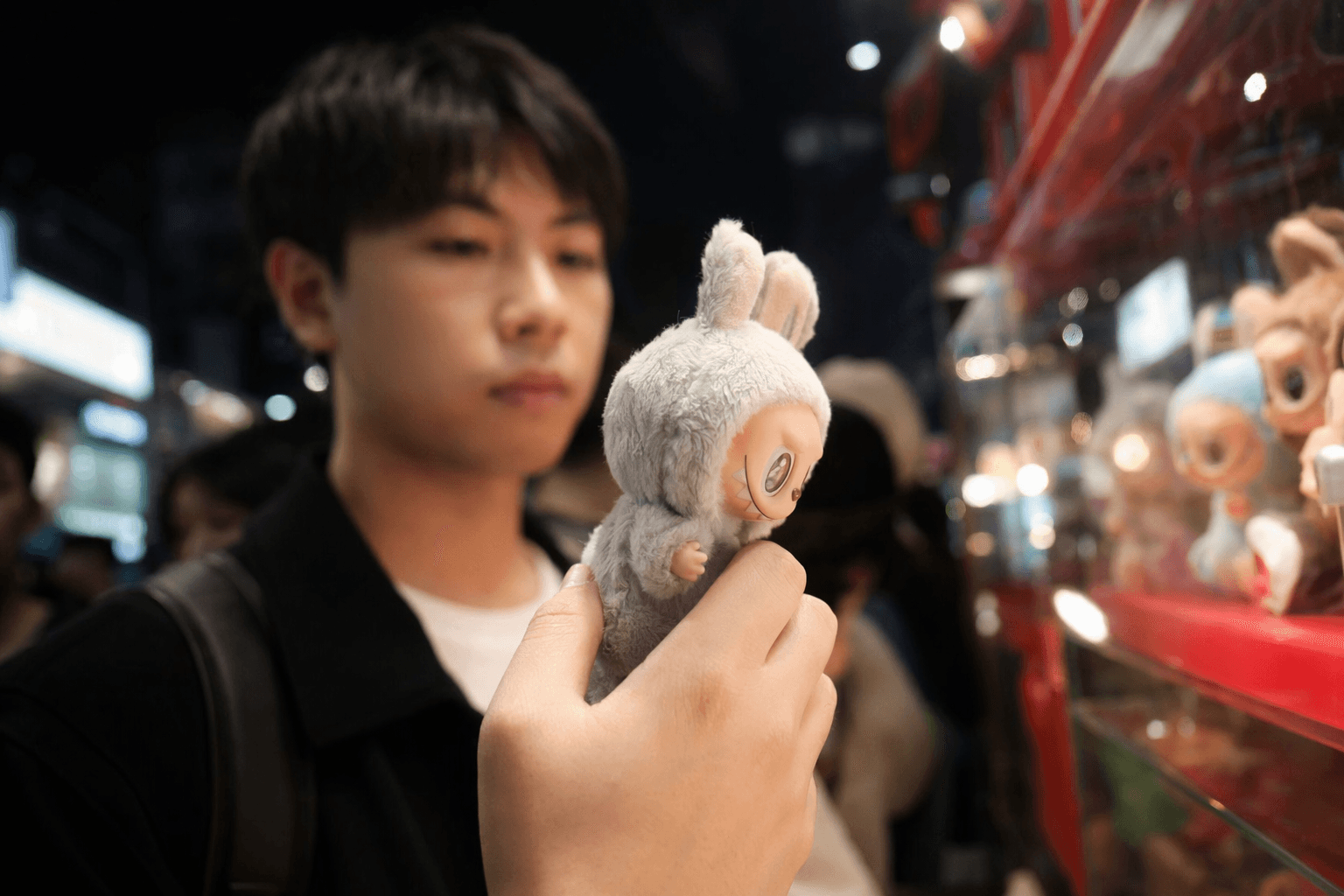
The clearest sign of Labubu’s rise is not a screenshot or a celebrity post. It is the fact that Korean stores had to change how they operate because people kept showing up for the dolls. In South Korea, Labubu has crossed from collectible into cultural signal, and that shift is what makes the country such an important test case for Chinese character IP.
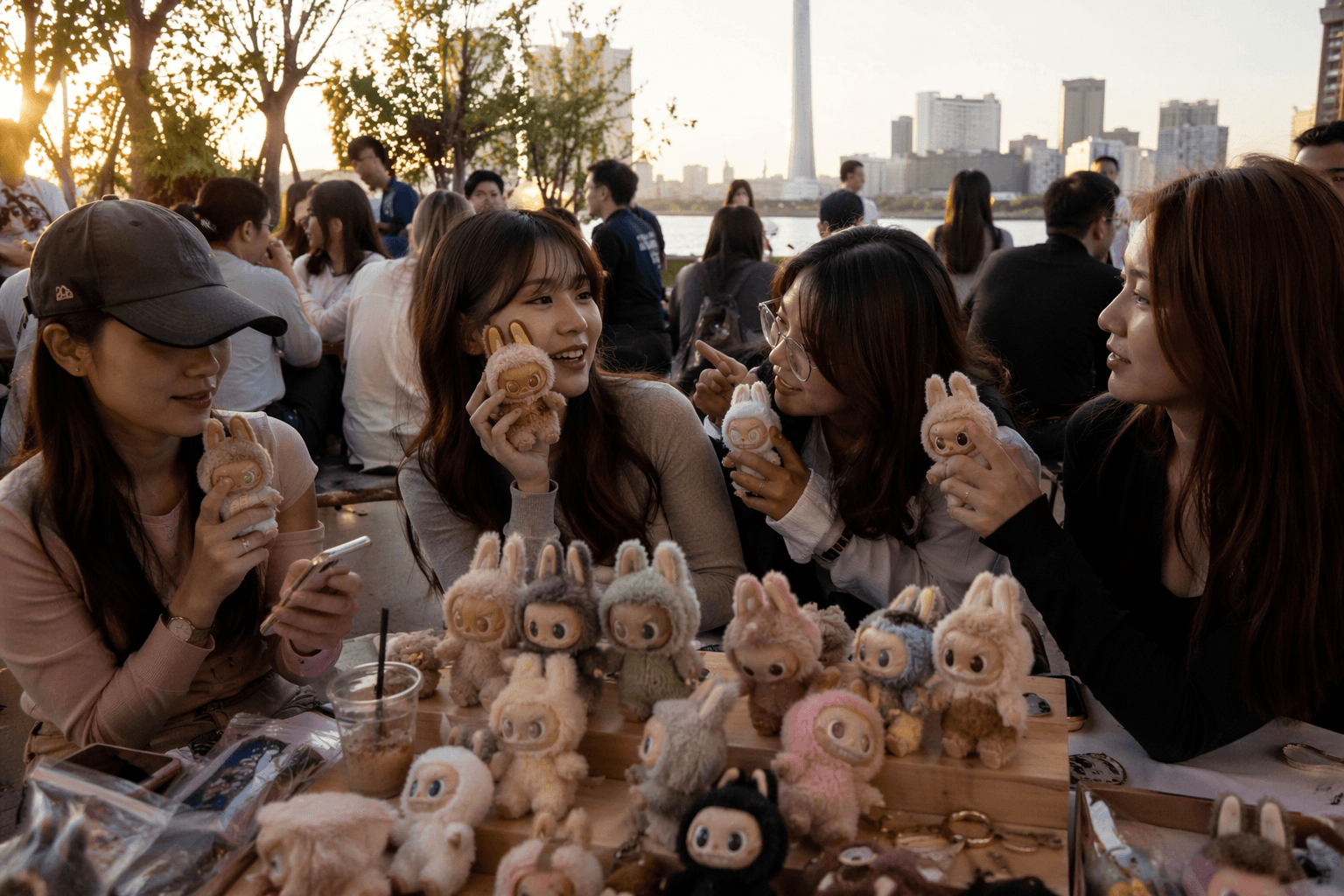
China Daily framed that change through a sharp comparison: Loopy, the Korean character that once took the local market by storm, versus Labubu, which is now flying off shelves worldwide. In an interview, Roh Jae-heon, the Republic of Korea ambassador to China, pointed to the way young South Korean consumers are eager to buy newly popular Chinese character goods. That observation matters because it moves Labubu out of the narrow toy conversation and into the larger language of youth taste, identity, and cross-border lifestyle consumption.
What Labubu looks like on the ground in Korea
Korea’s adoption of Labubu is not abstract. Pop Mart had seven official sales locations in the country during the period covered by Korean reporting, including four in Seoul, one in Busan, and two in Gyeonggi Province. Even with that footprint, demand overwhelmed the system. Pop Mart Korea temporarily suspended offline Labubu sales in mid-June 2025, citing safety concerns after large crowds, long queues, and customer flooding at stores.
That shutdown did not make the character disappear. Coverage from Seoul’s Myeong-dong shopping district showed the opposite effect: even after in-store sales were halted, the area remained crowded with people drawn to the brand. This is the part of the story that gives Labubu its legitimacy in the regional market. It is not just trending online in Korea. It is physically reorganizing retail behavior.
The resale market shows real collector demand
There is a difference between broad hype and genuine collector demand, and Korea makes that distinction easier to see. The Korea Times reported that Labubu merchandise in Korea ranged from 15,000 won to 268,000 won, which is already a wide enough spread to show a market with both casual buyers and serious spenders. On resale platforms, the frenzy became even clearer.
Korean reporting said Labubu transactions on Kream jumped 121 percent from the previous month and 7,711 percent year on year in June 2025. One limited-edition Labubu x Pronounce Wings of Fantasy doll reportedly sold for 1.3 million won on June 9, 2025. That kind of price movement is not just fandom enthusiasm. It is the unmistakable sign of a scarcity-driven collector economy, where the right drop, the right collaboration, and the right timing can turn a plush figure into a status asset.
Celebrity visibility turned the toy into a style object
Labubu’s modern wave of popularity did not emerge in a vacuum. Celebrity exposure helped turn the character into something visible far beyond core toy collectors. BLACKPINK’s Lisa and Rosé, along with Rihanna and David Beckham, all helped place Labubu in the visual economy of fashion, travel, and celebrity lifestyle sharing.
That matters in Korea because character goods are not just bought and shelved. They are styled, posted, and used as identity markers. A plush keyring or doll becomes part of a bag setup, a shelf display, or a social feed post. In that sense, Labubu has become legible as both a collectible and an accessory, which is exactly why it travels so well across youth culture. It fits the current mix of blind-box excitement, fashion-coded display, and online sharing that drives so much of the character market in Asia.
Why the China angle is bigger than one toy
Labubu’s Korean success also says something larger about Chinese original IP. The character was designed in 2015 by Hong Kong artist Kasing Lung and later commercialized in 2019 after Pop Mart obtained exclusive licensing rights. That timeline matters because it shows how a locally created character became a global retail engine through IP control, product design, and distribution.
Pop Mart’s numbers show how strong that engine has become. The company reported 2025 revenue of RMB 37.12 billion, up 184.7 percent year on year. In the first half of 2025, revenue reached RMB 13.88 billion, up 204 percent year on year, while net income rose 397 percent. Pop Mart has also said that THE MONSTERS, the IP family behind Labubu, was a major growth driver. Those figures make the Korea story easier to read: Labubu is not just a hit toy. It is one of the clearest examples of Chinese consumer IP expanding through Asia with real commercial force.
Korea’s role in the new character market
The deeper significance of Labubu’s Korean traction is that it gives Chinese character goods a kind of regional legitimacy they did not always have. The old assumption was that the strongest character culture in Asia flowed outward from Japan or Korea. Labubu complicates that map. By showing up in Seoul stores, in resale markets, in celebrity styling, and in youth-led social sharing, it proves that Chinese IP can now function as a collectible language that crosses borders on its own terms.
That does not mean every Labubu purchase is a soft-power statement. Many buyers are simply chasing the next hard-to-get drop. But the bigger pattern is hard to miss: a Chinese character that began as a designer toy has become a cross-border style object, a retail problem, and a sign that Asia’s character economy is being rewritten in real time.
This article was produced by Prism’s automated news system from verified source data, official records, and press releases, then run through automated quality and moderation checks before publishing. The system is built and supervised by the people who set the standards it runs under. Read our full AI policy.
Did this article answer your question?