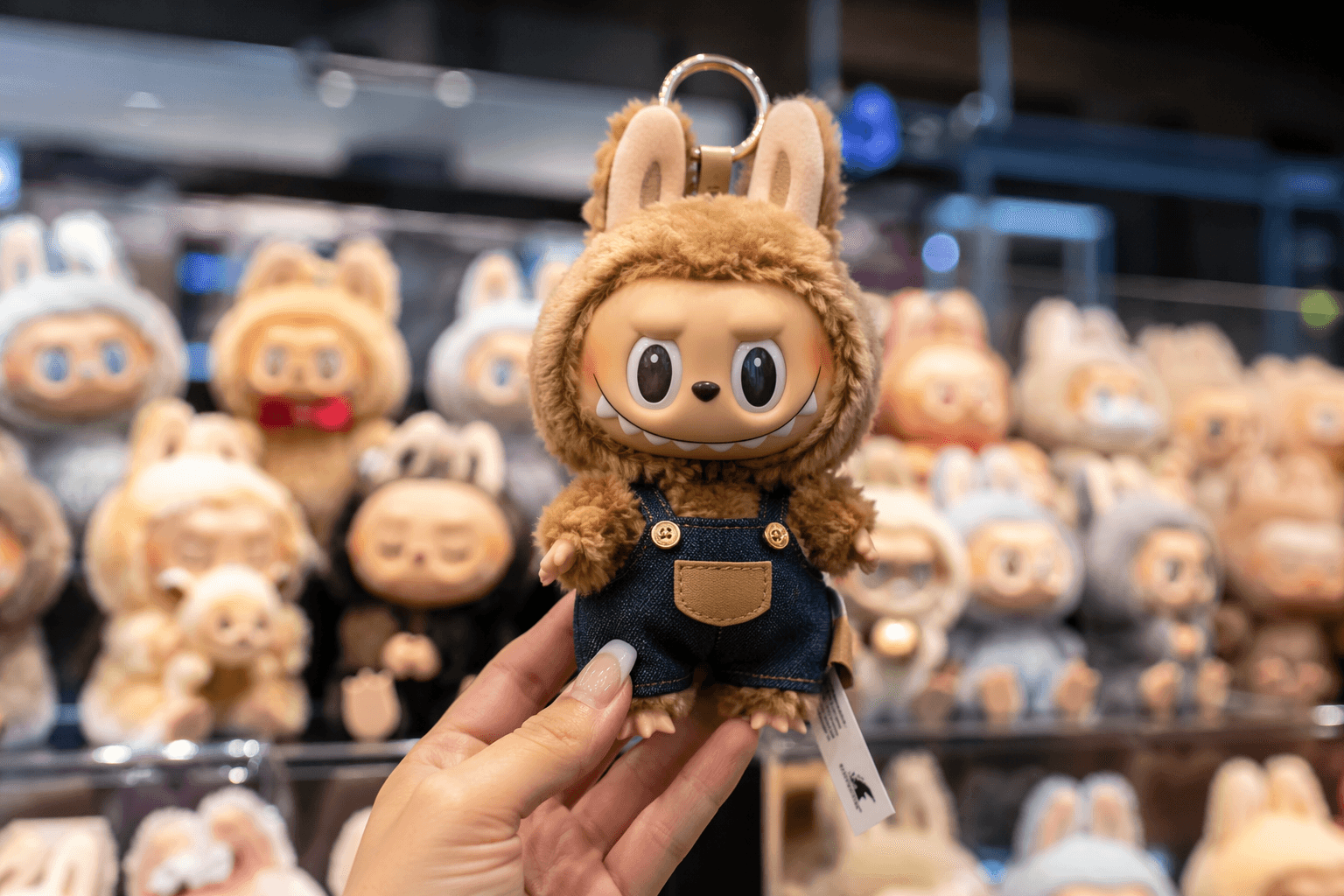
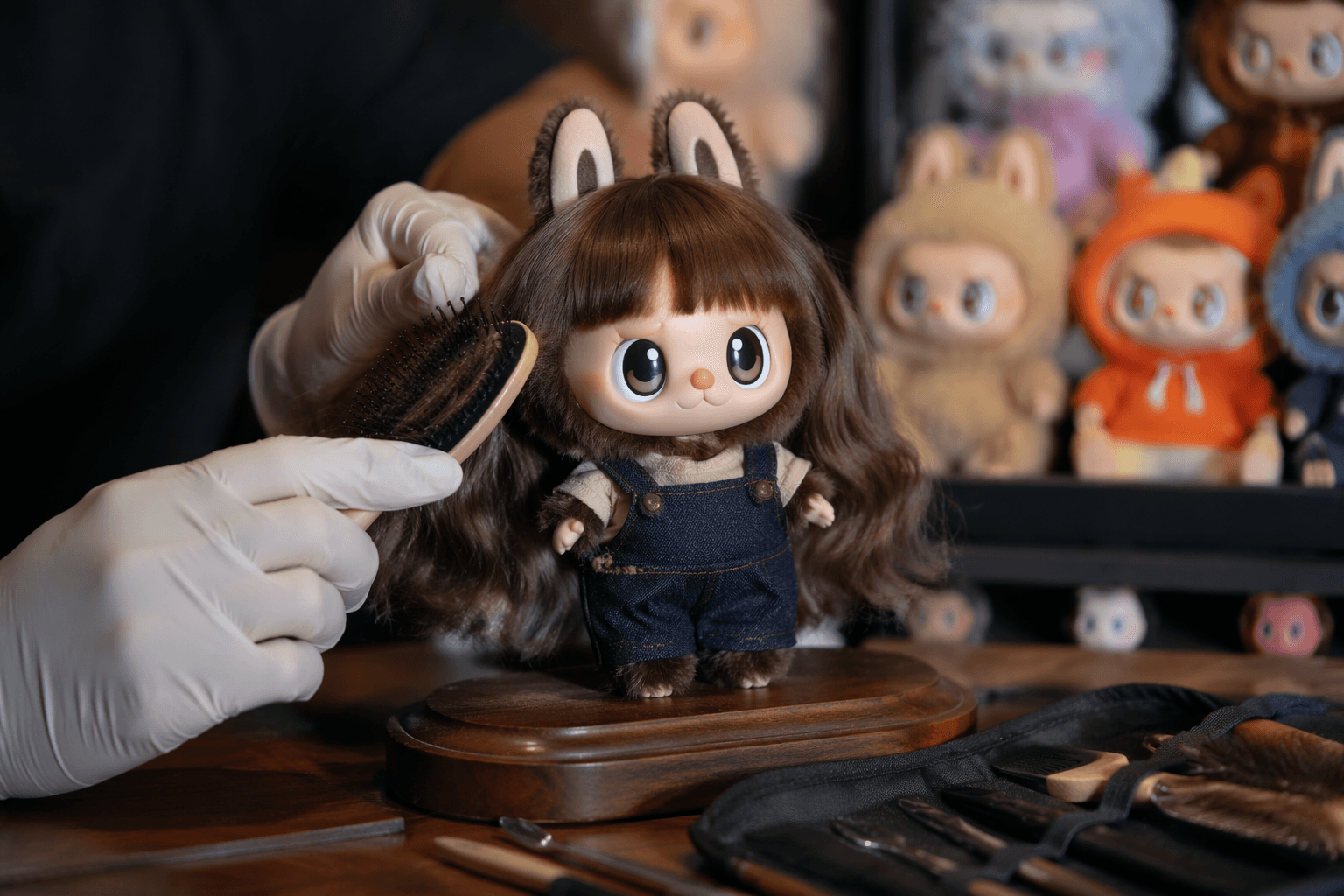
Labubu Turns 10, From Viral Sensation to Enduring Collectible Phenomenon
Labubu hits 10 years old with collector retention data and sales indices confirming it has moved well beyond viral moment into enduring collectible status.
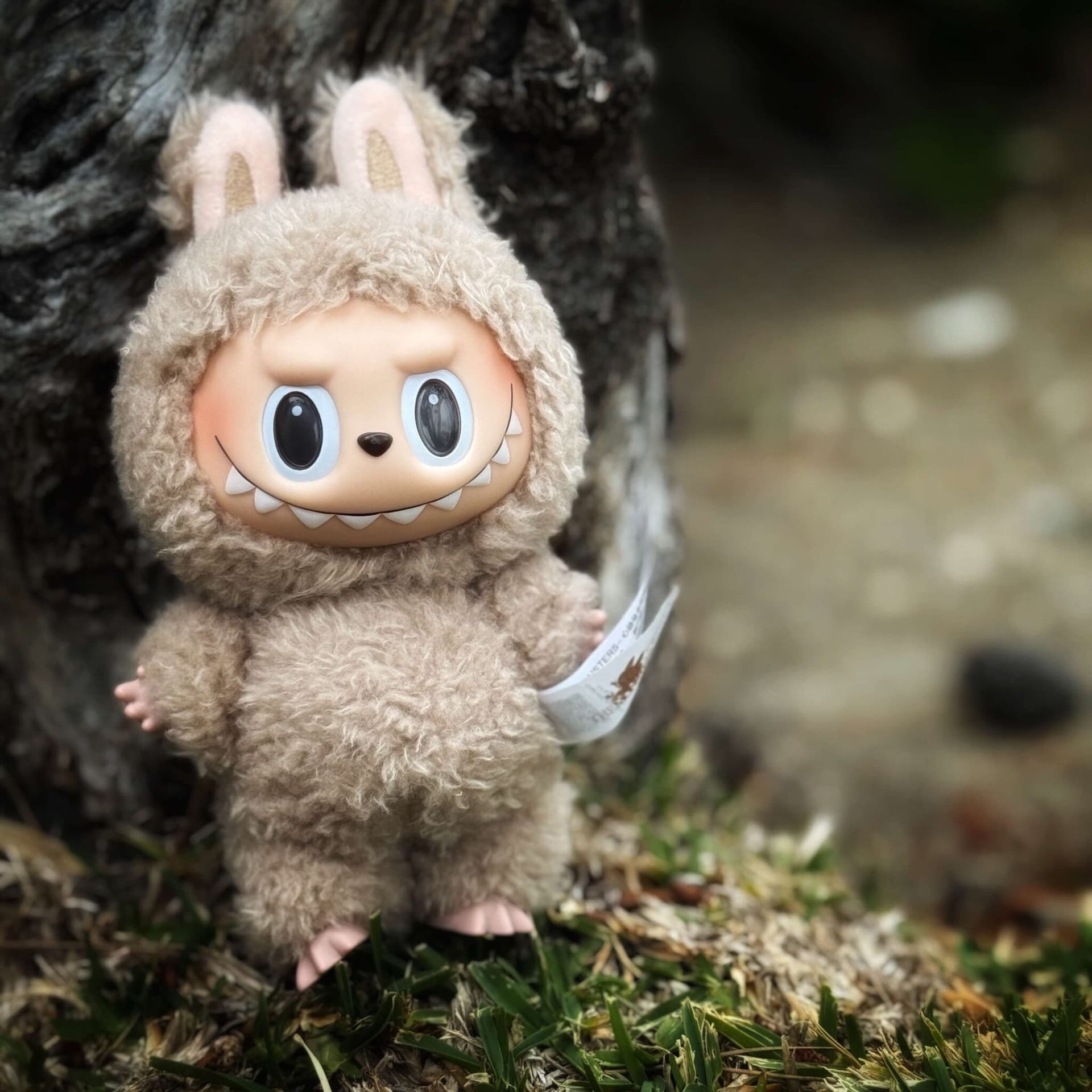
A decade ago, Labubu was a creature that lived in the margins of designer toy culture, a jagged-toothed forest spirit dreamed up by Hong Kong artist Kasing Lung that relatively few collectors outside the art toy circuit had encountered. Today, the character sits at the center of one of the most closely watched collectible markets in the world, with sales indices, celebrity sightings, and blind box queues that stretch around city blocks. The 10th anniversary marks a genuinely meaningful inflection point, and the data emerging around it tells a more nuanced story than the usual hype cycle would suggest.
From Forest Spirit to Global Fixture
Kasing Lung introduced Labubu through his "The Monsters" series, drawing on Nordic folklore and his own illustration background to create a figure that was deliberately unsettling in the best possible way. The gap-toothed grin, the pointed ears, the wide eyes: none of it fit the conventional cute-toy template, and that friction turned out to be the character's greatest asset. Collectors who discovered Labubu early often describe the same experience: an initial uncertainty about whether they liked it, followed by a pull they couldn't quite explain, followed by a collection that had quietly taken over a shelf.
The partnership with Pop Mart transformed that niche appeal into global distribution, giving Labubu the blind box infrastructure and retail footprint to reach collectors who had never set foot in an independent designer toy shop. What followed was not an overnight explosion but a sustained build, the kind of trajectory that long-form analysis tends to find more durable than a single viral spike.
What the 10th Anniversary Data Actually Shows
The most substantive read on where Labubu stands right now comes from a long-form analysis published on March 18, 2026, which synthesizes sales indices and collector retention measures to assess the character's trajectory into its anniversary phase. The piece draws on Global Designer Toy Index figures, one of the more credible benchmarks available for tracking secondary market performance and collector engagement across the designer toy category.
What makes that framing significant is the distinction between viral traction and retention. A toy can trend without building a lasting collector base; the metrics that matter at the 10-year mark are the ones that show whether people who came in during the peak are still buying, still trading, and still treating Labubu as a priority in their collections. Collector retention is notoriously difficult to measure in a category as fragmented as designer toys, which is part of why index-level data carries real weight when it surfaces.
The sales index picture adds another layer. Secondary market performance for key Labubu releases has remained elevated well past the initial launch windows, a pattern that separates collectibles with genuine demand depth from those riding a single cultural moment. When resale prices hold, it reflects collectors who are holding rather than flipping, and new entrants who still want pieces they missed the first time around.
The Viral Moment and What Came After
The mainstream breakthrough for Labubu is easy enough to date: the moment celebrities began appearing publicly with Labubu bag charms triggered a coverage wave that brought the character to audiences who had no prior connection to designer toys or Pop Mart. That kind of visibility is a double-edged development for any collectible. It drives demand and validates the market, but it also floods the collector base with participants who may not stick around once the cultural conversation moves on.
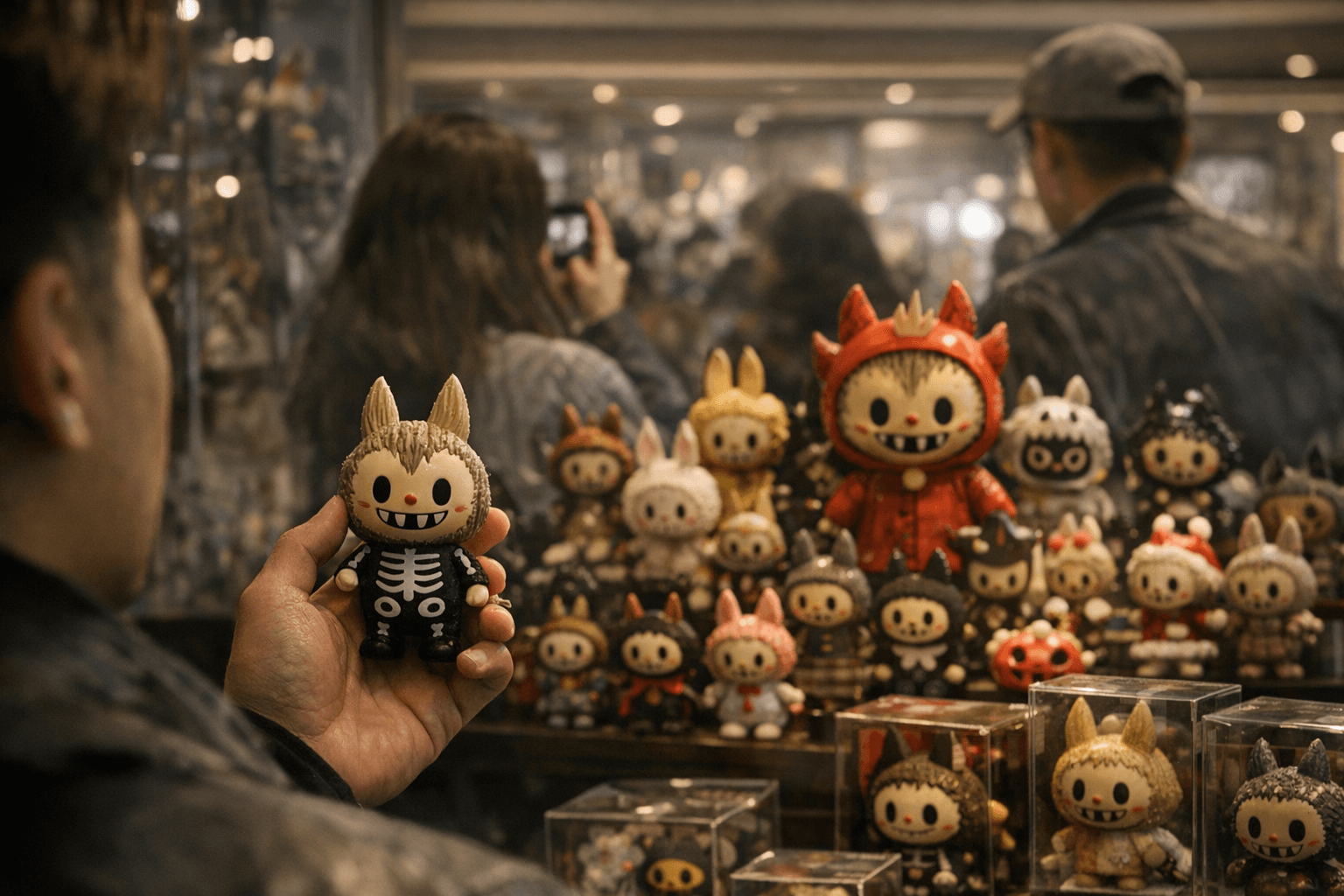
The 10th anniversary analysis engages with that tension directly, examining whether the viral surge translated into durable collector behavior or whether it represented a temporary inflation of the numbers. The synthesis of retention measures against sales indices is precisely the methodology you would use to answer that question, tracking not just who bought during the peak but who remained active afterward.
The evidence, read through the Global Designer Toy Index data, points toward durability rather than deflation. That outcome is not guaranteed for every IP that catches a viral moment; it reflects something specific about how Labubu was positioned, the depth of the character design, the cadence of new releases, and the community infrastructure that built up around trading and collecting over time.
Why Character Depth Matters for Longevity
One consistent finding in collectible market analysis is that characters with narrative and visual depth outperform those defined primarily by trend alignment. Labubu has always had the former. Kasing Lung's source material is rich enough that different collectors can connect with the character for entirely different reasons: the folklore references, the illustration quality, the specific colorways of a limited release, the tactile experience of a particular material finish.
That layered appeal creates a collector base that segments naturally. Hardcore completionists chasing every variant coexist with casual buyers who own two or three pieces they particularly love. Both groups contribute to the market, but the completionists in particular generate the sustained secondary market activity that keeps an IP's index performance elevated between major release cycles.
The 10-year mark coincides with Pop Mart's broader international expansion, which means Labubu's collector base is still genuinely growing in markets where the character is relatively new. That geographic spread is an underappreciated factor in the retention picture: global collector communities have different buying cycles and different release access, which creates ongoing demand across markets even when any individual market might be in a slower phase.
Where Labubu Stands at 10
Ten years in, the question most collectors are actually asking is not whether Labubu is still relevant, the queues and the resale premiums answer that, but where it goes from here. The anniversary phase typically functions as both a celebration and a commercial reset, an opportunity for a franchise to reintroduce itself to lapsed buyers, deepen engagement with active collectors, and signal what the next chapter looks like.
The trajectory documented in the March 2026 analysis suggests that Labubu enters its second decade from a position of genuine market strength rather than borrowed momentum. The Global Designer Toy Index figures, the collector retention data, and the sustained secondary market performance all point in the same direction. For a character that began as a forest spirit on the margins of the art toy world, that is a remarkable place to be standing at 10.
This article was produced by Prism’s automated news system from verified source data, official records, and press releases, then run through automated quality and moderation checks before publishing. The system is built and supervised by the people who set the standards it runs under. Read our full AI policy.
Did this article answer your question?