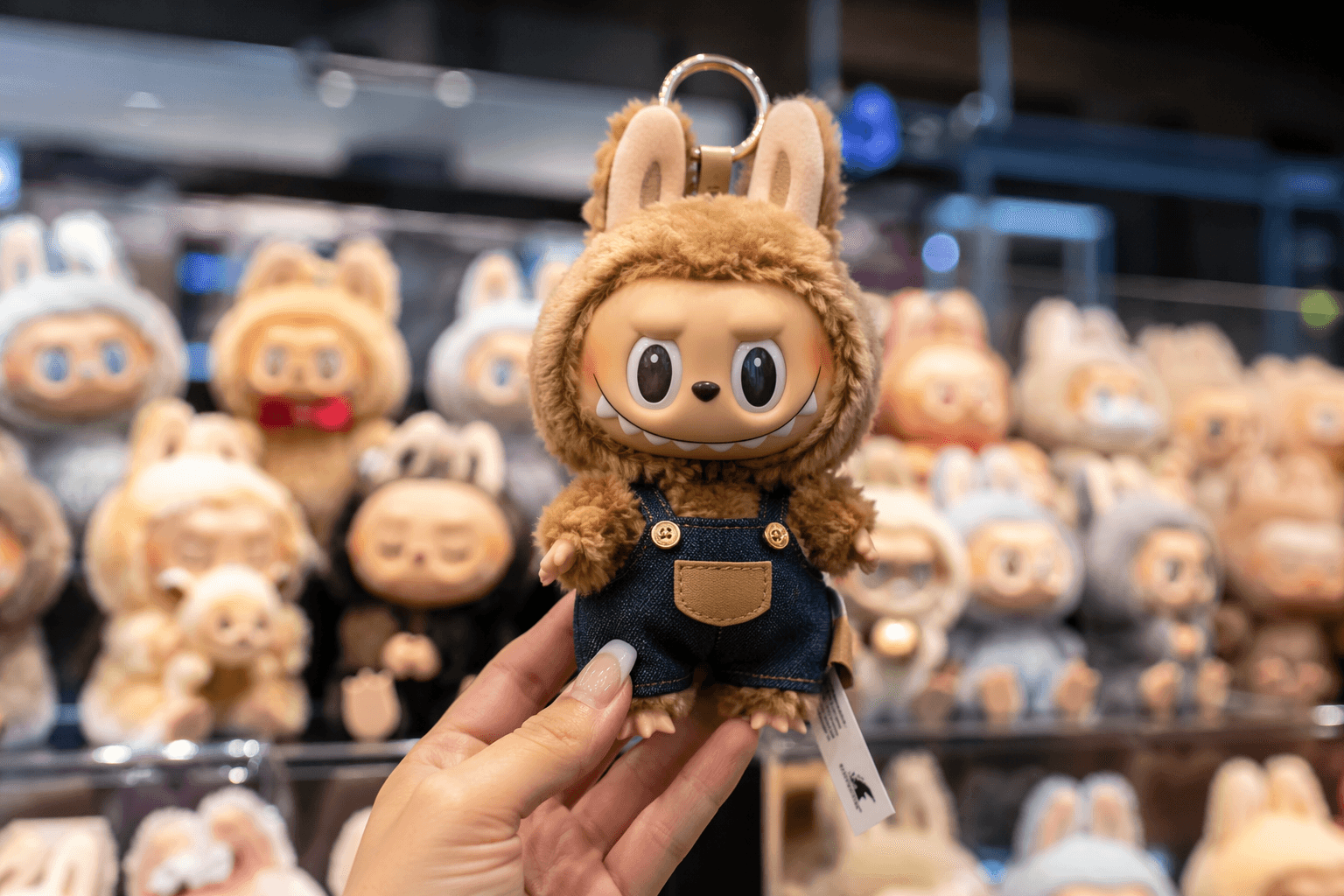
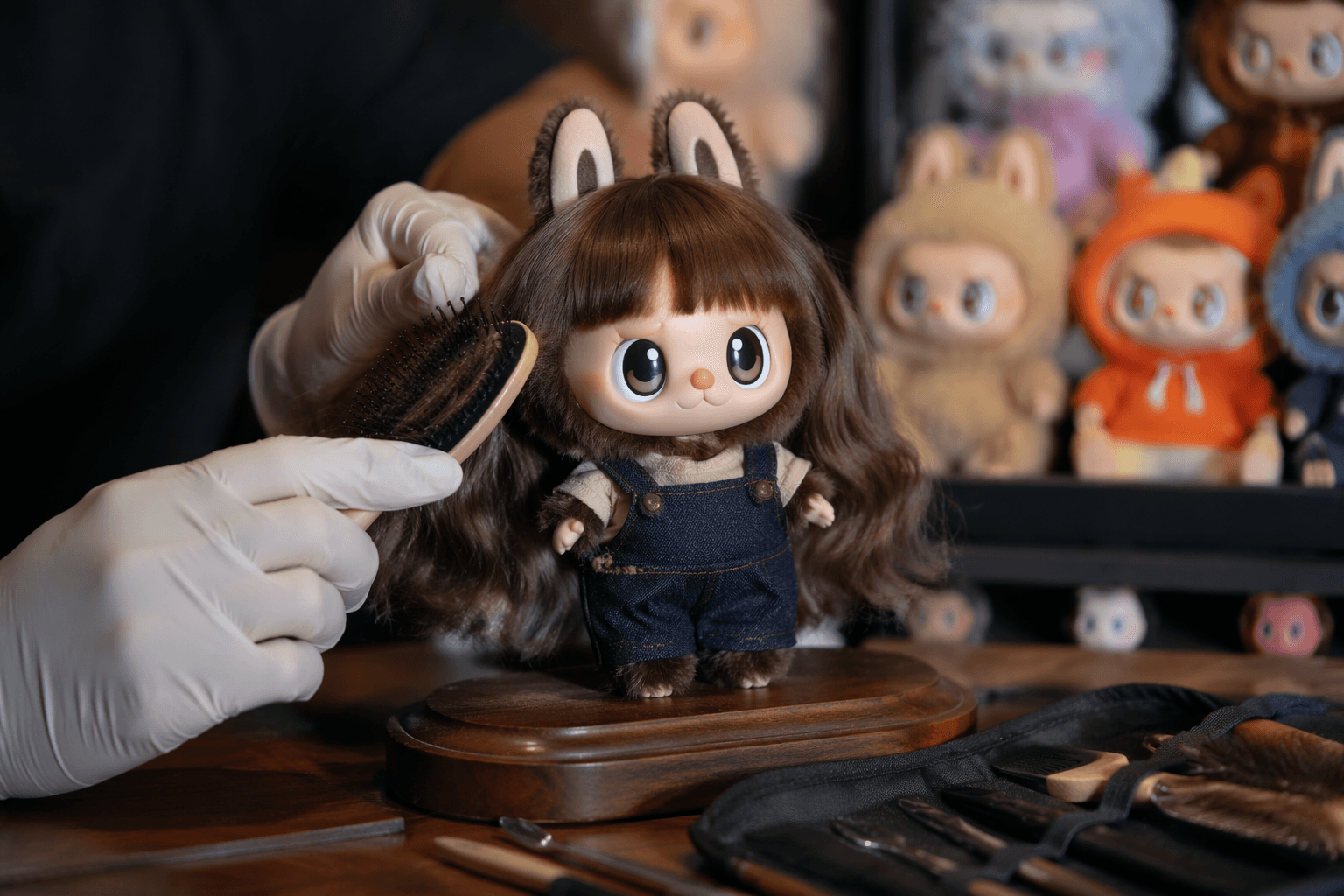
Pop Mart Spends $77 Million on Record Share Buyback After Labubu Selloff
A two-day rout wiped billions from Pop Mart's market cap. The company's response: its largest share buyback ever, at HK$599.7 million ($77M), while short interest stayed near multi-year highs.
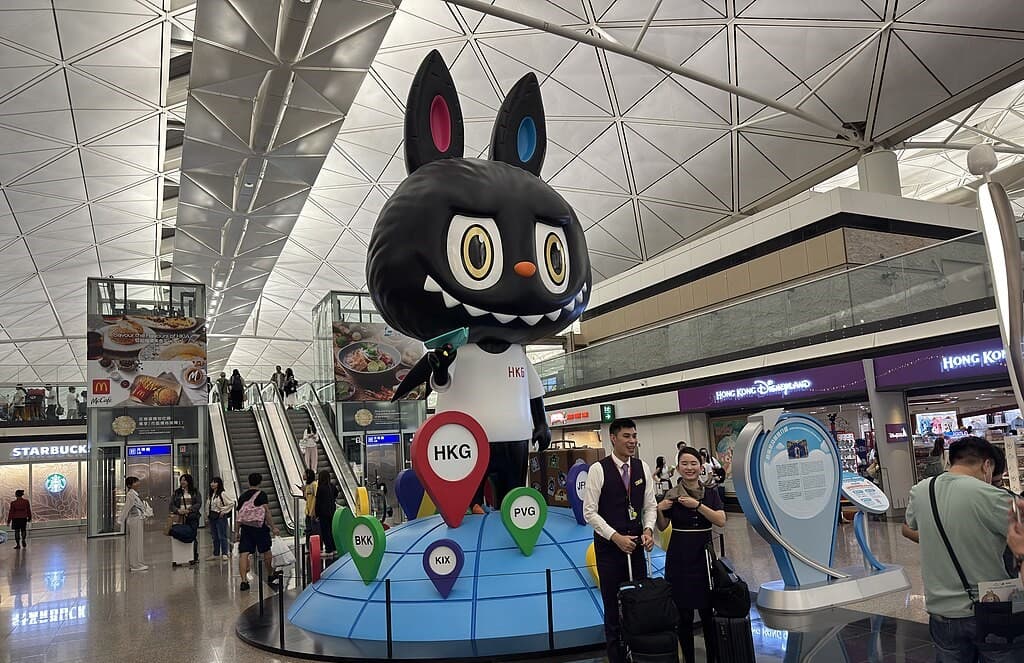
Pop Mart's largest share buyback in company history came fast. After a two-day equity rout erased billions from the toymaker's Hong Kong-listed market capitalization, the company behind Labubu filed to repurchase 3.94 million shares for HK$599.7 million, roughly US$76.6 million, through Hong Kong trading channels on March 26 and 27.
The move worked, briefly. Shares climbed as much as 4.1% intraday following the Hong Kong Stock Exchange filing, offering a flash of relief after what analysts and data providers described as a historic sell-off driven by two specific fears: that Pop Mart had grown too dependent on Labubu as a single IP, and that the pace of growth was not sustainable without meaningful new franchises gaining traction.
This was Pop Mart's third buyback of 2026. The company had already spent roughly HK$347 million on repurchases in January, a round that coincided with a rally earlier in the year. The late-March action, far larger in scale, brings the combined buyback spend for 2026 to well over HK$940 million. That is real corporate cash deployed specifically because management believes the share price no longer reflects the company's actual value.
For collectors watching the Labubu secondary market, the signal worth reading is not the stock price recovery. It is the pressure Pop Mart is now operating under to prove the franchise can sustain global demand. Analysts were already cutting price targets before the buyback. Short interest, tracked by S3 Partners, was sitting near multi-year highs even after the 4.1% bounce, meaning institutional skepticism was not erased by a single repurchase filing.
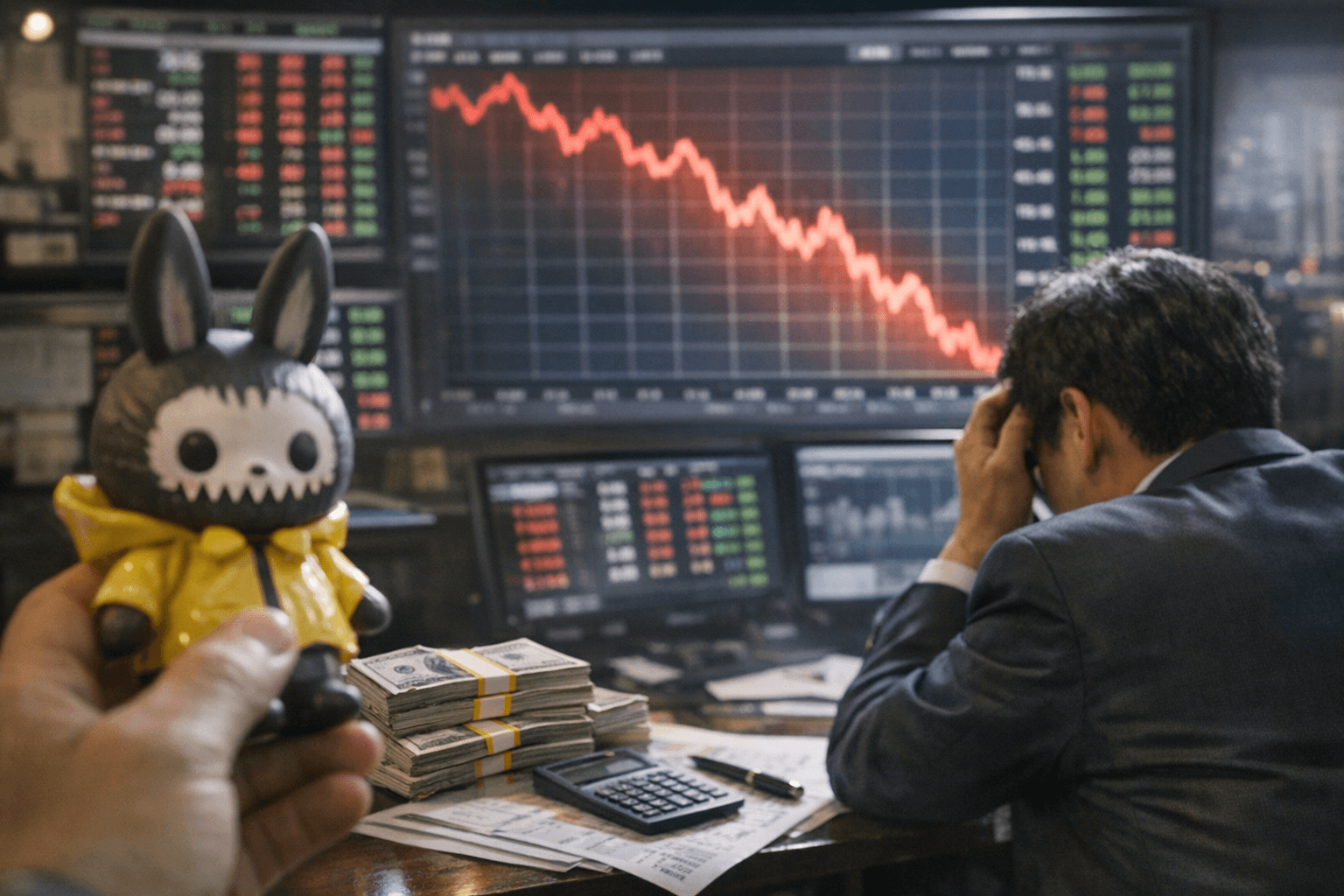
What that corporate pressure translates to practically: expect Pop Mart to push harder on visibility for any upcoming Labubu drops and licensed collaborations over the next 30 to 90 days. A management team spending $77 million to defend its share price has every incentive to make the next major release land loud. Release cadence, promotional intensity, and retail inventory allocation for key markets are all levers the company can pull to demonstrate that demand hasn't cooled.
The reseller market picked up that signal almost immediately. When a parent company's stock is in freefall over questions about whether a single character can carry an entire publicly traded business, the premium attached to rare Labubu variants gets volatile. Sellers who bought at secondary-market peaks in early 2026 are now watching corporate finance news in a way that would have seemed absurd two years ago.
Buybacks don't fix product risk. If Labubu demand softens or new IP launches fail to attract equivalent fandom, repurchasing shares only slows a decline rather than reversing it. But Pop Mart has made the scale of its commitment to the franchise unmistakably clear: the company spent nine figures in a single week to defend that bet.
This article was produced by Prism’s automated news system from verified source data, official records, and press releases, then run through automated quality and moderation checks before publishing. The system is built and supervised by the people who set the standards it runs under. Read our full AI policy.
Did this article answer your question?