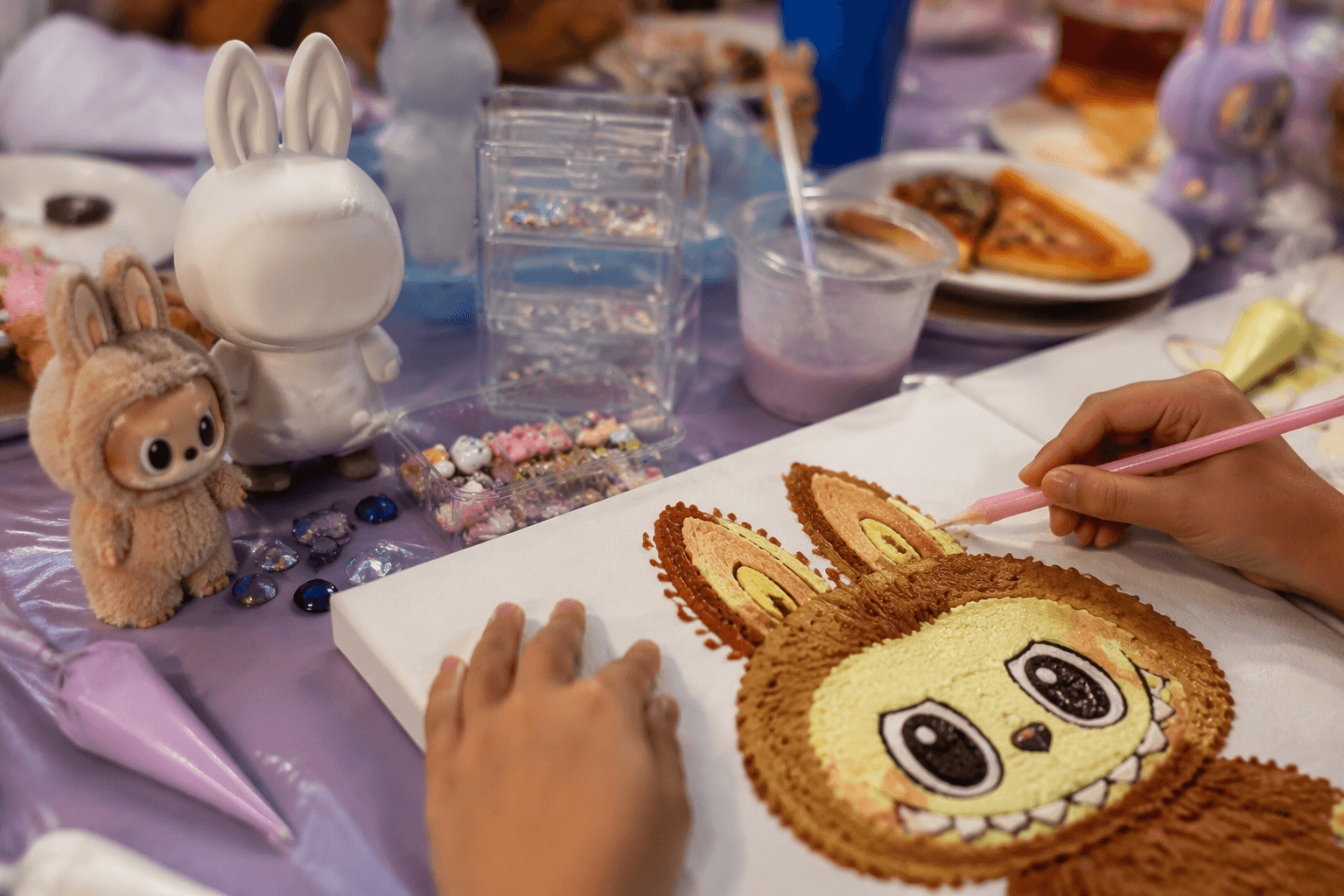
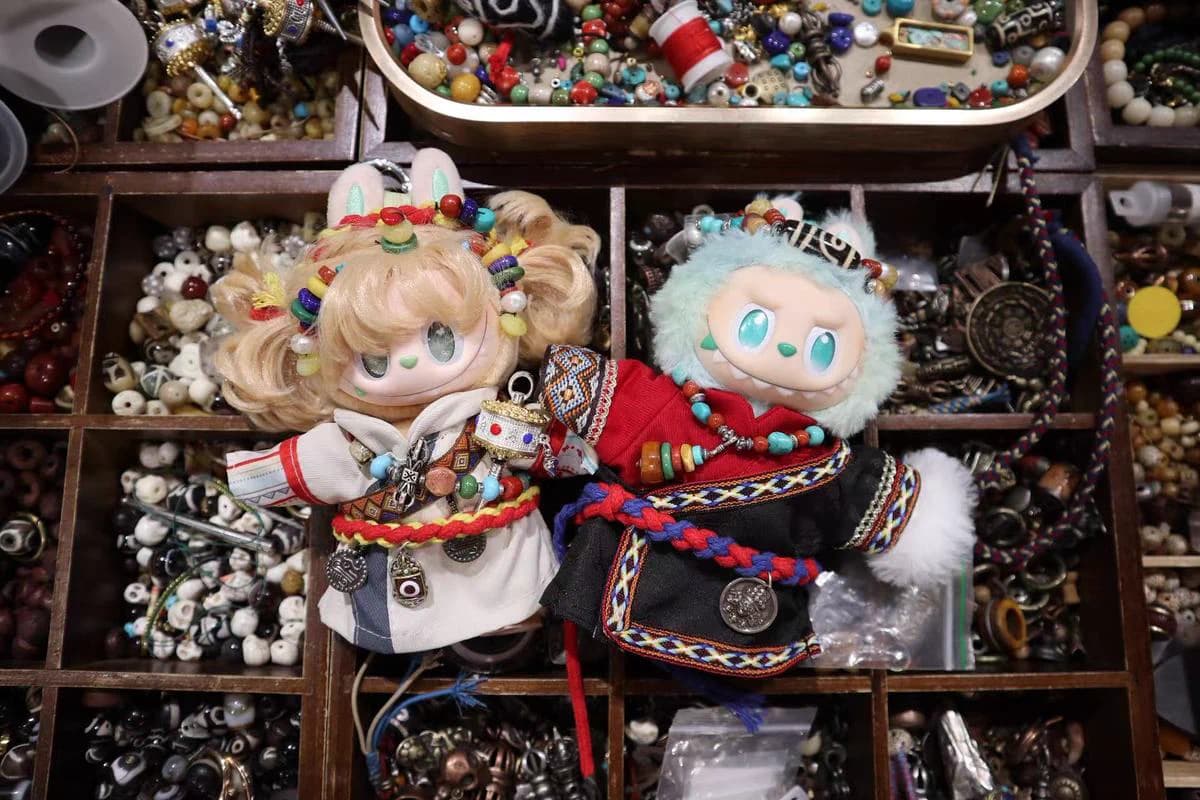
Rights groups press DHS to crack down on Labubu imports
Rights groups want DHS to detain Pop Mart Labubu shipments, a move that could slow U.S. restocks and tighten blind-box supply.
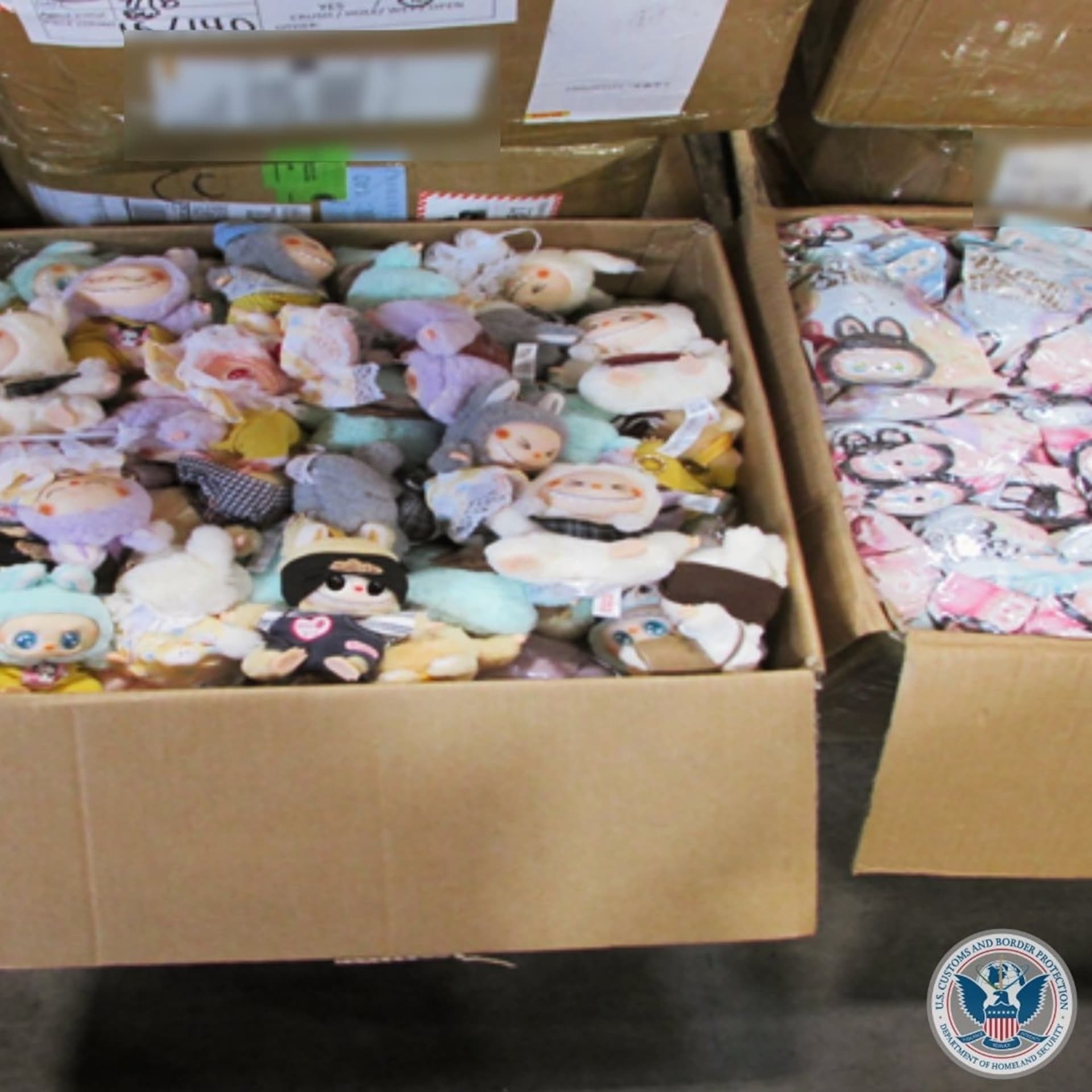
If DHS moves against Labubu imports, U.S. collectors would feel it first at checkout: slower restocks, riskier preorders, and a thinner flow of blind-box figures and plush keychains into the market. The pressure is now public, with the Victims of Communism Memorial Foundation and State Armor urging DHS to immediately detain and test Pop Mart shipments tied to factories in Guangdong, Hebei and Zhejiang. Their May 20 letter said independent testing found cotton linked to Uyghur forced labor in Xinjiang.
That push landed on top of an import regime built for exactly this kind of dispute. The Uyghur Forced Labor Prevention Act was enacted on December 23, 2021, and enforcement began on June 21, 2022. U.S. Customs and Border Protection says the law creates a rebuttable presumption against goods made wholly or in part in Xinjiang or by an entity on the UFLPA Entity List, and DHS says CBP can use Withhold Release Orders and related guidance to exclude or seize covered imports. If Pop Mart shipments get flagged under that system, the first squeeze would likely show up in U.S. retail replenishment and preorder fulfillment, with secondary-market prices rising as supply gets tighter.
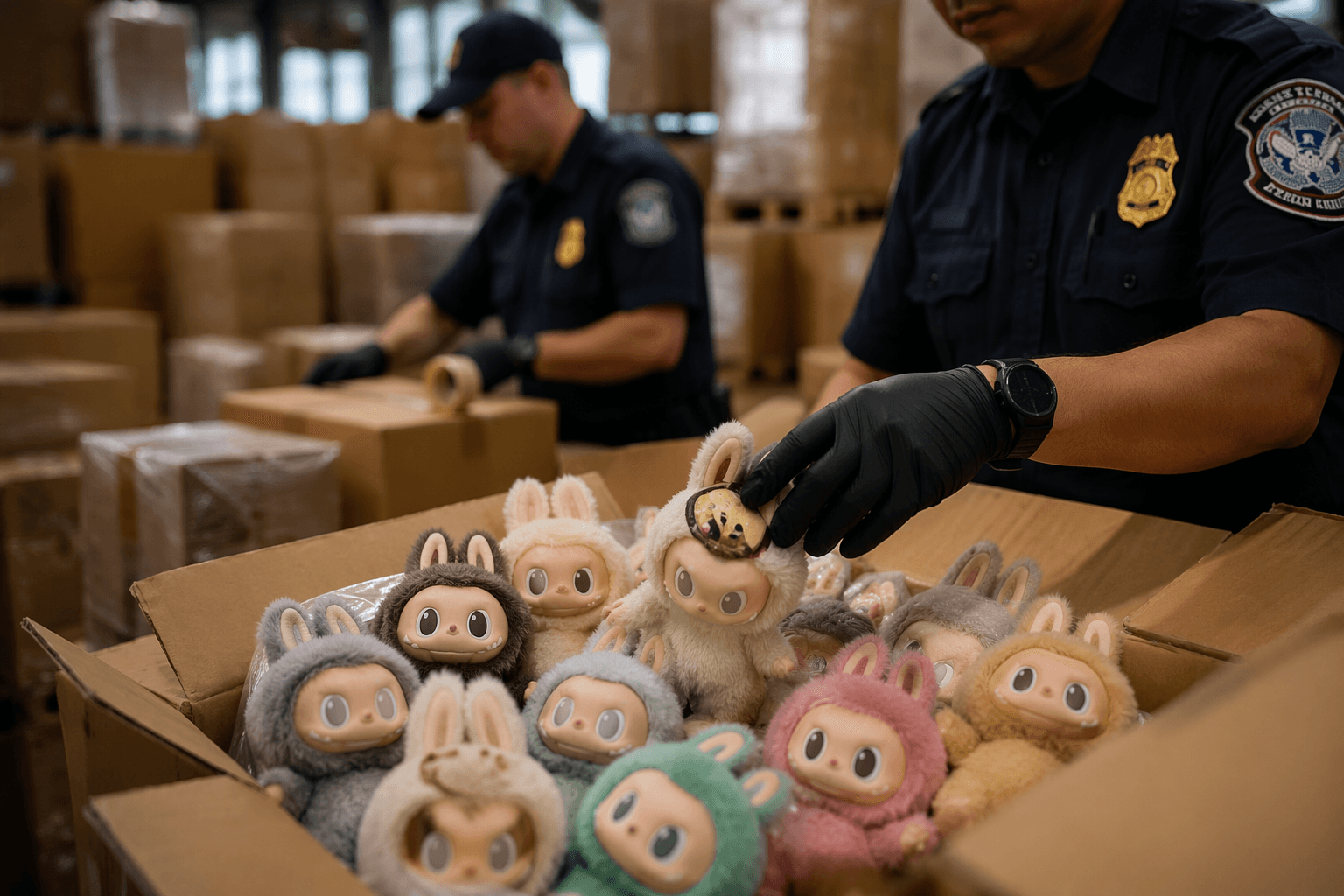
The allegation trail did not begin with one letter. Campaign for Uyghurs said it commissioned isotopic testing in June 2025, submitted information to CBP’s Forced Labor Allegation Portal in August 2025, and found that 16 of 20 Labubu dolls purchased in the United States contained cotton traceable to Xinjiang farms. The Victims of Communism Memorial Foundation later said its Labubu-focused report found the dolls sold in blind boxes across U.S. retail stores contained cotton tracing to Xinjiang as well.
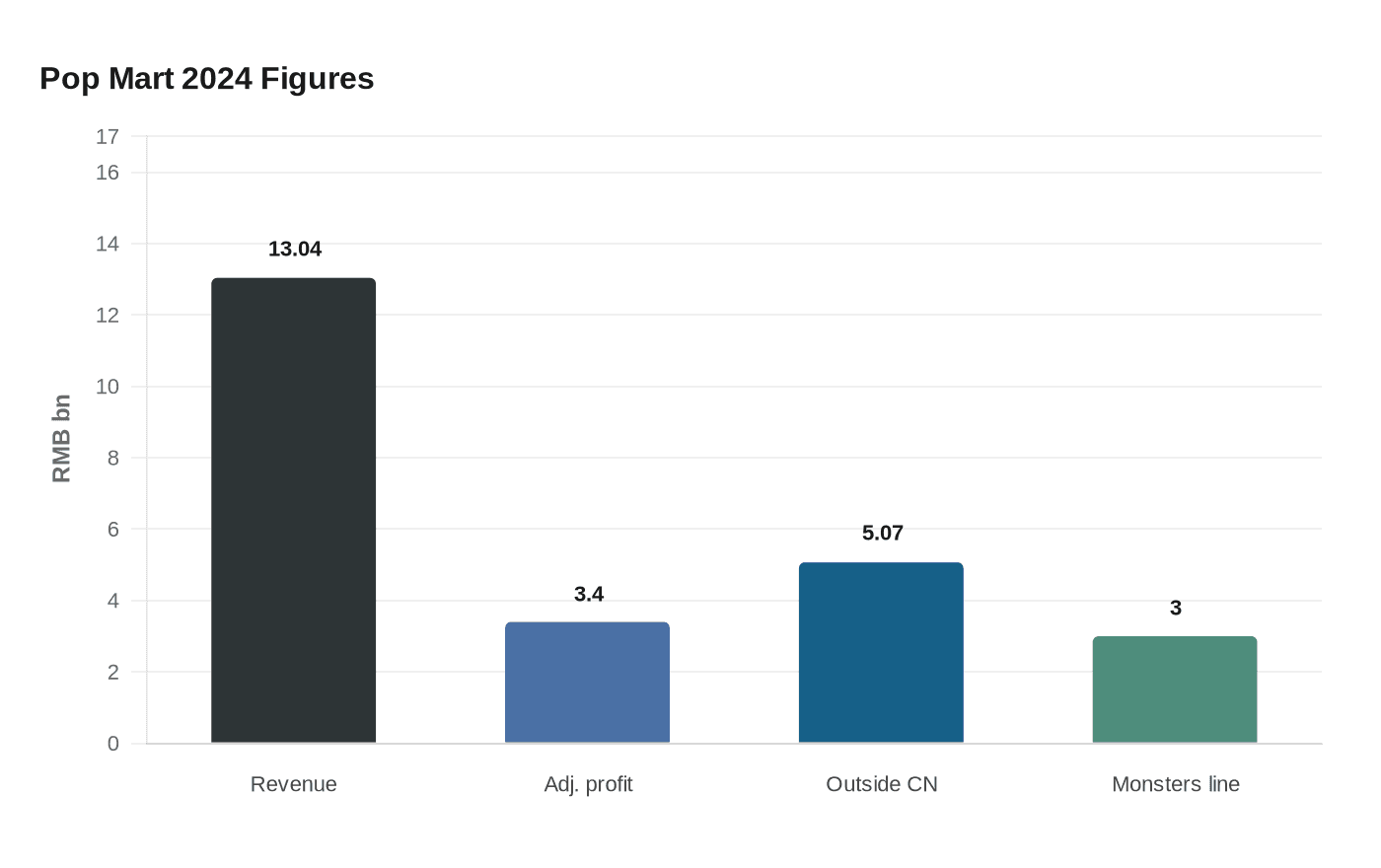
Pop Mart’s scale helps explain why the issue has become such a target. The company reported 2024 revenue of RMB 13.04 billion and adjusted net profit of RMB 3.4 billion, while revenue outside mainland China rose 375.2% year over year to RMB 5.07 billion. The Monsters line, which includes Labubu, generated about RMB 3 billion in 2024.
Labor scrutiny also reached deeper into the supply chain. China Labor Watch said its January 13, 2026 investigation of Shunjia Toys Co., Ltd. in Xinfeng County, Jiangxi Province found more than 4,500 workers, overtime far above legal limits, dispatched labor, opaque contracts and safety problems at a factory producing Labubu for Pop Mart. The brand is already familiar to U.S. regulators for another reason: the Consumer Product Safety Commission warned that counterfeit Labubu dolls can break apart and create choking hazards. For collectors, the next tell will not be sculpting or box art, but whether a new drop clears customs or stalls before it reaches U.S. shelves.
This article was produced by Prism’s automated news system from verified source data, official records, and press releases, then run through automated quality and moderation checks before publishing. The system is built and supervised by the people who set the standards it runs under. Read our full AI policy.
Did this article answer your question?