Las Vegas cigar lounges navigate strict licensing and smoke laws
In Las Vegas, a true cigar lounge is built around licensing and smoke-law carve-outs, not décor. The humidor, the smoking room, and the permit stack all have to fit the code.
Las Vegas cigar lounges live or die by regulation. The best ones are not just bars with a decent humidor and a few leather chairs, but businesses that fit a narrow legal lane shaped by city licensing, zoning, and Nevada’s smoke laws. That is why the room layout, the smoking permissions, and the business model all matter at once.
What separates a lounge from a bar
The City of Las Vegas Business Licensing Division’s Form PL126 is the clearest roadmap. Revised on 12/10/2019, it treats a smoke shop and a smoking lounge as distinct categories, which tells you a lot about how the city sees these places. Under LVMC 6.82.010, a smoke shop is a business whose principal or primary activity is the sale of tobacco paraphernalia or designated substances, or that holds itself out as doing that work. A smoking lounge is its own category, not just a decorative add-on to another venue.
That distinction is the heart of the Las Vegas cigar scene. A venue can stock premium sticks, build out a polished humidor, and still miss the mark if its classification does not match what it actually does day to day. The lounge identity comes from how the business is licensed and operated, not from the look of the chairs or the labels on the shelves.
Why the smoke laws changed the playbook
The Nevada Clean Indoor Air Act set the baseline. Southern Nevada Health District guidance says it went into effect on December 8, 2006, and was passed to protect the public from secondhand smoke. Then the state tightened the frame again, and effective January 1, 2020, vapor products, electronic cigarettes, and tobacco smoking were no longer allowed in most public places and indoor places of employment.
That change matters because cigar rooms do not exist in a legal vacuum. A 2019 Associated Press report described Nevada’s new law as expanding the clean-air law to cover vaping products and electronic cigarettes in most public places and indoor workplaces. For operators, that pushed even more weight onto the exceptions built into law and onto how carefully the business is structured. For customers, it is the reason the real lounge experience often feels so deliberately designed: the good ones are built for compliance first and atmosphere second.
How the room gets designed around the law
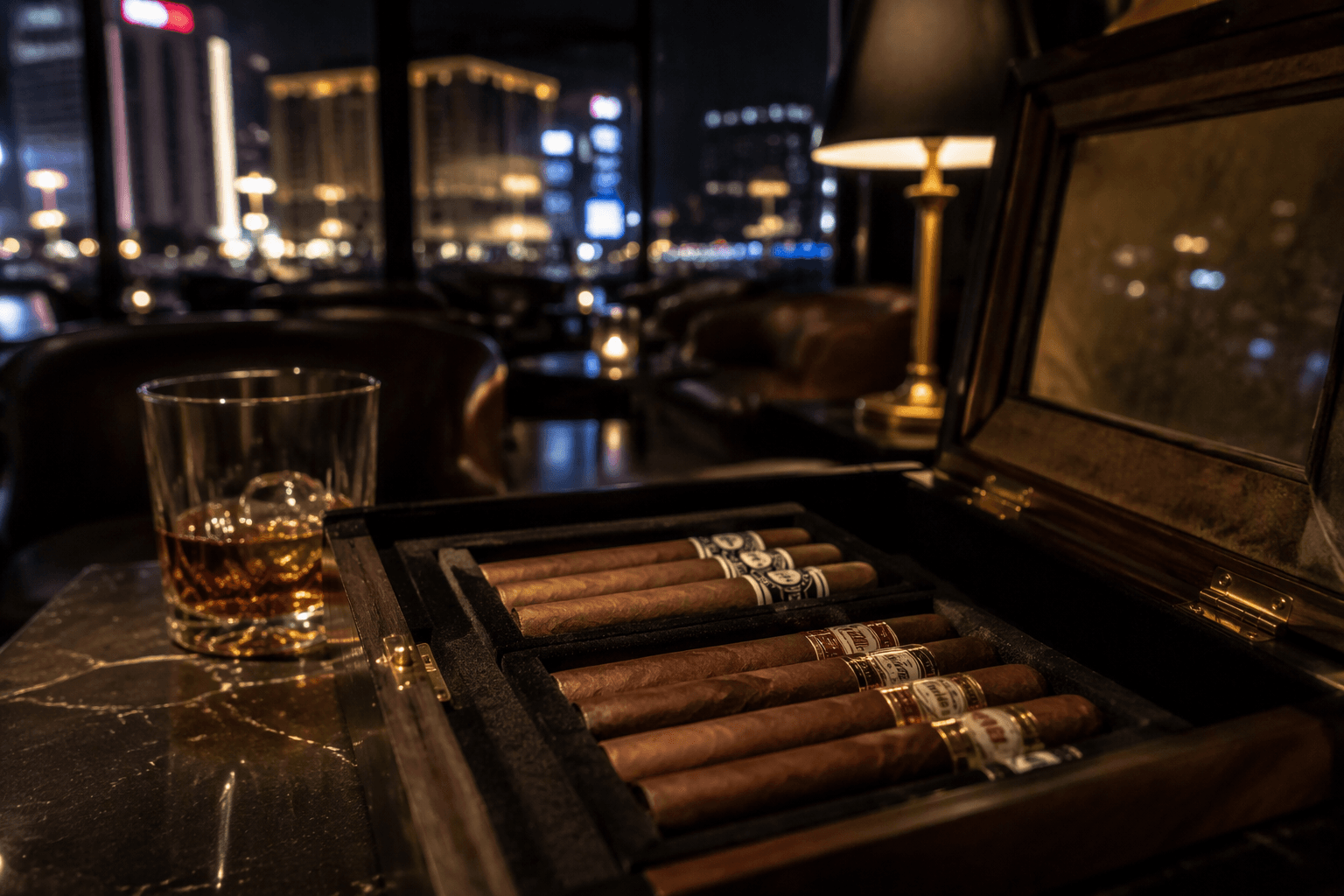
This is where Las Vegas cigar lounges get interesting in practical terms. A serious lounge has to protect inventory from the desert climate, keep the air workable for guests, and still preserve the social feel that makes cigar time worth the money. That is why the stronger venues tend to be purpose-built spaces rather than improvised corners of restaurants or bars.
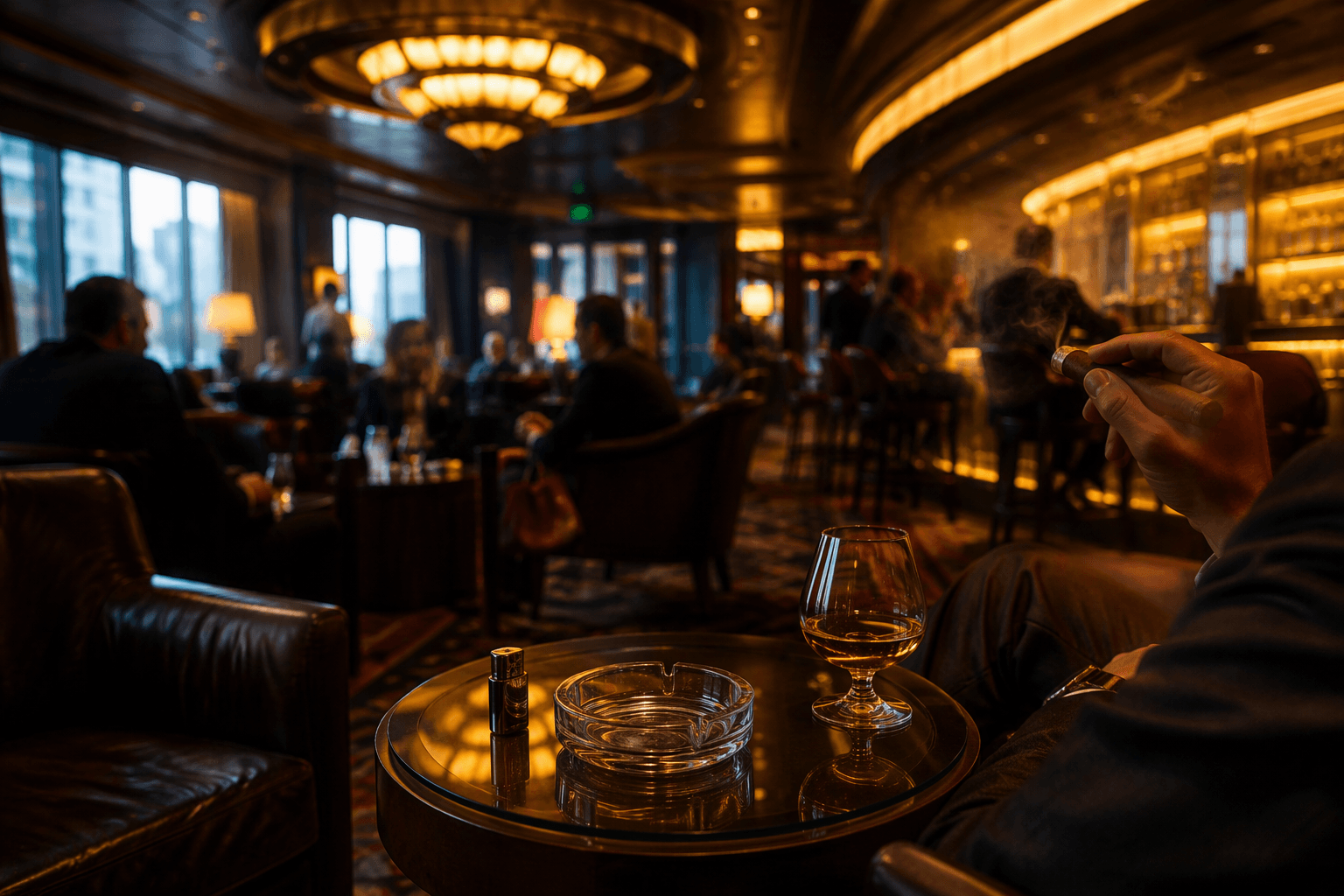
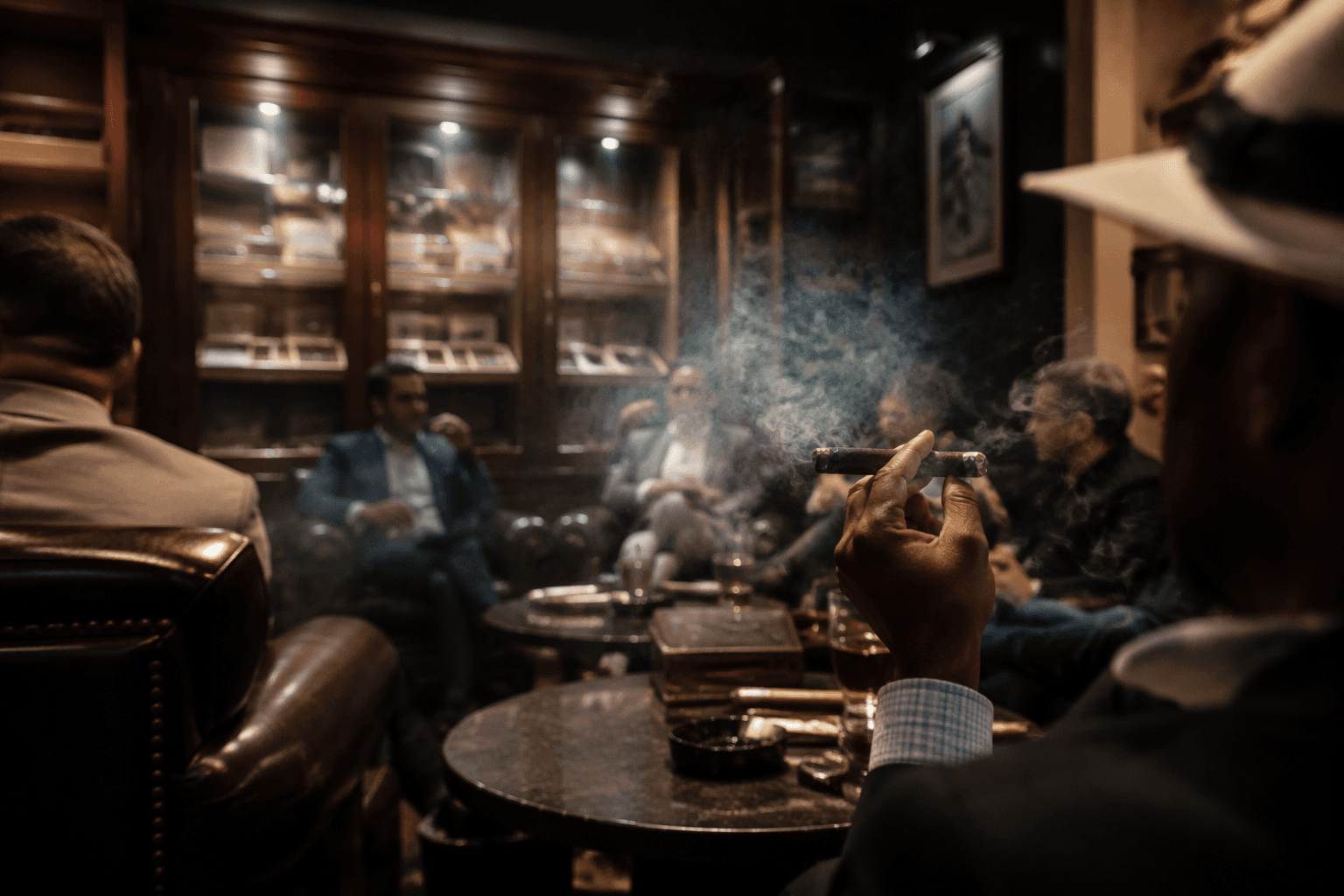
In practice, that means you see walk-in humidors, dedicated smoking rooms, separate lounge areas, and sometimes outdoor spaces. Those choices are not just style points. They are part of the operating model that lets the business keep cigars in condition, keep guests comfortable, and stay aligned with local rules. If the humidification is sloppy or the smoking area is an afterthought, the whole experience suffers fast.
- Walk-in humidors help protect stock in a dry climate.
- Dedicated smoking rooms make the use case obvious to regulators and customers alike.
- Separate retail and lounge areas help a venue stay organized as both a seller and a smoking destination.
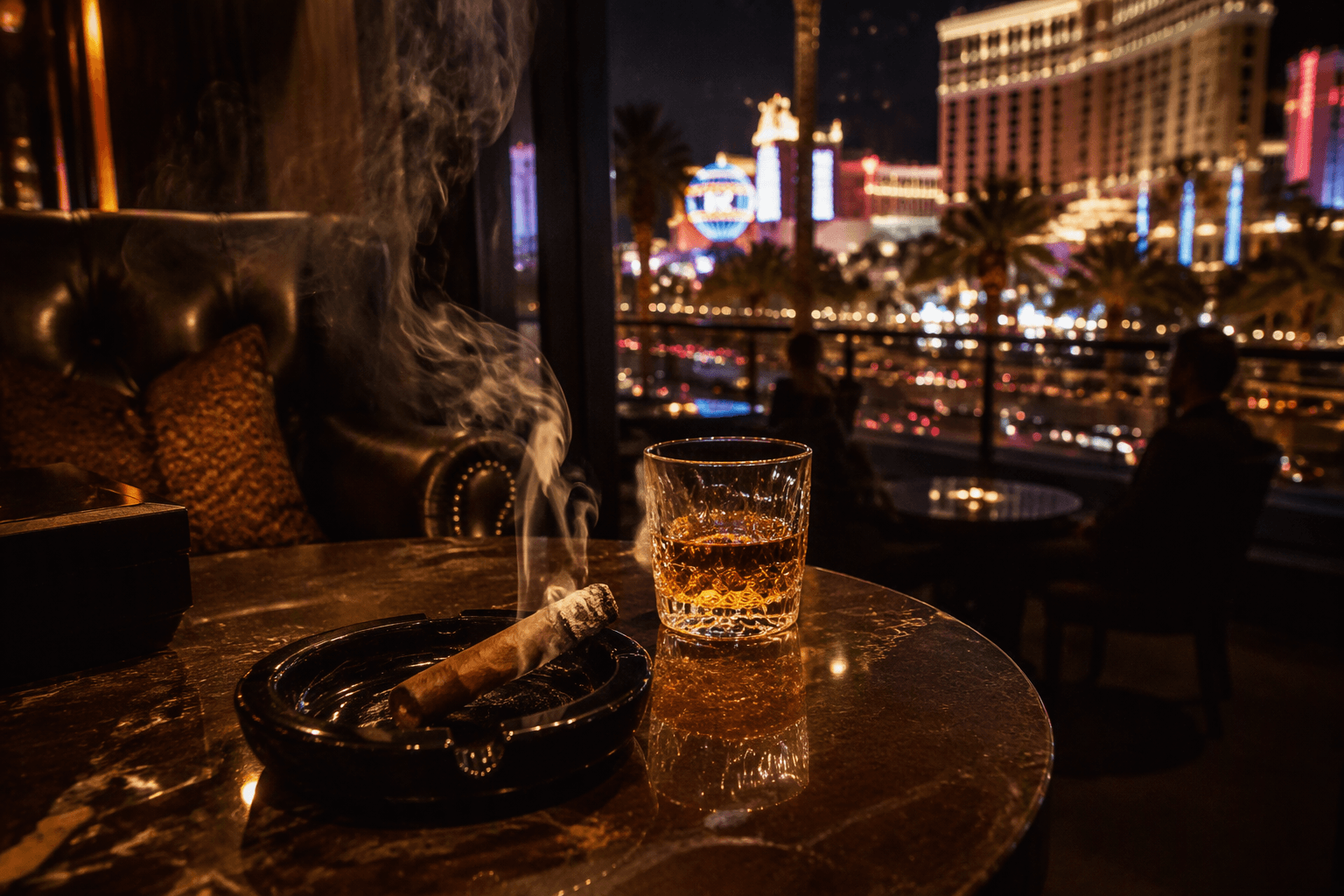
- Outdoor areas can be part of the solution where the layout and rules allow it.
The point is simple: in Las Vegas, the room itself is part of the compliance strategy.
The city has kept revising the rulebook
The rules around these businesses have not stayed frozen. The City of Las Vegas smoke lounge and smoke shop content packet from February 22, 2023 says Chapter 6.82 was amended to relate to smoking lounges and smoke or vape shops, with related zoning provisions revised as well. That tells you the city is still refining where these businesses can go and how they are classified.
For owners, that means the license stack and land-use planning are not paperwork afterthoughts. For customers, it explains why two venues that both sell cigars can feel completely different. One may be built as a true lounge from the start, while another may be constrained by zoning, licensing, or a narrower business classification that shapes what happens on the floor.
The licensing layer is part of the business model
Clark County adds another piece to the puzzle. Its general business license guide says fees are based on the services and activities provided, with a one-time $45 application fee added to each license fee. It also says a business may need multiple licenses if it provides more than one service.
That is a big reason cigar lounges in Las Vegas look like specialty operations rather than generic hospitality spaces. A venue that combines retail sales, lounge service, and smoke-related activity may have to clear more than one licensing hurdle. The business model is therefore part cigar shop, part hospitality room, and part compliance project, all before the first cutter comes out of the drawer.
Why the authentic lounges stand out
The venues that feel right are the ones that were built to answer the regulation, not work around it. They have the humidor where it belongs, the smoking permission that matches the use, and the license structure to back it up. That is also why the city’s checklist and the state’s smoke law matter so much to regulars: they determine whether a place is a true cigar lounge or just a bar with tolerated smoke.
Las Vegas has plenty of places that can sell you a cigar. The difference with a real lounge is that the whole operation, from LVMC 6.82.010 to the Clean Indoor Air Act to the Clark County fee structure, has been arranged so the experience can survive scrutiny. That is the part most visitors never see, but it is exactly what keeps the better rooms feeling intentional from the humidor door to the last puff.
This article was produced by Prism’s automated news system from verified source data, official records, and press releases, then run through automated quality and moderation checks before publishing. The system is built and supervised by the people who set the standards it runs under. Read our full AI policy.
Did this article answer your question?