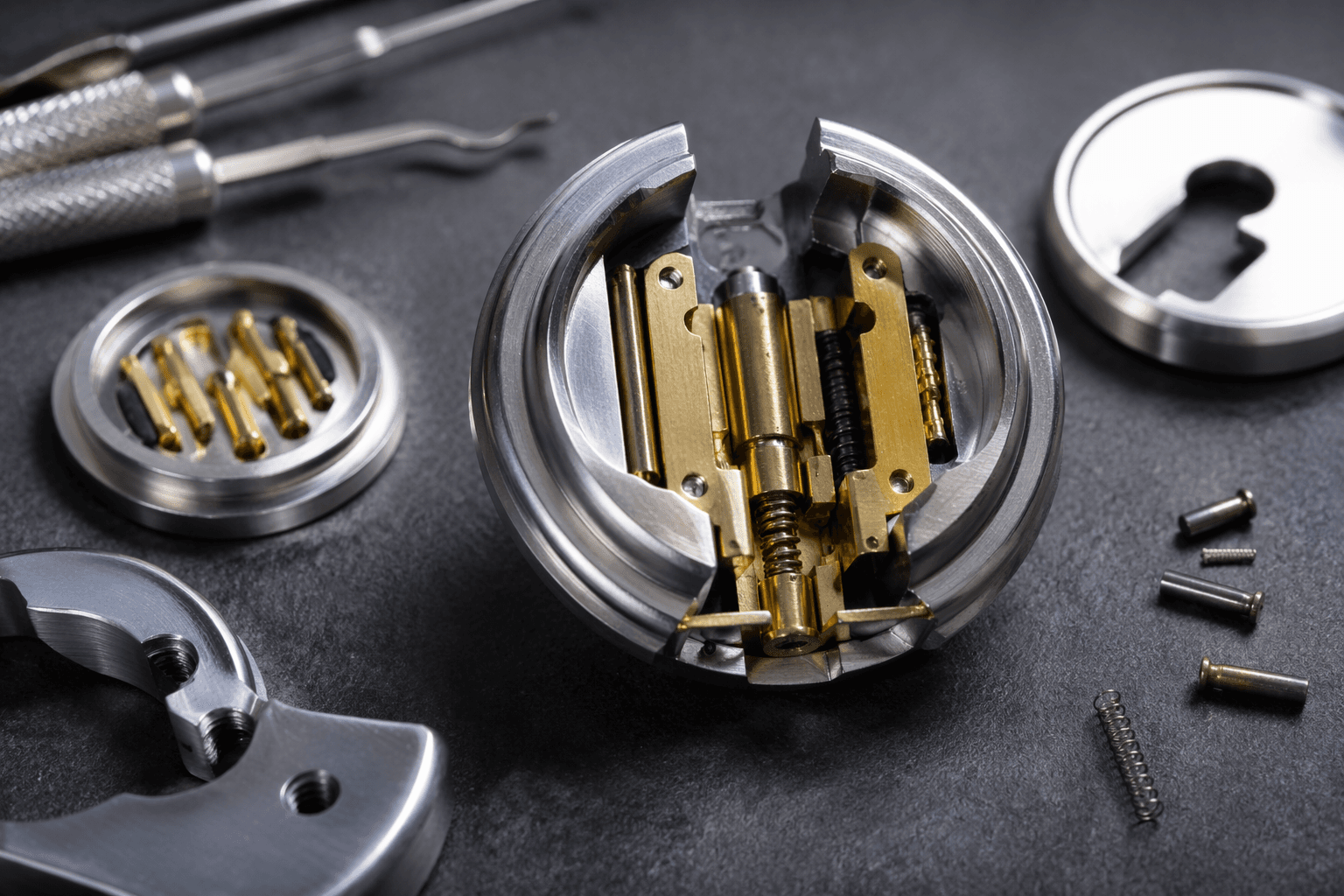
Best tube lock pick sets for tubular locks and Ace locks
Tubular work rewards the right service tool, not the biggest kit. These five picks show when a tubular set beats a standard lockpick folder.
Tubular locks still matter because they show up where access control meets daily wear: vending machines, ATMs, amusement machines, bike locks, lockers, safes, kiosks, and industrial enclosures. The best buy is not the flashiest kit, it is the one that matches the lock family, the service job, and the level of control you need over who gets in.
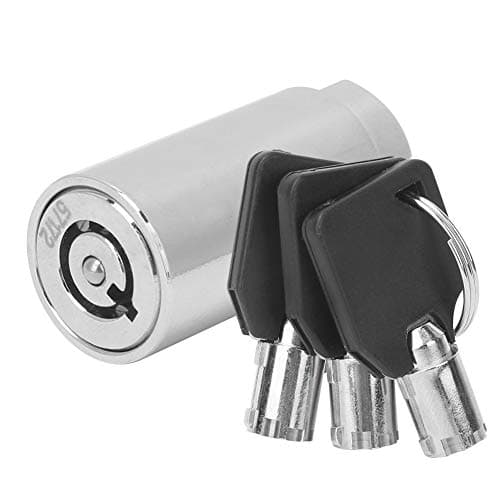
1. Vending Machine Lock Pick Tubular Lock Set
This is the strongest all-around pick for anyone servicing coin-op and vending gear, because it is built around the exact use case tubular locks are known for. The set ships with one lock set plus three unique keys, which makes it a smart choice when you are managing multiple machines and need to reduce cross-access between routes or technicians.
Its zinc alloy body and chrome plating give it the durability and corrosion resistance you want in soda and snack machines that get opened over and over. If your work is centered on Ace-style tubular cylinders used in vending and high-traffic kiosks, this is the most directly relevant option in the lineup.
2. Lock Monkey hollow stainless steel cylinder cap removal tool
For rekeying and disassembly work, this is the most practical specialist tool in the group. Vendor listings place it in the Schlage, Weiser, Arrow, and Falcon ecosystem, and that matters because service work often starts with the cylinder family, not the lock face.
The hollow stainless steel build is a better fit for maintenance than general-purpose picking, especially when you care more about speed, fit, and repeatable service than about carrying a larger kit. If your day involves access control hardware, cabinet work, or cylinder changes, this is the tool that fits the job title most cleanly.
3. Schlage Cylinder Cap Removal Tool, LAB LCR005
This is the pick for locksmiths and maintenance techs who want a documented, purpose-built cap removal option for common cylinder families. Vendor listings confirm coverage for Schlage, Weiser, Arrow, and Falcon cylinders, and that broad compatibility makes it more versatile than a one-brand specialty tool.

Its real value is workflow efficiency: it is designed to save time on cap removal, which is where service jobs can slow down if the wrong tool is in the bag. For readers who treat tubular work as part of a larger maintenance routine rather than a lockpicking hobby, this is one of the most useful support tools on the list.
4. Choke Tube Removal Tool
This is the niche choice for quick release and maintenance tasks where the job is closer to field service than to traditional picking. It earns a spot because tubular work often sits inside a broader equipment-service workflow, and the right removal tool can matter more than a more elaborate pick profile.
If you are moving between mechanical repair, access hardware, and small-format service work, the appeal here is speed and simplicity. It is not the broadest option, but it is the kind of specialty tool that earns its place when the hardware, not the lock itself, is the problem.
5. 2PCS CarbonSteel Hook Tool and Pick Set, plus the Set of 10 Stainless Steel Precision Micro Pick Set
These are the precision-first options for users who want finer control rather than a dedicated tubular service kit. The carbon-steel hook set is aimed at automotive and mechanical repair, while the 10-piece stainless steel micro pick set leans toward detailed work where small tolerances and careful handling matter.
They are the least specialized picks for Ace-style tubular cylinders, but they still belong on a buyer’s list because not every job starts with a full tubular setup. When the task is light-duty, component-level, or mixed across mechanical systems, these sets give you a compact way to stay prepared without overbuying.
Tubular locks deserve their own buying logic because the format is older, common, and still deeply tied to real service environments. Chicago Lock Company’s Ace II tubular lock uses a circular pin tumbler design for vending machines and high-traffic kiosks, while CompX Chicago traces ACE II tubular production back to 1920 and the Ace trademark to 1933, which explains why the format is still so closely linked to vending and coin-op hardware. That history is exactly why the best tool is usually the one that fits the cylinder family, the maintenance task, and the access rules in front of you, not the biggest kit on the shelf.
This article was produced by Prism’s automated news system from verified source data, official records, and press releases, then run through automated quality and moderation checks before publishing. The system is built and supervised by the people who set the standards it runs under. Read our full AI policy.
Did this article answer your question?