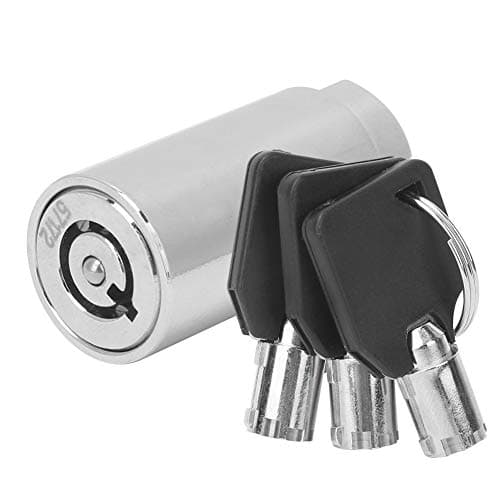
LockPickingLawyer tests Kwikset Nothing Burger disc lock, finds little security
LockPickingLawyer’s 2:19 teardown turns Kwikset’s disc lock into a fast test of marketing versus mechanism, and the gap looks wide.
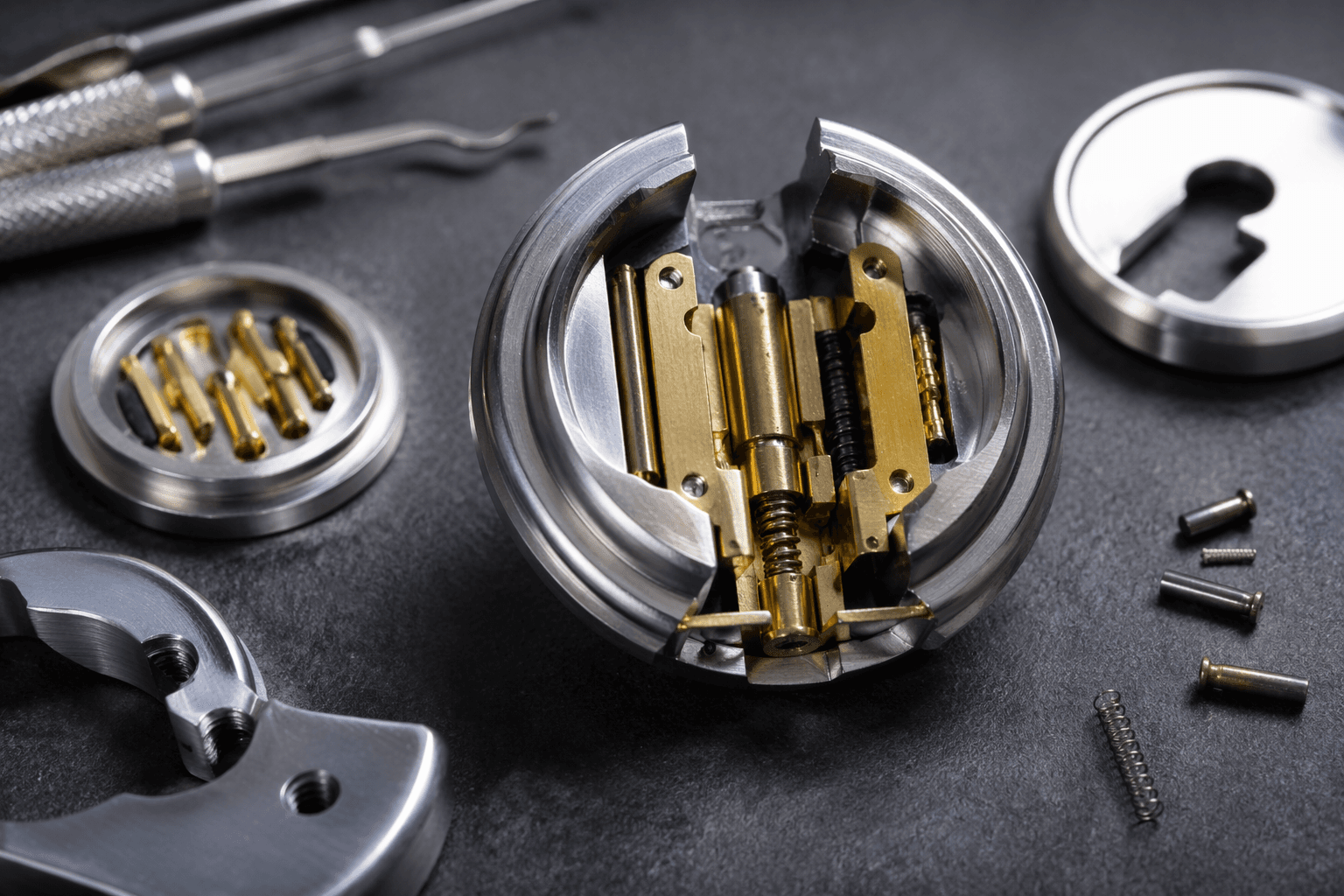
LockPickingLawyer’s latest quick hit takes aim at a lock that promises outdoor seriousness and lands on the channel’s favorite question: is there real security behind the sales copy, or just a heavy shell? In 2:19, the answer is framed less like a drama and more like a consumer warning, the kind that can change how a lot of people look at a product category after one short clip.
A familiar warning in a very short package
The channel has built its reputation on that exact kind of demonstration. LockPickingLawyer says its purpose is to educate consumers about weaknesses and defects in security devices so they can make better security decisions, and with 4.67 million subscribers and more than 1.6K videos, even a brief upload can carry real weight in the lock world. A title like “Kwikset’s Nothing Burger Disc Lock” tells you the tone before the first tool comes out: the point is not to admire the finish, but to see whether the lock earns the confidence implied by its branding.
That matters because this is not some obscure anonymous import. Kwikset is a major residential hardware name, and a disc-style lock from that brand reaches beyond locksport circles into places where people actually depend on it, like storage units, roll-up doors, gates, trailers, jobsites, and outdoor storage. When a familiar brand puts its name on a product like this, the video stops being just a picker’s curiosity and becomes a test of whether the everyday buyer is being sold substance or silhouette.
What Kwikset says the lock is supposed to be
Kwikset’s current discus padlock presentation leans hard into physical protection language. The product page describes a fully shrouded stainless-steel body, a boron-carbide shackle, a covered keyway, a reinforced body bumper, and a key-retaining design, all features meant to signal that the lock is built for hard use and awkward attack angles. The company also says the lock is intended for storage units, roll-up doors, gates, trailers, jobsites, and outdoor use, which places it squarely in the market where buyers expect more than a decorative barrier.
That marketing is paired with a limited lifetime warranty and trust-forward branding, including the claim that it is “a brand you can trust.” In other words, Kwikset is not selling this as a novelty or a light-duty convenience lock. It is presenting the discus padlock as a serious piece of hardware, and that makes a fast teardown especially revealing when the result feels more like a hollow promise than a stubborn mechanism.
Kwikset’s wider company story helps explain why that message lands so broadly. Its product line stretches across deadbolts, knobs, levers, handlesets, electronic keyless locks, smart locks, and padlocks, which makes it one of those brands that lives comfortably in the average hardware aisle and the homeowner’s mental shortcut for “recognizable lock company.” The company history page says Black & Decker purchased Emhart, including Kwikset, in 1989, and later bought Baldwin Hardware and Weiser Lock in 2003, reinforcing the sense that this is a mainstream hardware brand with mass-market reach, not a niche security house speaking only to specialists.
Why the pick matters to lockpickers and buyers alike
For locksport viewers, the interesting part is not simply that a disc lock got opened. Disc locks already live in a tricky category, where shrouding and shape can suggest toughness even when the real protection comes down to the internal mechanism, tolerances, and how much resistance the lock offers once someone competent starts working it. A lock that looks engineered for serious use but folds quickly is exactly the sort of object that becomes a benchmark for bad value.
That is why the video reads as more than a one-off takedown. The mismatch between Kwikset’s security language and the apparent result is the point, and it is the part that matters most to people choosing a lock for a gate, trailer, or storage door. A fully shrouded body and boron-carbide shackle sound reassuring on a product page, but a lock still has to survive real inspection, and LockPickingLawyer’s appeal is that he tests the thing buyers cannot see from the shelf.
The broader lesson is also consistent with how Kwikset has long positioned itself. The brand’s SmartKey Security line was marketed as the first DIY re-keying product on the market, and Kwikset says it lets customers rekey locks themselves in seconds without calling a locksmith. That convenience-first identity has helped make the name instantly recognizable, but it also means that when the company leans into “high-security” styling, the burden is on the product to back up the promise without relying on the logo alone.
This is where the “Nothing Burger” label does the most work. It is not just a joke about a short video, but a verdict on the gap between the lock’s appearance and the confidence it tries to project. The shell says one thing, the mechanism says another, and for anyone who cares about locks, that is the whole lesson in miniature: a brand can sell weight, shrouding, and trust, but a quick teardown still tells you whether there is anything substantial inside.
This article was produced by Prism’s automated news system from verified source data, official records, and press releases, then run through automated quality and moderation checks before publishing. The system is built and supervised by the people who set the standards it runs under. Read our full AI policy.
Did this article answer your question?