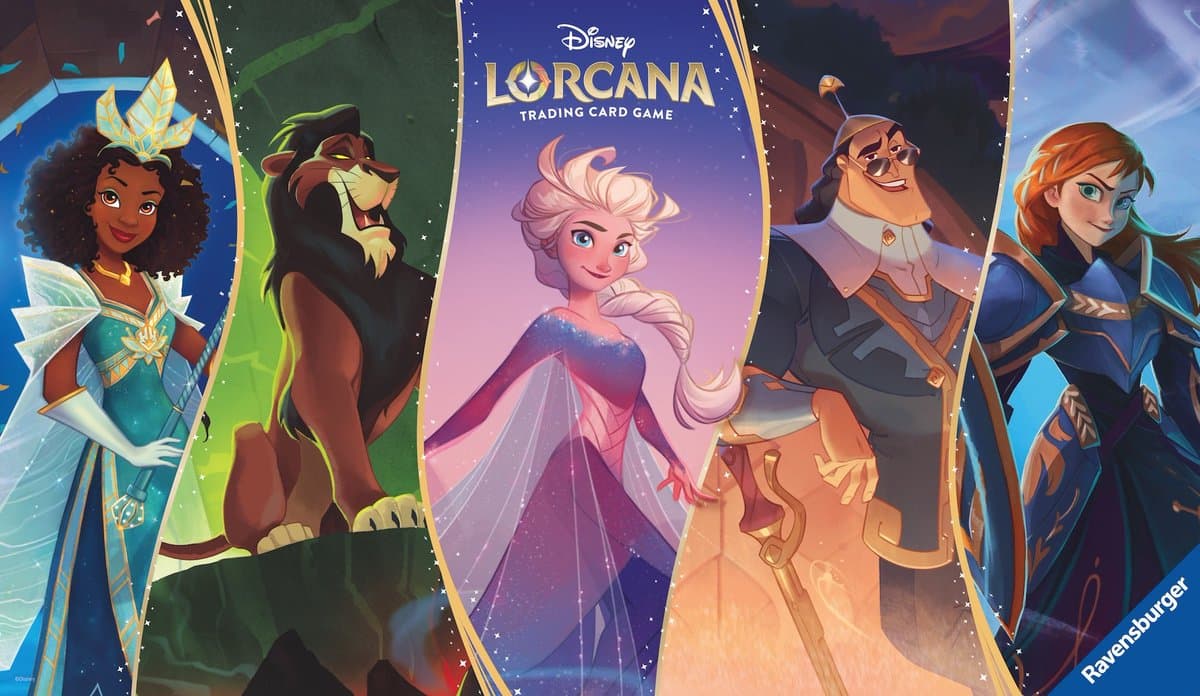
Beckett spotlights the artists behind Disney Lorcana's most beautiful cards
Beckett puts Lorcana’s art front and center, showing how Davies, Chapman, and set-specific treatments make cards worth remembering.
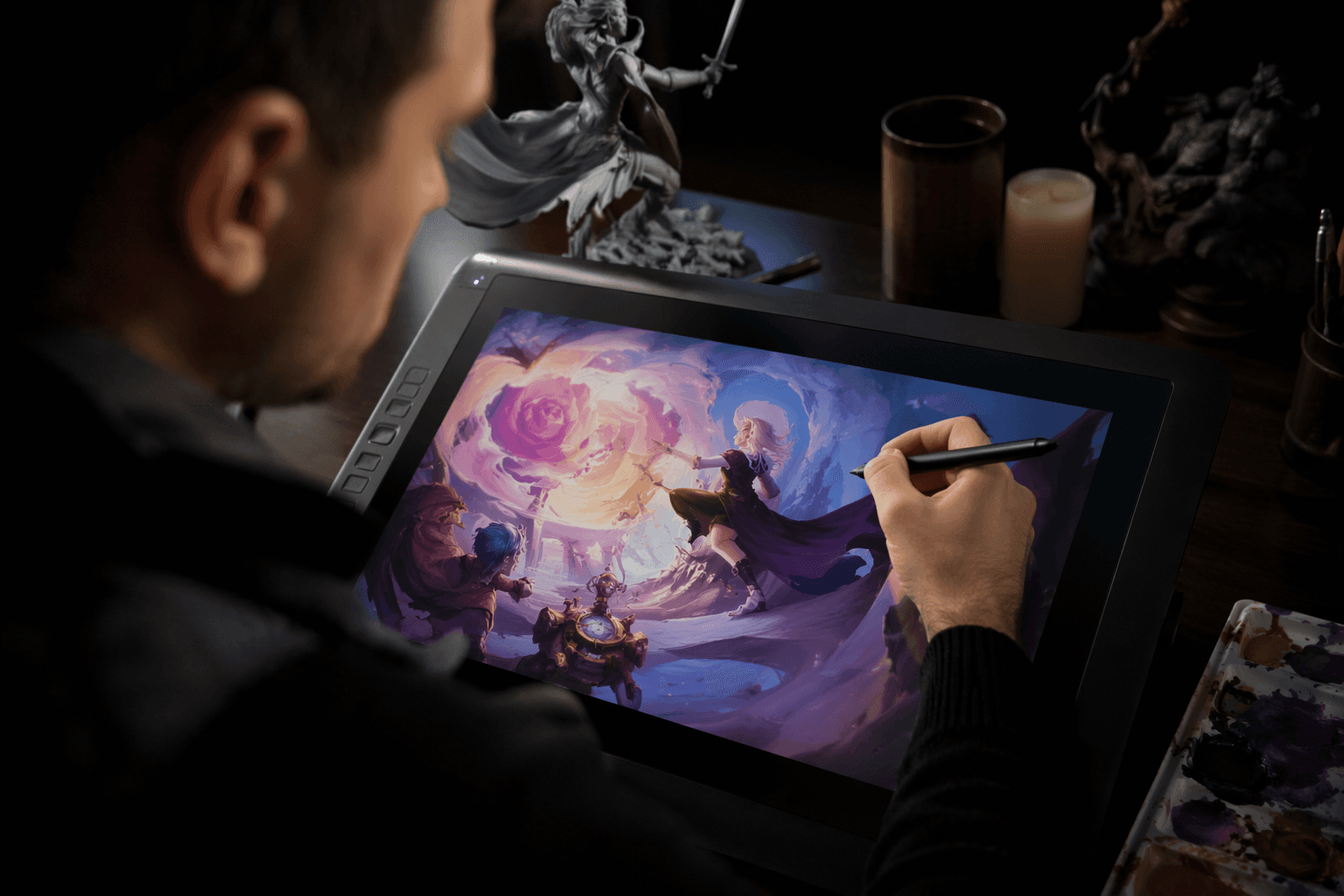
Beckett’s June 30 feature makes a clean break from the usual Lorcana conversation about prices, pull rates, and chase-card heat. Instead, it argues that Disney Lorcana’s real edge has always been its art, a hand-painted modern storybook look that started with The First Chapter and now stretches across eight sets and more than 1,800 unique cards.
Why Lorcana’s art keeps pulling people back
That visual identity matters because Lorcana is built around more than one kind of attachment. The official game pitch leans on favorite Disney characters, legendary items, iconic songs, and familiar locations, which means a card is doing two jobs at once: it has to function in a deck and it has to land as a piece of Disney storytelling. When the art is strong, even a card that is not especially expensive can still become the one players remember, sleeve up, and show off.
Matthew Robert Davies helped set the standard
Matthew Robert Davies is the clearest example of how Lorcana turns illustration into identity. Beckett points to Gaston - Intellectual Powerhouse, Raya - Warrior of Kumandra, Hades - Infernal Schemer, and The Queen - Wicked and Vain as proof of his range, then singles out Elsa - Spirit of Winter from The First Chapter as the card that really defines his impact. That Elsa illustration, along with its borderless rainbow-foil Enchanted version, shows why art quality drives collecting in Lorcana: the image is strong enough to demand display, and the Enchanted treatment makes that image feel like a true centerpiece rather than just another variant.
That matters for deck identity too. When a player builds around a favorite character, the card art becomes part of the deck’s personality, not just its function. Davies’s work is a good reminder that the cards people chase are often the cards that tell the cleanest visual story, which is why some pieces stay memorable long after the market moves on.
Matt Chapman proves low rarity can still feel special
Matt Chapman gives the same lesson from a different angle. Beckett notes that the Melbourne-based illustrator got his start at Disney’s Sydney animation studio, and that background shows up in the warmth and character he brings to Lorcana. His favorite card is Ludwig von Drake - Self-Proclaimed Genius from Shimmering Skies, an Uncommon, not a marquee Legendary, which is exactly the point: Lorcana rewards the cards that are drawn with care, not just the cards with the highest sticker shock.
Ravensburger has also publicly tied Chapman to Disney work on Aladdin, The Lion King, DuckTales, and Alice in Wonderland, which helps explain why his Lorcana cards feel so rooted in classic character animation. That pedigree makes lower-rarity cards easier to appreciate, because the art carries enough personality to stand on its own even when the card is not the chase of the set.
Set treatments are becoming part of the appeal
The art conversation gets even stronger when you look at Ravensburger’s set-level card treatments. Anna Stosik, Ravensburger’s senior art director and the art lead for Wilds Unknown, has explained that Iconic and Enchanted cards are among the rarest cards in the game and that each set gives those cards a distinct visual style. For Wilds Unknown, that meant an organic direction shaped by wilderness imagery, plant motifs, and an Art Nouveau influence, while Archazia’s Island used contrast between geometry and nature to reflect its dual-ink themes.
Stosik also framed Enchanted art as a place to commission artists whose styles fit the set’s mood, then let those artists shine through the finished cards. In Archazia’s Island, that approach included work by Maria Zafrilla on Show Me More! and Beatrice Blue on Tamatoa - Happy as a Clam, which shows how Lorcana uses special treatments to create a set-specific art language instead of treating premium cards as simple foil upgrades.
Ravensburger is building Lorcana like a long-running art project
The official infrastructure around the game reinforces that approach. Ravensburger’s resources page keeps updated rules, event documents, set notes, and the artist policy in one place, while the card gallery gives players a constantly expanding catalog to browse. That is the kind of support you expect from a franchise that wants its artwork, organized play, and collecting culture to grow together over time.
That is the real correction Beckett makes to the usual Lorcana coverage. Price charts will always have their place, but the cards that build the longest attachment are the ones that look unforgettable first, long before anyone checks a market value. From Davies’s Elsa to Chapman’s Ludwig to the set-specific Enchanted and Iconic treatments, Lorcana keeps proving that its art is not decoration. It is the reason so many cards stay in the conversation at all.
This article was produced by Prism’s automated news system from verified source data, official records, and press releases, then run through automated quality and moderation checks before publishing. The system is built and supervised by the people who set the standards it runs under. Read our full AI policy.
Did this article answer your question?