Altair Ibn-La'Ahad Turns Assassin Tribal Into a Combat-Combo Engine
Altair Ibn-La'Ahad is more than Assassin flavor: he turns graveyard setup, token copying, and combat steps into a real infinite-combat kill.
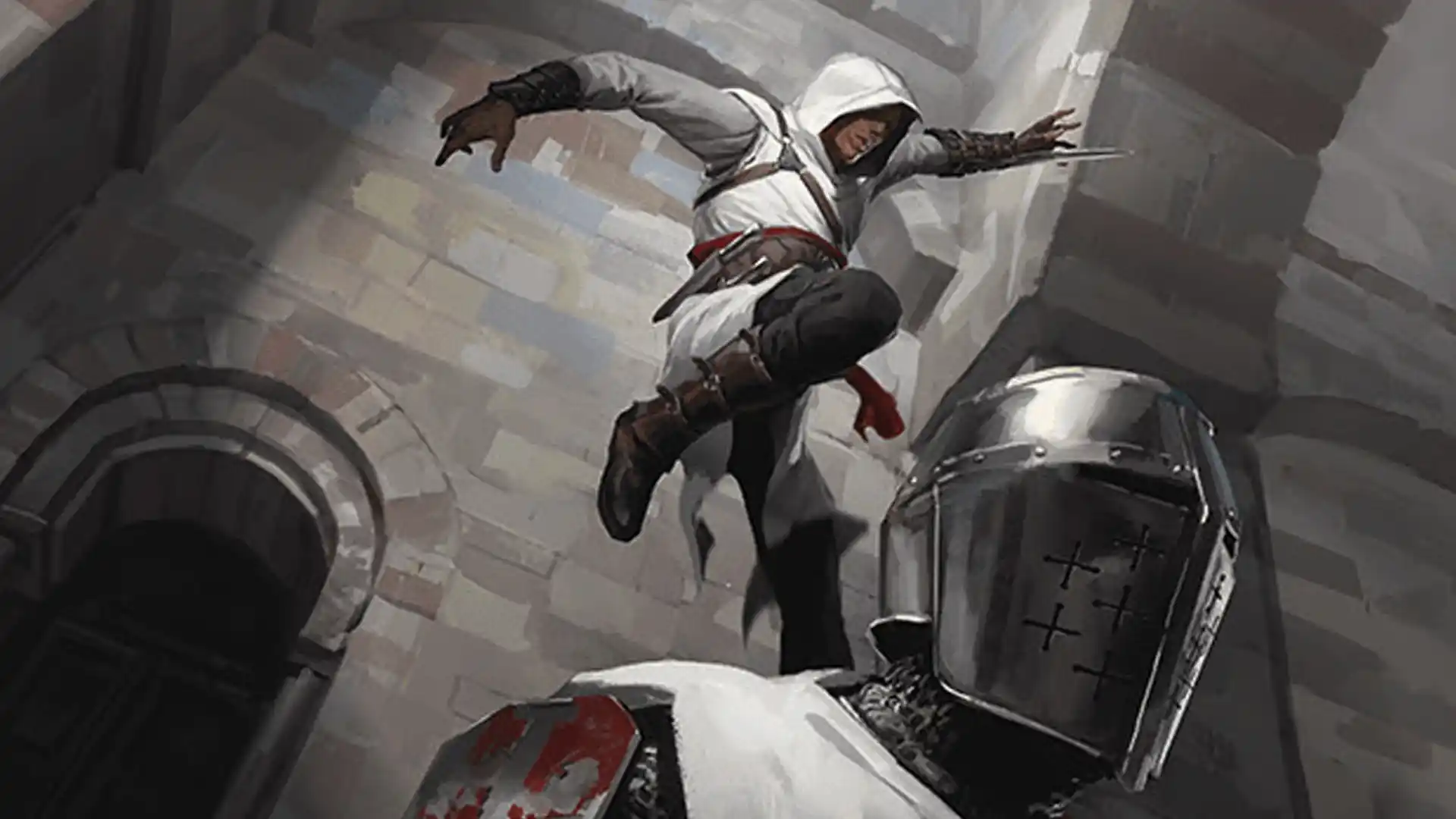
Altair’s biggest selling point is simple: he turns Assassin tribal into a real combat-combo engine. Assassin's Creed may not have landed especially hard on the competitive Commander map overall, but Altair Ibn-La'Ahad breaks through because every attack starts a snowball. He rewards you for exiling Assassins with memory counters, then turns each combat step into more board progress, more pressure, and eventually a way to end the game on the spot.
Why Altair stands out
Altair is not asking you to play fair tribal Magic in the usual sense. His attack trigger gives you a reason to load the graveyard, recur the right bodies, and keep attacking with a board that gets better every time you move to combat. That means the deck is not just a pile of Assassins for flavor. It is a value engine that converts combat into resources and resources back into combat pressure.
That distinction matters because the strongest builds do not stop at theme. They use Altair as a commander that sits between graveyard midrange and table-ending combo, with enough velocity to threaten both plans in the same game. The result is a deck that feels proactive from the first combat step and dangerous once the graveyard starts filling with the right targets.
Build around meaningful triggers, not just creature type
The best Altair lists want Assassins that actually do something when they enter or connect. Repeated attack steps and token copies keep those triggers flowing, which is where the deck starts to feel much stronger than a normal tribal shell. If every creature is just a body, Altair is merely efficient; if your creatures generate value on entry or combat damage, each exile trigger becomes a replayable advantage.
That is why cards like Ruthless Dawnbringer, Big Game Hunter, Shadow, Mysterious Assassin, and **Roshan, Hidden Magister** matter so much. They are not just on-theme includes. They give Altair real texture, with removal, evasive pressure, and trigger-based payoff that gets better when you can keep feeding the commander more attacks.
Roshan deserves special attention because it stretches the deck beyond narrow tribal lines. By turning other creatures into Assassins, Roshan opens the door to non-Assassin haymakers such as Archon of Cruelty. That is a huge deal for deckbuilding because it means Altair can recycle high-impact creatures that were never printed with Assassin tribal in mind, then convert them into part of the engine.
The support package that makes the machine run
Altair does not function by accident. He needs a support shell that helps him connect, stock the graveyard, and protect the turn cycle. The most important setup cards are the ones that get the right creatures into the graveyard early, then make sure Altair can keep attacking without getting blanked by blockers.
Graveyard tutors like Entomb and Buried Alive do a lot of the heavy lifting here. They let you load exact targets instead of hoping to draw into them, which makes Altair much more consistent. From there, self-mill and surveil pieces keep the graveyard stocked so the commander always has something worth exiling and reusing.
Evasion and combat protection are just as important. Cover of Darkness helps Altair and the rest of the board force damage through, while Dolmen Gate and Reconnaissance let you attack with far less risk. Those cards are what turn a fragile combat-centric commander into something that can repeatedly enter combat, keep its board intact, and maintain momentum across multiple turns.
- Entomb and Buried Alive: exact graveyard setup
- Cover of Darkness: pushes attacks through cluttered boards
- Dolmen Gate and Reconnaissance: preserve your attackers while you keep swinging
- Self-mill and surveil: keep Altair fed with the right creatures
How the infinite-combat finish actually happens
The scariest part of Altair is that the deck can jump from incremental value to a sudden kill. The highlighted line pairs Altair, Roshan, and Port Razer with the right attack-trigger abuse, letting you chain combat after combat until the table is done. Once that loop is online, the deck stops looking like tribal and starts playing like a combat-combo deck that can end the game out of nowhere.
That finish is especially nasty because it does not require you to telegraph a classic spell-based combo line. The pressure builds through normal combat, then flips into repetition once the pieces line up. For Commander tables, that is often the hardest kind of kill to prepare for because the deck has already been dealing damage and accruing value before it goes infinite.
Protecting the line and playing around awkward timing
Altair also benefits from some unusual timing protection. Cards like Teferi's Protection or Sundial of the Infinite can preserve copied attackers or simply dodge awkward exile timing, which keeps the engine from falling apart at the wrong moment. That flexibility matters because Altair wants to live in both worlds: fair combat value when the table is still developing, and a combo finish once the opening appears.
This is one of the reasons the commander feels deeper than a novelty crossover legend. He can play a patient game, lean on graveyard setup, and still close with a sudden burst of combat steps. That mix of lines is exactly what makes him worth watching before broader Commander players catch up.
Commander, 99 card, or sleeper pickup?
Altair is best treated as a commander first. His attack trigger, graveyard conversion, and combat snowball all point toward a build that wants him online early and often, with the whole list shaped around repeated combat and reusable ETB or combat-damage bodies. In the 99, he is more situational, showing up best in decks that already care about Assassins, combat steps, or graveyard recursion.
That said, he still looks like a sleeper pickup for anyone who likes commanders that reward tight sequencing. The shell has enough interaction between tribe, graveyard, and combat to feel powerful without becoming narrow. If you want Assassin tribal that actually pressures the table, Altair Ibn-La'Ahad is the kind of commander that turns flavor into a real plan, and then turns that plan into an ending.
This article was produced by Prism’s automated news system from verified source data, official records, and press releases, then run through automated quality and moderation checks before publishing. The system is built and supervised by the people who set the standards it runs under. Read our full AI policy.
Did this article answer your question?