Head Games Turns Commander Hands Into Dead Draws and Deals
Head Games can turn a healthy grip into dead draws, or a table bargain into a lock. In the right Commander shell, it is pure multiplayer mischief.
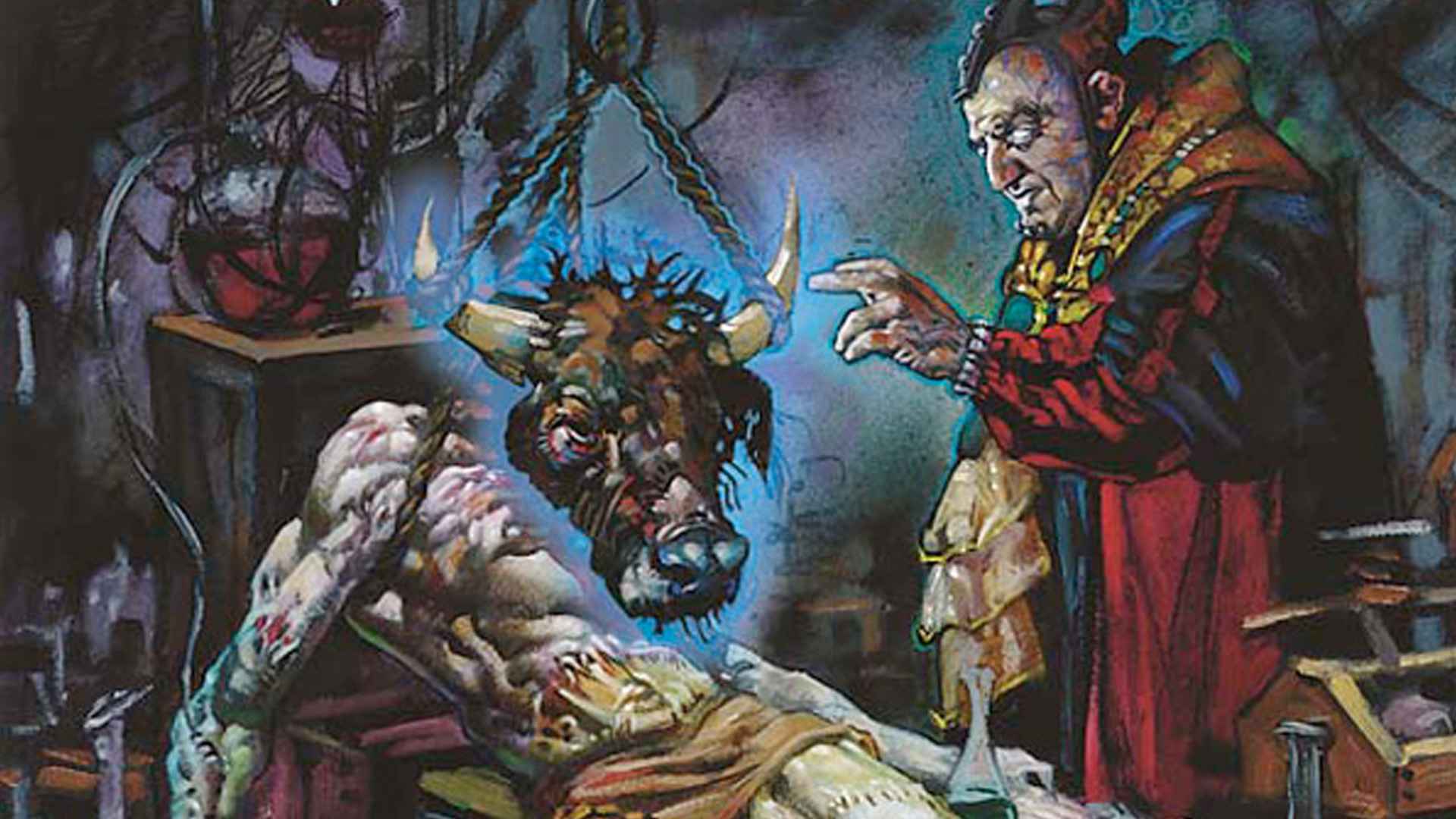
Every Commander game begins with the same wager: can you turn seven cards into a plan before your draw steps betray you? Head Games exploits that exact weakness. Instead of just stripping a hand, it lets you put an opponent’s cards on top of their library, then search that player’s library for the same number of cards and put those into their hand, which means you can trade a live grip for basic lands, clunky removal, or whatever dead draws fit the moment.
What Head Games actually does
Head Games is an Onslaught sorcery from the 350-card set released on October 7, 2002, and it still plays like a card designed to make one player sit up straight. The important part is not that it is old, but that it rewrites the shape of a turn cycle. If the target has a grip full of gas, you can flatten it into a pile of cards that are much less useful on the next draw step. If the target is mana-light, you can make the spell feel even more punishing by handing them land after land and buying yourself the tempo window they never wanted to give up.
That is why the card is more interesting than a simple discard spell. Discard usually ends a conversation. Head Games starts one, because you get to choose what the other player is holding when their turn comes back around. In Commander, that can mean removing the best player’s pressure for a full cycle, or loading up a combo deck with the wrong kind of cardboard at exactly the wrong time.
Why the politics matter
Head Games also has a real political side, and that is where it earns its place in multiplayer instead of just in spiteful kitchen-table stories. Sometimes the table does need a threat answered, and Head Games can hand the right player the exact interaction they need to survive. Sometimes the better line is a deal: give one opponent a curated grip, point them at the archenemy, and let the table politics do part of the work for you.
That bargain comes with a cost. If you use Head Games merely to be mean, the table will remember it and start treating you like the problem. If you use it when it creates a real planning window, a temporary alliance, or a turn where someone else is forced to stumble, it becomes much more than a stunt. That difference is why the spell matters in Commander now: not because it is obscure, but because it can decide who gets to play Magic on the next turn.
Commanders that make the spell worth the slot
The nastiest builds are the ones that stop Head Games from being a one-shot oddity. Zevlor, Elturel Exile is the cleanest way to turn the spell into broad disruption, because the official text only works when the copied spell targets a single opponent or a single permanent an opponent controls. The printed card accidentally left out the word “only,” but the ruling text is clear, and that matters when you want the copy effect to pressure more than one player. In the right pod, Zevlor turns a targeted nuisance into a table-wide problem.
Magar of the Magic Strings takes a different route. Magar can note an instant or sorcery in your graveyard and later turn it into a face-down creature, then create a copy when that creature deals combat damage to a player. That means Head Games does not have to be a one-and-done punishment spell. If you can connect in combat, you get another shot at turning someone’s hand into dead draws, and the threat of that repeat cast changes how opponents attack and block.
Sen Triplets is not black-only, but it fits the same ugly logic: use the opponent’s hand against them. At the beginning of your upkeep, you choose a target opponent, that player cannot cast spells or activate abilities that turn, and you may play lands and cast spells from that player’s hand. In practice, that means Head Games can hand someone a carefully selected package, then let you steal the best part of it before they get to untap and use it.
The lock pieces that make it crueler
The most brutal version of Head Games is the one that leaves the target with almost nothing useful to work with. Leonin Arbiter is the cleanest tax-based trap in this space. Its tax is paid as a special action, and if a player does not pay {2}, they cannot search their library at all. That means the spell can strand an opponent with the cards from their hand on top of their library and no easy way to refill with something relevant.
Opposition Agent and Aven Mindcensor make the search even uglier, though they do not solve the problem by themselves. Head Games already makes an opponent search their library, so these cards do not stop the spell from functioning, but they can warp what comes out of that search. Opposition Agent lets you control an opponent while they are searching and exile the cards they find, while Aven Mindcensor limits the search to the top four cards of that library. Neither card replaces the hand-warping plan, but both can turn the draw step after Head Games into a mess.
When Head Games is strong, and when it is just mean
The best Head Games turns are the ones where the card changes the next full turn cycle. If one opponent is sitting on the resources that would break the table open, the spell can cut them down to size and buy everyone else breathing room. If a player is on the edge of assembling a combo, Head Games can push the needed pieces into the wrong part of the library and leave them drawing blanks while the rest of the pod catches up.
That is the line that matters. Head Games is strongest when it punishes greed, creates a political opening, or sets up a repeatable engine with a commander that can copy it, recur it, or steal the cards it hands over. Used that way, it is not just a forgotten black sorcery from Onslaught. It is a reminder that in Commander, the most dangerous card in the room is sometimes the one that makes someone else’s hand look perfect, then makes it worthless.
This article was produced by Prism’s automated news system from verified source data, official records, and press releases, then run through automated quality and moderation checks before publishing. The system is built and supervised by the people who set the standards it runs under. Read our full AI policy.
Did this article answer your question?