Baru, Wurmspeaker makes Wurm tribal a real mono-green threat
Baru gives Wurm tribal a real engine, turning a pile of oversized bodies into a focused mono-green pressure deck with cost reduction, trample, and inevitability.
The case for a cleaner Wurm shell
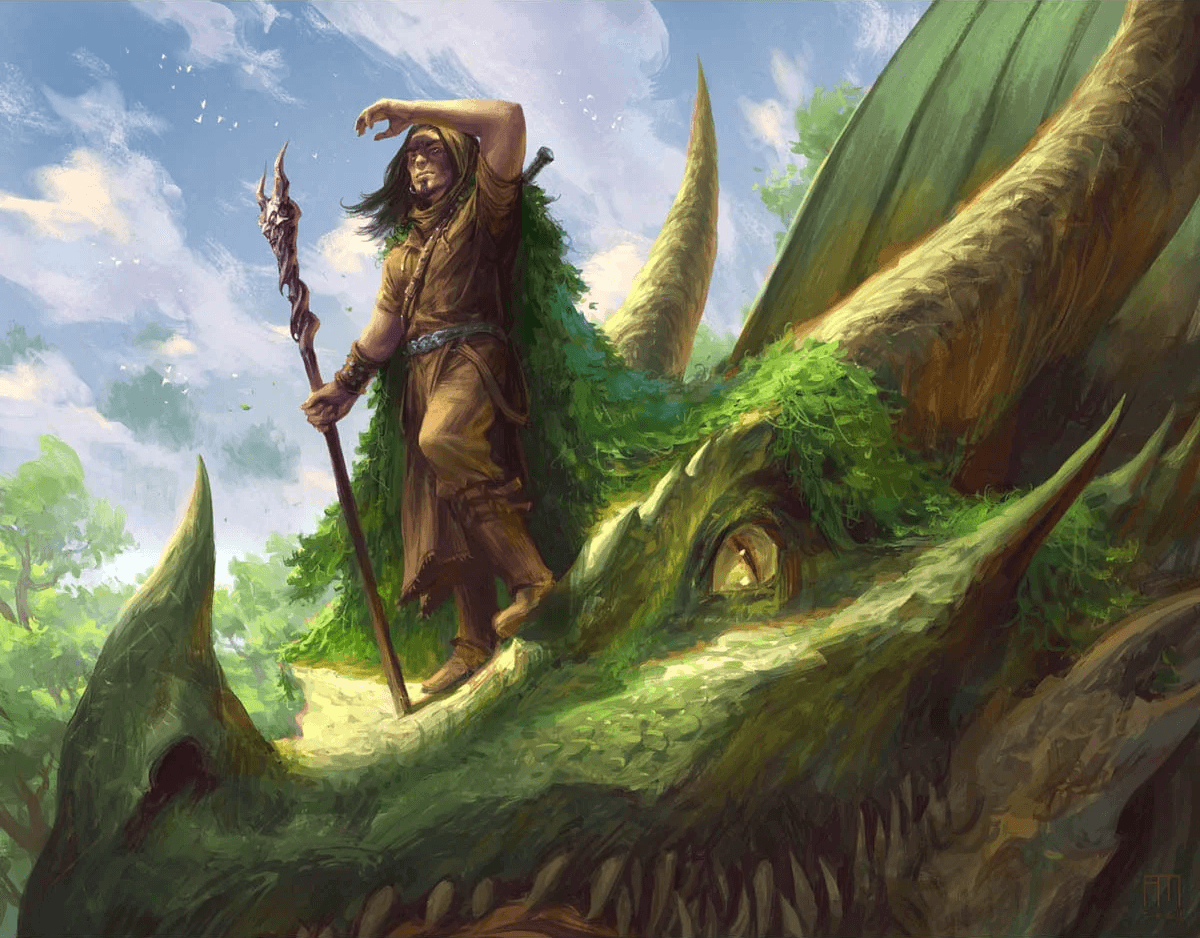
Baru, Wurmspeaker is the kind of commander that makes a neglected tribe look dangerous again. Instead of asking Wurm tribal to behave like a clunky pile of expensive finishers, it gives the deck a clean reason to stay disciplined: cast bigger creatures, keep the board growing, and let every new Wurm make the next one easier to deploy.
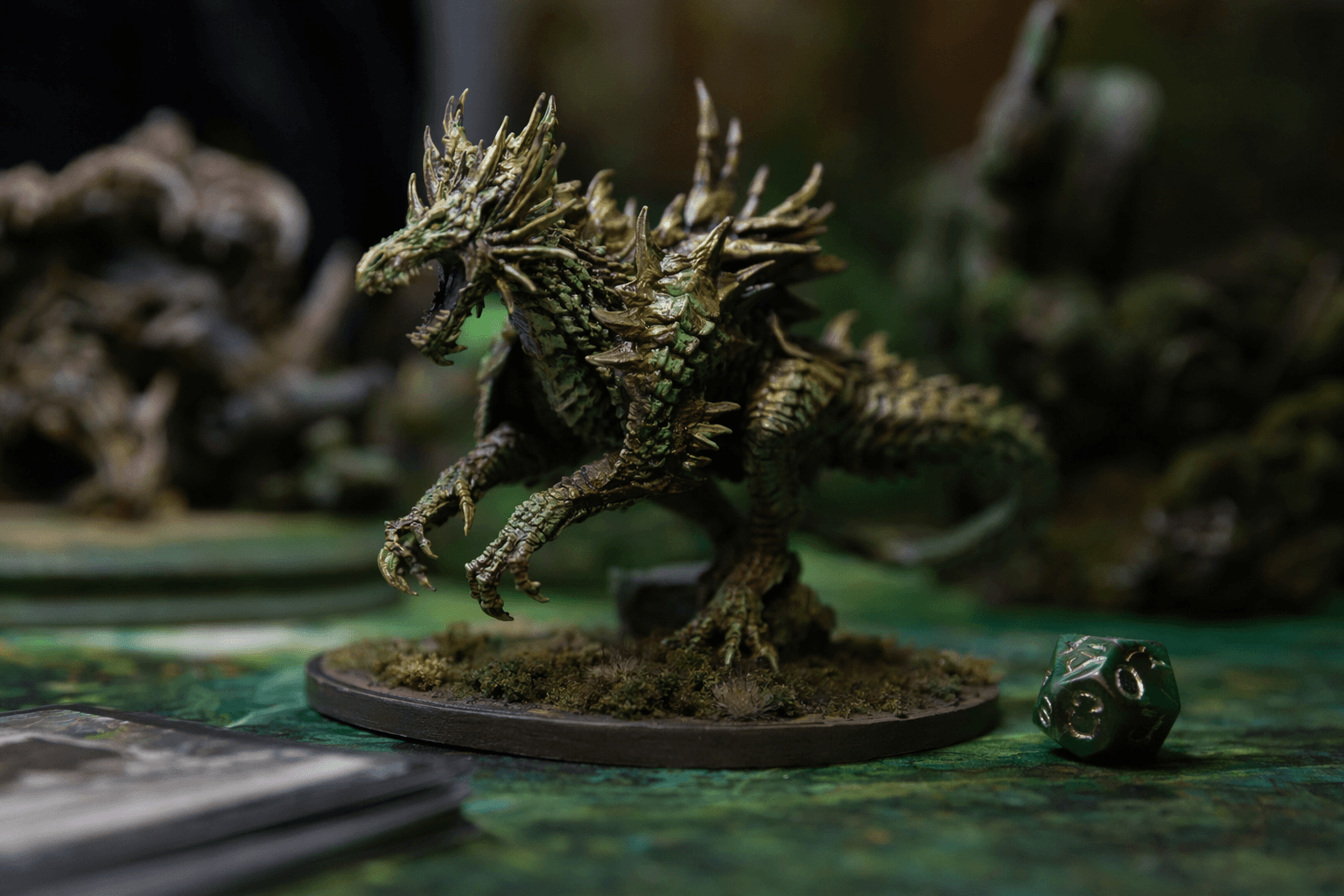
That structure matters because Wurm decks can drift fast. Left to their own devices, they often become a showcase of top-end bloat, with plenty of haymakers and not enough support to make them arrive on time. Baru solves that problem by tying the tribe’s payoff directly to what green already wants to do, which is ramp hard, land oversized threats, and turn board presence into inevitability.
What Baru actually does
Baru’s official Oracle text is brutally efficient for a tribal commander. Wurms you control get +2/+2 and have trample, and the activated ability creates a 4/4 green Wurm token for {7}{G}, {T}. That cost is reduced by the greatest power among Wurms you control, and Wizards of the Coast’s ruling makes one crucial thing clear: the reduction can never lower the activation below {G}.
That one line is where the card stops being merely cute and starts becoming structural. If your biggest Wurm is a 7-power creature, Baru can turn a punishing eight-mana activation into something much more manageable. In Commander, where a game often turns on whether your board can keep pace with the table, that means Baru rewards you for doing exactly what a mono-green deck wants to do anyway: build mana, stick a large body, and convert that body into more pressure.
The +2/+2 and trample clause matters just as much as the token text. Wurms are already known for size, but size without evasion can stall out badly in a crowded board state. Baru makes the whole tribe feel deliberate instead of dated, because even a single attacker can start forcing real damage through blockers once the team is suddenly trampling and hitting harder than expected.
Why the deck has to stay lean
The trap with Wurm tribal is obvious: the tribe is full of cards that look huge and play slowly. Baru only works if the list trims the usual top-end excess and makes room for the cards that get the engine online. That means treating the deck less like a collection of finishers and more like a threat package with a clear curve, where each piece helps the next one land sooner or hit harder.
- ramp early and often
- deploy a Wurm that actually changes combat math
- use Baru to keep turning that size into token production
- keep pressure on the table so the tokens matter immediately
The practical plan is simple enough to read on paper and satisfying enough to feel like a real deck in play:
Because the activation scales with your largest Wurm, the best builds are the ones that are already happy playing a creature that dominates combat on its own. Baru does not need you to assemble a weird engine. It wants a board, a curve, and enough acceleration to ensure the first big threat is not also the last thing you cast.
What the deckbuilding data says
The commander is not just a theory exercise. EDHREC’s Baru page shows recommendations from 4,934 Commander decks, which tells you players have already recognized the shell as more than a meme. On the optimized view, Baru sits at rank #528 with 32 decks, and the tag spread includes Aggro, Wurms, +1/+1 Counters, and Ramp. That combination says a lot about how the archetype is actually being built: it is not just about playing a theme, it is about making a board that can apply pressure while snowballing naturally.
Those tags line up perfectly with the card’s text. Ramp gets you to the first large body. +1/+1 counters and bigger power totals make the activation cheaper. Aggro gives the deck a way to cash in on the tribe’s trample instead of waiting for a slow inevitability loop that never fully closes the game. Even the Wurms and Tokens tags point to a deck that wants repetition, not just one giant battlefield moment.
A real tribal engine, not a novelty commander
Part of Baru’s appeal is that it avoids the usual awkwardness of niche tribal commanders. Draftsim described Baru, Wurmspeaker as a straightforward combat-damage Wurm tribal commander with no infinite combos, no complicated rules package, and no hidden labyrinth of corner-case text. That is exactly the kind of honesty a creature-type deck needs. You know what the deck is trying to do the moment Baru resolves, and your opponent knows it too.
That clarity is why the card feels modern despite the tribe it serves. Wurm tribal has always had the raw stats to impress a table, but not always the internal logic to feel cohesive. Baru gives that tribe an identity that is easy to understand and hard to ignore: hit hard, trample over blockers, and turn every oversized body into a cheaper future token.
Where Baru came from and why it still matters
Baru was printed in Dominaria United Commander, one of the Commander releases tied to Dominaria United. Wizards of the Coast said that release would hit stores worldwide on September 9, 2022, and it introduced 34 new commanders. That context matters because Baru came in as part of a broader wave of preconstructed support, but it still stands out as one of the cleaner tribal signposts from that product line.
It is also a fitting piece of design for mono-green. The card does not ask for splashy setup outside its color identity. It simply takes green’s core verbs, ramp, power, and combat, then turns them into a self-reinforcing loop. A Wurm that arrives early makes the next activation cheaper. A board with trample makes every attack step scarier. A tribe that used to feel like a pile of expensive beasts suddenly looks like a coherent plan.
Baru, Wurmspeaker makes Wurm tribal feel like a deck that knows exactly what it is doing. The old fear was that the tribe would always be too clunky to matter. Baru answers that by making the clunk part of the threat, then smoothing the whole machine until those massive trampling bodies feel less like nostalgia and more like a real mono-green clock.
This article was produced by Prism’s automated news system from verified source data, official records, and press releases, then run through automated quality and moderation checks before publishing. The system is built and supervised by the people who set the standards it runs under. Read our full AI policy.
Did this article answer your question?