Commander Clone Effects Turn One Legend Into a Ridiculous Army
Copying your commander can turn one legend into a table-warping engine, and Adrix and Nev shows how fast token doublers spiral.
Why commander clones get out of hand
Commander is built for this kind of nonsense. It is a 100-card singleton format built around one legendary creature, usually in multiplayer, which means a commander’s text box is often the most important card in the deck. When that text box is worth repeating, copy effects stop being cute and start becoming a real plan.
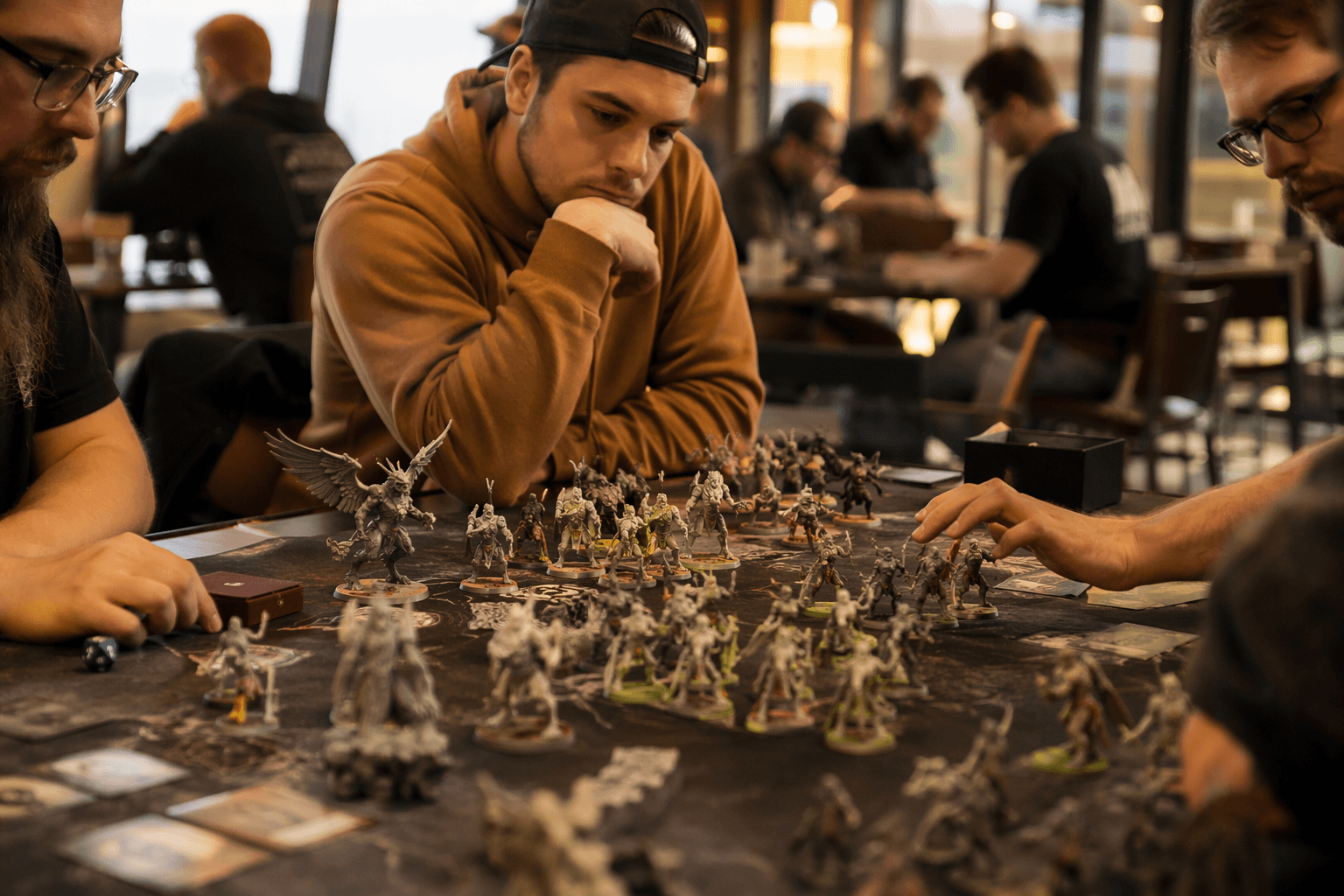
That matters now because Commander is Wizards’ most popular format, and its management sits with the game design team. The format keeps getting more support, more toys, and more ways to turn one legend into a board that quickly gets out of hand. If you like games that snowball from “value” into “how do we contain this,” cloning your commander is one of the cleanest engines in the format.
What clone effects actually do
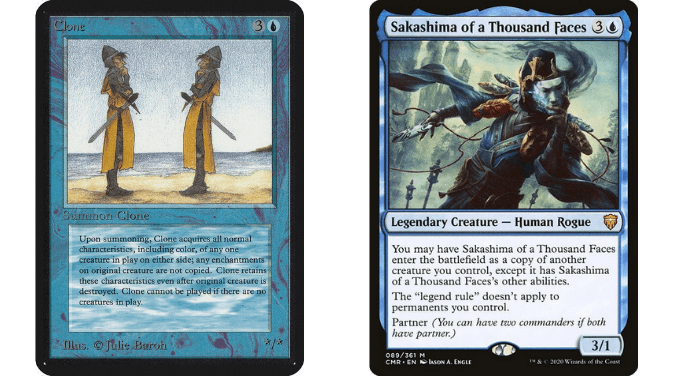
Copy effects have been in Magic since Alpha, with Clone and Vesuvan Doppelganger as the earliest examples of the mechanic. In Commander, those effects are most exciting when they copy the thing you built your deck around instead of just the biggest creature on the table. The best clone packages do one of three things: they create extra triggers, they multiply token production, or they add redundant combo pressure so removal stops mattering as much.
The catch is the legend rule. The Comprehensive Rules treat it as a state-based action, so if you control two legendary permanents with the same name, one stays and the rest go to the graveyard. That means a commander-copy deck needs cards that either ignore the legend rule, change the copied card’s name, or sidestep the problem entirely.
The rules pieces that make the strategy work
Spark Double is the cleanest example of a commander-friendly clone. It enters as a copy of a creature or planeswalker you control, but it is not legendary, so it can sit beside your commander without immediately colliding with the legend rule. That makes it ideal when your goal is to double the commander’s text rather than play games with naming or bounce tricks.
Sakashima the Impostor solves the problem in a different way. It copies a creature, but its name remains Sakashima the Impostor, and it carries a return-to-hand ability that keeps it flexible after removal or when you need to reset the board. Sakashima of a Thousand Faces goes even further by saying the legend rule doesn’t apply to permanents you control, which turns every extra copy into a permanent source of pressure instead of a temporary stunt.
Wizards also makes a useful distinction in Commander rules: commander-ness itself cannot be copied or overwritten by continuous effects. That keeps the format anchored around the actual commander, even when your board starts filling up with lookalikes. It is one of the reasons clone decks feel powerful without breaking the basic identity of the format.
Why Adrix and Nev is the clearest payoff
Adrix and Nev, Twincasters is the perfect example of why clone commanders become absurd. Printed in Commander 2021, it already has ward {2}, which makes removal awkward, and it doubles the tokens you create. Copying that effect turns one token doubler into a token factory, and the math gets ugly fast.
The most important loop here is simple: the more copies of Adrix and Nev you control, the more every token-maker snowballs. A single token spell becomes two, then four, then eight if the board stays intact long enough. That means clone spells are not just adding bodies, they are multiplying the output of every future play.
This is where cards like Irenicus’s Vile Duplication, Quantum Misalignment, and Ember Island Production become more than novelty pieces. Irenicus’s Vile Duplication creates a token copy of a creature you control, and its Oracle update clarifies that the token keeps flying, which matters when your copied commander or support creature is supposed to stay evasive. In a deck built around Adrix and Nev, that kind of copy effect adds another layer of scaling instead of just trading one body for another.
Why Baldur’s Gate mattered for commander-copy decks
Commander Legends: Battle for Baldur’s Gate, which released on June 10, 2022, was positioned as a Dungeons & Dragons crossover built for Commander. That release mattered because it kept pushing cards that make multiplayer board states bigger, stranger, and more engine-driven. Jon Irenicus’s name on Irenicus’s Vile Duplication is a good reminder of how deeply that set leaned into copy-centric play patterns.
That kind of product design fits the clone plan perfectly. Commander decks do not need every card to be efficient in the abstract; they need cards that make the commander’s ability worth seeing more than once. In a token shell, a single extra copy of your commander can mean double the board, and that often forces the whole table to spend removal on a resource that keeps coming back.
How to build the cloning package
The strongest clone decks are not full of random copies. They are built around a commander whose text box improves when repeated, then supported by enough protection and payoffs that the first copy spell feels like a threat and the second feels like a crisis.
- A commander that rewards repetition, especially with tokens, mana, or engine-style triggers.
- Copy effects that ignore the legend rule or change the copied permanent’s name.
- A few token generators or other payoff cards so every extra copy advances the board.
- Protection, because ward {2} is good, but real safety still keeps the engine running.
A practical cloning package usually includes:
The real test is whether the second copy changes the game state immediately. Adrix and Nev does. Spark Double does. Sakashima does. When a commander turns each duplicate into more tokens, more triggers, or more combo redundancy, the deck stops playing fair Magic and starts playing Commander the way many players love it most: one legend, then two, then a ridiculous army.
This article was produced by Prism’s automated news system from verified source data, official records, and press releases, then run through automated quality and moderation checks before publishing. The system is built and supervised by the people who set the standards it runs under. Read our full AI policy.
Did this article answer your question?