Commander Tournaments Don't Have to Default to cEDH, These Formats Prove It
Three tested formats give LGS owners a ready-to-run Commander event toolkit that feels competitive without cEDH devolving into a pubstomp arms race.
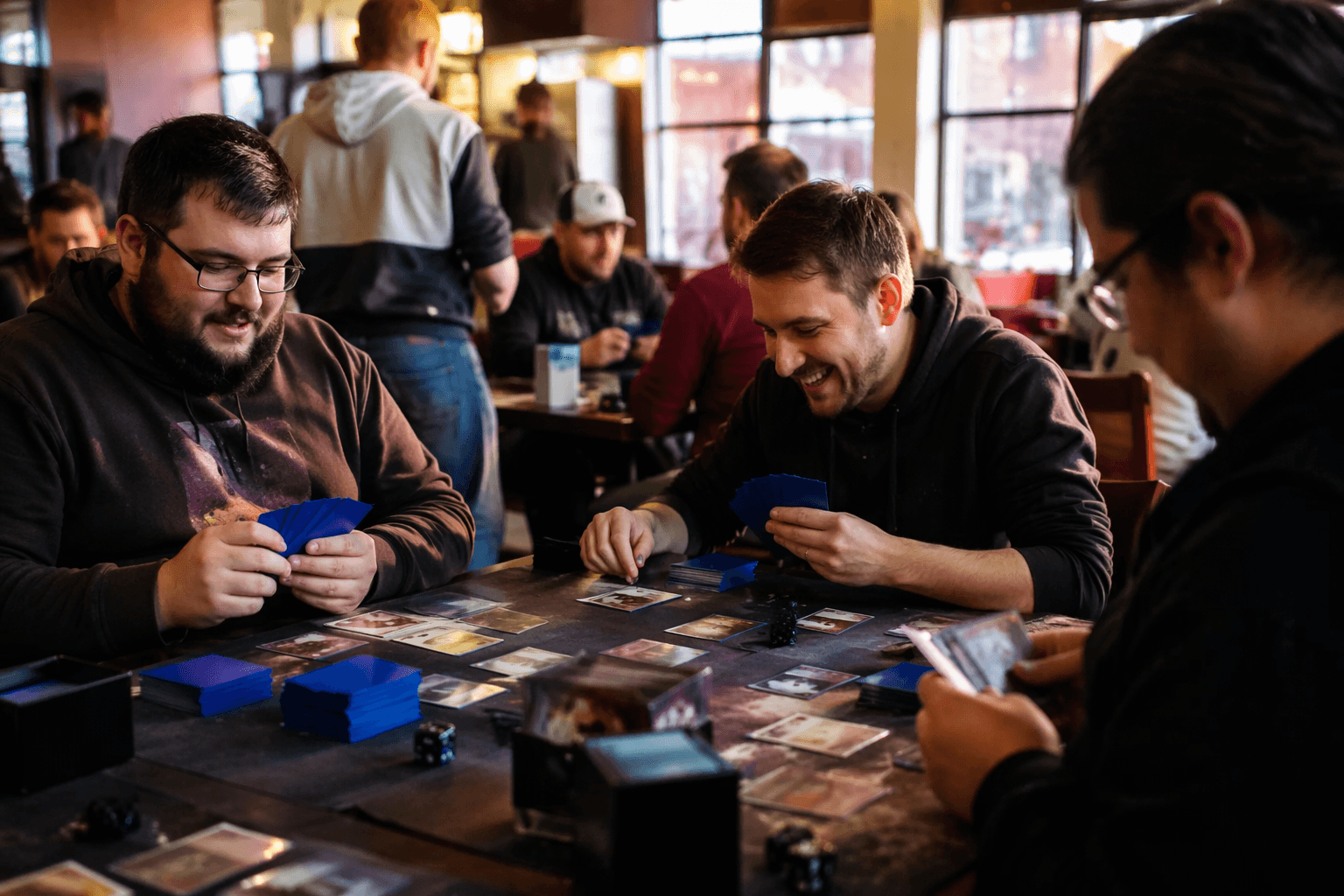
You already know how this night ends. There on the LGS schedule is simply a "Commander Tournament," and by round two you're watching a blinged-out cEDH list dismantle someone's freshly cracked precon while a third player sits helpless with a good-faith midrange build. Nobody wins: not the competitive player who wanted a real match, not the casual player who thought this would be fun, and certainly not the store owner hoping to grow an event community. The real question isn't whether Commander can be run as a tournament. It's whether the format is stuck with a binary choice between pubstomp chaos and full-speed cEDH, and EDHREC writer DougY's recent feature "Alternative Commander Tournaments" argues convincingly that it isn't.
Three categories of format are emerging at real events, each tested by real organizers, and each requiring a different kind of commitment from whoever is running the room. Here's how to deploy each one.
Format 1: Precon-Only Brackets
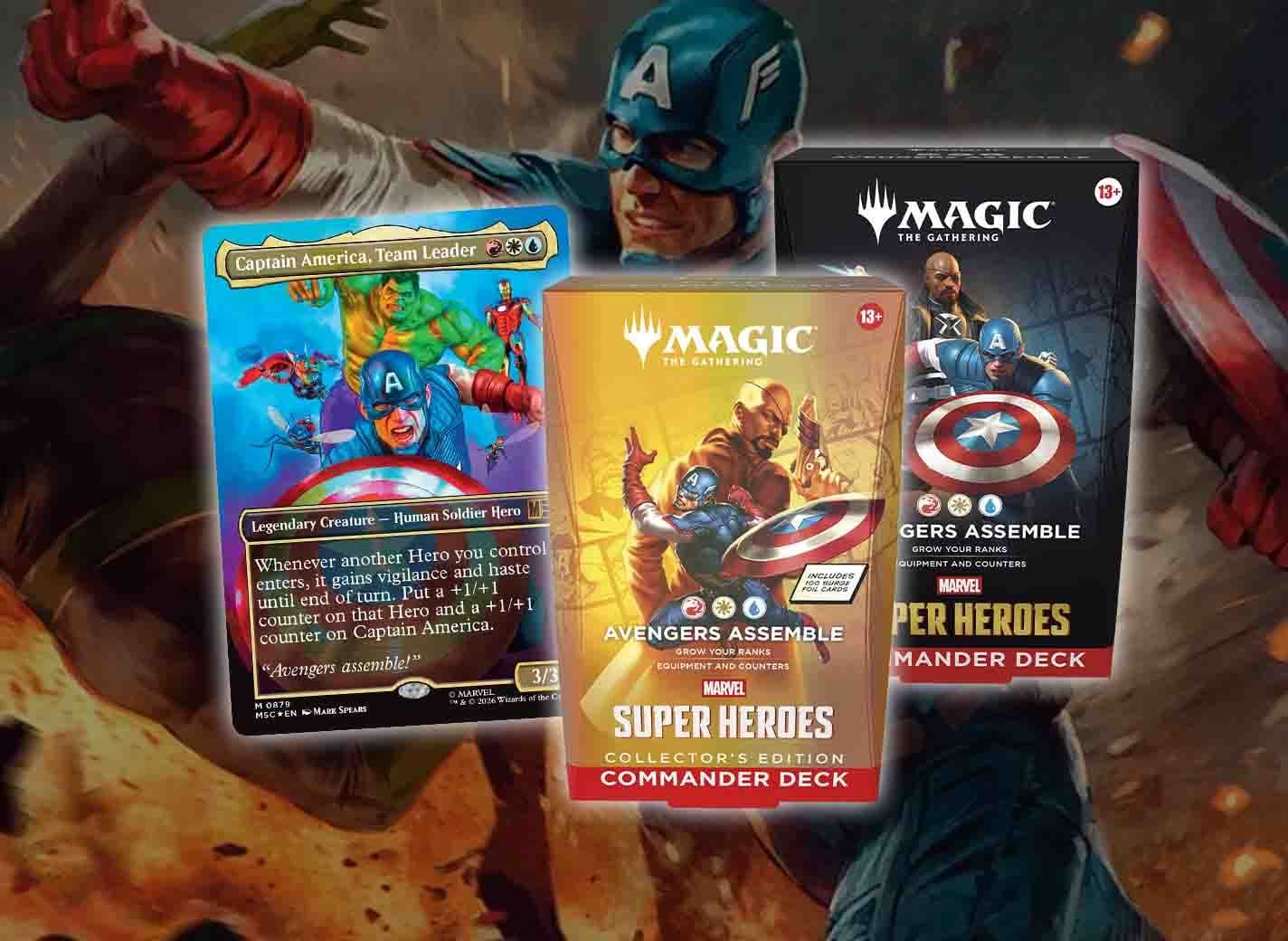
The core appeal of a precon tournament is structural equality: every player shows up with a product Wizards of the Coast balanced against the same range of precon decks, so the gap between the most and least expensive deck in the room collapses almost entirely. Newcomers who just bought their first Commander precon aren't sitting across from someone who spent two years tuning a Legacy-legal manabase. EDHREC notes that precon events bring "an unserious air that's missing from many competitive events" while still giving players something genuine to compete for.
For organizers, the logistics are straightforward. You can run this as a sealed event (players don't open their precon until they arrive, preventing pre-event modifications) or a bring-your-own-precon event where any current retail precon is legal. Swiss rounds work cleanly here because the power ceiling is consistent across the field. Prize support aligns naturally with the format's philosophy: store credit, booster packs, or a free precon of the winner's choice all reinforce the low-stakes-but-competitive feel you're building. If you're communicating expectations to entrants, emphasize that upgrades are not allowed; this single rule does almost all the enforcement work for you.
Format 2: Fringe Festival and the Banned-Commander Model
The most developed alternative currently running is Fringe Festival, an annual event held at Enchanted Grounds in Littleton, Colorado. Logan of CriticalEDH, who has won the event two years running, designed it around a deceptively simple question: "What would cEDH look like if all of the 'meta' commanders were banned?"
Denver is, by any measure, one of the deepest cEDH markets in the country. Logan describes approximately 15 top-100 cEDH players in the world living within 20 miles of Enchanted Grounds, with two to three tournaments running every week. The Fringe Festival started, in Logan's words, "as a way to have some fun and relax a little bit from the circuit grind." The mechanism for achieving that relaxation is a custom commander banlist: "Basically, anything that was popular or seen as a cEDH commander, past or present, was banned." That meant banning all five-color commanders, most four-color commanders, and anything that puts two commanders in the command zone simultaneously, eliminating a swath of partner pairings in one rule.
The banlist isn't built from a single data source. Logan's team used EDHTop16 rankings, online tournament results, gameplay videos, and targeted bans for local specialists. That last category produced one of the more interesting rulings: Arcum Dagsson was banned despite not being a recognized meta deck at the time, because a local player ranked 17th in the world was dismantling opponents with it consistently. The philosophy is explicit: "these are all real cEDH decks, the ones that are better than them are just banned."
For event organizers, the Fringe Festival model offers a template worth adapting. The event runs fully proxy-friendly (test cards must be in color and use recognizable Scryfall art), uses Command Tower software for tournament management, runs four rounds of Swiss followed by a cut to top 13 and then top 4, and keeps rounds to 80 minutes with active player finishing their turn. It also counts toward TopDeck points, which matters if your player base is part of a broader competitive circuit and you want your event on the map.
Format 3: Hybrid and Creative Scoring
The third approach is the most flexible and the hardest to execute well: tournaments that supplement win/loss records with points awarded for creative decisions, thematic builds, or specific in-game actions. The concept shifts the optimization target away from raw speed and toward engagement. A player who builds a genuinely unusual archetype can accumulate meaningful points even in a pod where they don't take the win.
This format is especially well-suited to events that want to attract players from across the casual-to-competitive spectrum simultaneously. A precon pilot isn't competing on equal footing with a tuned pile, but if the scoring system rewards things like longest creature chain, first player to use a mechanic highlighted that season, or a judge-verified "most dramatic comeback," the field becomes meaningful for everyone. EDHREC's coverage flags that prize structures in this model need explicit design: awarding store credit per scoring category (rather than winner-takes-all) distributes prizes more broadly and keeps mid-table players invested through final rounds.
The logistical challenge is judge training. Creative scoring categories require on-the-spot discretion, so your judges need clear written definitions of what qualifies for each bonus before round one starts. Ambiguity in scoring is the fastest way to generate table disputes in a format that's supposed to lower tension. Invest time in the written documentation and distribute it to all entrants before the event.
Which Format Fits Your Store or Playgroup?
Use this as a quick decision guide before you commit:
- You have a mixed-experience crowd with no cEDH regulars: Precon-only bracket. Lowest barrier to entry, easiest to enforce, best for building an ongoing event series for new players.
- You run an established cEDH scene that wants a pressure valve: Fringe Festival model. Your players already understand tournament REL, know the commanders, and can debate the banlist intelligently. Let them.
- You're running a convention side event or a one-off celebration: Hybrid scoring. The flexibility allows walk-up participation without requiring entrants to have tuned for a specific format.
- You want to grow a new competitive community from scratch: Start with precon, then graduate the bracket to fringe-banned builds once your player base has a shared vocabulary for talking about power level.
The common thread across all three is upfront communication. Every format above breaks down when players arrive with misaligned expectations. Whatever you run, your event page, registration email, and in-store signage should state the power band, list the restrictions, explain how prizes are awarded, and name the software you're using to run pairings. Players who know what they're walking into don't become unhappy players.
Commander's growth into a tournament format isn't slowing down. The stores and organizers who build repeatable, clearly defined event structures now are the ones who will own the loyal player communities later. The formats exist. The only remaining step is running them.
This article was produced by Prism’s automated news system from verified source data, official records, and press releases, then run through automated quality and moderation checks before publishing. The system is built and supervised by the people who set the standards it runs under. Read our full AI policy.
Did this article answer your question?