Dovescape still warps Commander games with bird-token spell locks
Dovescape still turns Commander into Bird math, and the decks that love it are the ones that treat every token as leverage.
One enchantment can blank the table’s usual answers
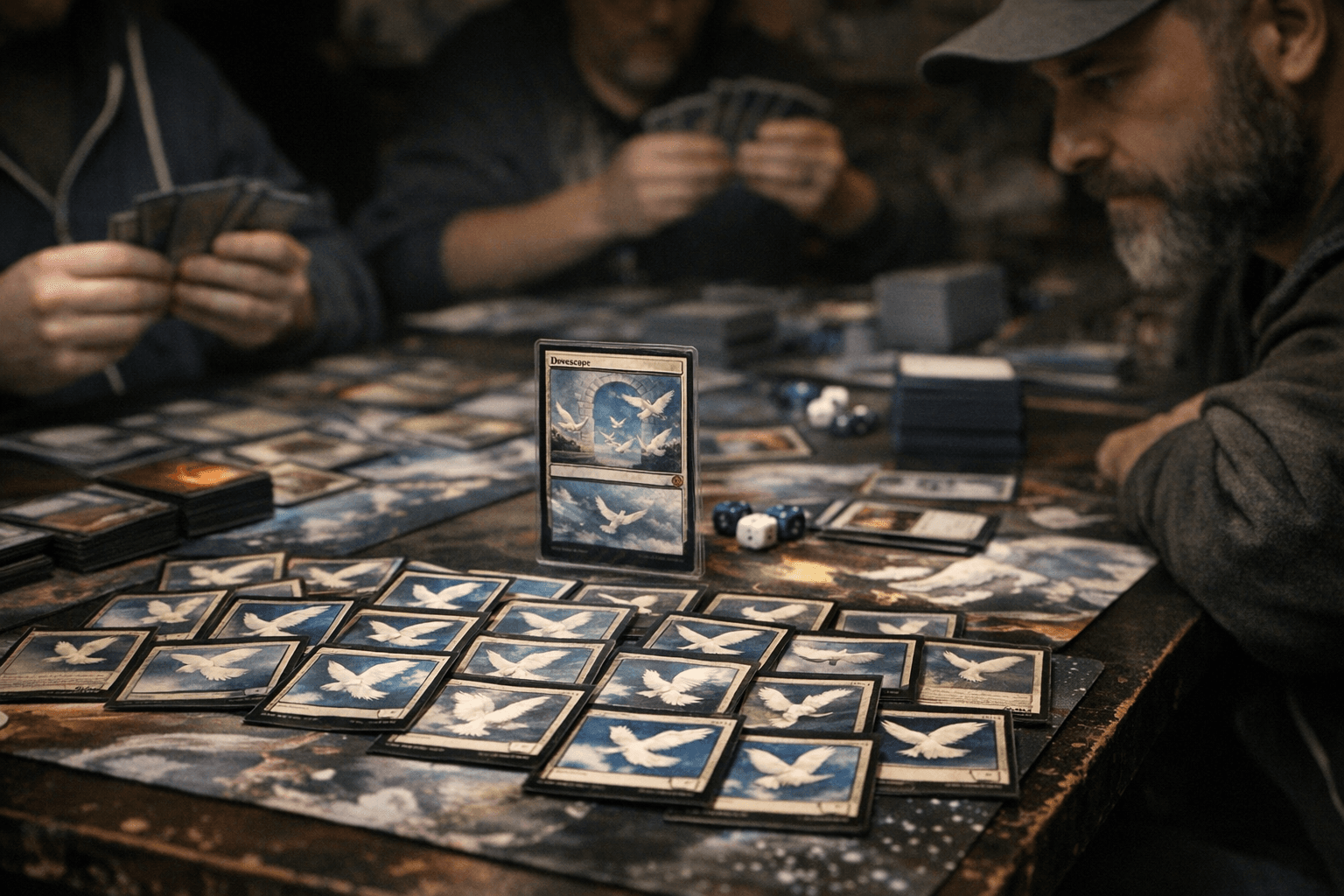
Dovescape is the kind of six-mana enchantment that makes a Commander pod feel normal for exactly one more spell. Once it resolves, most noncreature interaction stops behaving like interaction and starts behaving like Bird fuel, which is why the card can still seize a game that thought it was holding up clean answers.
Why this old Azorius lock still has legs
Dovescape first appeared in Dissension in 2006, the final set of the original Ravnica block, and Wizards used that era to kick off Azorius Week during the first week of Dissension previews. Mark Rosewater framed the set as the end of the Ravnica line, and Dovescape came out of that blue-white debut with a very Azorius kind of cruelty: orderly, restrictive, and perfectly happy to make everyone else play by its rules. It remains legal in Commander, and the official banned list does not include it. EDHREC shows 7,464 decks running it, which is a small number for a format staple but a real signal that the card never stopped having a job.
How the rules text actually functions
The rules are what make Dovescape so strange. Official rulings confirm that the Bird tokens appear even if the spell is not actually countered because it cannot be countered, because it was already countered, or because it left the stack before Dovescape resolved. Split cards follow the mana value of the half that was cast, so the token count is tied to the spell you actually put on the stack, not some abstract card face in your hand. That is why Dovescape is more than a tax piece. It is a replacement engine that keeps creating board presence even in the middle of messy stack fights.
That same text is also the card’s biggest danger. Dovescape affects every player, including the controller, so if your deck cannot cash in those Birds, you can lock yourself out of your own noncreature plan just as hard as you lock out the table. The card protects itself naturally once it is online, because many of the most common answers to enchantments and many board wipes in Commander are themselves noncreature spells, which Dovescape converts into more tokens instead of removal.
The shells that break parity
Dovescape is at its best in lists that already want a wide flying board, a token engine, or a sacrifice outlet. If your deck can turn small evasive bodies into pressure, card advantage, or death triggers, the enchantment stops being a prison and starts being a resource generator. EDHREC’s top pairings, including Guile, Celestial Gatekeeper, and Crookclaw Elder, point straight at that kind of shell: bird-adjacent value, evasive pressure, and boards that turn a lock into inevitability.
Guile is the famous partner, and for good reason. Commander Spellbook lists the interaction as producing infinite creature tokens, infinite ETB triggers, infinite magecraft triggers, and infinite storm count, while older ruling discussion notes that the loop is optional because you can choose not to replay the spell forever. In practice, that means the combo can be as large as you want without automatically forcing a draw, which makes it one of those rare Commander engines that can be both theatrical and controlled.
Even without the combo kill, Dovescape gets uglier when you pair it with combat denial or token-control tools. Silent Arbiter is a clean example because it is a creature, so Dovescape does not touch it, and it can keep a Bird swarm from simply ending the game on the swing back. Black-based shells can go the other direction and turn the Bird pile into a liability by leaning on sacrifice pressure and token punishment instead of trying to win the air war directly.
When to cast it, and who should leave it in the binder
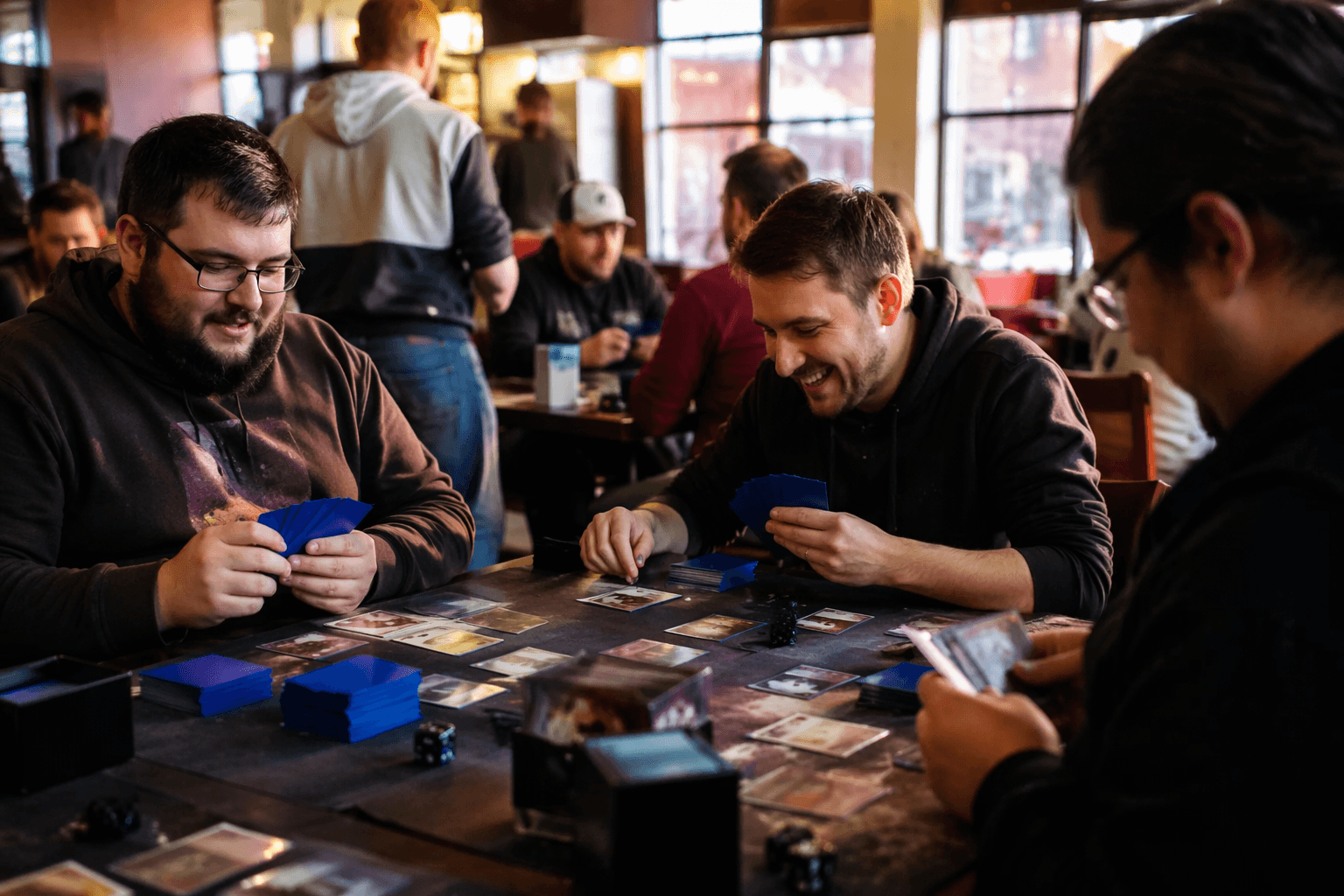
Play Dovescape when the table is leaning on spells to solve everything. It hits hardest in spell-heavy pods, especially the kind packed with blue-white control, midrange value piles, and decks that expect to answer a permanent with instants and sorceries on command. In those games, the enchantment immediately changes the texture of the table because every normal answer now arrives with a Bird tax attached.
If your own deck is light on creatures and heavy on sequencing, Dovescape can be a trap. The enchantment does not care who cast the spell, so the same lock that punishes opposing interaction can gum up your own development if you still need to cast tutors, draw spells, or removal to keep pace. The safest pilots are the ones who either build to exploit the Birds or can operate off the board once the enchantment lands.
For opponents, the clean answer is timing. Deal with Dovescape before it resolves, or use creature-based and other on-board answers after it sticks, because trying to solve it with a normal noncreature spell just feeds the lock. Once the enchantment is live and the controller has a payoff in place, the game shifts fast from normal Commander to a contest over who can use the Bird flood better.
Why Wizards still treats it like a real card
Wizards was willing to revisit Dovescape in Secret Lair: Ornithological Studies in 2020, alongside Baleful Strix, Birds of Paradise, Gilded Goose, and Swan Song. That reprint is a useful marker because it shows the card is not just a dusty Dissension relic. It still has enough identity, enough weirdness, and enough Commander relevance to earn a spot in a bird-themed premium drop years later.
That is the real takeaway with Dovescape: it is not powerful because it is old. It is powerful because the decks built to break parity with it still get to do something Commander tables hate most, which is turn off interaction and turn the resulting chaos into a plan. If you sit down with the right shell, one enchantment can still make the whole pod relearn how to play around Bird chaos.
This article was produced by Prism’s automated news system from verified source data, official records, and press releases, then run through automated quality and moderation checks before publishing. The system is built and supervised by the people who set the standards it runs under. Read our full AI policy.
Did this article answer your question?