EDHREC Spotlights Ten-Player Game Knights Featuring Dana Roach and Joey Schultz
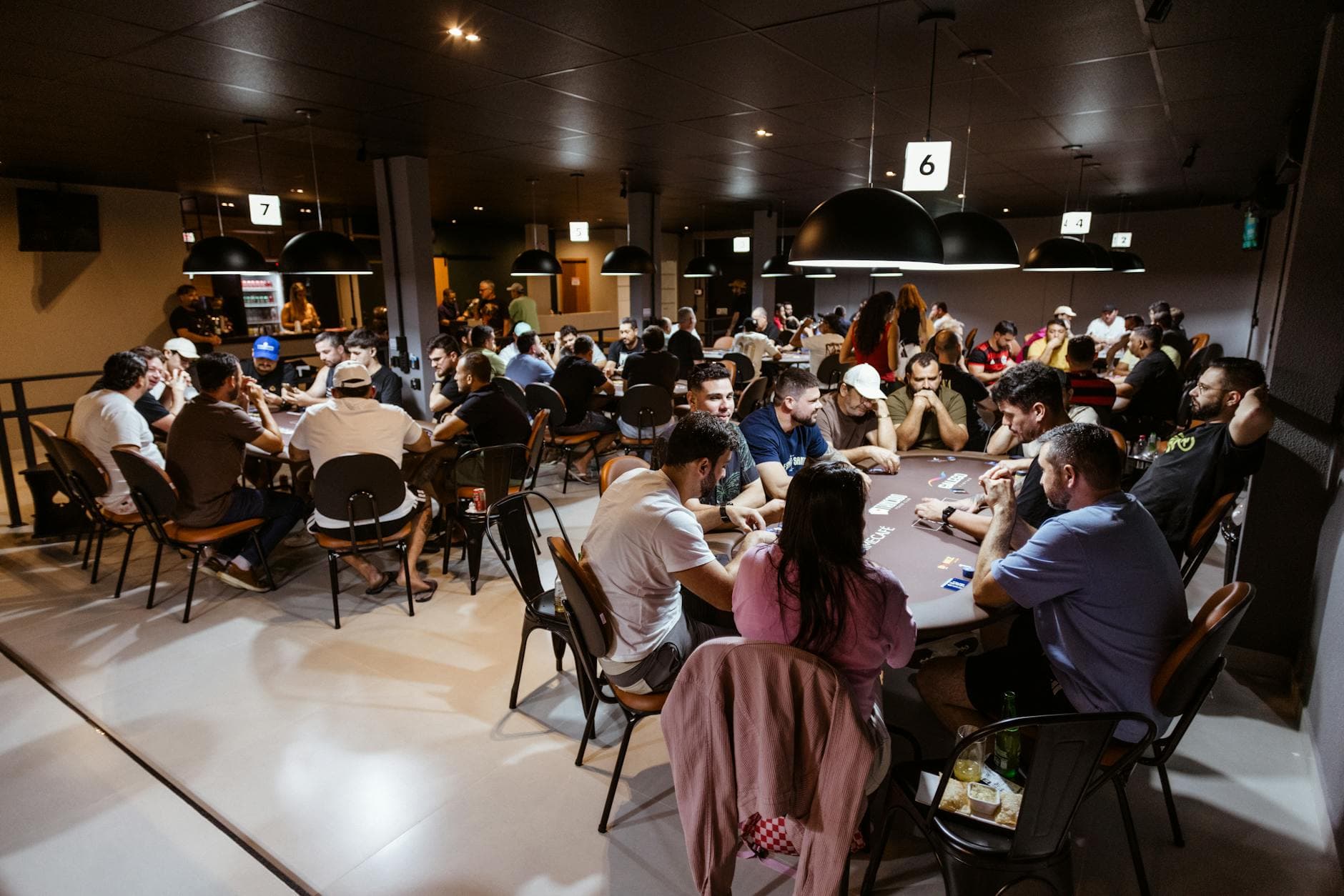
Dana Roach, Joey Schultz and Cas Hinds jumped into a ten-player Game Knights pod that pushed Commander far past its normal four-player lane. The Bag of Doom kept the oversized table moving.
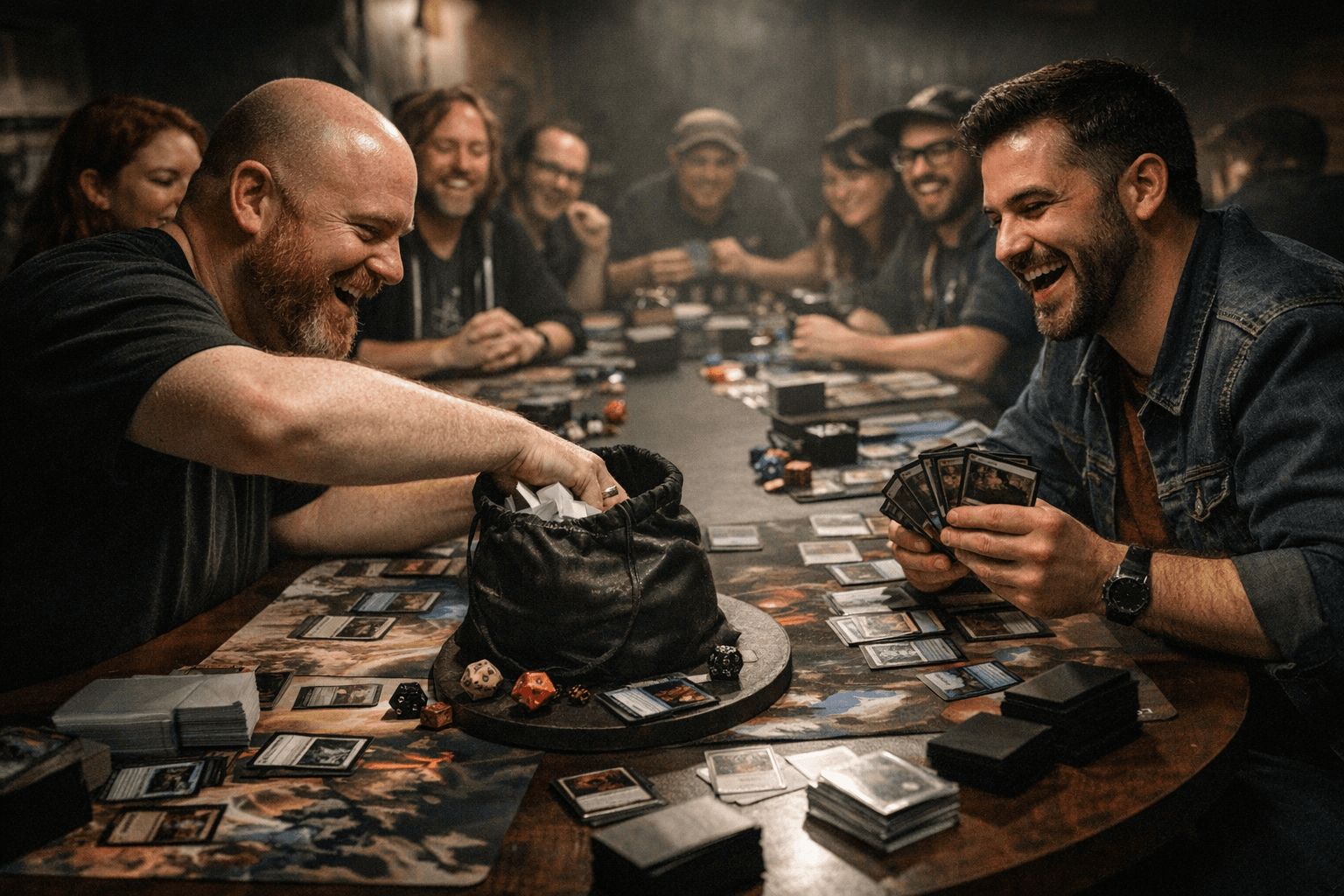
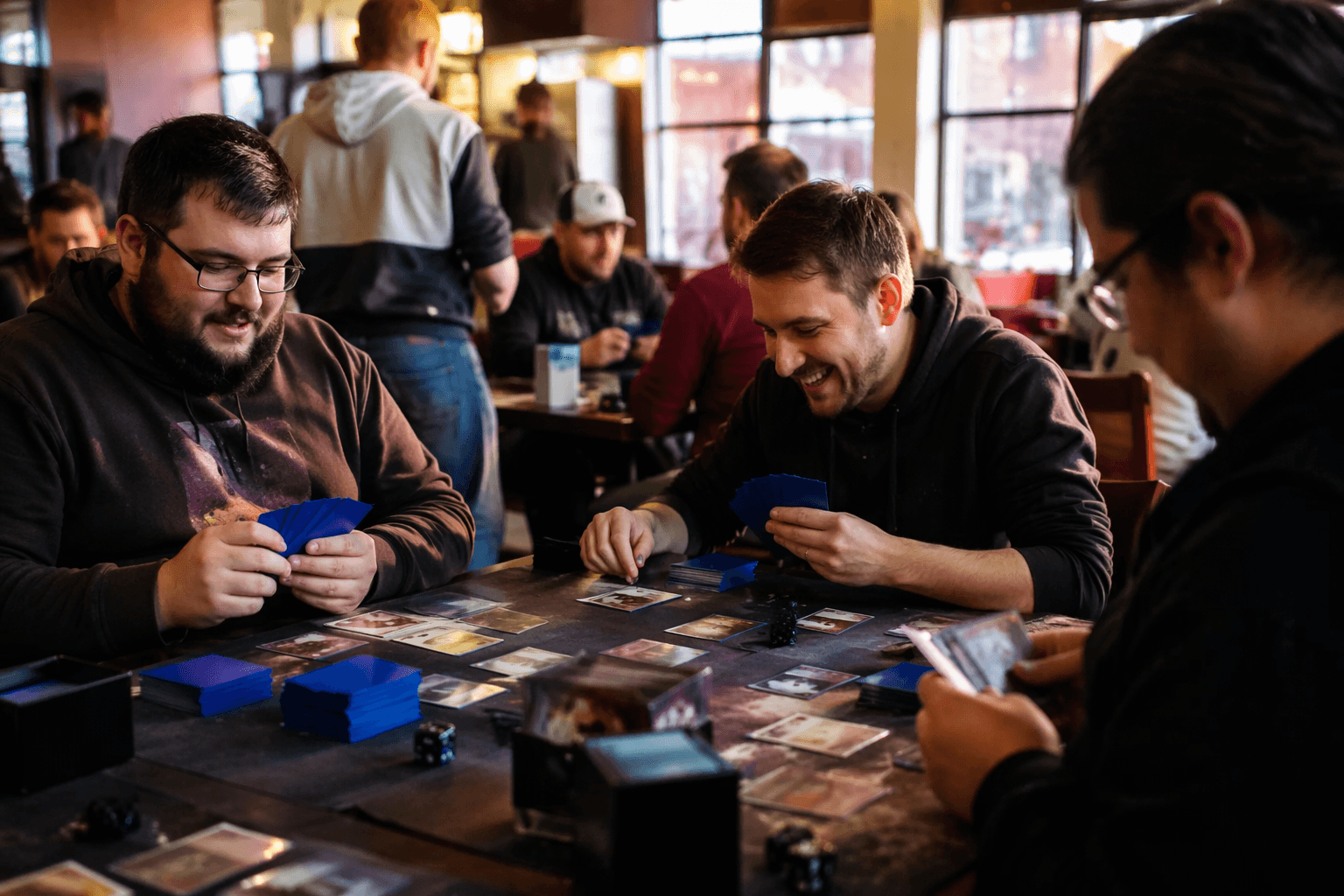
A ten-player Commander pod on Game Knights put EDHREC names Dana Roach, Cas Hinds and Joey Schultz in the kind of showcase that Commander almost never sees. Wizards of the Coast defines Commander as a four-player format with 99-card decks plus one commander, and estimates game time at about 20 minutes per player, so a ten-person table turned the episode into a full stress test for pacing, threat assessment and table coherence.
Dana Roach brought a Jaheira, Friend of the Forest and Agent of the Iron Throne aristocrats-style deck, while Joey Schultz piloted a family deck led by Errant and Giada and leaned into flying-creature value. Cas Hinds also appeared in the mix with Coram, the Undertaker. That combination gave the table a wide spread of game plans, from sacrifice pressure to airborne incremental value, which is exactly the kind of variety that makes a giant multiplayer pod more than just a novelty.
The episode’s most important practical detail for Commander players was not just the size of the table, but how the Game Knights crew kept it watchable. The crew used the Bag of Doom as a table-management tool, a reminder that oversized pods need structure or they collapse under their own turns. In a game this large, every decision compounds. Threat assessment has to happen faster, turn cycles have to stay tight, and players need a way to keep the action moving without losing track of what matters on the battlefield.
The show notes also credited Ultra PRO as a sponsor and called out the company’s APEX sleeves and MANA 8 product line, adding a little production context around the episode. The Command Zone’s YouTube show description identifies Game Knights as a Commander-focused gameplay series hosted by Jimmy Wong, Josh Lee Kwai and Rachel Weeks, and the ten-player episode fit that lane as a personality-driven crossover as much as a gameplay event. A separate post-game talk followed the match, underscoring how much attention the oversized game drew. For Commander fans, the takeaway is clear: the episode worked because it turned deck identity, table management and multiplayer spectacle into one package, and that is still one of the strongest formulas in the format.
This article was produced by Prism’s automated news system from verified source data, official records, and press releases, then run through automated quality and moderation checks before publishing. The system is built and supervised by the people who set the standards it runs under. Read our full AI policy.
Did this article answer your question?