EDHREC Spotlights Underplayed Cards for Sauron, the Dark Lord Decks
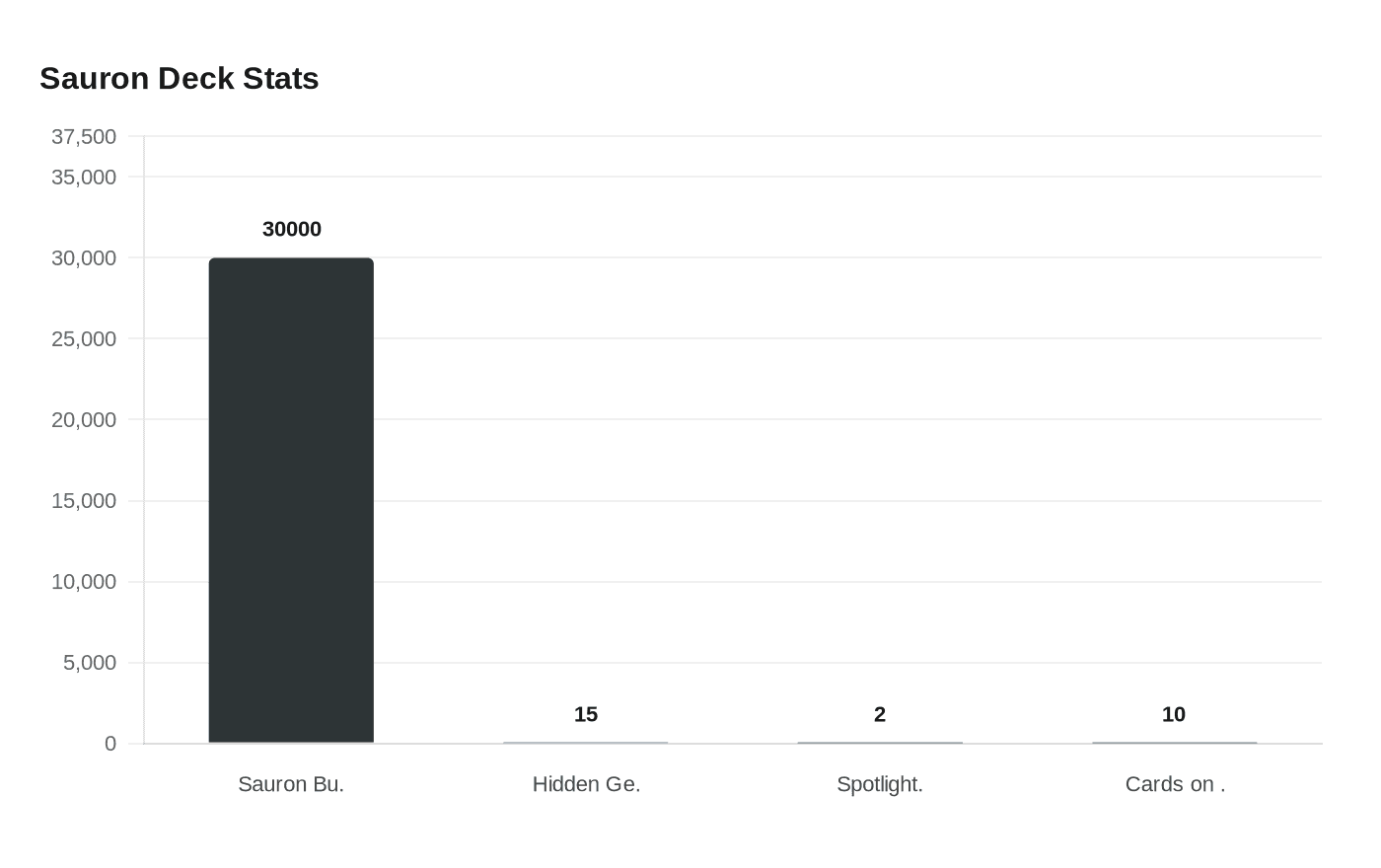
Sauron has 30,000+ EDHREC decks but most skip cards under 2% inclusion — Levi Perry's Hidden Gems column reveals what Grixis pilots are missing.
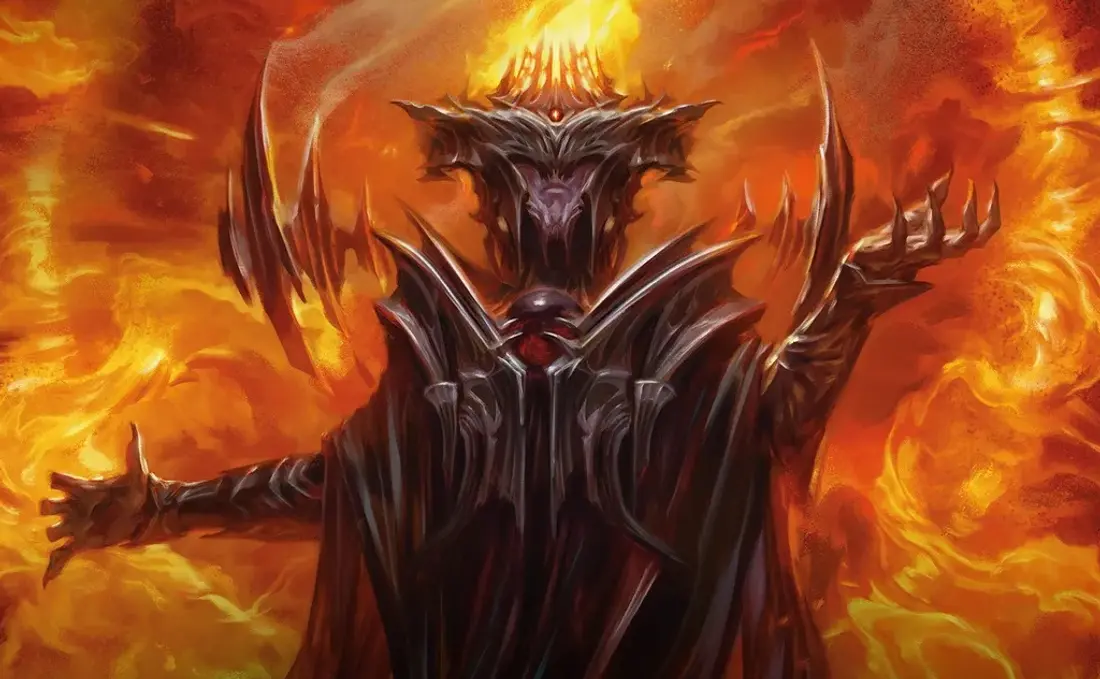
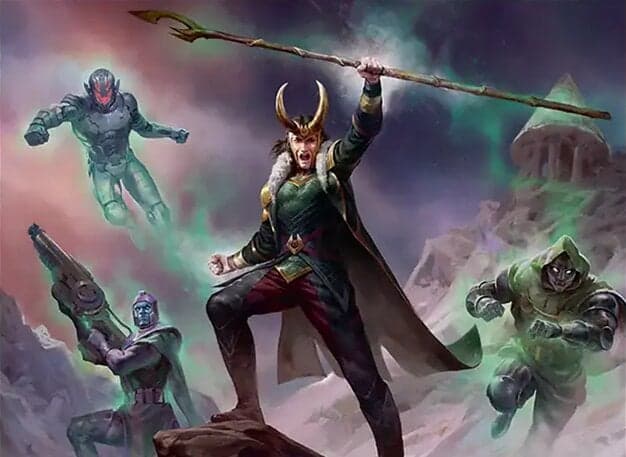
Over 30,000 Commander players have built around Sauron, the Dark Lord, making him the most popular Grixis commander on EDHREC by a significant margin. That kind of popularity usually signals a well-explored card pool, a community that has turned every stone and catalogued every synergy. But Levi Perry, writing for EDHREC's Hidden Gems column, argues the opposite is true: the sheer volume of Sauron decks has not translated into thorough deckbuilding. Strong, synergistic cards are sitting at under two percent inclusion, largely ignored while the community leans into the familiar.
Perry's Hidden Gems series has a simple, rigorous standard: "For a card to qualify as a hidden gem, it must appear in less than fifteen percent of all registered decks here on EDHREC." The idea, as Perry frames it, is to surface cards "that are solid additions for a commander that the larger community may be overlooking for one reason or another." For the Sauron installment, Perry goes further, zeroing in on the most underplayed end of the spectrum, cards sitting at under two percent inclusion across all registered Sauron builds on EDHREC. Ten cards make the final list, each one meeting that threshold, each one representing a genuine gap between what the deck could be doing and what most pilots are actually putting in their 99.
Why Sauron Rewards a Closer Look
Part of what makes Sauron, the Dark Lord such a compelling deckbuilding puzzle is that his engine is unusually passive. As Perry puts it: "Sauron rewards us for doing something our opponents were already going to do: casting spells." Every time an opponent casts a spell, Sauron triggers amass Orcs 1, which either creates a 0/0 Orc Army token with a +1/+1 counter or adds a +1/+1 counter to an Army already in play. You are not burning your own resources to grow your board; you are converting your opponents' natural gameplay into a threat. The longer the game goes, the bigger the Army gets, almost regardless of what you do.
That mechanical reality shapes everything about what belongs in the 99. If your commander is already generating a creature that scales with the game's pace, the cards you add should be doing something Sauron cannot do on his own: shaping your hand, fueling your graveyard, and providing evasion so the Army you have been quietly growing can actually close out a game. Perry's hidden gems, drawn from Grixis's deep catalog of card advantage and graveyard interaction, fill exactly those roles.
Perry also makes a point worth taking seriously for players who have not given Sauron a serious look: "While a lot of those builds lean heavily into a Lord of the Rings theme, there's more than enough raw power here to tempt players who have never read Tolkien a day in their lives." The flavor is there if you want it, but the card's mechanical identity stands entirely on its own.
The Case for Wheel Interaction
One of the more striking moments in Perry's column is a passage about a card that pairs with wheel effects, spells that force everyone at the table to discard their hand and draw a new one. Wheels are a Grixis staple, appearing in high numbers across Sauron lists already. The card Perry spotlights, without naming it in the provided excerpt, does something subtle and powerful to that archetype: "This card subtly transforms our wheel effect from chaotic to curated. We're no longer just dumping our hand. We're sculpting our future turns."
The shift Perry is describing matters enormously in Commander. A raw wheel is chaos: you empty your hand and hope the new seven are better. A curated wheel lets you choose what you keep, what you ditch, and what you set up for the following turns. In a deck that already benefits from filling the graveyard and smoothing its draws, that distinction between chaotic and curated is the difference between hoping the deck works and knowing it will. Perry's conclusion is direct: "At under two percent inclusion, that level of control feels criminally underplayed."
Likeness Looter: Everything Sauron Wants in One Card
The most fully fleshed-out example in Perry's column is Likeness Looter, sitting at just 1.5% inclusion across Sauron decks. Perry's characterization is efficient and accurate: "Likeness Looter does a little bit of everything Sauron wants."
Start with the body itself. Likeness Looter is a small evasive creature, and in a deck built around growing a single Army token to threatening size, evasion matters for more than just attacking. Perry notes it "can carry the Ring effectively," a reference to the Temptation of the Ring mechanic woven through Lord of the Rings sets, which provides escalating bonuses to whichever creature you designate as the Ring-bearer. An evasive Ring-bearer is harder to chump-block, harder to trade into, and more reliably triggers the Ring's temptation effects each combat.
Then there is the loot ability. Perry defines it plainly in the column: "draw a card and discard a card, which helps fuel our graveyard and smooth our draws." In a Grixis deck that wants cards in the graveyard as a resource, and wants to consistently find the right piece at the right time, a repeatable loot stapled to a creature that was already earning its place is a significant dividend.
The late-game mode is where Likeness Looter becomes genuinely dangerous. By paying mana, you can have it become a copy of any creature card in your graveyard. Perry's assessment is hard to argue with: "That effectively turns it into a flexible reanimation spell stapled to an evasive body." Grixis is the color combination most capable of filling a graveyard with powerful creatures over the course of a game. Giving a one-card package the ability to become whatever the situation demands, a second threat, a utility creature, or something with an immediate enter-the-battlefield effect, at 1.5% inclusion, is exactly the kind of gap the Hidden Gems series exists to close.
What These Cards Tell You About the Sauron Meta
The pattern emerging from Perry's analysis is that Sauron pilots are collectively leaving a specific category of cards on the table: flexible, lower-cost pieces that interact with the deck's existing gameplan rather than demanding a new one. Wheels are already in these decks. Graveyards are already filling. Evasive threats are already valued. What is missing are the cards that upgrade each of those systems by a meaningful degree without asking you to rebuild around them.
A 30,000-deck commander with a two-percent ceiling on some of its best synergistic pieces is not a solved format. It is a well-populated one with significant room left to explore. Perry's column is a direct invitation to go looking.
This article was produced by Prism’s automated news system from verified source data, official records, and press releases, then run through automated quality and moderation checks before publishing. The system is built and supervised by the people who set the standards it runs under. Read our full AI policy.
Did this article answer your question?