How to Build and Play Zombies in Commander, Explained
Zombies boast over 600 cards in Magic and Wilhelt, the Rotcleaver sits at 42nd most-played commander — here's how to build the archetype right.
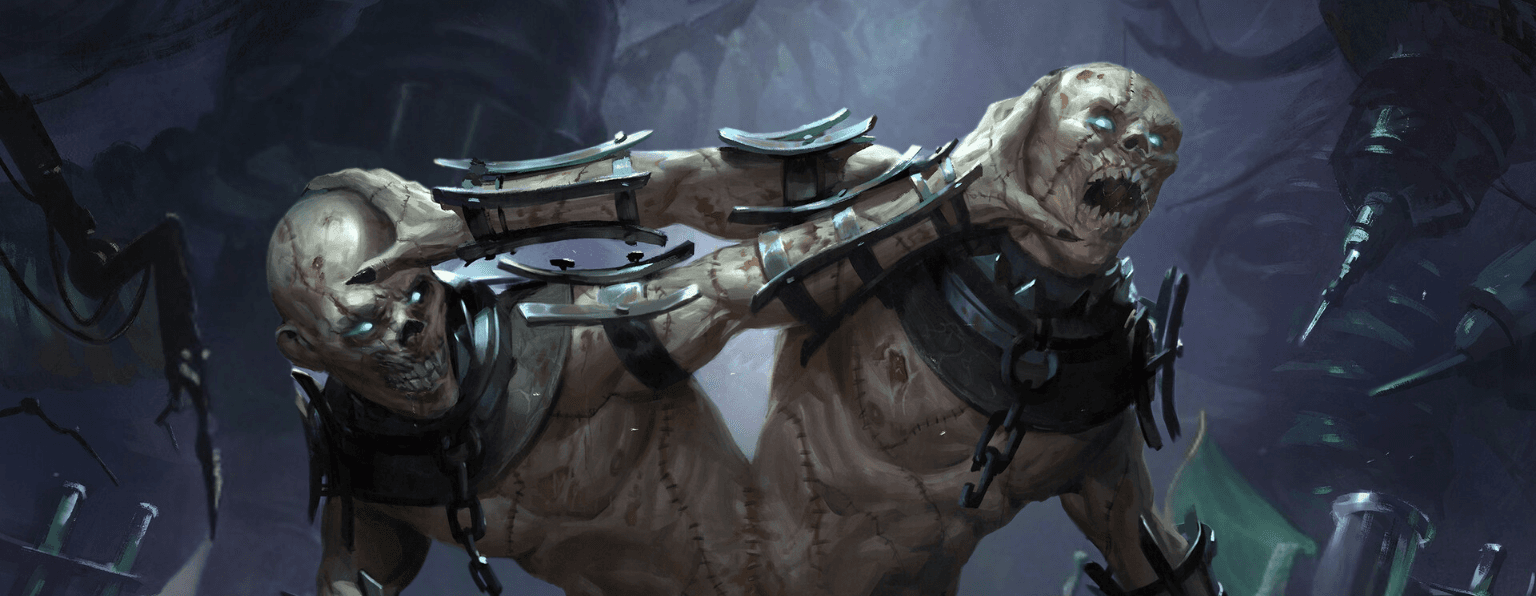
Zombies are a staple of fiction, even outside of horror! They're shambling ghouls and rotting corpses that want to bring death to all things living, haunting sterile laboratories and dusty crypts." That's how EDHREC's guide to Zombies in Commander opens, and it captures exactly why this creature type has such a grip on Magic players. The questions that follow are the ones every aspiring necromancer eventually asks: how do you play them, which commanders work best, and how do Zombies actually win in Commander?
The short answer is that few archetypes in the format offer this combination of resilience, flexibility, and raw card volume. There are over 600 non-Changeling Zombies in Magic as of 2026, and unlike some popular creature types, the pool keeps growing. Aetherdrift brought new options to the pile, and every time Magic returns to Innistrad or Amonkhet, you can count on a fresh wave of rotten troops joining the ranks.
A Creature Type With Serious History
Zombies have one of the biggest pedigrees in Magic, rooted in fantasy tradition that runs from Tolkien's barrow-wights to Dungeons & Dragons' liches. Alpha/Beta introduced Zombie Master, one of the very first "cares about creature types" creatures in the game's history, even though he could only boost Scathe Zombies for the entire first year of Magic. The type's real breakout moment came with 2002's Onslaught, a set that prioritized Soldiers, Wizards, Zombies, Goblins, and Elves as its core tribal identities. While Goblins earned the bigger competitive footprint, Onslaught cemented Zombies and Elves as the format's most enduring casual staples, a reputation Zombies have never surrendered.
Part of their staying power is design flexibility. The creature type spans a 1/1 undead Human all the way to a 7/6 undead Dinosaur, which means Zombie decks can be built in wildly different directions while still feeling thematically coherent. There's something about the image of implacable, faceless hordes that resonates across generations of players.
How Zombies Win: Three Core Strategies
Before choosing a commander, it helps to understand the three main engines that Zombie decks run. Each one takes the tribe's natural strengths in a distinct direction.
Graveyard Recursion
Zombies are known for their ability to rise from the grave, making graveyard recursion a cornerstone of many Zombie Commander decks. The graveyard in a well-built Zombie list functions as a second hand: you're constantly filling it and pulling from it, which means removal that would cripple other archetypes is often just fuel for yours. Cards like Gravecrawler and Lord of the Undead let you repeatedly bring back your Zombies, while powerful reanimation spells like Living Death can swing an entire game by flooding the battlefield with creatures your opponents thought they'd already dealt with.
Token Swarms
Creating an overwhelming horde of Zombie tokens can quickly overrun opponents. This strategy leans into board-wide pressure rather than individual card power: you're generating so many bodies that combat math becomes unsolvable for the table. Once the tokens are in play, lords like Cemetery Reaper and Death Baron turn a pile of 2/2s into a legitimately threatening force. The key is pairing token generation with enough anthem effects to close games before a single board wipe undoes your work.
Zombie Tribal Buffs
The third pillar is the classic tribal pump approach, stacking lords and static bonuses across the battlefield to make every Zombie in play disproportionately large. This strategy rewards density: the more Zombies you control, the more every buff matters. It layers naturally with both of the other two strategies, since a graveyard recursion engine that keeps returning lords, or a token engine feeding a field of buffed bodies, can produce wins out of nowhere.

The Best Zombie Commanders
Gisa and Geralf
Gisa and Geralf is what the EDHREC guide calls "a non-Zombie Zombie commander," a phrase worth unpacking. The duo are not themselves the Zombie creature type, but they're purpose-built to lead a Zombie deck, allowing you to cast a Zombie from your graveyard once on each of your turns. That persistent recursion engine creates enormous flexibility. "The flexibility of this means you can respond to just about any threat you're up against depending on how far into the game you are," the guide notes, and that's the core of why Gisa and Geralf reward experienced pilots.
There's a nuance to the casting trigger worth noting: "the fact you're casting these Zombies can be either a blessing or a curse based on what supplementing cards you have in hand." If your deck is built around enters-the-battlefield triggers or cast triggers, this is pure upside. If you're running spells that care about Zombies entering from the graveyard differently, the interaction can cut against you. Gisa and Geralf also self-mills upon entering the battlefield, which immediately starts loading your graveyard with the Zombies you'll be casting for free on future turns. With this commander, the graveyard becomes a second hand in the most literal sense.
Ghoulcaller Gisa
Where Gisa and Geralf play a long, recursive game, Ghoulcaller Gisa is a token factory. She excels at generating large numbers of Zombie tokens in a hurry, which makes her the natural home for the token swarm strategy. Those tokens become genuinely dangerous once lords like Cemetery Reaper and Death Baron enter the picture, turning quantity into quality. If your preferred way to win is turning sideways with a dozen or more Zombies, Ghoulcaller Gisa is the commander who makes that happen most efficiently.
Wilhelt, the Rotcleaver
Wilhelt, the Rotcleaver sits at 42nd most played commander on EDHREC at the time of this writing, and the reason is simple: it doubles your Zombie production. "Whenever a Zombie you control dies, if it didn't have decayed then create another Zombie with decayed." The decayed mechanic means that token can't block and gets sacrificed after attacking, which sounds like a drawback until you remember that Wilhelt is also watching for Zombie deaths. "Zombies like being destroyed," as the guide puts it, and Wilhelt turns every death into a replacement body.
The critical detail is in the restriction: Wilhelt has no restriction on nontoken Zombies, only on non-decayed Zombies. That means any Zombie you control that lacks the decayed keyword will replace itself when it dies. The practical applications are significant. A board wipe that would leave another tribe in ruins becomes a Zombie-generating engine here, and deliberate sacrifice strategies let you double your value from every creature you send away. Wilhelt rewards you for doing exactly what Zombie decks already want to do.
Building Your Zombie Deck
The core insight that connects all three strategies is that Zombie decks treat the graveyard as a resource rather than a discard pile. Whether you're recasting threats with Gisa and Geralf, using Living Death to refill the board after a wipe, or triggering Wilhelt every time something dies, the tribe's engine runs through death and return.
With over 600 Zombies to choose from across Magic's history, including new additions from recent sets like Aetherdrift, the challenge isn't finding Zombie cards: it's narrowing the list down to 99. Start by identifying which of the three strategies appeals most, choose the commander that best supports that gameplan, and build the rest of the deck to maximize the interactions your commander rewards. The archetype's depth is exactly why Zombie decks remain one of Commander's most reliably popular builds, and why that number of available cards just keeps growing.
This article was produced by Prism’s automated news system from verified source data, official records, and press releases, then run through automated quality and moderation checks before publishing. The system is built and supervised by the people who set the standards it runs under. Read our full AI policy.
Did this article answer your question?