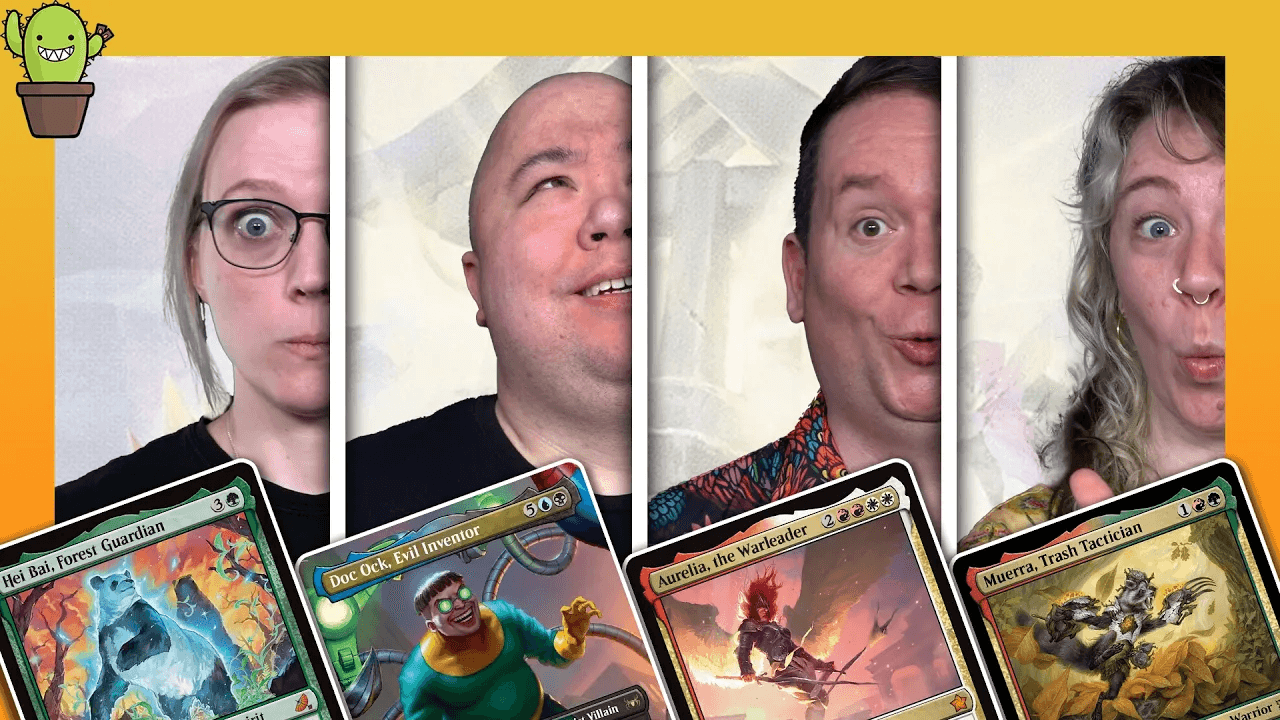
How to Manage the Villain Role at Commander Tables
An essay recently examined how the "villain" role forms at Commander tables and laid out specific social and in-game tactics players can use to win without becoming a permanent target. The analysis matters because perception often drives who gets ganged up on at casual and LGS games, and the piece reframes villainhood as a resource you can manage rather than a curse to avoid.

Commander tables tend to distribute informal roles: value engine, chaos gremlin, midrange, and villain. The villain slot is not a fixed label but a social construction that typically lands on the player who forces everyone else to react. Understanding how that perception forms, and how to influence it, is the practical takeaway for players who want to win sustainably in casual and local game store play.
Perception often matters more than raw numbers. Visible advantages such as a board full of permanents, large mana rocks, or obvious currency-generating plays attract attention even if they are not immediate win conditions. Those visible signals increase your villain score and make other players prioritize you for removal or political pressure. The essay argues that managing what opponents notice is as important as optimizing your deck list.
Timing and presentation are key tools for controlling perception. Choose when to present threats rather than deploying everything at once. Protect important pieces but prefer redundancy and resilience over a single flashy billboard that invites instant gang-up removal. Make threats that can weather a reaction or that present multiple paths to value so opponents cannot shut you down with one card.
Political moves lower your villain score. Publicly answering a threat, sharing information honestly about your intentions, and offering small, reasonable deals reduce the impression that you are manipulating the table. Avoid bargains that sound like coercion; a short, clear explanation of your line and a modest, concrete offer will look better than a cunning long-term promise.
Emotional polish matters as much as technique. Accept that being targeted is part of the meta, and keep your attitude composed when you win. Explain your plays succinctly, avoid gloating, and never mock mistakes. Those behaviors help winners stay welcome and preserve invitations back to the table.
The central reframing is useful: villainhood can be a playable resource. Use it deliberately, time threats, build resilient lines, and practice social skills to keep the game fun and keep invitations coming. For players at home and in LGS communities, that mix of on-table tactics and off-table diplomacy translates into better outcomes and more stable playgroups.
Know something we missed? Have a correction or additional information?
Submit a Tip