Mike Carrozza explains how Reanimator turns Commander graveyards into threats
Mike Carrozza’s guide shows how Reanimate, Animate Dead, and a few huge payoffs turn Commander graveyards into a real engine, not just a discard pile.
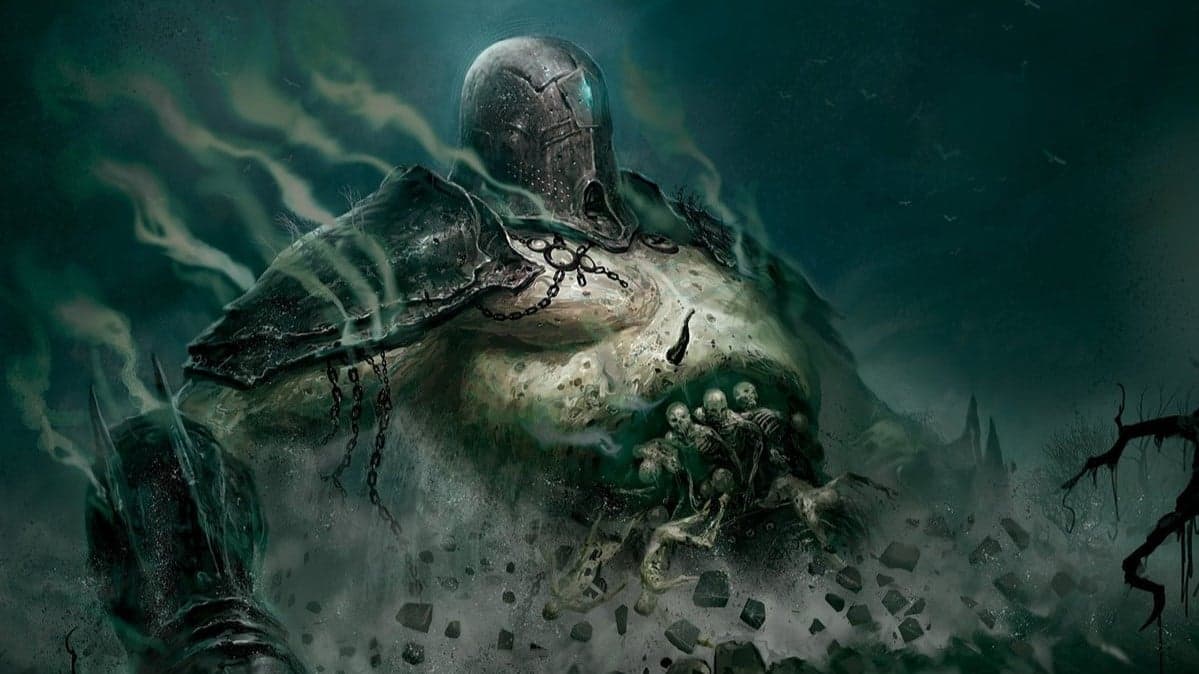
Reanimator is a pressure deck, not a value deck
A good reanimator list does one thing early: it turns the graveyard into a second hand and makes the table answer a threat before it is ready. That is the heart of Mike Carrozza’s April 21, 2026 EDHREC guide, because there is a real difference between a graveyard deck and a true reanimator deck. Carrozza’s piece is useful precisely because it demystifies the moving parts for newer pilots while giving experienced players a way to judge how much graveyard setup, discard, and recursion they actually need.
Commander makes that plan especially nasty. The format uses 100-card singleton deck construction, multiplayer games start at 40 life, and a player dealt 21 or more combat damage by the same commander loses the game. Those rules reward explosive board presence, which is why reanimator stays one of the cleanest ways to steal tempo and force awkward answers.
The strategy also has deep roots. Animate Dead goes back to Alpha, and the archetype’s own name comes from Reanimate, first printed in Tempest. That gives the shell more than three decades of history, but the idea is still brutally modern: spend less mana than the creature should cost, and make the opponent deal with the result immediately.
The core package starts with cheap reanimation
The backbone of the deck is not mysterious. Reanimate is the poster child because it is a black sorcery that puts a creature card from a graveyard onto the battlefield under your control. Animate Dead does the same job in a different shape, enchanting a creature card in a graveyard and returning it to the battlefield. Those two cards define what a real reanimator shell wants: low-cost access to the best creature in any graveyard, yours or sometimes the table’s.
From there, the package wants a clear top end. EDHREC points to Breach the Multiverse as the kind of huge reanimation payoff that helps close games once the engine is online. That matters because reanimator is not only about the first swing, it is about making each cheap return spell feel like a haymaker. If your deck only ever recasts medium-sized value creatures, you are drifting toward graveyard value. If the plan is to land a monster early and then repeat the pressure, you are in the right lane.
A modern Commander reanimator package, then, is really a triangle:

- cheap reanimation like Reanimate
- flexible recursion like Animate Dead
- a finisher that turns one graveyard into a battlefield swing, such as Breach the Multiverse
That is also where deckbuilding restraint matters. You are balancing graveyard setup, discard, and recursion, not loading every card that mentions the graveyard and hoping the list sorts itself out.
Pick the commander for the kind of graveyard deck you actually want
EDHREC’s Reanimator tag makes one thing obvious: the archetype spans a lot of color identities, and that breadth is part of its appeal. The tag page includes commanders such as Teval, the Balanced Scale, Meren of Clan Nel Toth, Terra, Herald of Hope, Sefris of the Hidden Ways, and Muldrotha, the Gravetide. That spread tells you the shell can live in monocolor, two-color, three-color, and even five-color builds without losing its identity.
The catch is that not every graveyard commander is a true reanimator commander. Muldrotha is the clearest example of why that distinction matters. EDHREC tags Muldrotha not only for reanimator, but also for sacrifice, mill, and graveyard themes, which marks it as a broader recursion deck rather than a pure creature-reanimation engine. Osgir, the Reconstructor sits in a similar conversation: powerful graveyard value, but not the same thing as a deck built to keep jamming creatures straight from the bin onto the battlefield.
If your idea of fun is looping permanents and grinding incremental value, those commanders are monsters. If your goal is to put giant creatures onto the battlefield for far less mana than they should cost, you want to be honest about whether the commander actually supports that specific plan. That honesty is the biggest lesson in Carrozza’s guide, because a commander can live near reanimator without being the right shell for it.
How the deck keeps the pressure on
The best reanimator decks are built to keep the pressure on after the first big spell gets answered. That means the graveyard cannot just be a dump zone. It has to stay stocked with threats, and your reanimation spells have to keep converting those threats into actual board presence. When the first monster dies, the deck should already be set up to do it again.
That is where the archetype’s practical value shows up in Commander. Because games start at 40 life and commander damage kills at 21 or more, one early oversized creature can force wildly awkward blocks or end a game before slower decks stabilize. Reanimator leans into that reality better than almost any other archetype. It cheats on mana, it punishes tapped-out opponents, and it keeps forcing the table to answer a problem that never should have arrived that early.
There is also a reason this style keeps resurfacing in new metas. The core cards are simple, the game plan is brutally clear, and the floor is high because even a modest draw can become explosive once the graveyard is online. That is why the guide lands for both newer players and seasoned deckbuilders: it explains the machinery without pretending the shell is more complicated than it needs to be.
Why the archetype still builds decks, not just nostalgia
Reanimator is one of those Commander strategies that always sounds a little unfair, because it is. You are not just filling a graveyard, you are treating it like a second hand and using it to put immediate pressure on the table. The history backs that up, from Alpha-era Animate Dead to the Tempest-era Reanimate that gave the archetype its name.
The modern lesson is just as sharp: start with cheap reanimation, add the right payoff, and make sure your commander actually points the deck toward creature-reanimation instead of generic graveyard value. If you want to cheat on mana and turn expensive creatures into early-game threats, reanimator still gives you one of the cleanest, most powerful frameworks in Commander.
This article was produced by Prism’s automated news system from verified source data, official records, and press releases, then run through automated quality and moderation checks before publishing. The system is built and supervised by the people who set the standards it runs under. Read our full AI policy.
Did this article answer your question?