Rakdos, the Muscle revives aristocrats as a Commander powerhouse
Rakdos, the Muscle turns sacrifice fodder into library exile and real kill pressure. At about $1.22, it is a cheap Commander closer with combo teeth.
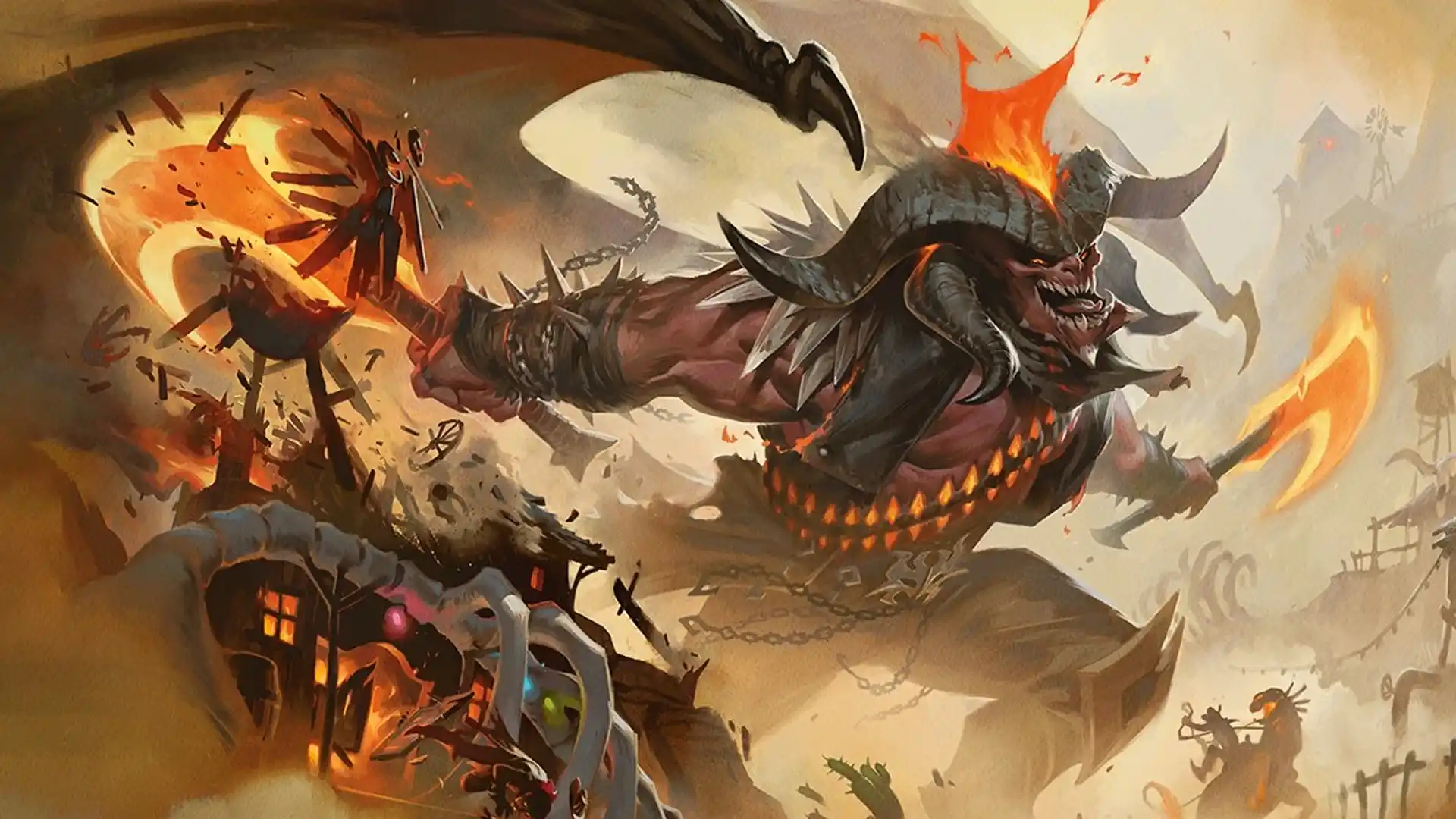
Rakdos, the Muscle is the kind of bulk mythic that sneaks past players until it is already taking over the table. In an aristocrats shell, every sacrificed creature becomes library exile, castable cards, and a clock that can end the game fast. The surprise is not that Rakdos works, but that a commander this cheap and this overlooked can sit at the center of a real finisher package.
Why Rakdos is a real Commander engine
Rakdos costs {2}{B}{B}{R} and comes down as a legendary Demon Mercenary with flying and trample, which already gives it a sturdy combat profile. The important part is the trigger: whenever you sacrifice another creature, you exile cards equal to that creature’s mana value from the top of target player’s library, then you may play those cards until your next end step and spend mana of any type to cast them. That text does two jobs at once, because it turns fodder into fuel while also letting you press the table’s resources instead of just recycling your own graveyard.
The commander is legal in Commander and was printed in Outlaws of Thunder Junction, where the main-set version has hovered around the low-dollar mark, with Scryfall listing it at about $1.22 at crawl time. That matters because Rakdos is not asking for a premium buy-in to do powerful things. It is a budget mythic with a ceiling that looks much more expensive than the card itself.
How the trigger turns ordinary aristocrats play into a win condition
Aristocrats decks already know the basic script: make bodies, sacrifice them, turn deaths into value, repeat. Rakdos changes the payoff from incremental drain into card access, which is a nastier place to be when the engine is humming. The sacrificed creature’s mana value is checked as it last existed on the battlefield, and {X} counts as 0 for that calculation, so the trigger uses the creature’s real final value rather than whatever the card looked like in hand.
That detail matters because it rewards careful deckbuilding. Cheap recursive creatures and disposable sacrifice fodder now do more than pad the graveyard, while larger bodies can still cash in for a bigger library hit when you need to spike a turn. The result is a commander that can grind fair games and also set up sudden, lopsided turns where the cards you exile are enough to keep chaining plays.

Rakdos usually works best when you exile cards from your own library, because that keeps the engine smooth and predictable. But the fact that the trigger targets a player opens up awkward pressure lines too, especially if an opponent has manipulated the top of their deck or is relying on a narrow resource pattern. Even when you are not trying to be cute, the ability to point the trigger at the right deck gives Rakdos a level of flexibility most sacrifice commanders do not get.
The support cards that make the deck hum
The cleanest Rakdos builds lean on recursion and immediate value. Poxwalkers and Bloodghast are exactly the kind of creatures you want because they come back, feed sacrifice outlets, and keep the commander firing without asking for a full rebuild after every wipe. Evoke creatures such as Ingot Chewer fit the same plan from a different angle: you get the enters-the-battlefield value, then turn the creature into Rakdos trigger fuel before it ever has to survive a turn cycle.
Mana production is the other half of the puzzle. Ashnod’s Altar and Pitiless Plunderer both help solve the same problem, which is how to keep casting the cards you exile while still continuing the sacrifice loop. If Rakdos is the card flow, these are the pieces that keep the engine from stalling when the table starts interacting.
The article’s strongest support pieces get even more mileage because they line up with Rakdos’s game plan instead of fighting it. Warped Space helps push the deck’s weird value pattern, while Nalfeshnee and Prosper, Tome-Bound are the kind of thematic finishers that let you run further ahead once the commander is active. In practice, that means you are not just making tokens and hoping they matter, you are assembling a board where every death is another step toward burying the table.
The combo lines are where Rakdos stops being cute
Rakdos does not need to be all fair value, and that is where the deck gets scary. The listed infinite combo using Phyrexian Altar and Forsaken Miner can loop sacrifice and rebuy lines until each opponent’s library is exiled completely. Once a Rakdos deck can convert one creature into repeated triggers and unlimited sacrifice loops, the game stops being about combat and starts being about how quickly the table can actually escape the pile of exiled cards.
There is also a self-mill route with Golgari Thug and Ashnod’s Altar. By sacrificing and recasting Thug until your own library disappears, you can pivot into a drain payoff such as Blood Artist and close the game that way. That line is a good reminder that Rakdos does not need to win the same way every time, and that flexibility is part of what makes the commander more dangerous than its price tag suggests.
Why this matters for cheap, scary Commander decks
Rakdos, the Muscle fits a sweet spot Commander players always chase: low entry cost, real inevitability, and multiple ways to end the game. It is an aristocrats commander that rewards the normal sacrifices players already like making, but it also converts those actions into exile-based pressure and combo finishes that can end a pod on the spot. That is a rare mix for a card sitting in bulk-mythic territory.
The bigger takeaway is simple. If you already like sacrifice decks, Rakdos gives you a commander that turns the usual value pattern into a library-eating threat, and if you want a cheap but scary closer, this is exactly the sort of mythic that deserves a slot at the head of the table.
This article was produced by Prism’s automated news system from verified source data, official records, and press releases, then run through automated quality and moderation checks before publishing. The system is built and supervised by the people who set the standards it runs under. Read our full AI policy.
Did this article answer your question?