r/EDH Thread Argues Tournament Origins, Sparks Power-Level Etiquette Debate
A high-engagement r/EDH thread argued Commander grew from tournament and judge communities, sparking a heated debate on power-level etiquette and playgroup expectations.

A r/EDH thread posted January 19, 2026 reignited conversation about what Commander was meant to be and how players should behave at the table. The original poster argued the format's roots lie with experienced tournament players and judges rather than as a purely casual invention, and the thread quickly drew high engagement as users hashed out definitions of casual, competitive intent, and social responsibility.
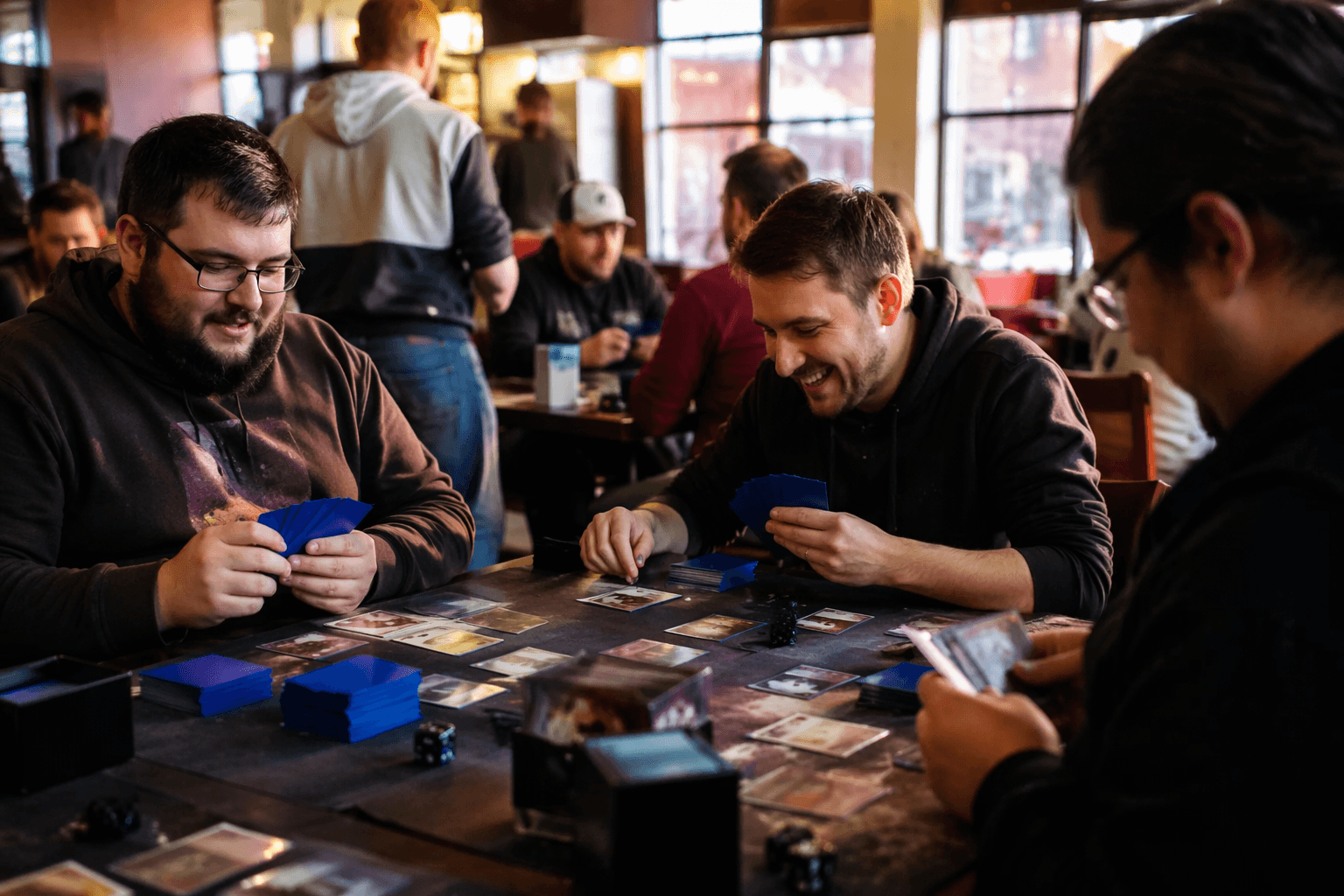
The discussion unfolded across several common fault lines. One side framed Commander as a format that evolved with input from organized-play minds, implying a baseline expectation of rules knowledge, card-reading discipline, and responsibility for maintaining fair games. The other side pushed back, defending the casual, kitchen-table image of EDH and stressing that accessibility and casual fun remain core values. Between these poles the community debated where etiquette should land: whether players should self-police power levels, how explicit playgroup agreements need to be, and what counts as bad faith tuning.
Practical topics dominated the thread. Users dissected deck-building expectations and table balance, calling out scenarios where tuned, high-power brews upset a group's agreed vibe. Discussion sharpened around concrete behaviors: reading your own cards and opponents' interactions, announcing game-winning lines or infinite combos when appropriate, and the social cost of bringing "cEDH-caliber" decks to mixed groups without warning. Many contributors framed these as part of a shared social contract rather than rule enforcement by a judge or store staff.
The debate also tracked a change in the broader Commander scene: modern competitive brews and tighter tuning have raised what players expect from opponents and from their own builds. That shift created friction when playgroups include a mix of longtime competitive tuners and casual players expecting more narrative, politics-driven games. The thread served as a reminder that Commander is both a rules-arena and a social space, and that neither aspect can be ignored without consequences.
For active players, the takeaway is simple and actionable. Clarify power-level expectations before games, label or describe decks when inviting new players, and practice clear communication at the table. Read cards, state major lines when asked, and be willing to adjust decks or choose pods that match playgroup tastes. Tournament experience and judge training inform a useful skillset, but they do not automatically translate to a match's social contract.
This conversation is part of an ongoing negotiation in the Commander community about what counts as fair play and what counts as fun. Expect more threads like this as the format continues to attract both tuned brews and casual storytellers, and treat your next pre-game chat as essential deck tech.
This article was produced by Prism’s automated news system from verified source data, official records, and press releases, then run through automated quality and moderation checks before publishing. The system is built and supervised by the people who set the standards it runs under. Read our full AI policy.
Did this article answer your question?