Sedris, the Traitor King Still Powers Explosive Grixis Graveyard Loops
Sedris turns the graveyard into a value engine, and cheap unearth plus blink support still gives Grixis pilots a brutal loop package on a budget.
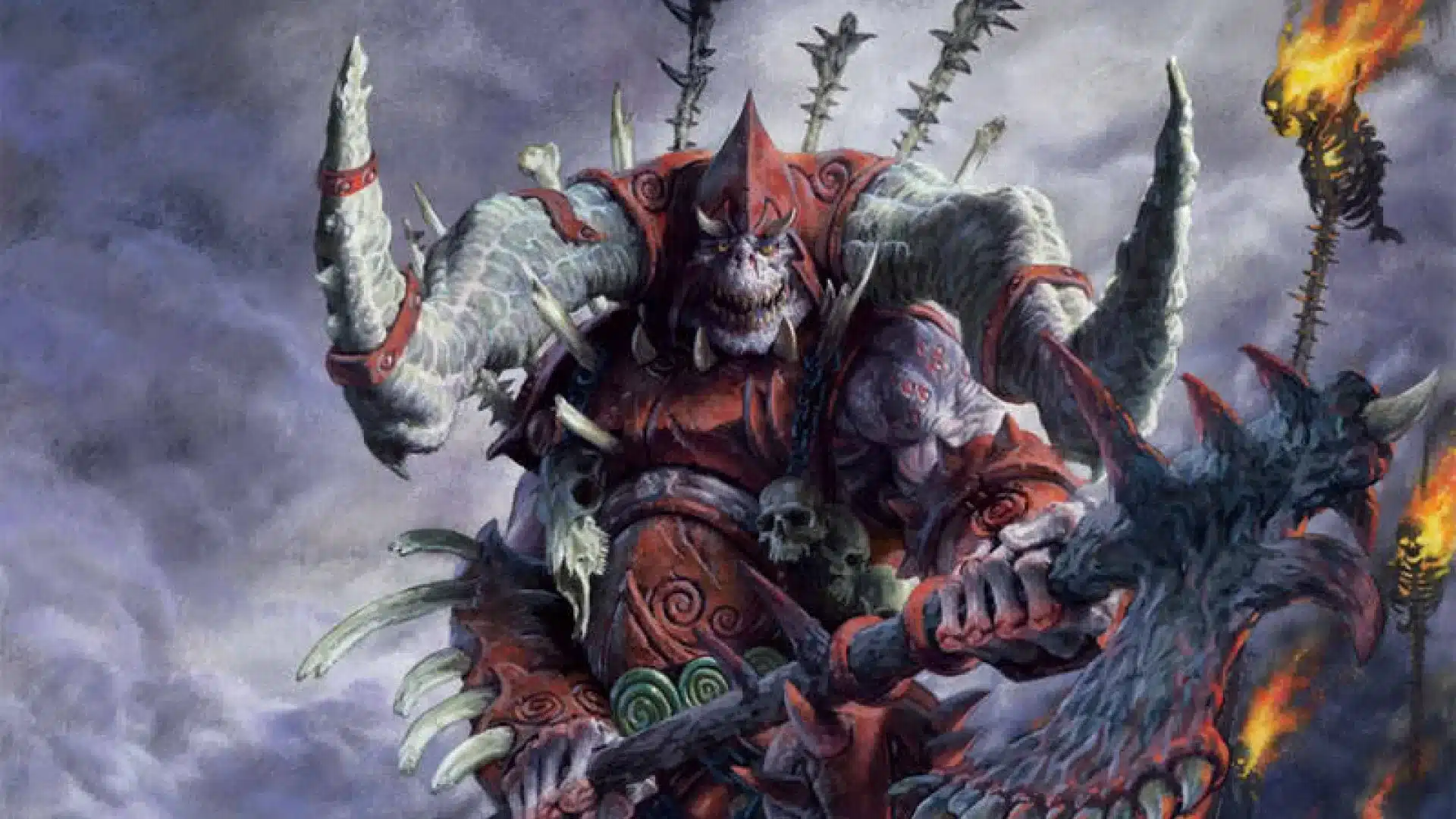
Sedris still rewards the same thing Commander always rewards: a graveyard that never stays quiet. Sedris, the Traitor King is a legendary Zombie Warrior from Shards of Alara, the set released on October 2, 2008, and that age is part of the appeal. In a format where new legends arrive every spoiler season, Sedris still gives Grixis a commander that turns dead creatures into immediate pressure instead of long-term hope.
Commander is the right home for that plan because the format is built around a 100-card singleton deck, a commander in the command zone, and 40 starting life. That extra life gives you time to set up a graveyard engine, and Sedris is exactly the kind of commander that cashes in on that window. He does not ask you to do anything cute. He asks you to put creatures in the yard, then use them like ammunition.

How Sedris actually works
Sedris’s oracle text is brutally simple: each creature card in your graveyard has unearth {2}{B}. Unearth returns the card to the battlefield with haste, then exiles it at the beginning of the next end step, or if it would leave the battlefield. The Comprehensive Rules define unearth as an activated ability that functions only while the card is in the graveyard, which means Sedris rewards you for treating the graveyard as an active zone, not a storage bin.
That small rules detail is why Sedris feels better than a lot of older reanimator commanders. You are not waiting to draw the perfect recursion spell. You are turning every creature in the yard into a temporary resource, then pushing as much damage, value, and sacrifice utility through that one turn as possible. Once you make unearth cheaper, the deck stops being fair and starts becoming a flood.
The shell wants cheap setup, not expensive hype
The practical takeaway is that Sedris is strongest when you build around three jobs at once: stocking the graveyard, lowering the cost of unearthed creatures, and extracting value before exile cleanly hits. The research points to artifacts and support pieces doing both jobs, which is the kind of efficiency that keeps a graveyard deck from stalling out. When the yard is full and the unearth cost is light, you can deploy multiple threats in a single turn cycle and keep chaining value.
- self-mill or discard to load the graveyard
- cost reduction for unearth
- creatures with enter-the-battlefield triggers or death triggers
- sacrifice outlets so your creatures do something useful before they vanish
- at least a few ways to protect key turns from removal
A clean Sedris shell usually wants:
That is why Sedris is not just a nostalgia commander. He is a reanimator shell with texture. Instead of the usual pile of best-in-slot haymakers, you get a deck that asks sequencing questions every turn.
Blink effects make the temporary creatures feel permanent
Sedris gets even better when you pair him with cards that can reset the creatures you unearthed. Conjurer’s Closet, from Commander 2013 Edition, triggers at the beginning of your end step and exiles then returns a creature you control. That matters because it can turn a temporary unearthed body into another enter-the-battlefield trigger, which is exactly the sort of thing that makes a graveyard deck snowball.
Deadeye Navigator is even more brutal. It comes from Avacyn Restored, released on May 4, 2012, and its soulbond ability gives paired creatures the activated ability {1}{U}: exile this creature, then return it to the battlefield under your control. In practice, that means you can keep reusing ETB creatures and keep the value loop alive while Sedris keeps presenting the same graveyard as a fresh resource. The deck starts to feel less like recursion and more like a machine that refuses to stay empty.
Teferi’s Veil adds another angle by protecting your unearthed creatures at the right moment. That kind of support is important because unearth naturally creates a tension between power and inevitability: you want the creature back now, but you do not want to lose momentum when exile shows up. The best Sedris turns are the ones where your board survives long enough to matter again.
Why Grixis players should look at Sedris instead of the newest commander
If you already play Grixis, Sedris is worth revisiting when you want a graveyard deck that feels explosive without demanding a wallet full of chase cards. The article’s low-entry-cost framing matters here. You are not paying for novelty. You are buying access to a commander that can still generate real pressure and real combo potential with older support pieces that already exist across multiple eras of Magic design.
Sedris also fits players who are tired of commander decks that just become generic goodstuff piles. He gives you a clear plan, a distinct play pattern, and enough flexibility to lean budget or combo-minded depending on how deep you want to go. That makes him especially appealing during any release cycle dominated by shiny new legends, because Sedris does something those newer cards often do not: he turns every creature in your graveyard into a short, sharp burst of advantage.
That is the real reason Sedris still matters. He is old, but he is not quaint. In the right Grixis shell, he still turns the graveyard into a live weapon and makes every turn feel like you are one good setup away from an absurd chain of value.
This article was produced by Prism’s automated news system from verified source data, official records, and press releases, then run through automated quality and moderation checks before publishing. The system is built and supervised by the people who set the standards it runs under. Read our full AI policy.
Did this article answer your question?