Spike Feeders bracket round 3 showcases high-power Commander decks
Round 3 turns bracket Commander into a survival test: Gilgamesh, Ashling, Katara, and Krang show which high-power plans hold up when every turn matters.
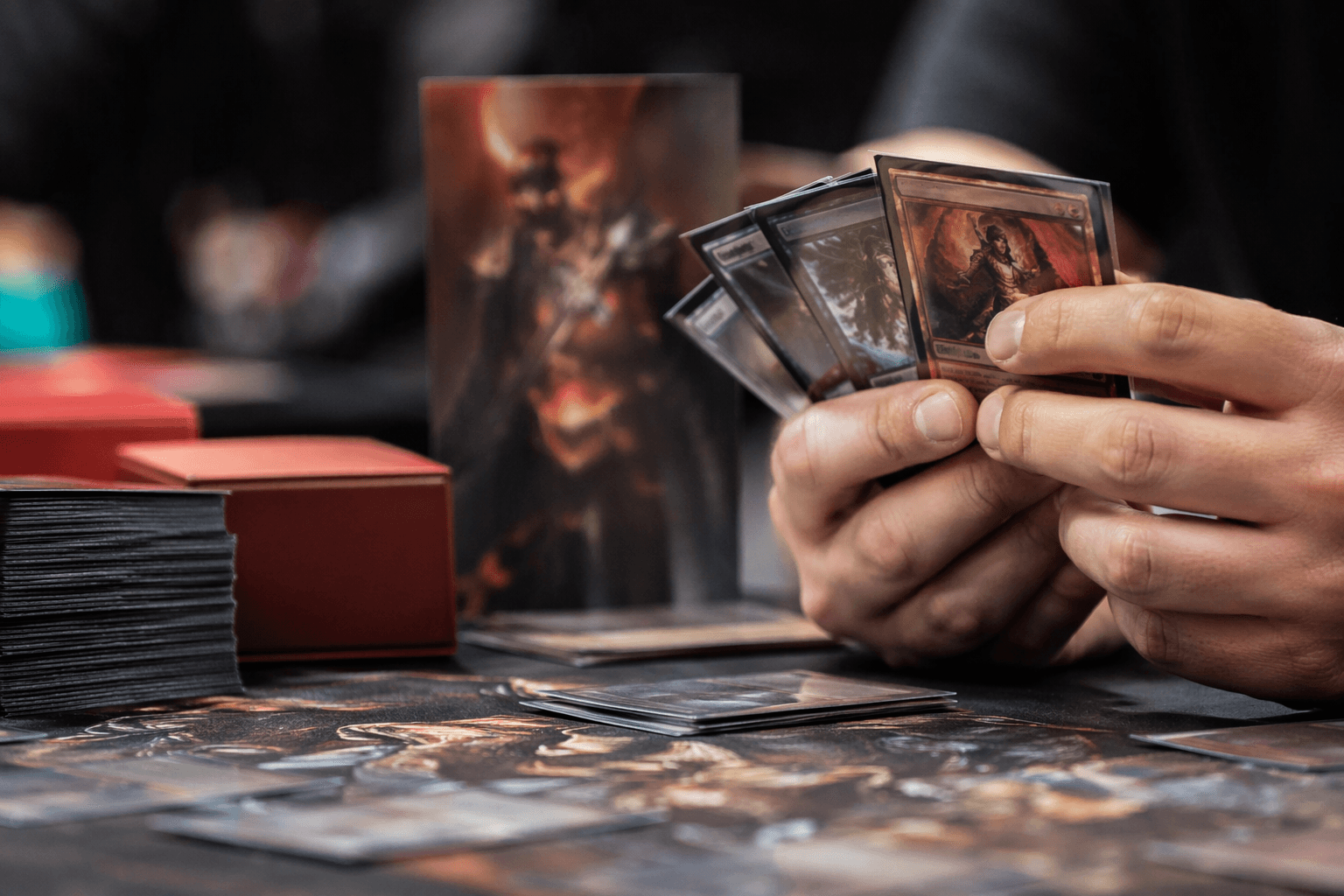
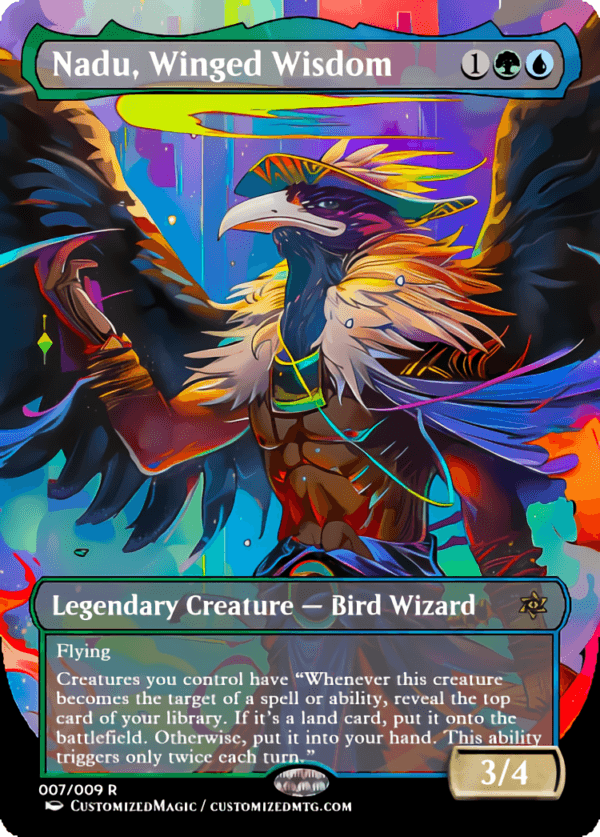
Gilgamesh, Master-at-Arms, Ashling, Rekindled, Katara, the Fearless, and Krang, Master Mind give Spike Feeders’ Round 3 four distinct high-power plans. The bracket format feels real in the way Commander players actually feel it: one bad sequence, one missed window, and your path to the end of the series closes. The visible decklists back that up with a spread that reaches from weaponized combat to spell-driven pressure.
What Round 3 tells you about bracket Commander
Bracket play changes the temperature of a Commander game immediately. In a normal casual pod, a deck can coast on theme and personality for a while; in a bracket setting, a list has to prove it can deploy its plan, absorb interaction, and keep moving when the table starts fighting back.
This is not a pod of near-identical combo decks. It is a snapshot of what high-power Commander looks like when different builders bring different pressure points to the same table.
Gilgamesh points toward a combat plan you can actually execute
Gilgamesh, Master-at-Arms is the clearest signal in the bunch for players who like turning a board presence into clean damage. The name alone points to a deck built around equipment and attack triggers, which means the important skill is not just stacking power but sequencing your turns so the commander lands, suits up, and attacks before the table can reset the board.
That is the kind of list that rewards discipline. You want to know when to commit an equipment piece, when to hold a threat back, and when to force blocks that make your attack step profitable even through removal. In bracket Commander, a combat deck earns its place by converting setup into pressure fast enough that the rest of the pod cannot spend three turns ignoring it.
Ashling and Katara show two very different kinds of snowballing
Ashling, Rekindled suggests a more explosive line, likely built around repeated damage, mana generation, or spell-based pressure that keeps the table from stabilizing. Those decks ask for a different kind of sequencing than the equipment shell does. You are often deciding whether to spend resources immediately for value or hold them until you can chain several actions into one turn cycle.
Katara, the Fearless points in a different direction again, toward a wider board or support package that can snowball if the table lets it breathe. That kind of commander usually rewards early development and careful timing more than raw speed. If the table spends too many resources answering the first threat, Katara-style decks can quietly become the hardest decks to contain because every extra body or synergy piece compounds the last one.
Krang rounds out the range
Krang, Master Mind matters here even without a full archetype read, because its presence widens the bracket’s profile. The pod includes multiple plans with different speeds and different resource demands.
What you can steal for your own high-power list
If you are tuning for a table like this, Round 3 points to a few practical habits:
- Build for the first exchange, not just the goldfish. Your deck needs a way to keep functioning after the first removal spell.
- Make your commander matter quickly. Gilgamesh-style equipment decks and Ashling-style pressure decks both want the commander to translate setup into action.
- Sequence around the table, not just your own board. Bracket games punish players who commit too early or hold everything too long.
- Treat your win condition as a line, not a fantasy. High-power Commander rewards decks that can spell out exactly how they convert board state into a finish.
Why the bracket lens fits Commander right now
Commander is a 100-card singleton multiplayer format, usually played as a four-player free-for-all with each player starting at 40 life and commander damage tracked separately. That structure is why bracket games feel so different from one-on-one Magic. There is more life to chew through, more politics in every turn cycle, and more room for a deck to recover if its pilot has built for resilience.
Commander Brackets, launched as a beta matchmaking system on February 11, 2025, was meant to replace the vague power-level 1-to-10 conversation with a more useful shared language. Wizards said in February 2026 that the system was working well overall, while also flagging the same problems players still argue about every week: intent, early-game combos, tutor density, and how to find the right game.
The series itself has moved quickly, with Game 1 on June 18, Round 2 on June 20, and Round 3 on June 23.
This article was produced by Prism’s automated news system from verified source data, official records, and press releases, then run through automated quality and moderation checks before publishing. The system is built and supervised by the people who set the standards it runs under. Read our full AI policy.
Know something we missed? Have a correction or additional information?
Submit a Tip