Strixhaven Brings Warlocks to Commander, Honest Rutstein Leads the Pact Deck
Strixhaven gives Warlocks a real Commander foothold, and Honest Rutstein turns the tribe into a grindy Golgari deck with actual teeth.
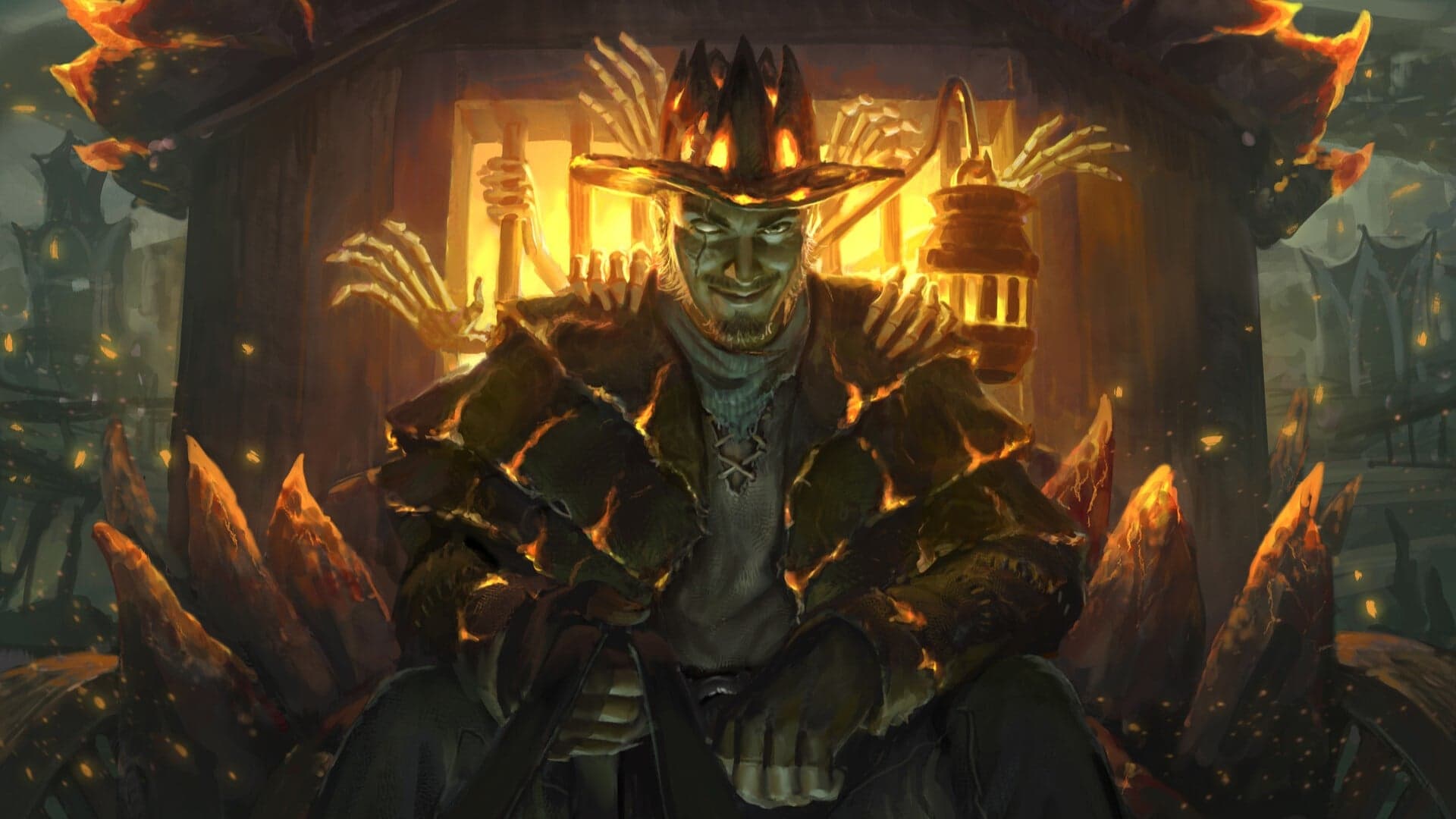
Warlocks finally have enough cardboard to look like a real Commander tribe
Strixhaven is the set that makes this conversation matter. Witherbloom, the College of Life and Death, already leans hard into black-green magic, and that is exactly the lane a Warlock deck wants to live in. The return to Strixhaven, with the five colleges of Silverquill, Lorehold, Prismari, Witherbloom, and Quandrix back in the spotlight, gives the tribe a setting that matches its mood instead of fighting it.

That matters because Warlocks are not just “spooky spellcasters.” Magic introduced Warlock as a black spellcaster type in Throne of Eldraine back in 2019, and that gave the game a darker class to work with long before Commander had enough support to make it feel cohesive. Now, with Secrets of Strixhaven released worldwide on April 24, 2026, the creature type has a clean home in a school built around pacts, secrets, and dangerous knowledge. The result is a typal theme that feels less like a novelty and more like a deck you can actually sleeve up with a straight face.
Honest Rutstein is the commander that makes the pact believable
Honest Rutstein is the right kind of legend for this job because he does more than carry the type line. He is a Legendary Creature - Human Warlock from Outlaws of Thunder Junction, and he costs {1}{B}{G} for a 3/2 body. When he enters, you return target creature card from your graveyard to your hand, and creature spells you cast cost {1} less to cast.
That is a very clean package for Commander. The recursion gives you immediate value, the cost reduction helps you keep deploying threats, and the body itself is cheap enough that you can cast him early without skipping a beat. He is not asking you to jump through hoops. He just rewards you for doing what Golgari already wants to do, which is stock the graveyard, trade resources, and keep recasting creatures until the table runs out of answers.
There is also a nice timeline fit here. Outlaws of Thunder Junction released on April 19, 2024, and it belongs to the larger Omenpaths era, which makes Rutstein feel like part of the current wave of Magic design rather than some dusty throwback. He is recent enough to be relevant, but not so narrow that he only works in one gimmick build.
What the deck actually wants to do
The best Rutstein builds lean into creature-heavy attrition. You want to cast him, buy back the best creature in your graveyard, then make every follow-up creature a little cheaper so your turns keep chaining together. That naturally pushes the deck toward a steady, grindy game where each trade on the battlefield still leaves you ahead on cardboard.
That is why the deck lands so well in a Strixhaven shell. Witherbloom’s black-green identity is already about life, death, decay, and recycling resources, so Honest Rutstein does not feel stapled onto the set. He feels like he belongs there. The deck’s vibe is closer to an infernal pact than a classroom project, with the kind of dark, aggressive pressure that makes every creature spell feel like part of a bargain you are cashing in.
- cheap creatures that replace themselves or matter when they die
- creatures you are happy to return to hand and cast again
- ways to keep the graveyard stocked so Rutstein always has a target
- a curve that takes advantage of the {1} discount instead of wasting it
Practically, that means you should value:
That cost reduction is the quiet glue here. In Commander, shaving a generic mana off every creature spell adds up fast, especially when you are recasting value creatures or turning a midgame sequence into two spells instead of one. Rutstein does not need a giant combo finish to justify himself. He just makes the whole deck function more efficiently.
Why the tribe has enough depth now
Warlock is still a smaller tribe than Wizards or Sorcerers, but it is no longer microscopic. Scryfall currently shows 188 Magic cards with the Warlock type, which is enough depth to support a real project instead of a pile of one-off flavor cards. That number does not make Warlocks a top-tier typal strategy by raw volume, but it absolutely clears the bar for building something focused and coherent.
The tribe also has a small but meaningful Commander ecosystem around it. Honest Rutstein sits alongside commanders like Eriette of the Charmed Apple, Lynde, Cheerful Tormentor, and Hama, the Bloodbender, which helps show that black-adjacent spellcaster and curse-driven decks have already carved out adjacent space. That matters because it tells you Warlocks are not isolated. They are part of a broader family of dark, enchantment-heavy, and grindy strategies that already make sense in multiplayer play.
Why Strixhaven is the right reason to brew it now
This is the part that makes the deck worth talking about today. Strixhaven did more than add another set of college mascots. It completed the spellcaster fantasy in a way that gave creature types like Warlock room to matter, and Witherbloom’s College of Life and Death is the most natural seat at the table for a Golgari pact deck. The setting’s structure gives you permission to build around a class fantasy without forcing the mechanics to do all the work.
Honest Rutstein is the bridge between flavor and function. He takes the idea of a pact-bound caster and turns it into a concrete Commander plan: recur a creature, discount the next spell, and keep pressing the advantage until the table is buried under value. That is the real appeal here. Warlocks have crossed the line from curiosity to legitimate Commander project, and Strixhaven is the clearest proof that the tribe can stand on its own.
This article was produced by Prism’s automated news system from verified source data, official records, and press releases, then run through automated quality and moderation checks before publishing. The system is built and supervised by the people who set the standards it runs under. Read our full AI policy.
Did this article answer your question?