The Spike Feeders Return to Studio With Fresh cEDH Decklists
The Spike Feeders are back in the studio, and StarCityGames has the fresh cEDH decklists to prove it.
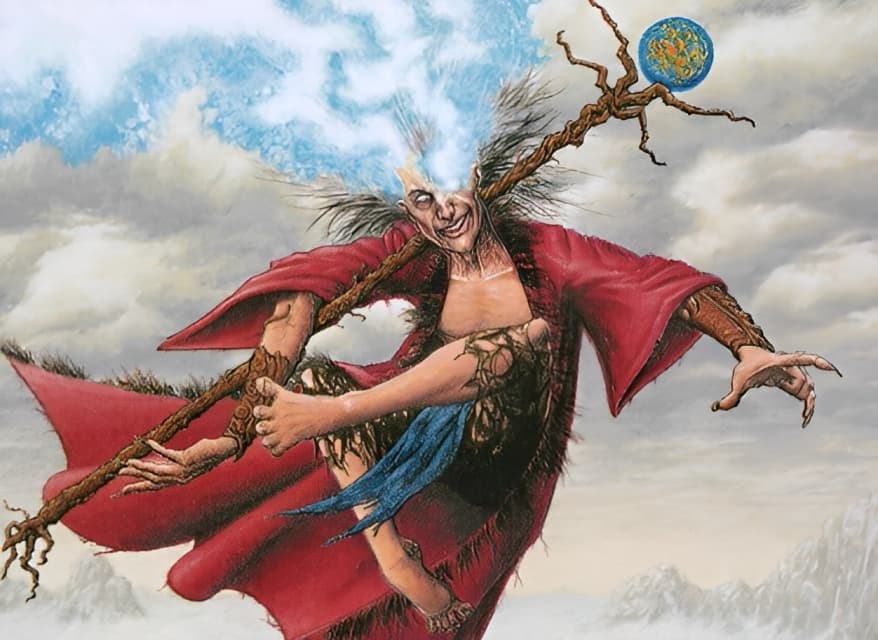
The Spike Feeders have never been content to sit on the sidelines of competitive Commander discourse, and their latest return to the studio is no exception. StarCityGames recently featured the group in a piece titled "The Spike Feeders: Back To The Studio For cEDH," a showcase that doubles as both a reintroduction to one of the format's most respected content crews and a practical repository of the decklists they've been running in recent studio episodes. For anyone tracking the cEDH metagame closely, it's exactly the kind of resource that belongs bookmarked.
Who Are The Spike Feeders?
If you've spent any meaningful time in cEDH spaces, the name needs no explanation. The Spike Feeders have built their reputation on high-level Commander gameplay, thoughtful deck construction, and the kind of table talk that actually teaches you something. Their studio episodes have long served as a reference point for players who want to see competitive Commander played at its ceiling, with real decision-making under pressure rather than scripted highlights. The StarCityGames feature leans into that legacy, framing the group's studio return as a moment worth paying attention to across the broader cEDH community.
A Decklist Repository Worth Digging Into
The heart of the piece is its function as a decklist repository. The Spike Feeders pulled together the builds they've been piloting in their most recent studio recordings, giving readers a direct look at what the group is actually registering at their tables right now. That distinction matters in cEDH more than almost any other format: the gap between a theorycrafted list and a list that's been stress-tested in competitive pods can be enormous, and what The Spike Feeders bring to the table is the latter. These aren't hypothetical builds assembled for content purposes; they're the real decklists from real games played under studio conditions.
For players looking to break into cEDH, or veterans hunting for a fresh angle on familiar archetypes, a collection like this offers genuine value. Seeing the specific card choices a high-level group makes, particularly in the flex slots and the more contested include-or-cut decisions, is often more instructive than any primer. It's one thing to read about why a particular commander is strong in the current meta; it's another to see the 99 that a group like The Spike Feeders actually trusts when the cameras are rolling.
The Studio Format as a Proving Ground
There's something distinct about the studio episode format that sets it apart from tournament coverage or commentary-only content. When The Spike Feeders sit down in a controlled environment to record, the games tend to reflect a concentrated version of cEDH thinking: everyone knows the format, everyone is playing to win, and the decisions carry weight. The decklists that emerge from those sessions are, in a sense, auditioned on camera. A list that makes it into a studio episode has already survived the internal vetting process of a group that takes competitive Commander seriously.
That context is part of what makes the StarCityGames feature more than a simple decklist dump. It situates the lists within the studio episode framework, giving readers a sense of the conditions under which these builds were used. Whether you're borrowing a list wholesale or just mining it for ideas to retrofit into your own build, knowing that it held up in high-level play carries real weight.
Why This Feature Lands Now
The timing of the StarCityGames piece, published in early March 2026, puts it squarely in a period of active development in the cEDH metagame. New sets continue to reshape what's viable at the competitive level, and the most useful content in that environment is content that's current. A decklist from a group like The Spike Feeders carries a timestamp, and the fact that these builds come from recent studio episodes means they're responding to the same metagame pressures everyone else is navigating right now.
The feature also serves a community function that's easy to underestimate. By running it through StarCityGames, The Spike Feeders are putting their work in front of a broader audience that extends beyond their existing subscriber base. Players who may have heard the name but never engaged deeply with the group's content now have a concrete entry point: here are the decks, here's the context, here's where to start.
Getting the Most Out of the Feature
The practical value of a decklist repository scales with how you engage with it. A few approaches worth considering:
- Use the lists as a metagame snapshot. The specific commanders and archetypes The Spike Feeders choose to run in studio settings reflect their read on what's competitive and what's worth bringing to a serious pod.
- Study the card selections at the margins. The core of most cEDH decks is relatively settled; the interesting choices live in the flex slots, the interaction package tweaks, and the meta calls around specific hate pieces.
- Cross-reference against your local meta. A list tuned for a highly competitive studio environment may need adjustments for your specific pod, but the underlying logic of the build usually transfers well.
- Follow the studio episodes themselves. The decklists are more meaningful with the gameplay context around them; watching how the group pilots these builds reveals intentions that don't show up in a 99-card list alone.
The Spike Feeders returning to the studio is, at its core, good news for anyone who takes Commander seriously at the competitive level. The partnership with StarCityGames ensures that the decklists and the group's broader body of work reach the players who can get the most out of them, and that reach only benefits a format that thrives on shared knowledge and rigorous play.
This article was produced by Prism’s automated news system from verified source data, official records, and press releases, then run through automated quality and moderation checks before publishing. The system is built and supervised by the people who set the standards it runs under. Read our full AI policy.
Did this article answer your question?