Why two-mana commanders still shape the Commander metagame
A survey of the 40 most-popular two-mana commanders explains why low-cost leaders remain powerful and versatile. Rankings and deck counts are accurate as of Jan 8, 2026.
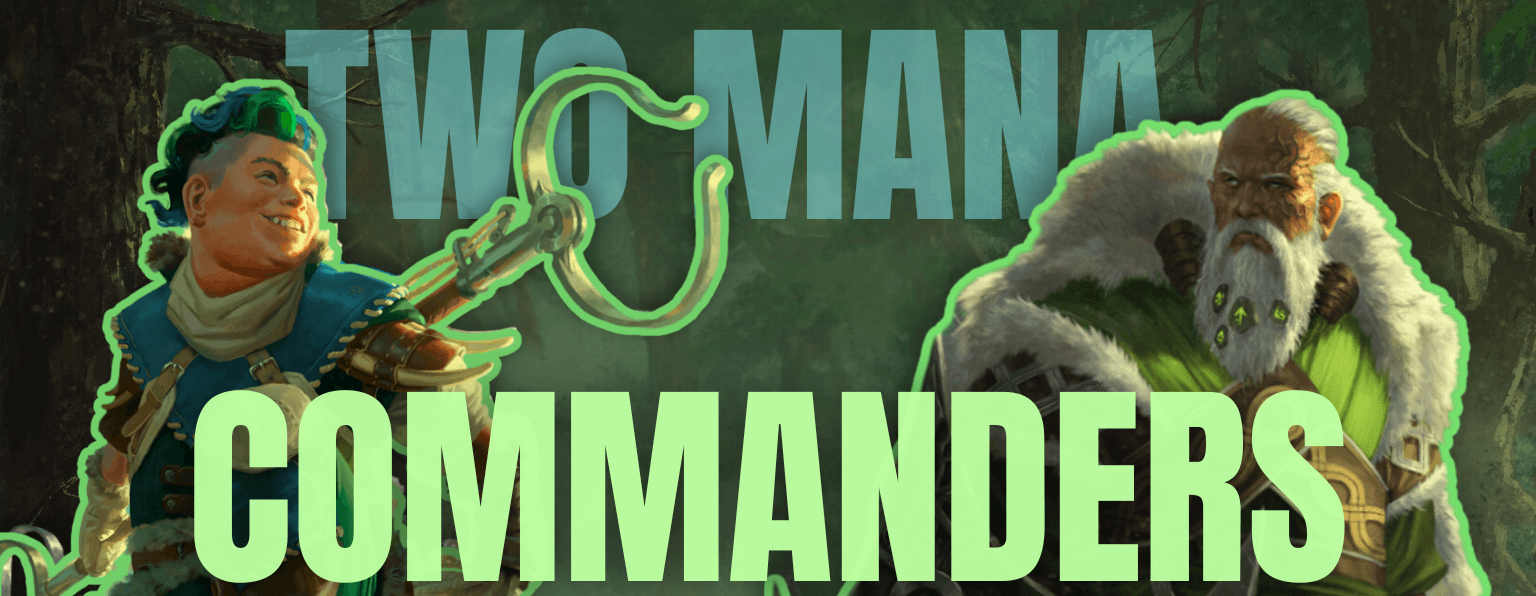
A new survey of the 40 most-popular two-mana commanders makes a simple point loud and clear: you do not need to spend four or five mana to run a game-changing general. The list shows that two-mana commanders deliver outsized utility, reliable tempo and engine-starting roles that let decks coast into the midgame while still packing meaningful decision points.
The selection methodology matters for how you read the list. Rankings are driven by counts of public deck lists in the dataset, and the deck numbers cited were accurate as of Jan 8, 2026. That approach favors commanders that are both widely brewed and consistently played in public lists, so popularity on this list signals real-world playability and accessibility, not just theorycrafting.
Across color identities and playstyles the two-mana cohort covers aggressive beaters, toolbox commanders and combo enablers. Tinybones is one of the names called out for how a two-mana tax rate reshapes opening turns and midgame planning; other entries represent everything from tempo engines to flexible utility roles. The recurring theme is efficiency: these commanders let you deploy meaningful effects early, preserve mana for interaction, and pivot into different archetypes without a heavy upfront investment.
Practical takeaways for pilots are immediate. Two-mana commanders make for strong first-pick boxes at draft-style play or as straightforward recommendations for newer players because they reduce mulligan pressure and simplify early turns. For builders they free slots for interaction and redundancy rather than forcing big mana synergies, letting you lean into removal, cheap tutors, rocks and card draw to stabilize. The survey also flags sequencing and interaction considerations unique to low-cost leaders: when your commander is a repeatable engine, you must decide whether to protect it, hold it as a threat, or use it as bait to bait out answers from opponents.
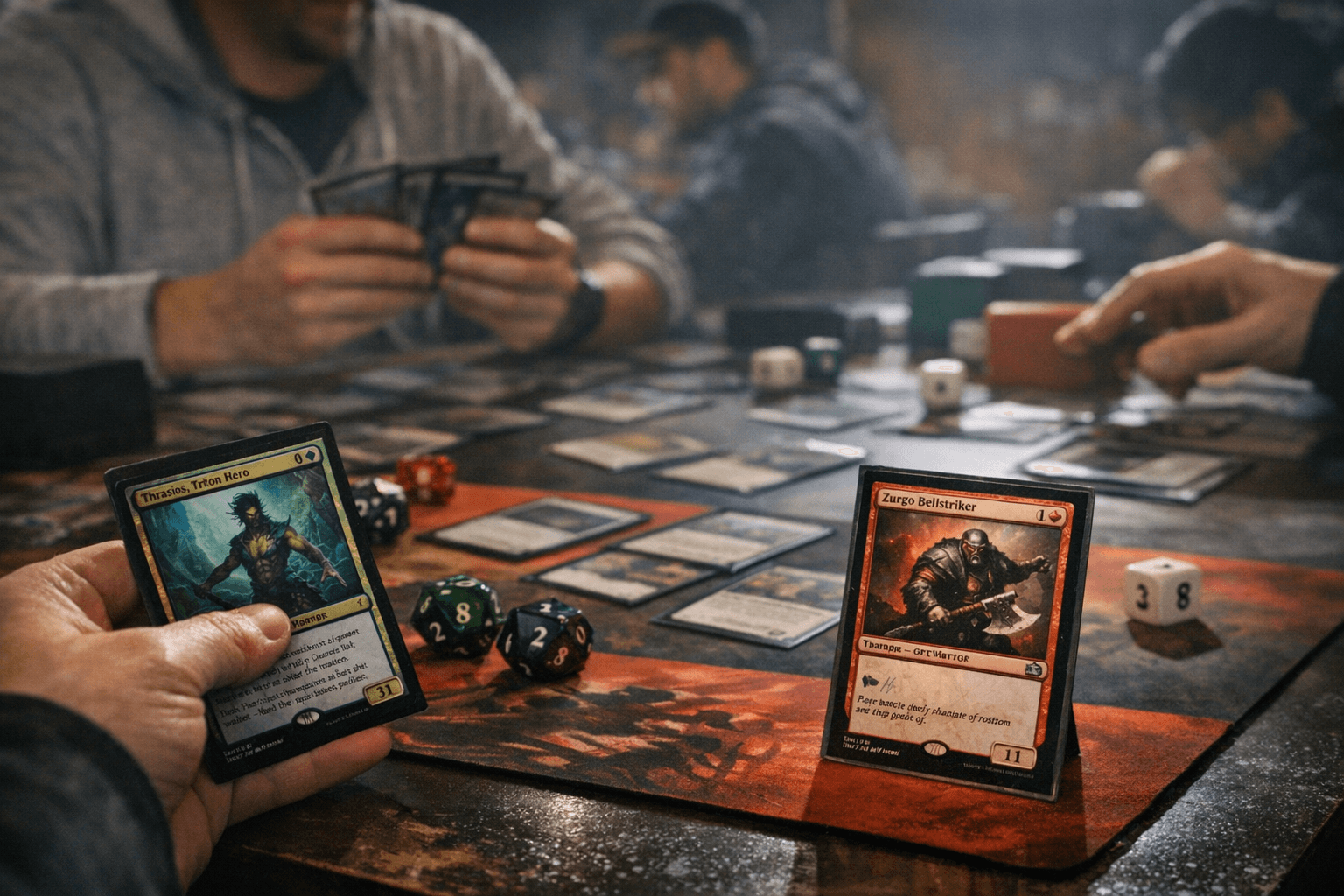
Beyond deck construction, the popularity snapshot is a meta signal. Seeing which two-mana commanders trend gives you clues about what kinds of lines opponents are likely to take at tables early in 2026, and where to prioritize sideboard-style answers in casual playgroups. Two-mana generals are also friendlier to budget brews because they lower the cost of early curve pieces and reduce the need for expensive ramp packages.
The takeaway? If you want a low-cost commander that still has depth, pick one that plays to a clear role - tempo, utility or engine - and build the surrounding list to protect and extend that role. Our two cents? Start with a two-mana general for fast practice on sequencing and threats, then tune staples and interaction to exploit that early edge.
This article was produced by Prism’s automated news system from verified source data, official records, and press releases, then run through automated quality and moderation checks before publishing. The system is built and supervised by the people who set the standards it runs under. Read our full AI policy.
Did this article answer your question?