Aquachigger warns beginners to choose the right magnet first
Choose the magnet before you chase the finds, because pull rating alone can waste money fast. Aquachigger’s message is simple: match the magnet, rope, and water to the job first.
Start with the magnet, not the fantasy find
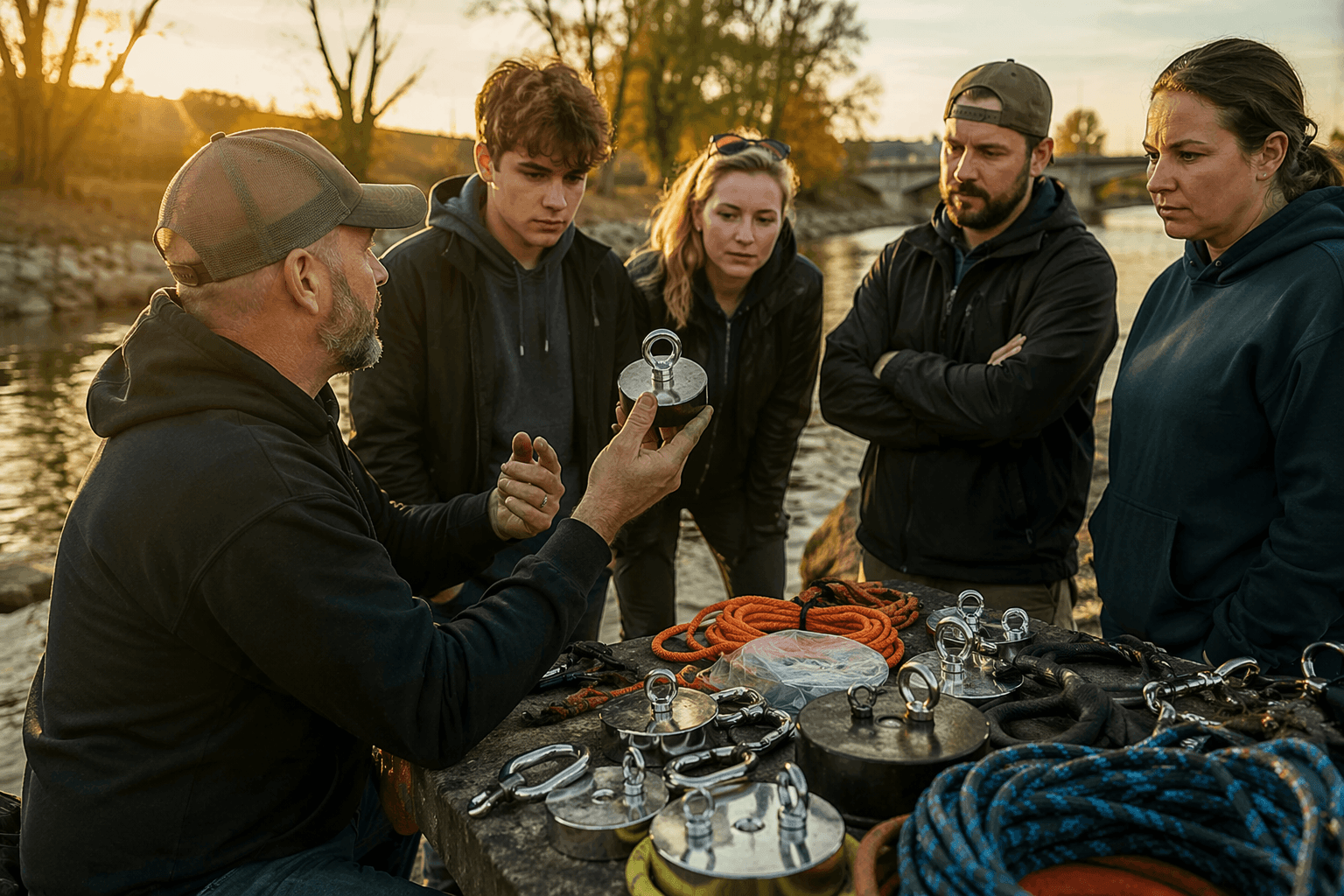
Aquachigger’s warning lands on the most expensive beginner mistake in magnet fishing: buying a cheap starter kit before understanding what actually does the work. The magnet is the whole setup, and if it is too weak, badly shaped, or mismatched to the water you fish, you will spend more and pull less. That is why the smartest first purchase is not the flashiest bundle, but the magnet that fits the job.
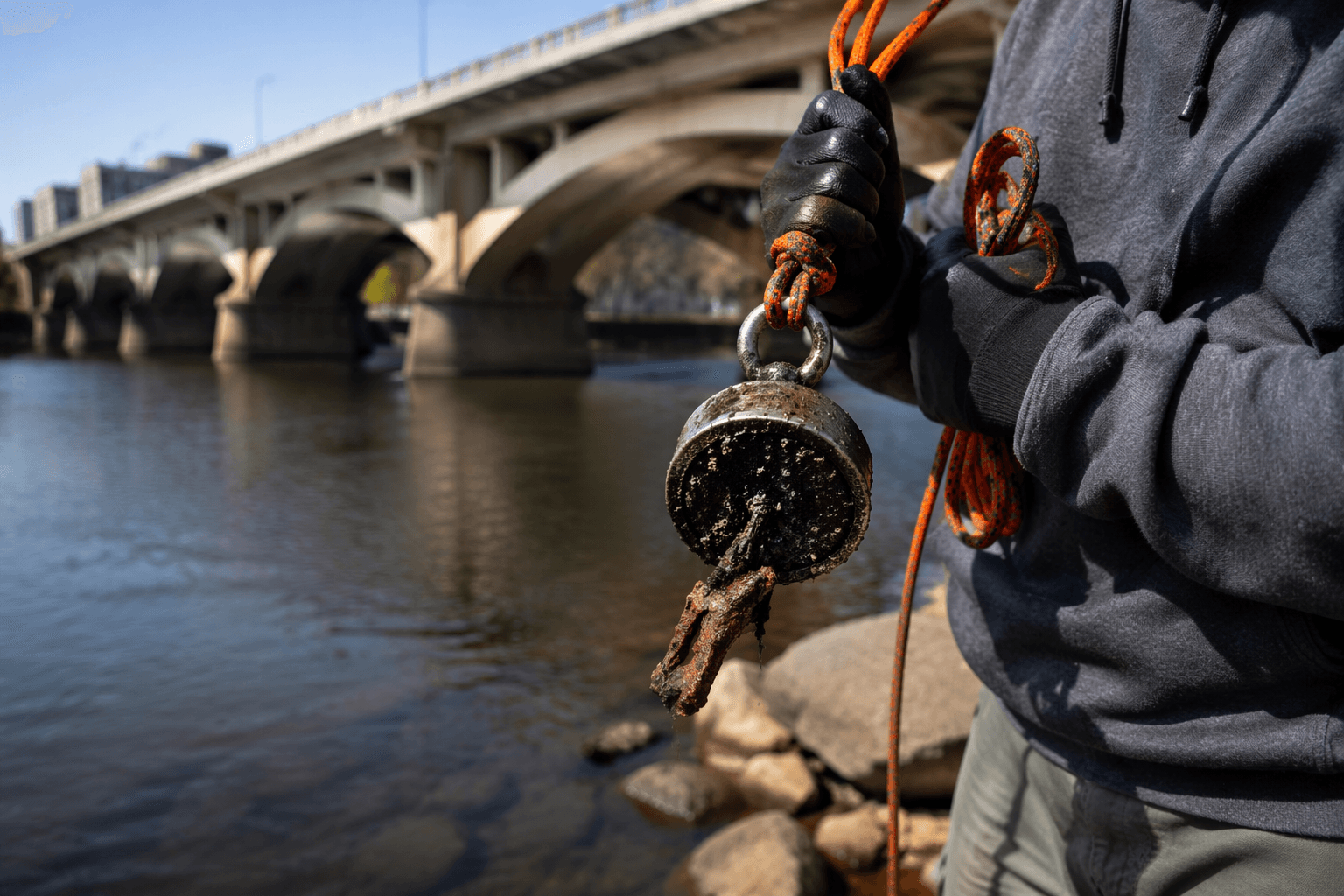
Magnet fishing, at its core, is the search for ferromagnetic objects in outdoor waters with a strong neodymium magnet on a rope. The hobby took off in Europe in the early 2000s and spread quickly online, with some of the first documented YouTube videos uploaded in 2011 and filmed in 2010. That growth matters because it created a market full of gear claims, accessory packs, and oversized promises, while the actual learning curve stayed the same: choose the right magnet first or waste your first outings on bottle caps and nails.
Pull strength is only the starting point
The number printed on a magnet package is only part of the story. Real-world pull drops fast when an object is buried in mud, coated in rust, sitting at an angle, or only partially exposed, which is why many magnet fishers end up buying stronger magnets than they expected to need. A magnet that looks impressive on paper can feel weak in the water if the object is irregularly shaped or the pull is not perfectly aligned.
That is why beginners should read pull ratings as a baseline, not a guarantee. A heavier-duty magnet can help compensate for the losses caused by mud and rust, but bigger is not automatically better if the rest of the setup cannot support it. The goal is to match the magnet to the conditions you actually plan to fish, not the one most likely to look good in a product listing.
- Use pull strength as a guide, not a promise.
- Expect performance to drop in mud, rust, and awkward angles.
- Choose more power than you think you need if you want consistent grabs.
Single-sided, double-sided, and 360-degree designs each solve a different problem
The shape of the magnet changes the entire feel of the hobby. Single-sided magnets concentrate the pull in one direction, which can be useful when you are dragging or dropping in a more controlled way. Double-sided designs and 360-degree magnets spread the attraction more broadly, and that is a big reason they keep growing in popularity among hobbyists who want better odds of catching something from messy, unpredictable water.
For beginners, this is where buyer protection really starts. A single-sided magnet can be cheaper, but if your local water is full of submerged junk, a broader design may save you from the frustration of repeated near-misses. The point is not to pick the biggest magnet on the shelf. The point is to pick the one whose pull pattern matches the way you will actually fish.
Rope and mounting setup matter as much as the magnet
A strong magnet without the right rope is a setup problem waiting to happen. The line has to handle the magnet’s weight, the drag of wet debris, and the sudden strain that comes when something finally catches. If the rope is weak, poorly attached, or too short for the water you are working, the gear can fail just when the pull gets interesting.
Mounting also matters because the connection between magnet and line affects how the magnet tracks through the water. Beginners often focus on the magnet’s advertised strength and ignore the rest of the rig, but that is how money gets wasted. A reliable rope and secure mounting setup protect both your gear and the finds you might otherwise lose on the lift.
- Make sure the rope matches the magnet’s weight and expected load.
- Check the attachment point before every outing.
- Match rope length to the depth and shoreline you plan to fish.
Pick the magnet for the water, not the other way around
Where you fish should shape what you buy. Muddy canals, shallow rivers, and cluttered urban edges reward different setups than cleaner open water. The more buried, rusty, and irregular the target field is, the more valuable stronger magnets and broader designs become.
That is also why magnet fishing has become more specialized as the hobby has grown. A one-size-fits-all starter magnet sounds convenient, but in practice it can leave you underpowered in rough conditions or overbuilt for simple shoreline work. Aquachigger’s point is practical: the magnet should fit the environment, because the environment decides how much of that pull rating you actually get to use.
The mistakes that cost beginners money, time, and safety
The most common mistake is chasing price instead of function. Cheap kits often look like a bargain until they start producing only small scrap, bottle caps, and nails, or until the rope and hardware fail under load. Another mistake is assuming that a bigger number always means better results, when the real answer depends on how the magnet behaves in mud, rust, and off-center pulls.
Safety mistakes are even more serious. In 2021, UK authorities warned that small, high-powered magnets can cause serious injury or death if swallowed, and official guidance says internal injuries can happen when two or more magnets attract across soft tissue. Magnet-fishing magnets are much larger than the tiny products in that alert, but the warning still shows how powerful rare-earth magnets can be and why careless handling is a bad habit from the start.
The Broads Authority advises magnet fishers to wear life jackets because a large, powerful magnet can pull you off balance and into the water. It also warns about rope trip hazards and the chance of recovering weapons or ordnance, along with sharp, rusty objects that can cause cuts, infection, and disease. That means the right purchase is not just about pull force; it is also about building a setup you can handle safely when the gear gets heavy and the water gets unpredictable.
Know the rules before you cast
Magnet fishing is not a no-rules hobby. Portsmouth City Council says magnet fishing on its land is generally not permitted without case-by-case consideration and landowner permission, and it notes that scheduled monuments are protected against unlicensed magnet fishing under the Ancient Monuments and Archaeological Areas Act 1979. That makes location choice part of the buying decision, because the best magnet in the world is useless if you cannot legally use it where you plan to fish.
The wider policy picture matters too. Councils, landowners, and heritage bodies all have a stake in where magnets can be cast, especially when the activity can disturb protected sites or pull up objects that should not be removed casually. If you want a setup that pays off, start with a magnet that suits legal, practical waters and a rig that keeps you in control when the unexpected comes up.
What a smart first buy looks like
A sensible first magnet-fishing purchase is not about chasing the largest pull number or the cheapest entry point. It is about choosing the magnet style, rope, and mounting setup that fit your water, your strength, and your tolerance for risk. Stronger neodymium magnets can help, double-sided and 360-degree designs can widen your odds, and a secure rope keeps the whole system usable when the catch is buried, rusty, or awkwardly shaped.
That is the real lesson in Aquachigger’s warning. Magnet fishing starts paying off when you treat the magnet as a setup decision, not an impulse buy, because the difference between a frustrating first season and a productive one is often the choice you make before the rope ever hits the water.
This article was produced by Prism’s automated news system from verified source data, official records, and press releases, then run through automated quality and moderation checks before publishing. The system is built and supervised by the people who set the standards it runs under. Read our full AI policy.
Know something we missed? Have a correction or additional information?
Submit a Tip