Virginia magnet fishing can require permits on state-owned waterways
Virginia has no magnet-fishing-specific ban, but pulling scrap from state-owned bottoms can still trigger permits, trespass issues, and police calls.
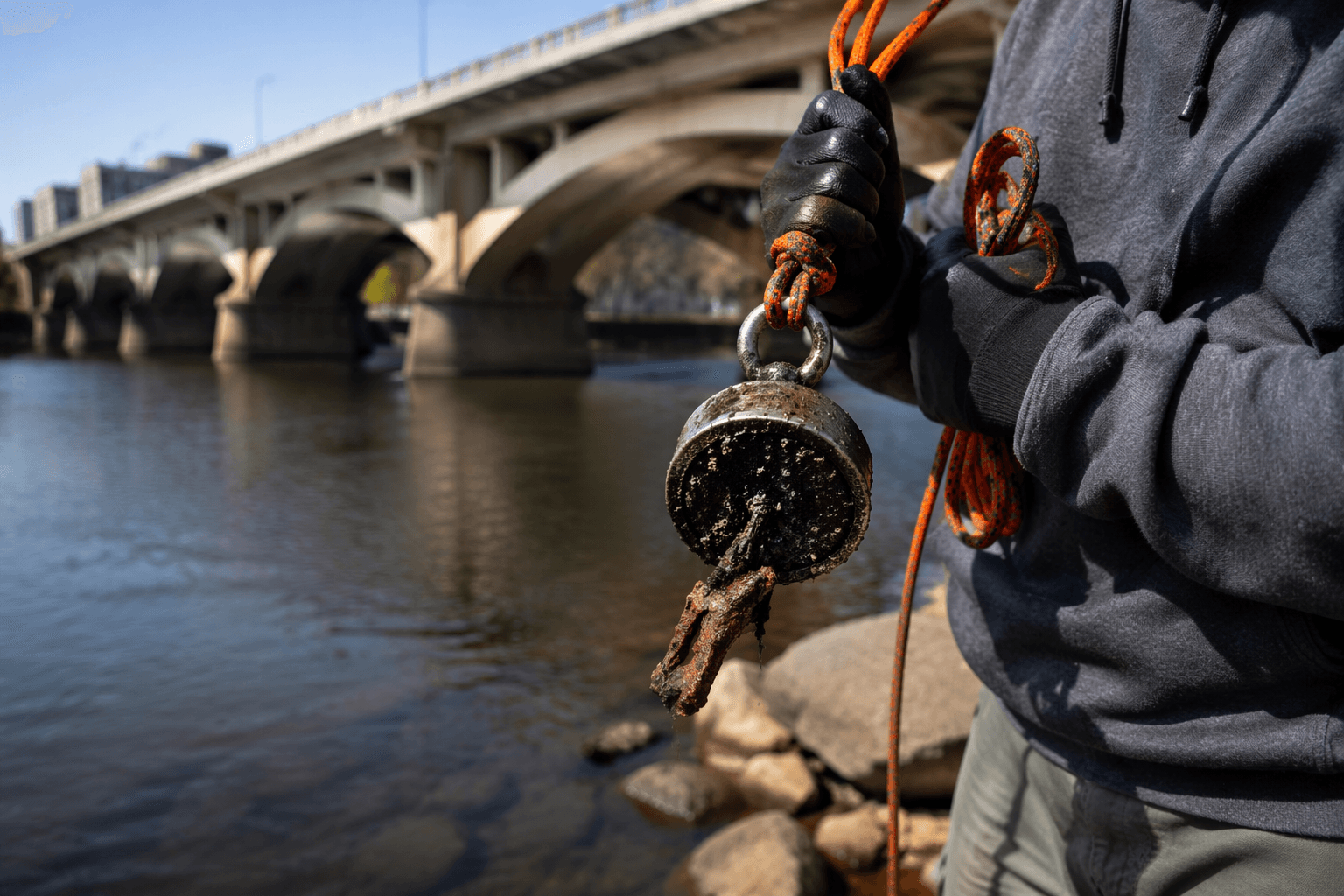
Magnet fishing in Virginia starts out looking simple, but the bottom of the water is often the part with the strictest rules. If your magnet drags up metal from a state-owned river, creek, or bay, you can run straight into permit requirements, property issues, and preservation laws even when the shoreline looks open to the public.
The bottom may belong to the Commonwealth
Virginia law treats the beds of many waterways as public property, not free-for-all territory. Under state submerged-lands rules, the ungranted beds of bays, rivers, creeks, and the shores of the sea remain property of the Commonwealth, and the Virginia Marine Resources Commission manages almost all water bottoms as a public trust for citizens.
That matters because the commission’s Habitat Management Division regulates physical encroachment into subaqueous or bottomlands, tidal wetlands, and coastal primary sand dunes. In plain terms, if your magnet is pulling material off the bed of a state-owned waterway, you are not just “finding junk.” You may be disturbing regulated bottomlands, and Virginia requires permits for that work.
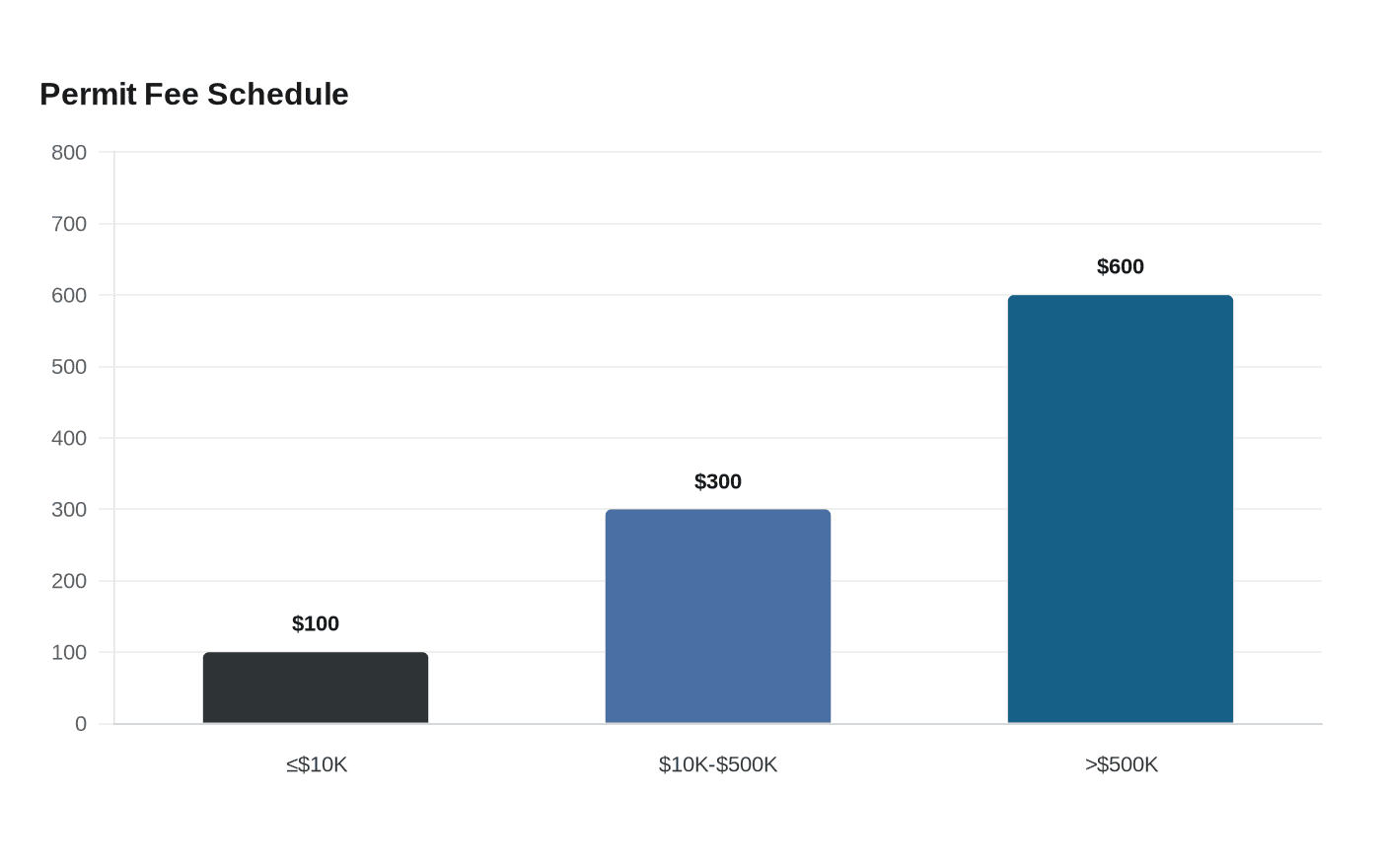
The commission’s bottomlands permits are issued in writing, with terms and conditions it decides are appropriate. VMRC also says the fee schedule for a state-owned bottomlands permit is $100 for projects costing $10,000 or less, $300 for projects over $10,000 up to $500,000, and $600 for projects over $500,000. That fee structure is a clear signal that Virginia treats disturbance of submerged state land as a regulated activity, not a casual hobby move.
Where trespass starts, magnet fishing gets messy
The biggest mistake is assuming a public-looking riverbank means unrestricted access below the surface. Private waterways can create trespassing problems, and even public access points can come with local restrictions, posted limits, or separate permissions that control where you can launch, stand, and work.
That is why ownership comes first. If the waterway or the adjoining land is private, getting to the bank without permission can create a trespass issue before the magnet ever hits the water. If the bed itself is state-owned, the item you pull up may still be treated as material removed from state property, which is where permit rules come back into play.
Virginia does not publish a magnet-fishing-specific playbook through VMRC, so the hobby sits under broader laws rather than its own special exception. The safest approach is to confirm who controls the waterway, whether the bottom is state-owned, and whether the stretch you want to fish needs a permit before you cast.
Historic finds can turn a good day into a legal problem
Virginia’s antiquities rules make historic recovery especially sensitive. State law says underwater historic property must be preserved and protected as the exclusive property of the Commonwealth, and recovering that property without a permit is unlawful. VMRC regulations also restrict recovering objects from state-owned bottoms unless the objects are identified as underwater historic property or fall within another exemption.
That is not an abstract warning. Virginia’s historic landscape is crowded, with the Virginia Landmarks Register and the National Register of Historic Places together covering more than 3,000 sites, properties, and districts. In waters with colonial, Revolutionary War, Civil War, or industrial history, a piece of metal can be scrap one moment and archaeological material the next.
A 2023 incident in Swift Creek in Colonial Heights drove the point home when a magnet fisher pulled up a Civil War-era cannonball and police called in bomb disposal. That kind of find is exactly why suspicious ordnance, old munitions, or anything that looks military or explosive should be left alone and reported right away.
What to do when the magnet brings up something serious
If the pull is old, dangerous, or potentially significant, stop. Do not dig deeper into the mud, clean it off, move it around, or assume you can sort it out yourself. Firearms, ammunition, and possible evidence can all trigger law-enforcement involvement, and historic pieces may need preservation rather than collection.
A practical field approach looks like this:
- Verify who owns the waterway and the bottom before you fish.
- Check whether your spot falls under VMRC bottomlands permitting.
- Treat anything that looks like a firearm, shell, cannonball, or explosive as a hazard, not a trophy.
- If an item looks archaeological or historically significant, leave it in place and report it through the proper channel.
- If you are planning a permitted project, remember that as of September 1, 2025, the U.S. Army Corps of Engineers became the central point of receipt for permit requests in Virginia through the Regulatory Request System for applications to USACE, the Virginia Department of Environmental Quality, and VMRC.
VMRC also says underwater exploration permits are issued by the Habitat Management Division in agreement with the Virginia Department of Historic Resources under Virginia Code § 10.1-2214. That overlap shows how quickly magnet fishing can move from hobby territory into historic-preservation territory once the magnet bites on something that belongs to the Commonwealth instead of the scrap pile.
The real Virginia rule of thumb
If you are magnet fishing in Virginia, the question is not whether the hobby has its own named ban. The real question is what you are pulling from, who owns the bottom, and whether the item below the waterline belongs to the Commonwealth, a private owner, or law enforcement. That answer can change the day from a cleanup run to a permit issue, a trespass problem, or a police response in a hurry.
The magnet may be the tool, but the law still follows the pull.
This article was produced by Prism’s automated news system from verified source data, official records, and press releases, then run through automated quality and moderation checks before publishing. The system is built and supervised by the people who set the standards it runs under. Read our full AI policy.
Did this article answer your question?