K&J Magnetics explains how to choose the right fishing magnet strength
The label is only the starting point: K&J Magnetics shows why pull force, shape, and rigging decide whether a magnet fits canals, bridges, or river scrap.
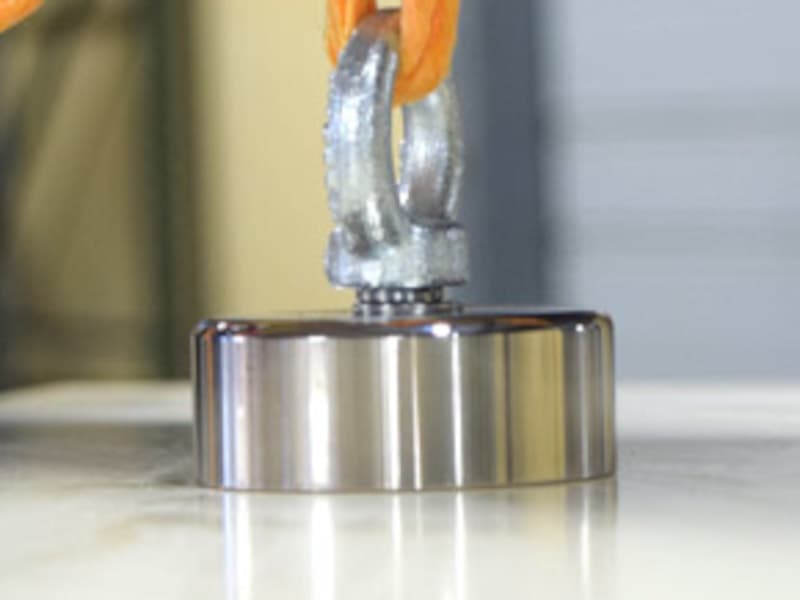
K&J Magnetics’ search tools accept exact part numbers like D42, D42-N52, and BX084, along with shorthand such as 10 lb, 5 kg, 90 lb pull, holding strength 20 lbs, 819 gauss, and 1000g. A magnet fishing buy is really a translation job. The number on the box matters, but the real question is whether that pull force survives a bad angle, a rusty surface, and the way your rope and eye bolt load up when the magnet meets the bottom.
K&J Magnetics’ strength guide lets you search by part number, by pull-force terms, and by shape or coating, which is exactly the kind of comparison a first magnet fishing setup needs.
Pull force is the headline, not the whole story
Those search options show how often magnet fishers shop by a single label, even though the label can hide big differences in geometry and use case.
Pull force is a standardized comparison point, not a promise that your magnet will lift that exact load out of a canal or a riverbed. Total Element measures pull force in laboratory conditions, and most real-world applications will not reach the listed maximum. First4Magnets uses a 10mm-thick test-bed steel plate and increases the pulling force slowly and steadily in pull-force testing.
That testing setup matters because water, rust, movement, and uneven scrap all change the game. A 90 lb rated magnet is not automatically the better buy over a 100 lb model if the shape, surface contact, or orientation is wrong for the target you actually fish.
Shape and coating change the result
Search terms like rubber coated, fishing magnet, disc magnet, and black plastic coated make that easier to see, which is a reminder that a magnet’s housing is part of the buying decision, not an accessory detail. The calculator also works with dimensions such as 1/4, .375, 8mm, 1/2 x 1/8, and 8x3mm, so you can compare size, grade, and finish instead of staring at one oversized pull number.
A single-sided magnet can behave very differently from a disc magnet or another shape even when the rating looks similar on the product page.
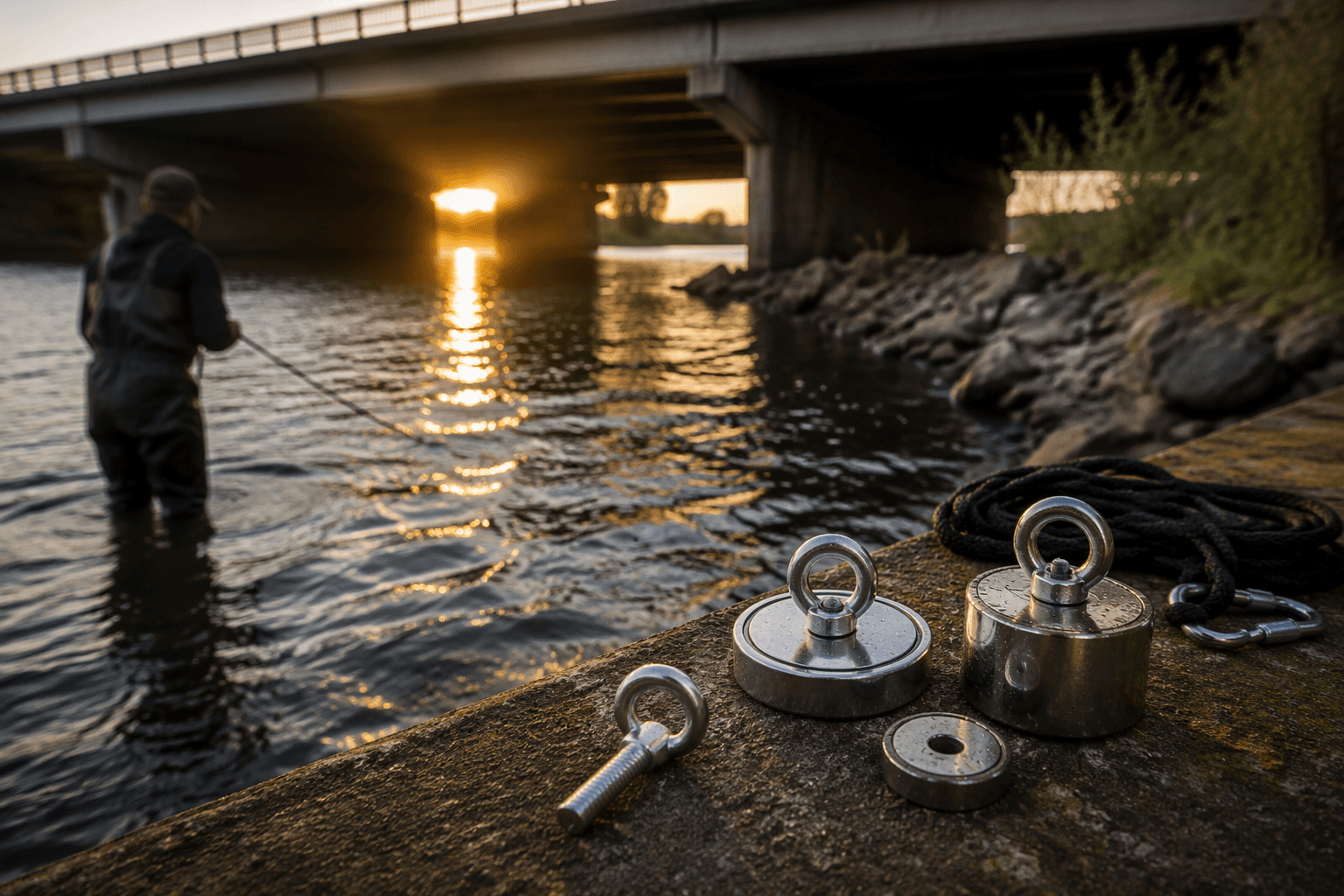
Pull force and gauss are not the same thing either. Radial Magnets’ calculator estimates force against a thick mild-steel plate and also returns estimated on-axis flux density at a gap, which is the kind of value a sensor or gaussmeter sees.
Buy for the target, not for the biggest number
The smartest magnet fishing purchase starts with the thing you actually want to find. A lighter magnet can make sense for shallow canals and smaller recoveries, while heavier ratings are usually chosen for submerged scrap, bridges, and harder-to-reach debris.
A simple use-case matrix looks like this:
- Canals and towpaths: start modest. A lower-rated magnet is often enough for keys, small tools, and light scrap, and it is easier to manage when you are learning how the magnet tracks along the bottom.
- Bridges and hard-to-reach edges: go heavier if your target is rusted, awkward, or likely to be pinned against metal. This is where a bigger pull number can help, but only if the magnet’s shape and your line angle are working with you.
- Rivers: prioritize a setup that can handle drag, current, and uneven debris. The lab-style pull rating becomes less predictive when the bottom is irregular and the target is not flat steel.
- Small-item recovery: if you are chasing keys or other compact finds, matching the magnet to the object matters more than chasing the biggest pound rating on the shelf.
Magnet fishing uses a strong magnet on sturdy rope to retrieve lost or discarded items from lakes and rivers. Indiana’s Department of Natural Resources lists wheel rims, bicycles, and keys among common finds.
The rig matters as much as the magnet
The magnet does not work alone. Sturdy rope is part of the setup from the start, and the eye-bolt connection has to survive more than a clean lift in still water. The biggest mistake is treating the pull-force label as if it includes the rope, knot, and connection hardware, because it does not.
First4Magnets’ 10mm test plate and slow, steady pull show how controlled the measurement is, while real magnet fishing adds shock load, drag, and sideways pressure. If the line, eye bolt, or knot is weak, the magnet can be stronger than the rest of the rig.
Some kit listings even make the connection hardware part of the sale by bundling rope, grappling hook, gloves, waterproof case, threadlocker, and an eye bolt. The magnet’s rated strength only helps if the rest of the setup can deliver it.
The hobby has a safety and cleanup side
In April 2019, magnet fishing was growing in popularity, with thousands of related videos being uploaded to YouTube.
Magnet fishers can encounter weaponry, ammunition, and unexploded ordnance.
This article was produced by Prism’s automated news system from verified source data, official records, and press releases, then run through automated quality and moderation checks before publishing. The system is built and supervised by the people who set the standards it runs under. Read our full AI policy.
Did this article answer your question?