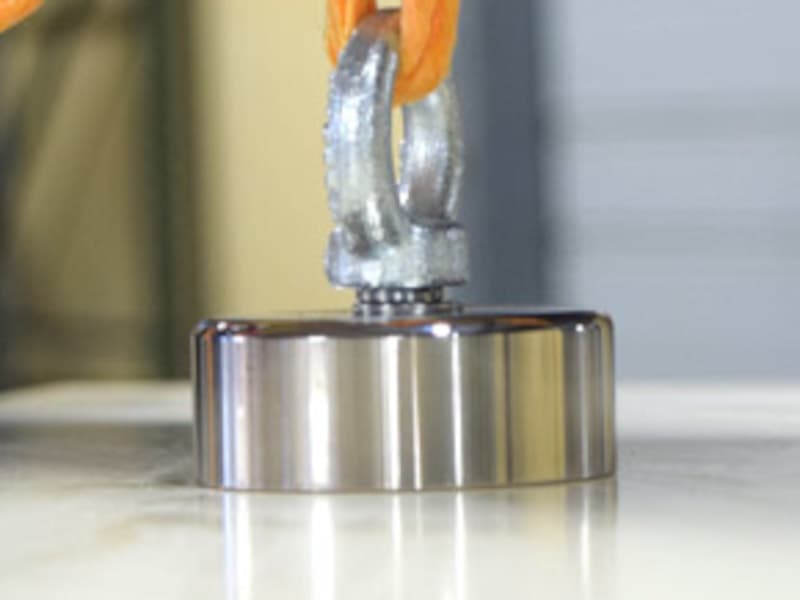
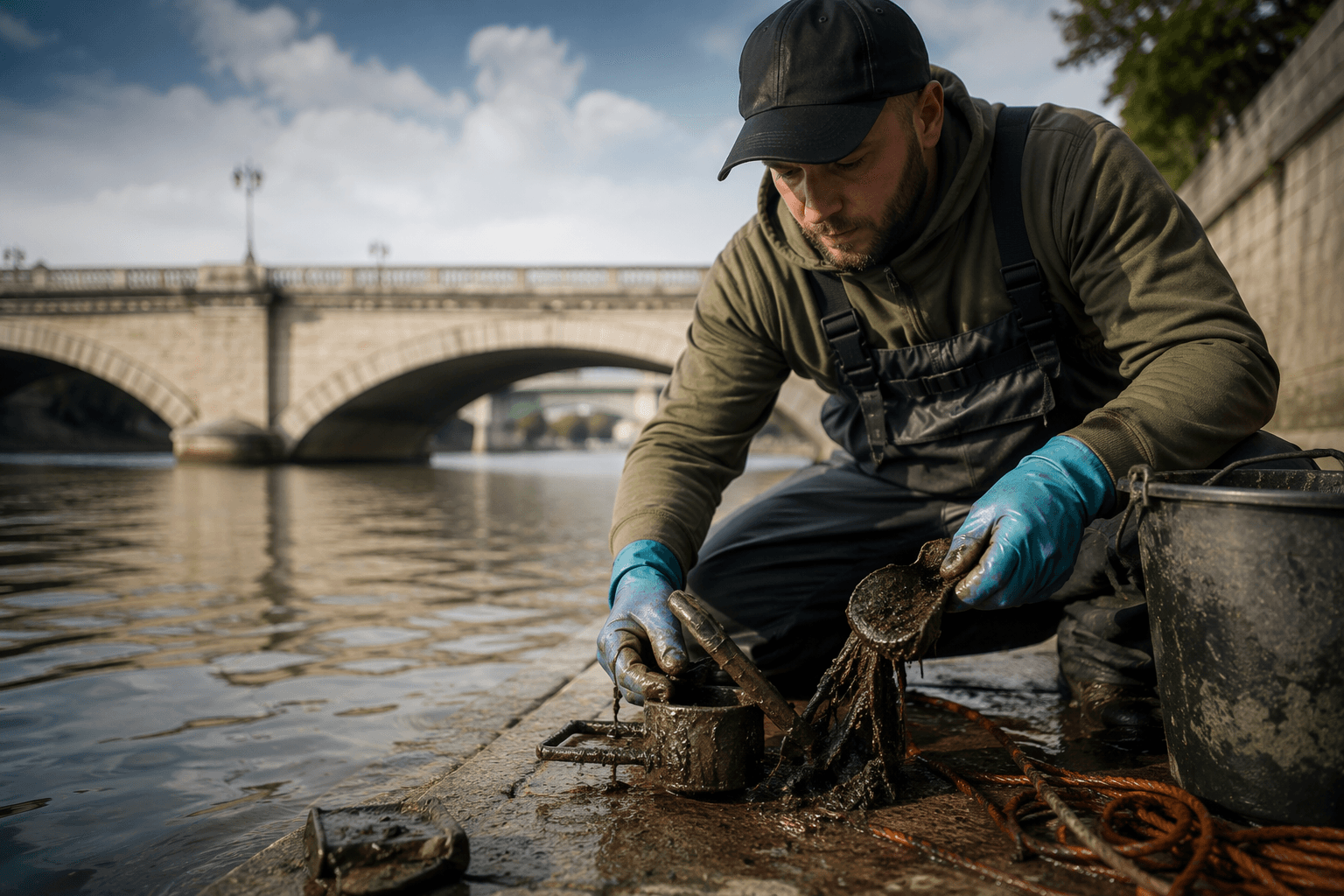
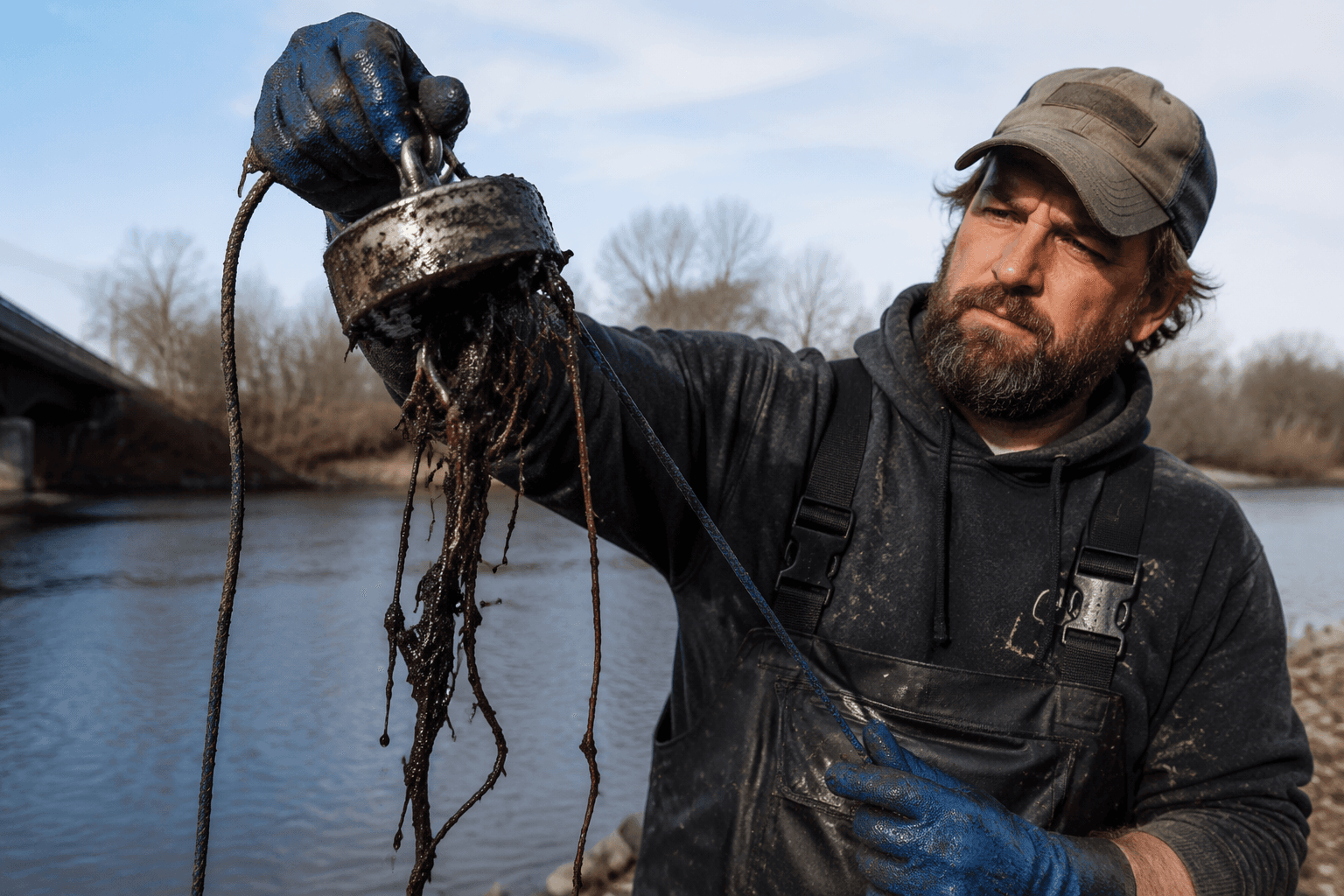
Can magnet fishing help archaeology, or destroy crucial context?
A magnet can flag a waterway rich in iron, but the moment you haul without notes, the archaeological story starts slipping away.
Underwater archaeologist Attila J. Tóth asked in a 2024 piece in Hungarian Archaeology whether magnet fishing helps archaeology or erases the context that gives a find meaning. In Hungary, where the hobby has become increasingly popular, a significant number of magnet fishers are already surveying waters.
What a magnet can actually tell you
Magnet fishing is good at one thing: ferrous material. If you are working a canal, port, bridge approach, or industrial bank and your magnet keeps coming back with iron and steel, you are getting a rough signal about what has been sitting there for years, decades, or longer. That can be useful. A stretch of water full of bridge hardware, machine parts, tools, or military-era debris may deserve a closer look because it suggests a deposit worth documenting, not just clearing.
Underwater archaeology is a science-and-technology discipline used to study lost shipwrecks and submerged cities. The value is not only the object, but the information attached to it. A magnet can hint that a site is busy with metal, but it cannot replace a proper survey or excavation.
Why context matters more than the lump of iron
The biggest problem is simple: magnet fishing usually pulls an object free without recording the exact location, depth, position, or sediment around it. In archaeology, that missing information is often worth more than the object itself. A corroded iron fragment can mean a shipwreck layer, a 19th-century industrial dump, or a modern refuse bed, and those are completely different stories even if the metal looks identical in your bucket.
That is also why magnet fishing is not a full archaeological method. It only detects ferromagnetic material, so it misses bronze, copper, ceramics, stone, glass, and organic remains. In practice, that means your magnet can overrepresent iron-rich debris and underrepresent everything else that makes up the broader record underwater. It is selective recovery, not a complete picture.
How to sort a haul before you call it interesting
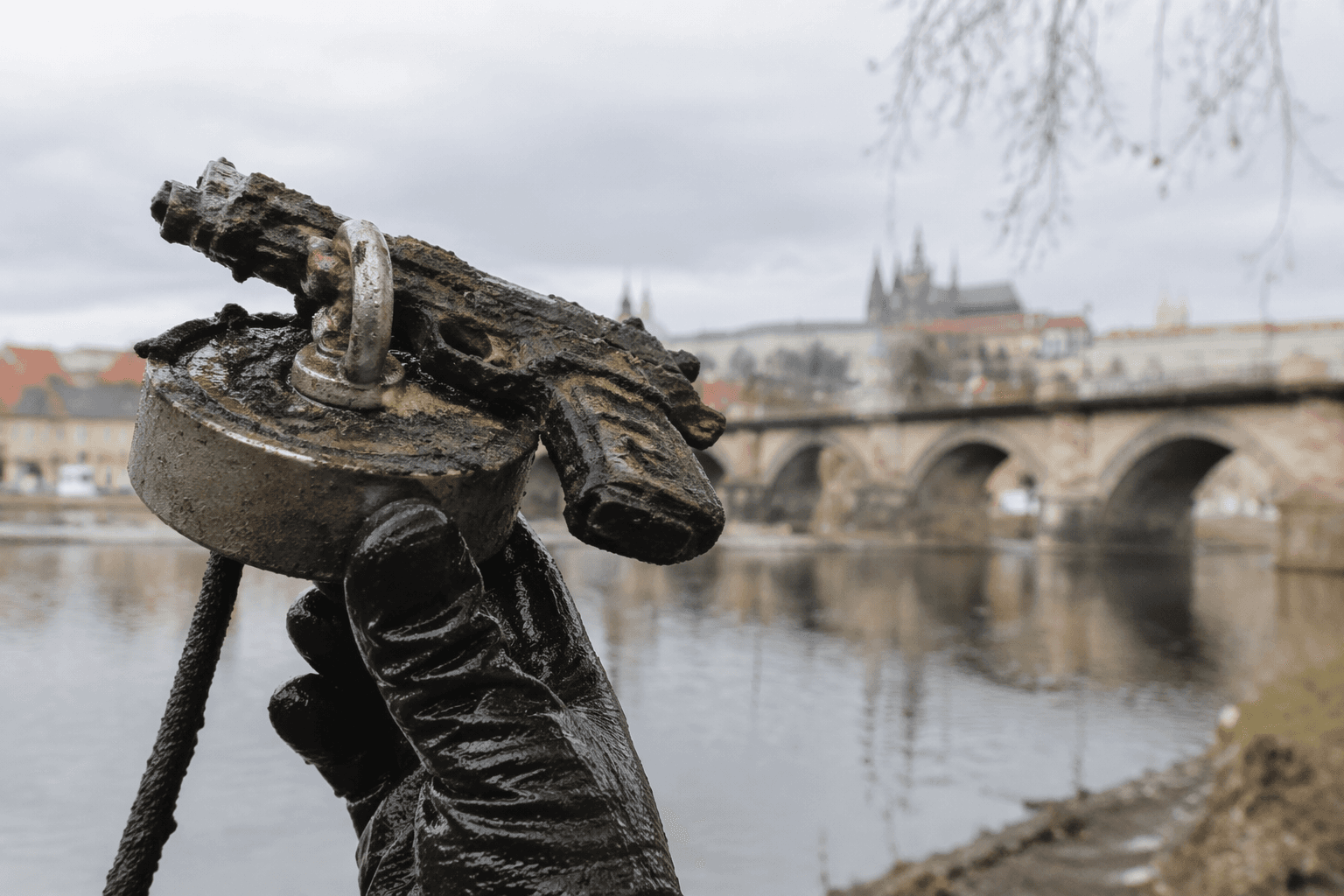
A lot of what comes up is plain modern trash. Magnet fishers recover underwater garbage, guns, and sometimes treasure, and hauls in France include scrap metal, bikes, scooters, kitchen appliances, and sometimes unexploded munitions.
A practical field read looks like this:
- Likely modern scrap: scrap metal, bikes, scooters, kitchen appliances, and the usual underwater garbage.
- Historically sensitive: anything shaped like a weapon, tool, or artifact, especially a sword or blade, or a piece that looks intentionally made rather than dumped.
- Immediate safety concern: guns and unexploded munitions, which are not collectibles and not the kind of thing you keep tugging at the rope.
The British Museum urged detectorists not to go magnet fishing after a Viking sword was broken during the activity.
Where the line becomes legal, not just ethical
Protected waterways are where you need to stop treating the hobby like open season. Historic Environment Scotland warns against magnet fishing on Scotland’s scheduled canals and monuments, and Scottish Canals requires both Permission from Scottish Canals and Scheduled Monument Consent from Historic Environment Scotland before magnet fishing on their waterways. Those canals are scheduled monuments, so the landowner permission and the heritage consent both matter.
If you are working near a canal, monument, or waterway with obvious heritage value, do not treat a strong pull as permission to keep digging. The object may not be yours to recover casually, and the site may be protected for the layer you cannot see.
What to do if you pull up something significant
If the object looks old, unusual, or weapon-like, slow down and preserve the information you still have. Record the exact location, depth, position, and sediment as soon as you can, because those details are what archaeologists need to make sense of the find. If you have not yet moved it, leave it in place and get the relevant heritage authority or land manager involved before you do anything else.
In Hungarian Archaeology, Vol. 13, Issue 3, pages 83 to 86, Tóth argues that magnet fishing can help show where iron is concentrated and can point toward a site that deserves more careful work. Once an object is pulled free without records, the exact location, depth, position, and sediment are lost.
This article was produced by Prism’s automated news system from verified source data, official records, and press releases, then run through automated quality and moderation checks before publishing. The system is built and supervised by the people who set the standards it runs under. Read our full AI policy.
Did this article answer your question?