Magnet fishing hotspots, where rivers, bridges and docks yield finds
The best magnet-fishing spots are the ones with layers of human traffic, from bridge spans to old docks, where history and debris settle together.
Where the line starts paying off
Magnet fishing is never just about the magnet. The best pulls come from places where people have crossed, worked, loaded, dumped, or lost things for years, because that is where metal settles into the bottom story of a waterway. The U.S. Environmental Protection Agency says most garbage in waterways starts on land, which is why banks, crossings, and workaday waterfronts often outproduce lonely stretches of open water.
That is the real field guide logic behind the hobby: you are not hunting random depth, you are reading human use. A busy city bridge, a canal lock, a dock apron, or an old industrial bank all leave different kinds of debris, and each one changes what is worth dropping a rope for.
Rivers, streams, and canals
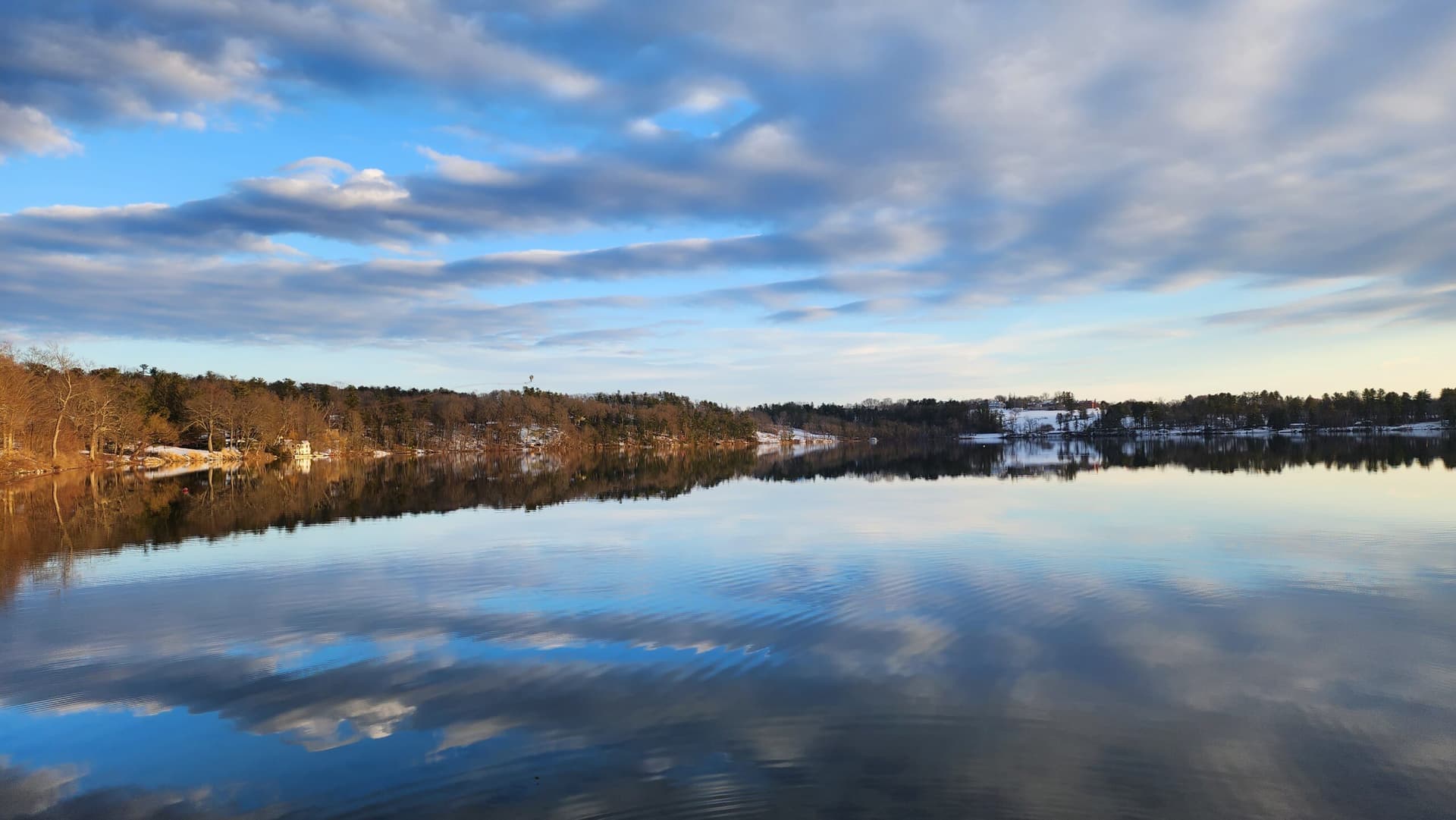
Rivers and streams are productive because moving water collects the mistakes of everyday life. Current pushes metal into bends, behind pilings, and into quiet pockets where it can sit for years, especially near access points where people have fished, launched, crossed, or thrown things off the bank. If the stretch has a long history of foot traffic or boating, you are not just working water, you are working a corridor of repeated use.
Canals are often even more promising because they are built for movement in a controlled channel. Locks, towpaths, mooring points, and tight walls create repeated snag zones where dropped hardware, tools, and small metal objects settle in predictable spots. The challenge is that canal access can be complicated, so the smartest cast is the one you can reach safely and legally, not the one that looks best on a map.
Bridges, docks, and harbors
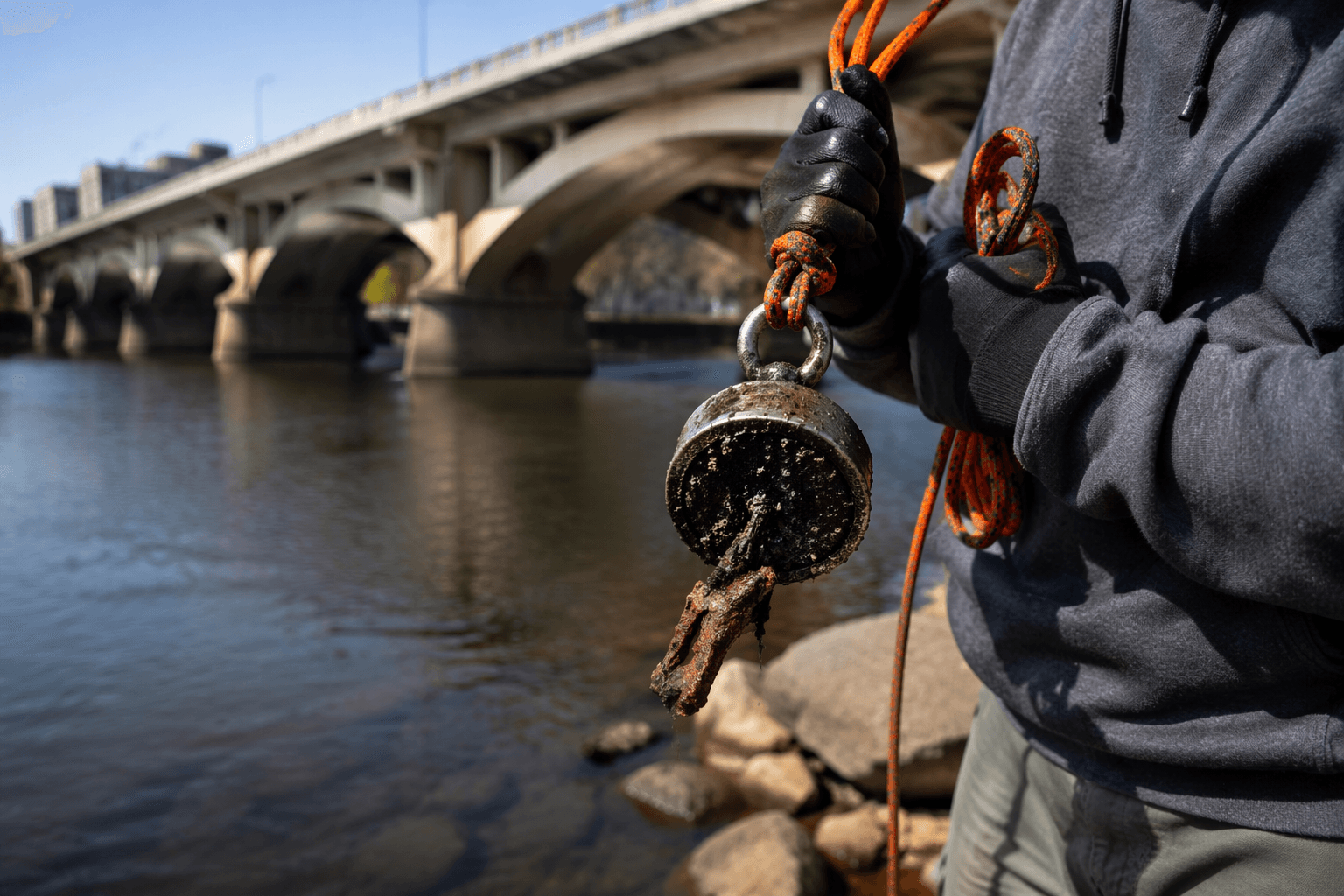
Bridges are magnet-fishing magnets for a reason. They concentrate traffic, give people a place to stop, and create edges where objects fall or get tossed into the water, from coins and tools to larger scrap. A bridge in a busy city is a different animal from a quiet span in open country: the first has layers of pedestrian, vehicle, and maintenance history, while the second may only have occasional use.
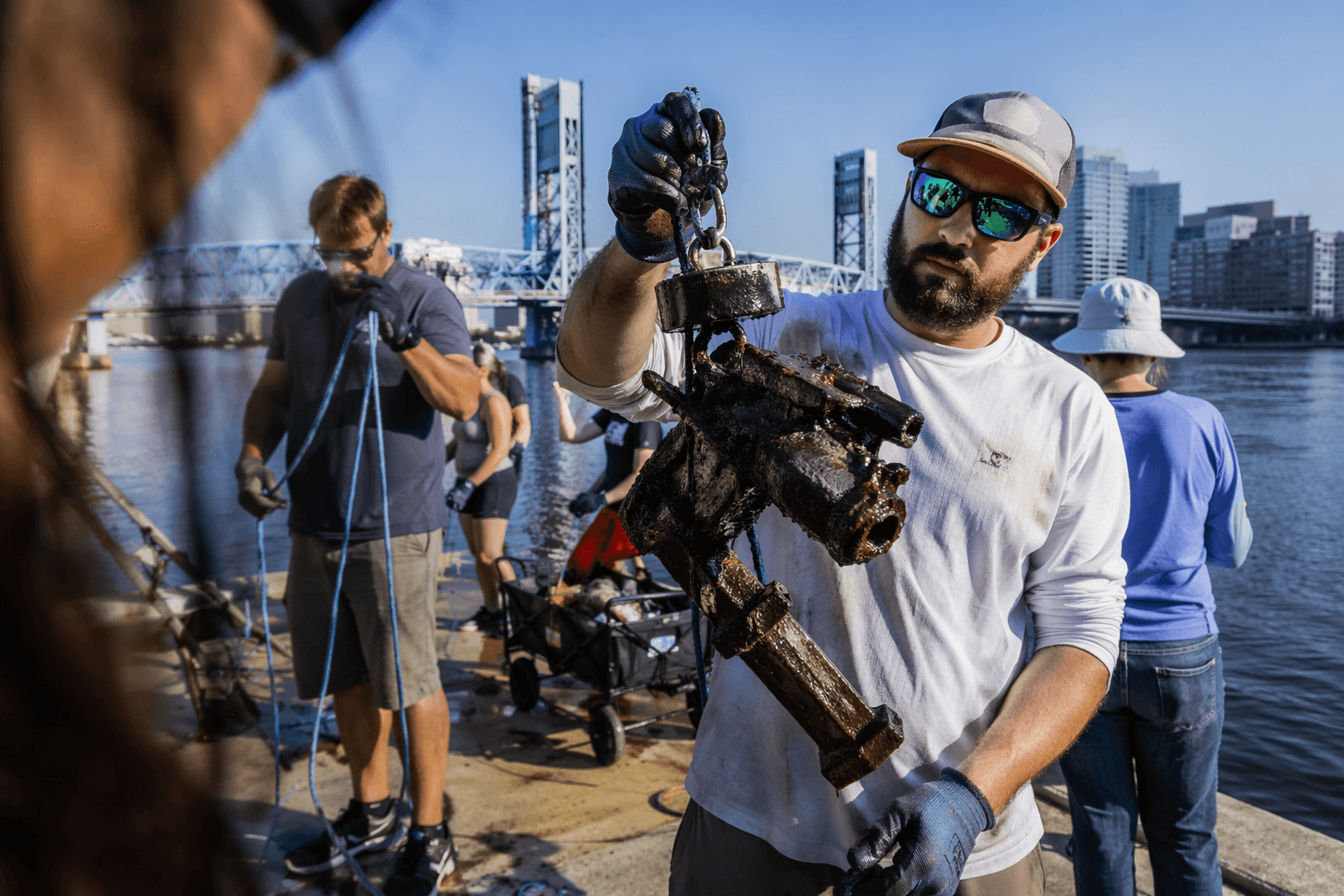
Docks and harbors are built around loading, unloading, and repair, which means dropped gear is part of their ecosystem. Pilings, cleats, ramps, and seams along the waterline make excellent recovery zones because metal can lodge there and stay there. Harbors also reflect the rhythm of working water, so the older and busier the waterfront, the better the odds that your magnet meets something with a story attached.
Lakes, quarries, beaches, and waterfalls
Lakes can be good when they sit next to populated shorelines, boat launches, or old gathering spots. The water may be calmer than a river, which helps debris settle, but that same calm can also mean a wider search area, so the best strategy is to focus on entry points, fishing spots, and places where people have stood close to the edge. Quarries are a different kind of target altogether: they often have steep sides, old extraction equipment, and hidden refuse from the years when the site was active.
Beaches can produce finds where swimmers, anglers, and boaters have lost or abandoned metal near the tide line or launch area. Waterfalls are less about the drop itself and more about the places upstream and downstream where people gather, pause, and lose things in turbulent water. The common thread is access and concentration: if people have lingered there, metal has probably lingered there too.
Old industrial sites and historic ground
Old industrial sites are among the richest places to think about, because industry leaves a dense metal footprint. Scrap, tools, fasteners, rail hardware, and discarded machinery all tend to cluster where work once happened at scale, especially near loading zones and service edges. The catch is that these spots can also be contaminated, unstable, or protected, so a high-yield target is not automatically a good one to fish.
Historic sites ask for even more restraint. Long-used waterfronts, old landings, and places with deep public memory may hold both trash and archaeology, which means the line between a fun recovery and a problematic disturbance can get thin fast. That is why the smartest magnet fishers think in layers: what was used here, who owns it now, and what kind of object is likely to come up.
How to judge a spot before you cast
A productive spot usually clears three tests at once: access, legality, and recovery potential. Access means you can get to the water without trespassing, dangerous footing, or an impossible bank angle. Legality means the site is allowed, because the United States has no single nationwide magnet-fishing statute and the rules depend on state law, local ordinances, and property ownership.
That patchwork matters. A 2026 legal guide says magnet fishing is legal in 49 of 50 states, with South Carolina as the only outright ban, while Wisconsin requires permits for most waterways. Many New York and California state parks restrict the activity, and California state parks may require special permits for magnetic recovery, so a spot that looks open on the surface may be off-limits once you check the rules.
Recovery potential is the last filter, and it is the one that separates guesswork from the good stuff. Ask where people have historically crossed, moored, unloaded, dumped, or gathered, then look for snag points, eddies, pilings, and hard edges where metal can settle. If the water is too deep, too fast, too foul, or too politically sensitive, the pull may not be worth the risk.
Why the hobby keeps pulling people back
Part of magnet fishing’s appeal is the simple surprise of it. You are not just cleaning water, you are opening a sealed record of what people once lost, hid, or forgot, and that can mean anything from hardware to history. Social media helped spread the hobby, and stronger neodymium magnets made it easier for ordinary people to haul up objects that would have stayed buried before.
The public conversation around the hobby is bigger now because the finds are bigger too. In Horse Creek, Georgia, a magnet fisher pulled up a .22-caliber rifle, a cellphone, driver’s licenses, and credit cards, and police treated the haul as new evidence in a murder case. In Bridgewater, Massachusetts, a gun pulled from a river triggered an investigation, and in Georgia’s North Oconee River, magnet fishers reported 30 guns over a few days in murky water. The line can bring up treasure, but it can also bring up evidence.
That is why the UK example matters. The British Museum’s Portable Antiquities Scheme exists to record public finds and advise finders on legal obligations, and the scale is striking: 49,045 archaeological finds were recorded in the first year of the pandemic, with 2022 later described as the biggest year for treasure finds in its reporting. The caution is real too, because museum officials warned against careless magnet fishing after a Viking sword was damaged during recovery. Finds from places like the River Thames foreshore at Queenhithe and Norfolk sit in that same tension between curiosity and care.
The best magnet-fishing spot is rarely the flashiest one. It is the place where history, traffic, debris, and legal access overlap, and once you learn to read that pattern, the map starts telling you where the metal has been waiting all along.
This article was produced by Prism’s automated news system from verified source data, official records, and press releases, then run through automated quality and moderation checks before publishing. The system is built and supervised by the people who set the standards it runs under. Read our full AI policy.
Know something we missed? Have a correction or additional information?
Submit a Tip