be quiet! Light Mount debuts as a quiet, premium gaming keyboard
be quiet!’s first keyboard leans into silence without skipping enthusiast staples. Light Mount mixes hot-swap support, RGB, and premium build into a full-size board.
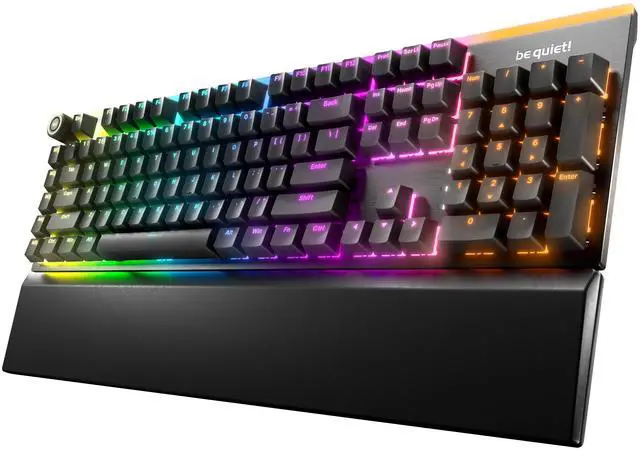
be quiet! finally moved into mechanical keyboards with a debut that feels calculated rather than experimental. The Light Mount is the kind of first effort that tries to translate the brand’s silent-PC reputation directly into a typing board, and it does so with a clear target in mind: people who want a quiet, premium mechanical keyboard for both gaming and everyday work.
The timing and positioning matter. be quiet! unveiled the Light Mount and the modular Dark Mount on April 15, 2025, then said availability in selected regions would begin on April 29, 2025. Light Mount launched at $169.90 / €169.90 / £169.90, placing it squarely in the upper performance segment rather than bargain territory. That pricing makes the board’s promise easy to understand: pay for acoustics, build quality, and a polished feature set, not just a familiar mechanical keyboard shape.
A full-size board built around quiet
The Light Mount is the more traditional sibling in the new line, and that is exactly the point. be quiet! describes it as the full-size counterpart to Dark Mount, with a DE-ISO layout in the reviewed configuration and Silent Linear switches under the caps. The company also offers the board in linear and tactile Silent Switches variants, which gives the line a wider appeal without changing its core identity.
The quiet story is not marketing fluff. be quiet! built the board around three layers of sound-proofing foam, factory-lubricated switches and stabilizers, and a low-noise typing profile that aims to avoid the louder, sharper acoustics common to many gaming keyboards. The company’s own language makes the priority clear: a particularly quiet typing experience without giving up precision or mechanical feedback.
Why the feel is the real selling point
This is where Light Mount starts to separate itself from the usual safe-buy keyboard conversation. It is not trying to win by being the most compact board on the shelf, and it is not chasing the broadest wireless feature set. Instead, it is aimed at the buyer who notices desk fatigue, distracted coworkers, and the difference between a board that sounds clean and one that sounds hollow.
That matters in daily use. A quiet full-size board has a practical payoff for office work, late-night gaming, and any setup where typing sound is part of the user experience rather than background noise. The included magnetic cushioned palm rest, adjustable feet with three typing angles, and brushed aluminum top plate all support that same goal: comfort and a more composed desktop presence, not just spec-sheet bragging rights.
The hot-swap implementation is also more than a checkbox. Light Mount supports hot-swappable 5-pin MX-style switches, and be quiet! includes a combined tool for keycap and switch removal. That makes the upgrade path feel real instead of decorative, especially for anyone who likes to fine-tune feel without replacing the whole board. A detachable braided USB-A-to-C cable rounds out the hardware story with a practical wired fallback that keeps the setup simple.
RGB that still fits the brand
The risk with a “quiet” gaming keyboard is obvious: it can end up looking too restrained for the very audience it is trying to court. Light Mount avoids that by leaning into layered lighting rather than treating RGB as an afterthought. The board uses per-key ARGB lighting, arched ARGB diffusers on each switch, and additional RGB accents around the keyboard, so the visual language still reads as gaming hardware.
That approach gives the board a clearer identity than many flashy alternatives. It does not look loud in the acoustic sense, but it still looks premium on the desk, and that balance is important if the keyboard has to live in both a work setup and a play setup. The result is a quieter centerpiece rather than a minimalist compromise.
The controls and software make it feel finished
be quiet! also loaded the Light Mount with the kind of physical controls enthusiasts notice right away. There is a 3D media wheel, five dedicated programmable macro keys, and dedicated multimedia functions, all of which help the board feel like a complete full-size platform instead of a stripped-down experiment. Those extras matter most for users who switch between work, games, and general desktop use all day.
Software support arrives through IO Center for Windows and IO Center Web, which is a smart companion move for a first keyboard launch. Key assignments, macros, and lighting can all be managed there, so the board is not trapped in hardware-only behavior. For a company entering peripherals for the first time, that combination of physical controls and software support helps the Light Mount feel like a serious product, not a proof of concept.
Who the Light Mount is actually for
The Light Mount makes the most sense for buyers who already value a quiet typing profile and want the rest of the board to match it. If your usual shortlist includes dependable enthusiast-friendly options that win on layout, stability, or easy modding, this board belongs in the same conversation, but for a different reason: acoustics come first, and the premium touches follow from that goal.
That is why the Light Mount feels more considered than gimmicky. It is large, wired, full-featured, and tuned for a calmer sound signature, which makes it appealing to gamers, office users, and anyone who wants a mechanical board that is easier to live with over long sessions. Early coverage has already singled it out with a Performance Booster Award and recurring praise for quiet operation, build quality, and premium presentation, which is a strong start for a company better known for cooling, cases, and silent components.
Aaron Licht framed the launch as “the beginning of an exciting new chapter” for be quiet!, and the Light Mount backs that up by treating silence as a design principle rather than a marketing adjective. If the company wanted a first keyboard that showed off its identity without looking like a novelty, this is the right kind of debut.
This article was produced by Prism’s automated news system from verified source data, official records, and press releases, then run through automated quality and moderation checks before publishing. The system is built and supervised by the people who set the standards it runs under. Read our full AI policy.
Did this article answer your question?