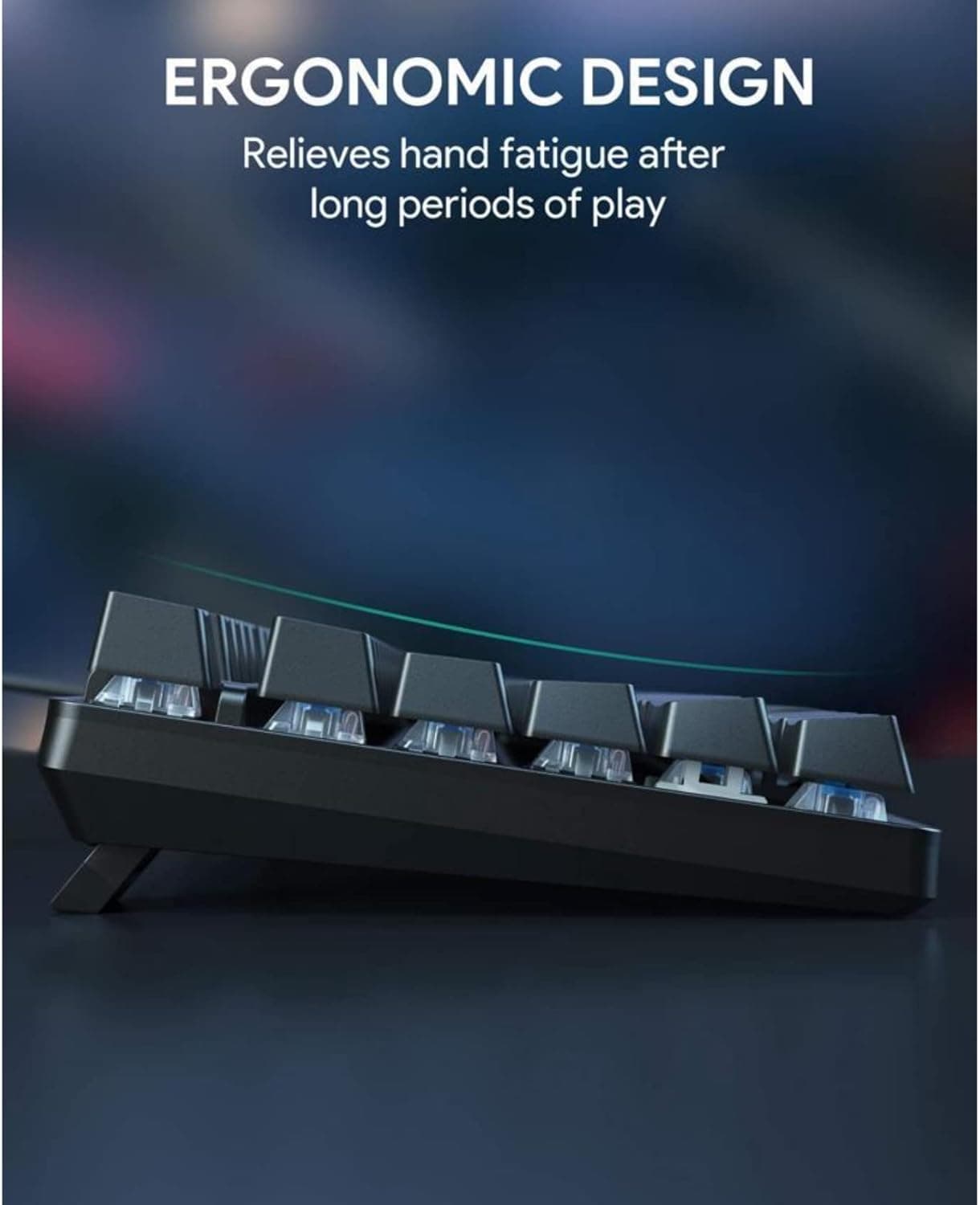
Cherry XTRFY K5 Pro TMR Compact Brings Next-Gen Magnetic Sensing to 65% Gaming
Cherry's K5 Pro TMR Compact takes aim at the 65% Hall-effect market at $149.99, claiming 0.01 mm TMR precision and 8,000 Hz polling in a hot-swap build.
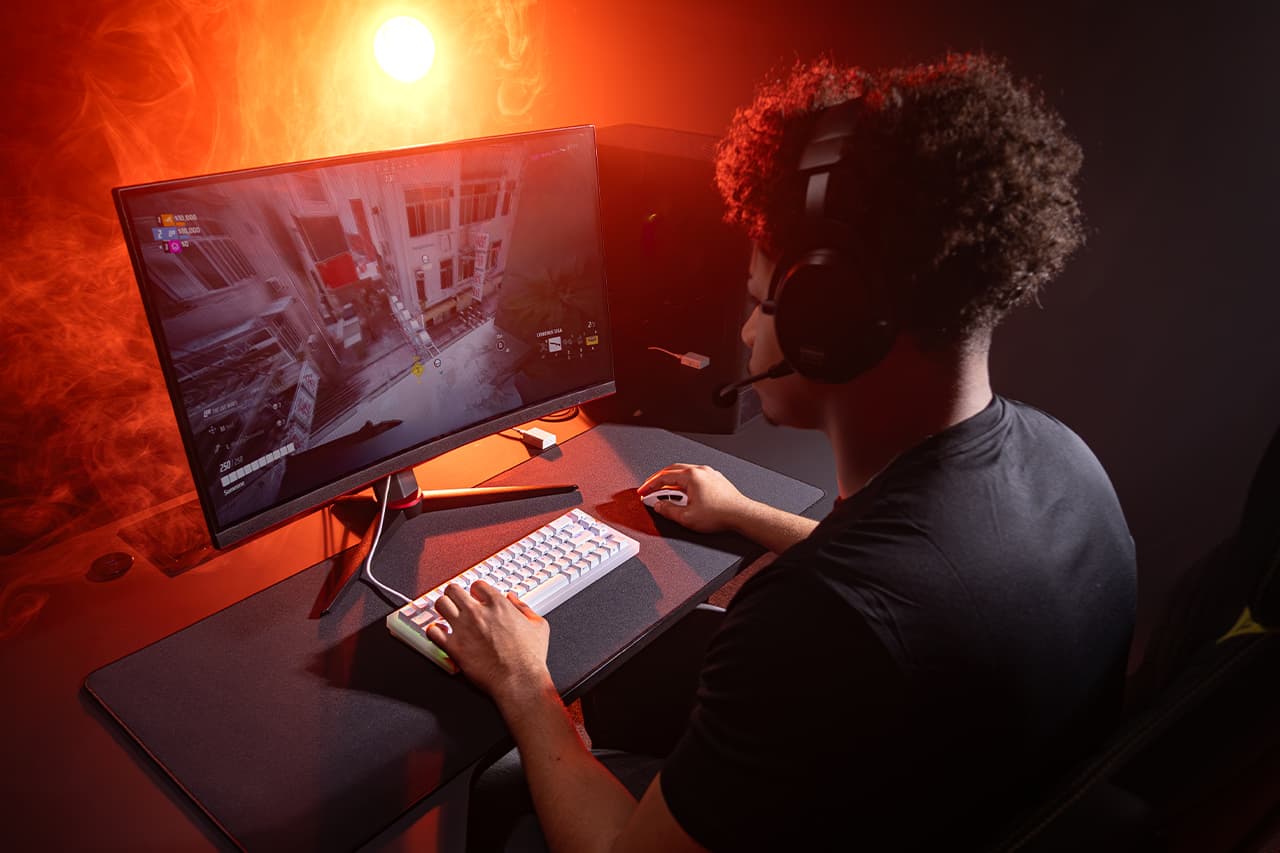
CHERRY built its legacy on mechanical switches. That its gaming arm, CHERRY XTRFY, is now centering its flagship 65% keyboard on magnetic sensing technology signals just how thoroughly the analog keyboard era has arrived.
The K5 Pro TMR Compact, announced April 9, pairs hot-swappable CHERRY MK Crystal Magnetic switches with TMR (Tunnel MagnetoResistance) sensing, an 8,000 Hz polling rate, and a claimed positional precision of 0.01 mm, finer than what most Hall-effect implementations advertise at this price point. CHERRY XTRFY positions TMR as the step beyond Hall-effect: where HE sensors read magnetic field strength, TMR exploits quantum tunneling to detect subtler field changes, producing stronger signals with lower electrical noise. Cleaner sensor data means actuation thresholds can sit tighter and stay more consistent across every key. The board also draws less power under the same conditions than comparable Hall-effect hardware, according to CHERRY.
Joakim Jansson, Director of Product Management at CHERRY, framed the release as a product evolution rather than a category pivot: "The K5 has become an iconic keyboard in the CHERRY XTRFY range, and with TMR, we're taking it even further."
Stacked against the Wooting 80HE, currently the most referenced 65% Hall-effect benchmark at $174.99, the K5 Pro TMR makes an interesting case on every axis. On polling, both top out at 8,000 Hz; the K5 Pro TMR undercuts the Wooting by $25 while adding a metal plate, multi-layer damping, and pre-lubricated PCB-mounted stabilizers, hardware choices that address the feel side of the equation rather than just the spec sheet. Independent latency testing has placed the Wooting 80HE at around 2.5 ms end-to-end; CHERRY XTRFY has not released equivalent third-party figures yet, so that direct comparison still needs measurement.
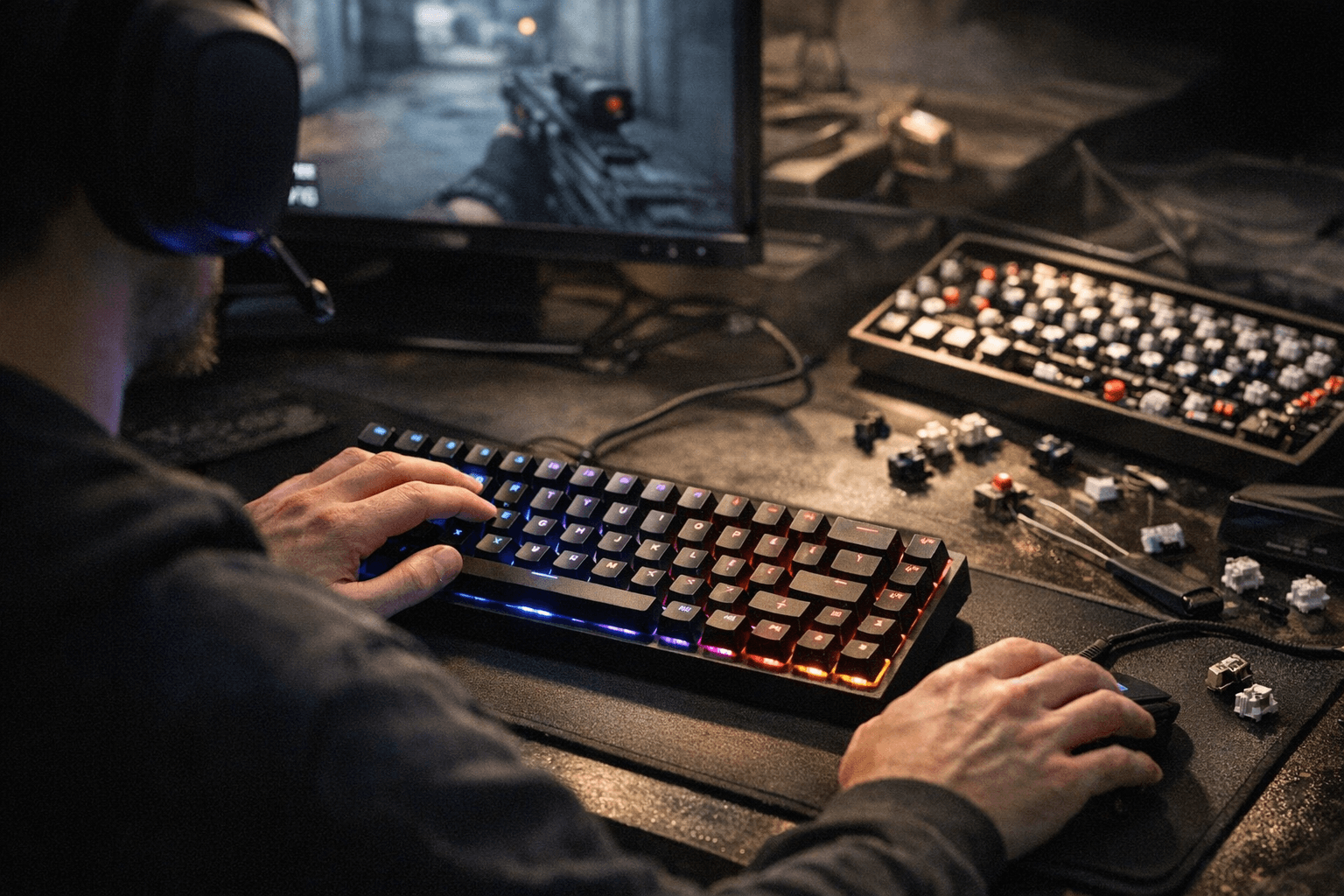
Software is where the Wooting holds its clearest advantage. Wootility is one of the most mature analog keyboard applications in the hobby, refined through years of community use and rapid-trigger iteration. CHERRY XTRFY's MagCrate handles per-key actuation points, advanced key behavior, and lighting, but it does not yet carry the same depth of community tooling. That gap is closable, but it is real.
One piece of context worth holding onto: TMR is not new to keyboards. Keychron shipped TMR-based sensing inside keyboards they branded as HE from the Q1 HE onward, using the Hall-effect label because TMR was not broadly recognized at the time. CHERRY XTRFY's move is less about introducing TMR to keyboards and more about putting the technology front and center in a competitive 65% at a price that makes the Wooting's position less automatic.
Hot-swap support and keycap compatibility with standard MX-footprint sets remain to be fully confirmed by community testing. The hardware case for the K5 Pro TMR is strong; long-term, its standing in the analog keyboard conversation will be determined by how fast MagCrate matures and whether the switch ecosystem opens up to third-party options.
This article was produced by Prism’s automated news system from verified source data, official records, and press releases, then run through automated quality and moderation checks before publishing. The system is built and supervised by the people who set the standards it runs under. Read our full AI policy.
Did this article answer your question?