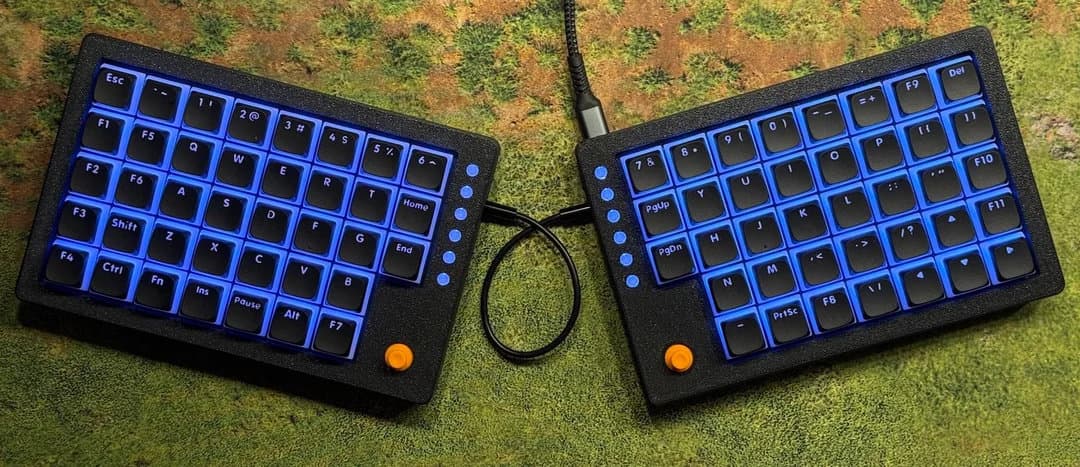
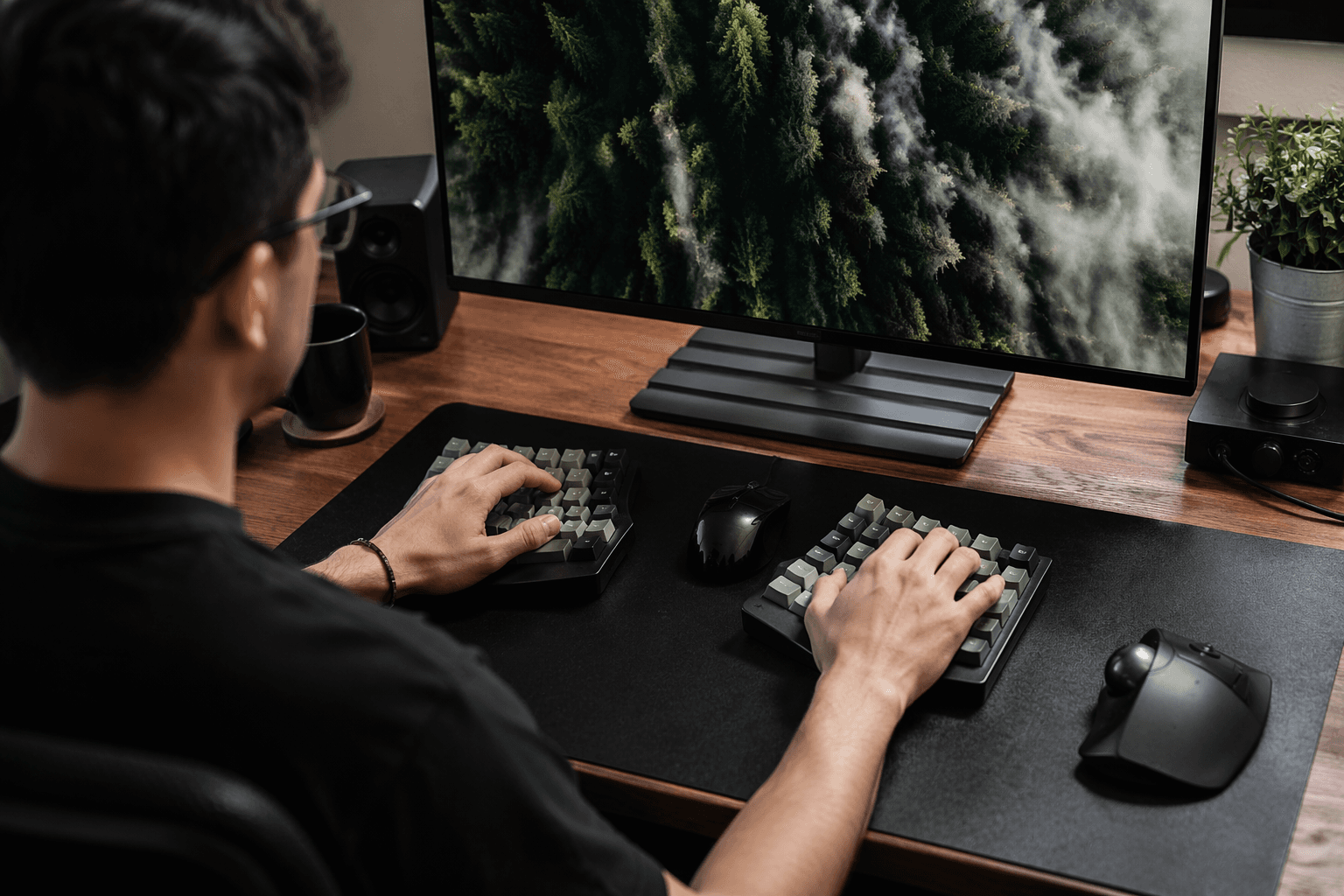
custom mechanical keyboards move from niche hobby to luxury retail
The real value of custom keyboards is not the price tag. It is the tune, the fit, and the ability to repair and refine every part of the board.
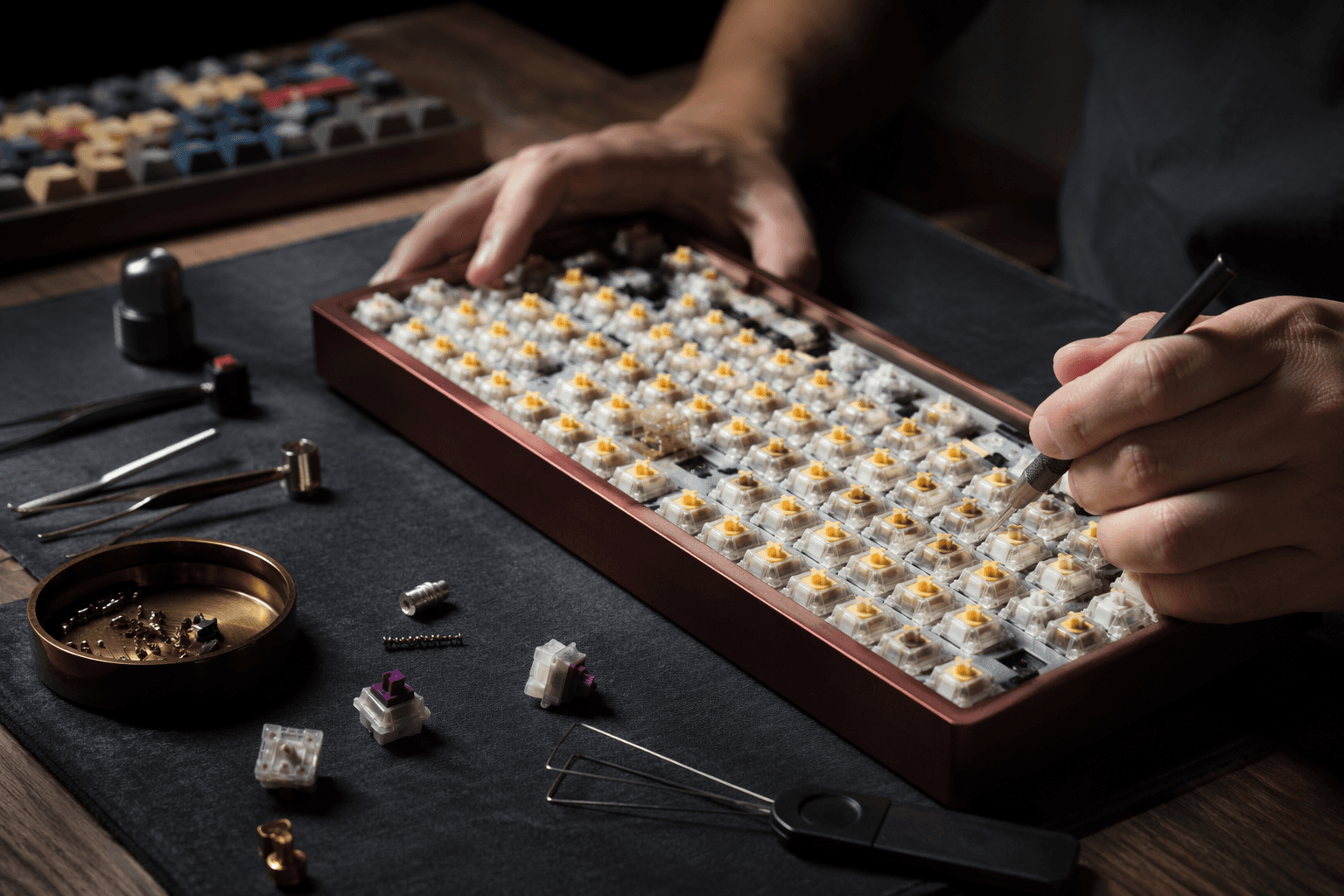
The luxury sheen is real, but it is not the point. What keeps people in custom mechanical keyboards is the moment a board finally lands under the fingers and sounds exactly right, with the switches, case, keycaps, buffers, and mounting all working together instead of fighting each other.
What the outsider sees, and what the builder hears
Mainstream coverage tends to stop at the obvious visual cues: CNC-milled aluminum, a polished desk setup, and a price that can look absurd from the outside. Inside the hobby, those are just the visible layers of a much more practical obsession. Enthusiasts are snapping in individual keycaps with custom Neoprene buffers, lubricating components, and choosing switches, cases, and acoustics to shape how the board feels on every press.
That is why a custom build is not really about decoration. It is about tuning a typing tool. A board that sounds hollow or too sharp can be reworked. A board that feels harsh can be softened with different switch choices, a gasket mount, or pre-lubed parts. The result is less like buying a status object and more like dialing in a tool until it fits the hand and the ear.
The parts that actually matter
The parts that define premium builds today are the ones that change the typing experience in measurable ways. Recent custom-keyboard guides and retailer listings keep circling the same core ingredients: gasket mounting, CNC aluminum cases, hot-swap PCBs, PBT keycaps, and pre-lubed switches. Those pieces are popular because they solve real complaints, from acoustic ping to scratchy switch travel.
Hot-swap boards have become especially important because they remove one of the biggest barriers to experimentation. Keychron’s pitch is simple and accurate: hot-swappable keyboards let users replace switches without soldering, then customize sound, feel, and performance. That matters whether you are chasing a deeper typing sound, lighter spring weights, or a board that just feels easier to live with for long sessions.
Pre-lubed switches are also changing the entry point. Hand-lubing has long been a ritual in the hobby, but more boards now arrive with that work already done. For many buyers, that means spending less time at the workbench and more time testing how the board actually behaves under real typing.
Why custom does not have to mean inaccessible
The market now spans far more than a handful of boutique builders. Mechanical Keyboards says it has been serving the mechanical-keyboard market since 2012 and now offers keyboards, switches, keycaps, DIY parts, accessories, mice, and more. That is a sign of how far the scene has widened: the hobby still has its craft culture, but it also has catalog depth and mainstream retail structure.
DIY kits show the same shift. Some kits are listed from around $99, which puts experimentation within reach of a much wider audience than the fully tricked-out end of the market. Those entry kits often come as barebones or hot-swap options, making them a practical path for anyone who wants to learn what actually changes the feel of a board before chasing a more expensive finish.
The retail expansion matters because it changes the story from “rare custom object” to “modular platform.” You can buy the board, replace the switches, swap the caps, tune the acoustics, and keep the shell if the rest of the build changes later. Repairability is part of the appeal, not an afterthought.
The limited-run culture is still alive
Even with retail shelves growing, the hobby has not lost its collector DNA. Group buys and pre-orders remain a major part of the custom-keyboard scene, especially for limited-run boards and keycap sets. That keeps the culture partially retail and partially event-driven, where availability can be as much a part of the appeal as the board itself.
KBDfans and CannonKeys continue to reflect that model with active group buys and pre-orders, while brands like Drop, Kinetic Labs, and Unicomp remain part of the broader ecosystem that enthusiasts move through when they are hunting for specific parts, caps, or legacy feels. The hobby still rewards patience, and sometimes the best board is the one you commit to months before it lands on your desk.
The legacy behind the obsession
None of this emerged from nowhere. IBM’s Model M, introduced in 1985, became a defining mechanical keyboard because its buckling-spring design turned durability and tactile force into a recognizable identity. Cherry’s MX switch line dates back to the 1980s, and some Cherry MX switches are rated for more than 100 million keystrokes, which helps explain why longevity still sits at the center of the conversation.
That history matters because custom builders are not just buying novelty. They are participating in a lineage where feel, reliability, and repairability were always part of the value proposition. The enthusiast language has changed, but the old promise remains: a keyboard can be a long-term tool instead of a disposable accessory.
A market that is no longer tiny
The numbers back up the shift from niche to retail category. Recent market reports place the global mechanical-keyboard market in the low billions of dollars, with growth projected through the 2030s. One 2026 report said more than 48 million mechanical keyboards were shipped globally in 2023, and gaming accounted for 56 percent of total sales.
That does not mean the hobby has become generic. It means the demand is broad enough to support both mass-market boards and deeply personalized builds. Gaming is still the biggest single slice, but remote work, customization, and ergonomics keep pushing new users toward boards that fit better, sound better, and hold up longer.
The mainstream story gets one thing right: custom keyboards are expensive enough to look luxurious from a distance. The enthusiast story is sharper than that. People keep building them because the best board is the one that disappears into the hands, takes the strain out of the day, and still feels worth opening up when the next switch, cap set, or firmware update comes along.
This article was produced by Prism’s automated news system from verified source data, official records, and press releases, then run through automated quality and moderation checks before publishing. The system is built and supervised by the people who set the standards it runs under. Read our full AI policy.
Know something we missed? Have a correction or additional information?
Submit a Tip