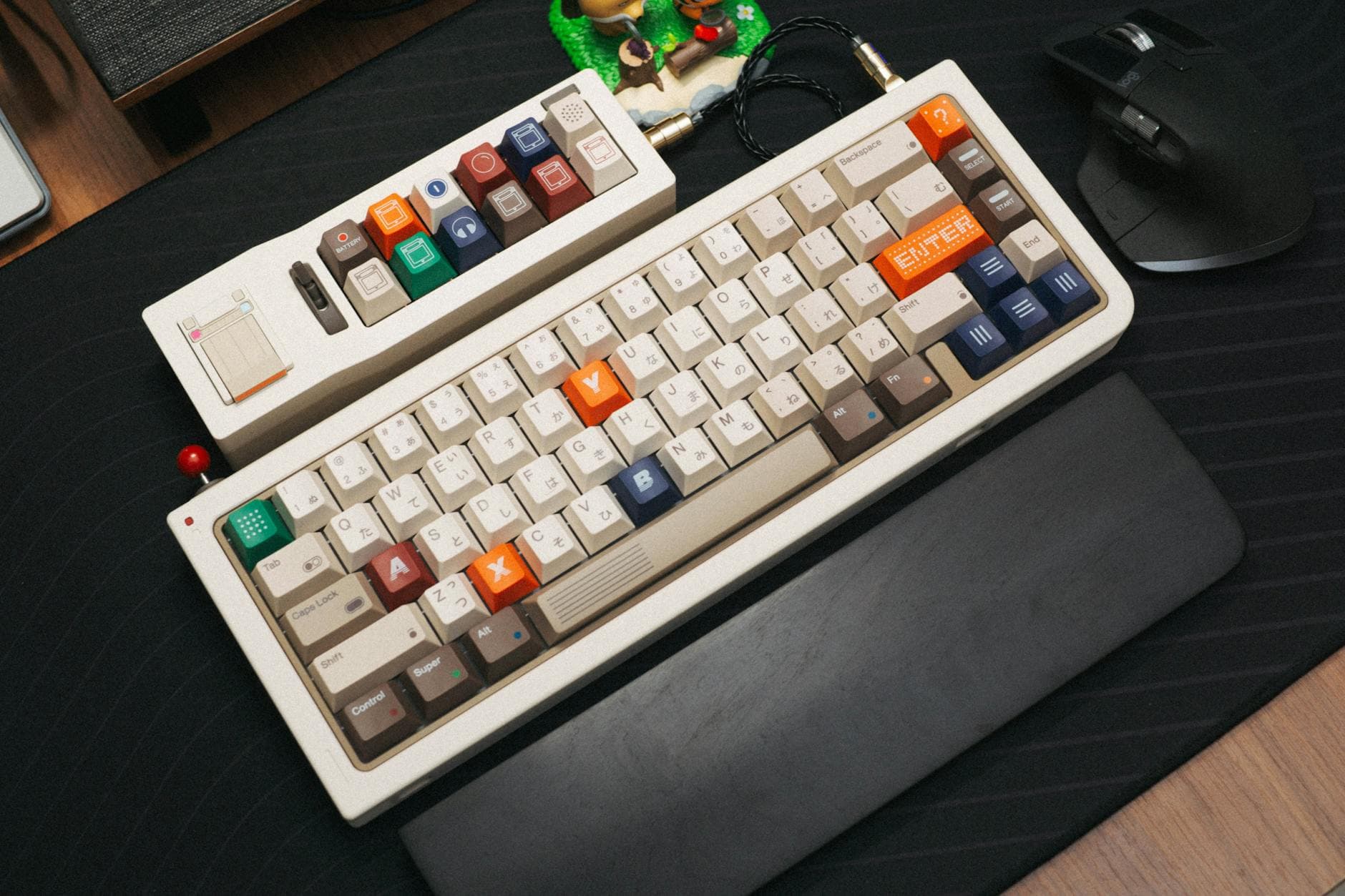
Epomaker HE75 V2 brings Hall effect speed with custom-like acoustics
Epomaker’s HE75 V2 pairs 8K Hall effect speed with a firmer gasket build, aiming for sound and feel that read more custom than budget gamer.

Epomaker’s HE75 V2 arrived as a direct answer to a familiar Hall effect problem: can a fast gaming board also sound and feel like something a keyboard enthusiast would want on the desk every day? The revised 75 percent board keeps the number row and function row, trims the navigation cluster to a narrow three-key strip, and leans into a firmer build with an ABS plastic shell, a gasket mount and an FR4 plate rather than the soft, flex-heavy tuning that often defines custom-inspired boards.
That choice mattered. Instead of chasing an ultra-bouncy typing feel, Epomaker appeared to be targeting a more deliberate bottom-out and a cleaner acoustic signature, helped by the absence of flex cuts in both the PCB and the plate. The layout stayed practical for mixed work and play, while a modular knob returned on the right edge and could be swapped out for two physical keys, a small but telling concession to modders who want more from the same footprint.
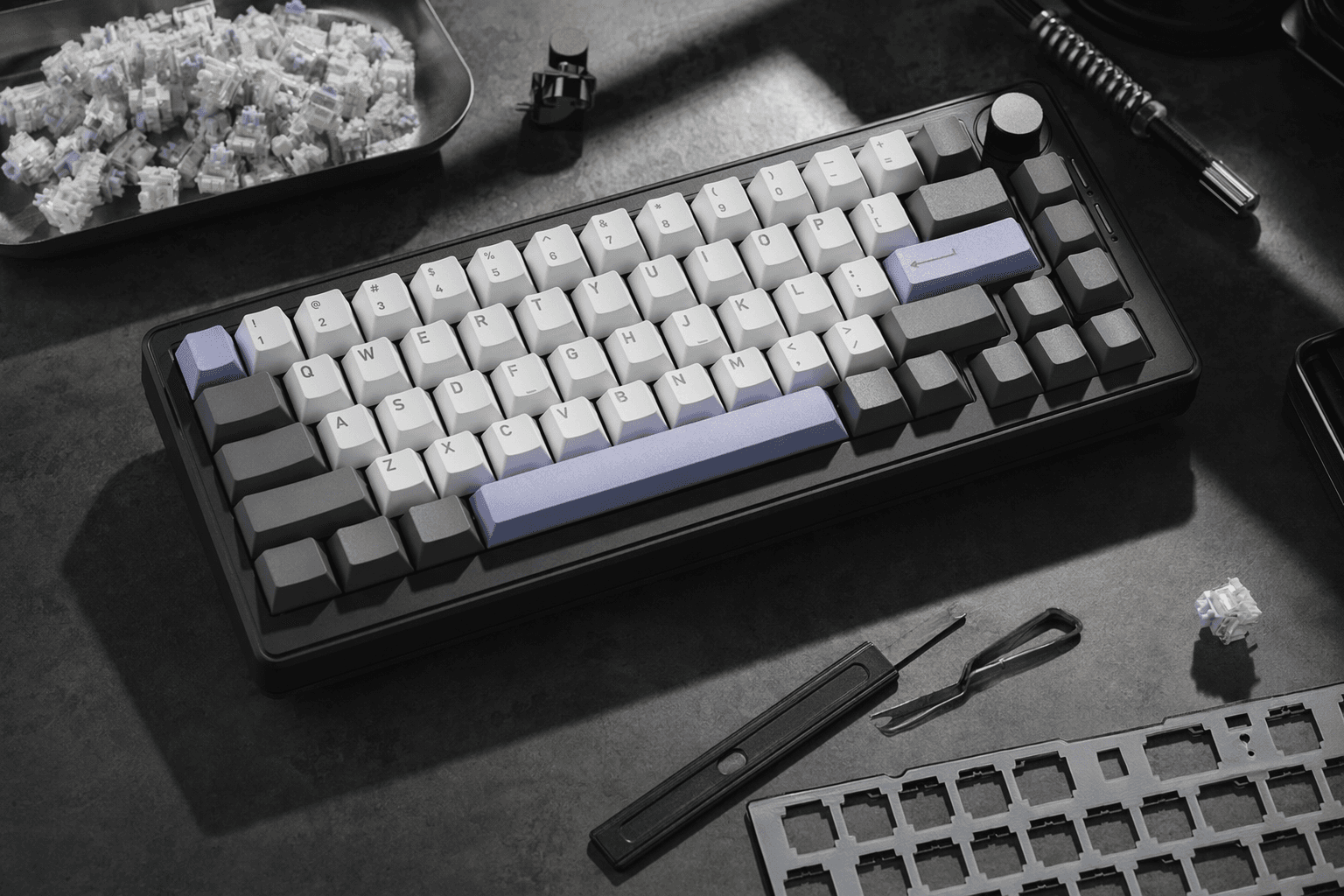
The HE75 V2 also pushed harder on presentation. Black and white versions used translucent PC keycaps matched to the chassis, while faceted edge lighting aimed for a crystal-like RGB effect. Under the hood, Epomaker paired the board with Creamy Jade HE magnetic switches and tri-mode connectivity, with 8 kHz polling over wired and 2.4 GHz modes. Epomaker’s product page also listed a 5-layer gasket structure and an 8000mAh battery, and said the board supported rapid triggering, SOCD, DKS and Mod-Tap.
TechPowerUp said the HE75 V2 was officially available on Epomaker’s store and Amazon for $89.99 on May 19, putting it squarely in the aggressive mid-budget bracket where feature density matters. Amazon’s listing copy went even harder on competitive shorthand, citing 0.005mm adjustable actuation and a 128k full-board scan rate, while Epomaker’s own marketing emphasized the 8000Hz polling rate and Hall effect platform. The pricing and feature mix made the V2 feel less like a cosmetic refresh and more like a bid to make Hall effect boards feel credible outside the pure gaming lane.
That push also reads as a response to the earlier HE75 Mag, which launched in 2025 and drew mixed reaction for its sound, rattly stabilizers, clunky software and inconsistent repeated inputs, even as reviewers liked the wireless setup and customization potential. The HE75 V2 does not erase the genre’s priorities, but it does try to bridge the gap the HE75 Mag left open: fast, magnetic-switch performance with enough acoustic discipline and design polish to feel closer to the hobby than the spec sheet.
Know something we missed? Have a correction or additional information?
Submit a Tip