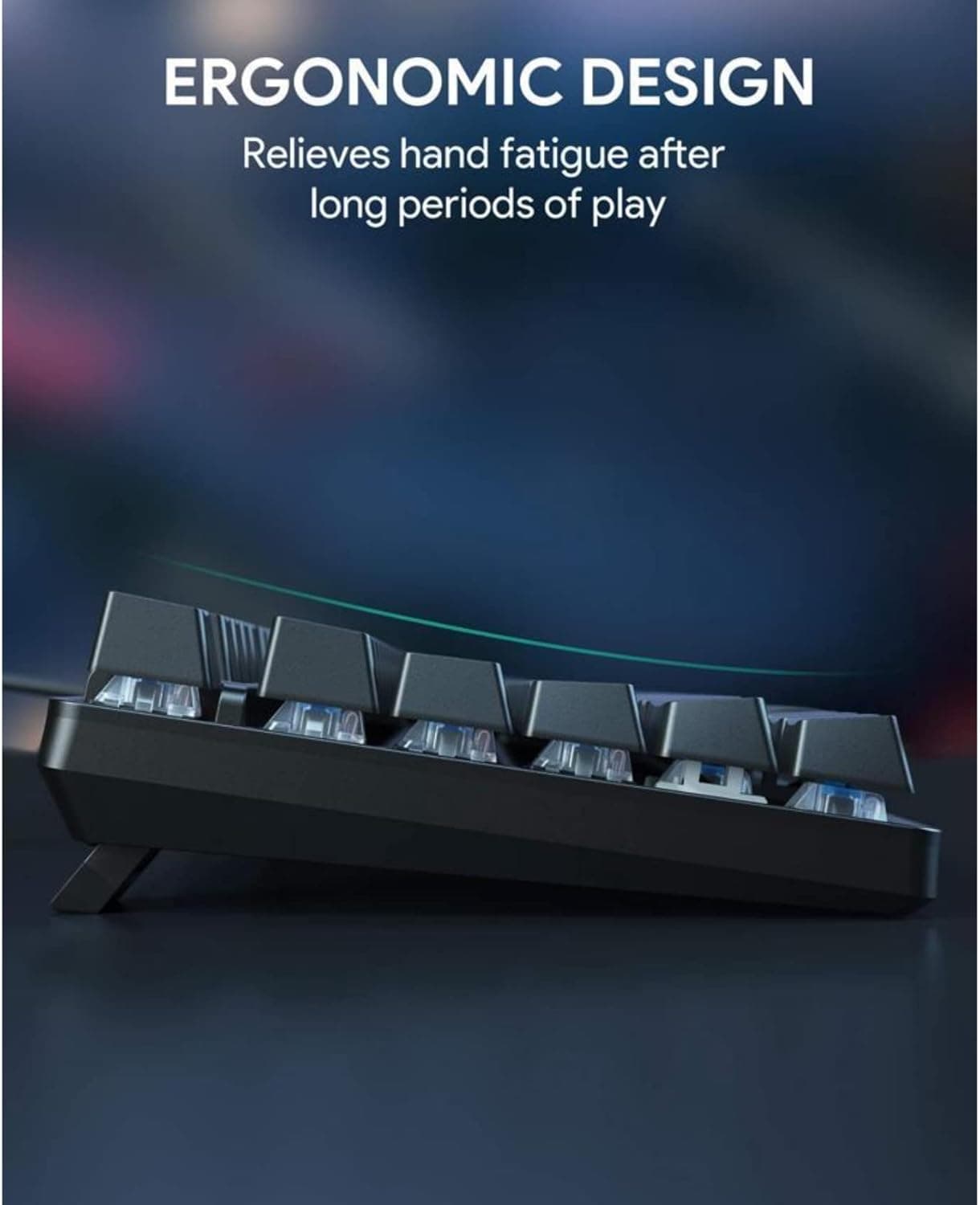
Epomaker HE75 V2 refines Hall-effect design with swappable knob and 75% layout
A swappable knob, 8,000mAh battery and 75% layout turn the HE75 V2 into a smarter Hall-effect follow-up. The real test is whether it feels better at the desk.
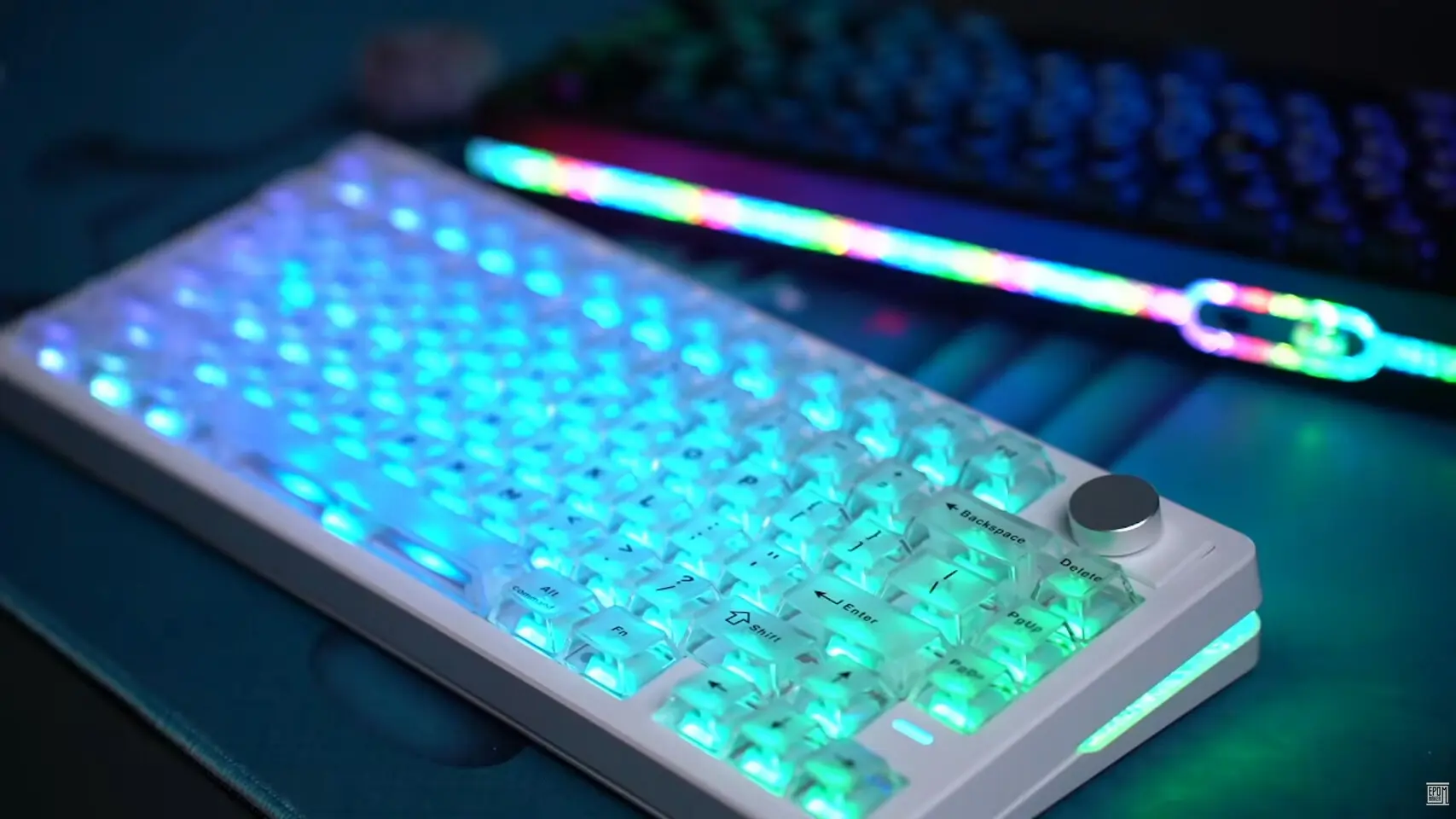
Epomaker’s HE75 V2 looks less like a fresh Hall-effect headline grab and more like a correction. The board keeps the 75% formula that matters most in daily use: a compact footprint with the function row and number row intact, plus a trimmed navigation cluster that leaves just three keys on the right. For gamers, programmers and anyone tired of full-size desk sprawl, that is the kind of layout change that actually shows up every time the board is used.
The biggest carryover is the modular knob, but Epomaker has made it more interesting this time. On the HE75 V2, the knob is swappable as two keys, so buyers are no longer locked into a rotary controller if they would rather reclaim that space for a more traditional setup. That is a small hardware detail with outsized day-to-day impact, especially on a board that is trying to be both a gaming tool and a typing board instead of leaning too hard into one identity.

The rest of the construction pushes in the same direction. The HE75 V2 uses an ABS case, an FR4 plate and a 5-layer gasket structure, a combination that should matter more to sound and feel than to marketing copy. Epomaker is also pairing the board with Creamy Jade magnetic switches, Cherry-profile PC matte-transparent keycaps and south-facing RGB, while offering all-black and all-white finishes. The chassis weighs about 1kg, which gives it more desk presence than a lightweight plastic board and suggests Epomaker is trying to court enthusiasts who care about stability as much as speed.
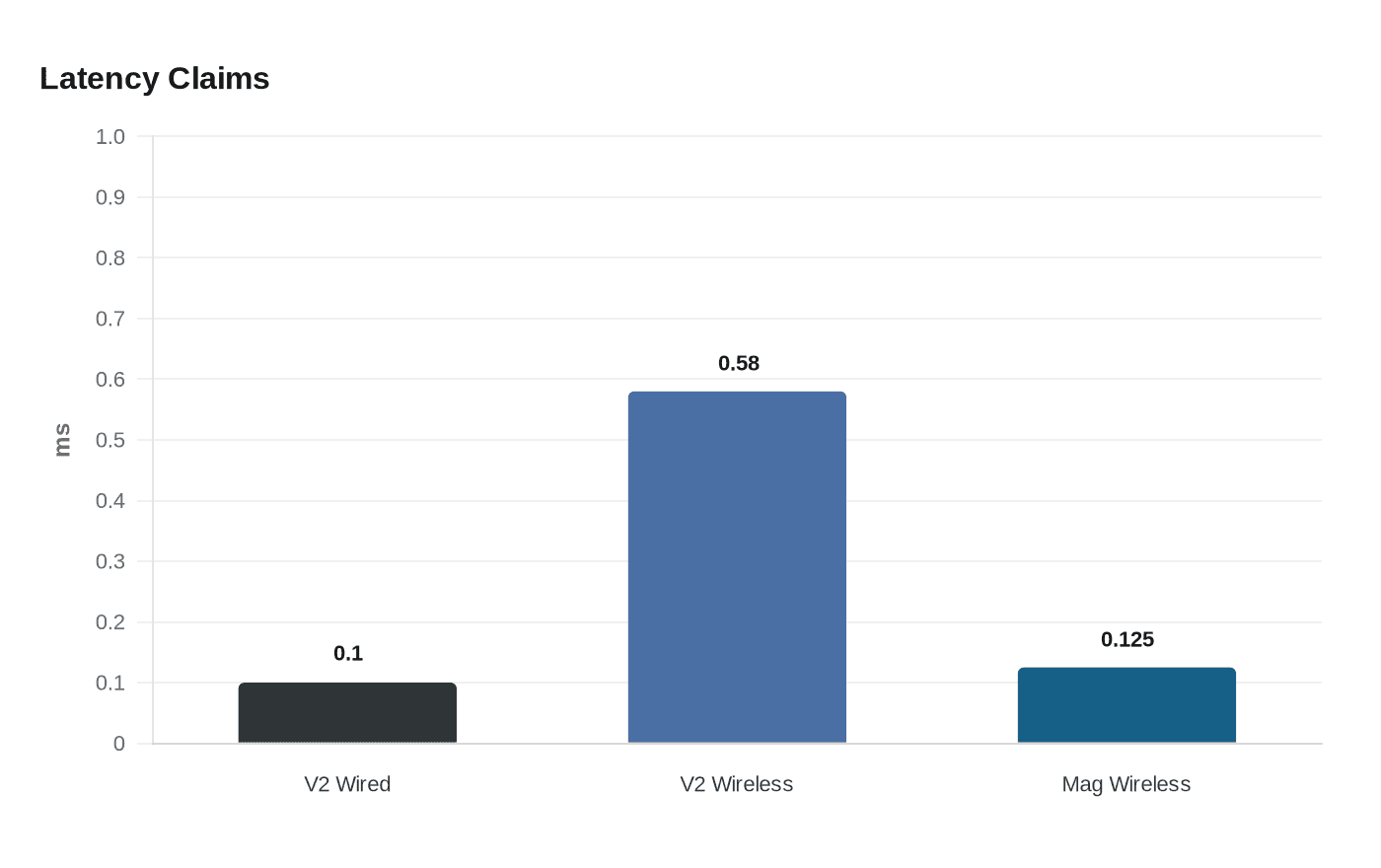
The spec bump is real too. Epomaker lists an 8,000mAh battery, up from the 4,000mAh cell on the earlier HE75 Mag, along with 2.4GHz, Bluetooth and wired connectivity. It also claims 8,000Hz polling over USB and 2.4GHz, with 0.1ms wired latency and 0.58ms latency over wireless. The earlier HE75 Mag was sold at $99.99 and advertised 40 actuation levels from 0.1mm to 4.0mm, plus a 0.125ms wireless latency claim. That model also drew criticism for typing sound, rattly stabilizers, clunky software and inconsistent key inputs, even as its wireless mode and customization earned praise.
That history is why the HE75 V2 matters. Hall-effect boards are no longer being judged only on rapid trigger and actuation tuning. They are being judged on whether they feel good, sound good and work naturally as everyday keyboards. In that sense, the HE75 V2 reads like a meaningful refinement, not a spec-sheet refresh: the kind of update that could matter on a desk long after the latency numbers fade from memory.
This article was produced by Prism’s automated news system from verified source data, official records, and press releases, then run through automated quality and moderation checks before publishing. The system is built and supervised by the people who set the standards it runs under. Read our full AI policy.
Did this article answer your question?