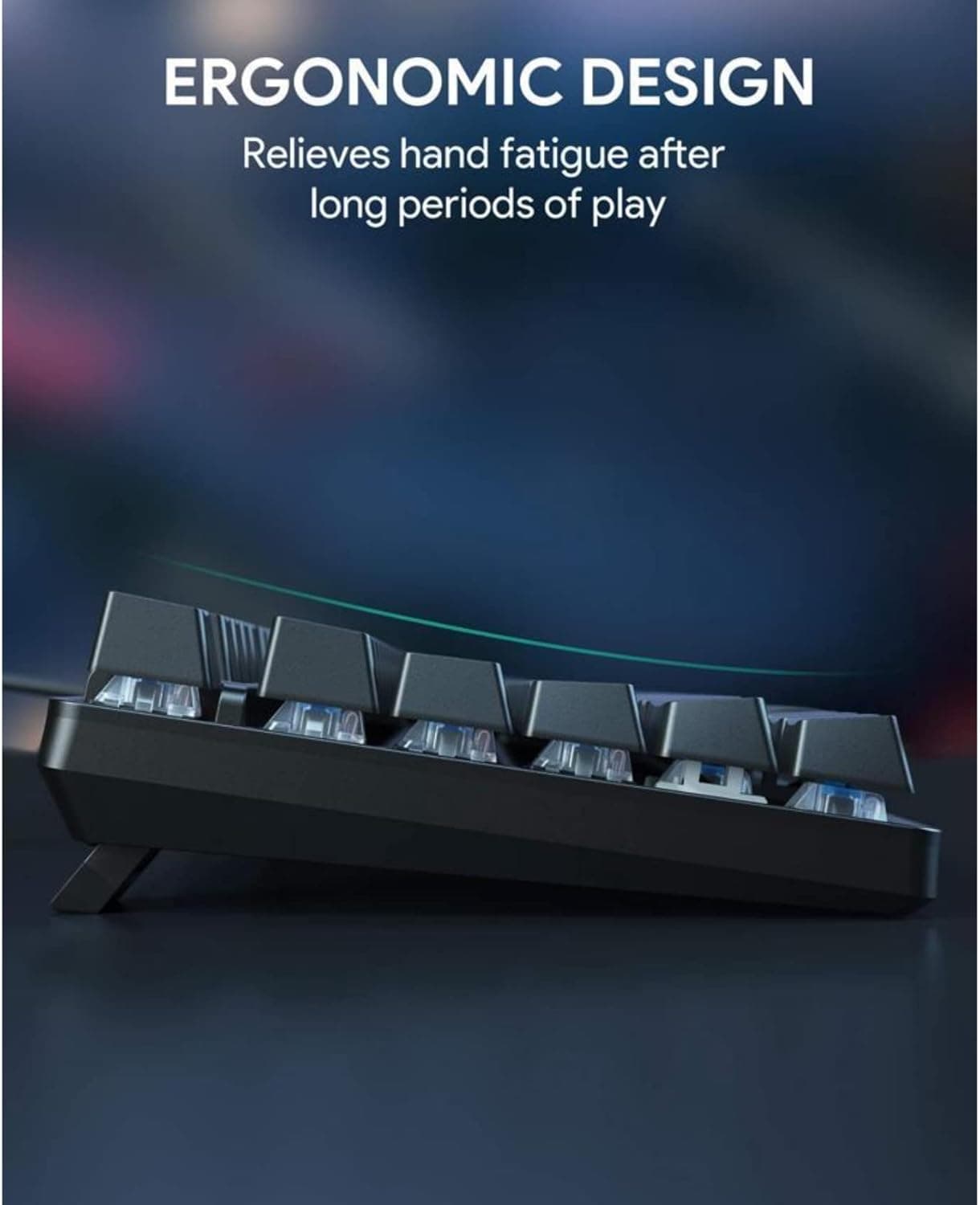
Epomaker P65 Review: A CNC Aluminum Gasket-Mounted 65% Keyboard
The Epomaker P65 packs a CNC aluminum gasket-mounted chassis into a 65% layout for $119, but its factory Zebra switches split reviewers on sound.
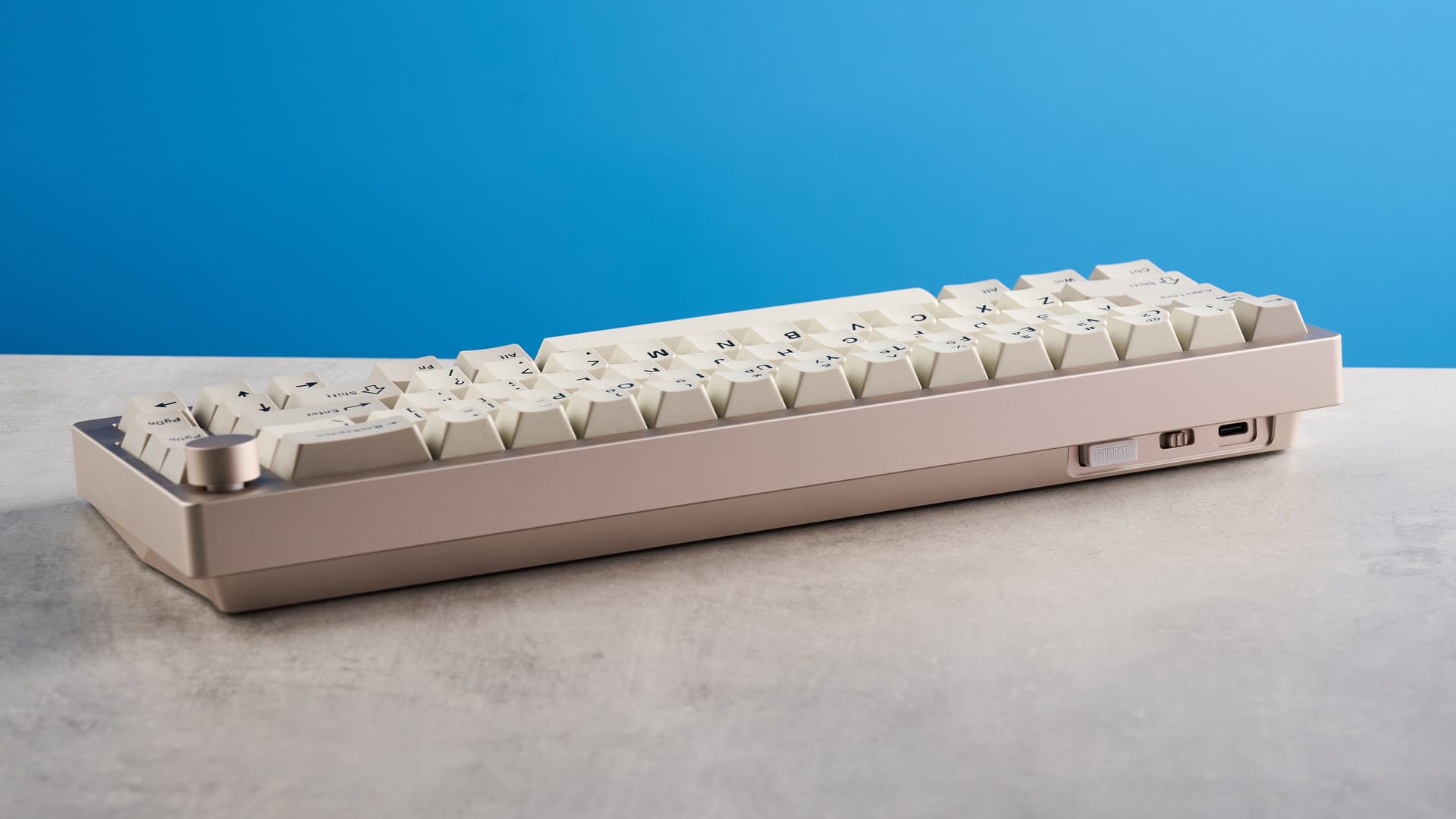
The Epomaker P65 lands in a crowded field of sub-$130 65% boards with a spec sheet that punches noticeably above its price: fully CNC-machined aluminum chassis, gasket mounting, 5-pin hotswap PCB, and triple connectivity across wired, 2.4GHz, and Bluetooth. At $119 on Amazon, it slots neatly between the plastic-chassis Epomaker EK68 at $89 and the Keychron Q65 Max at $209, and that positioning tells you most of what you need to know about where Epomaker is aiming.
The build is immediately convincing. APH Networks described it as having "a beautifully machined aluminum construction, minimalist design, and a pleasant colorway that points back to the early age of computers in the nineties." The khaki colorway pictured in Tom's Guide's review reinforces that retro-computing aesthetic. Where the P65 distinguishes itself from similarly priced boards is in that gasket mount: APH noted "the subtle flex in the gasket mounting system allows for a comfortable typing experience," which at this price tier still isn't a given. The plate-mount stabilizers arrive "expertly tuned with no rattling," and the double-shot PBT keycaps are described as fade-resistant with legible black lettering.
The factory-lubricated Zebra switches are where the two major reviews diverge. Tom's Guide called the stock linears "smooth and responsive" and said they "sound oh-so-sweet." APH Networks praised the "buttery smooth" keystrokes and "marble-like sound profile" of the Zebras, but also flagged that "the P65 sounds a bit harsh" and recommended opening it up to work with the included foam and sound-enhancing materials. Both assessments are honest; keyboard acoustics are notoriously subjective, and the fact that Epomaker ships modding materials in the box at least acknowledges that some users will want to tune further. The 5-pin hotswap sockets mean you're not stuck with the Zebras if they're not your preference.
Connectivity covers wired, 2.4GHz wireless, and Bluetooth, and the board runs a 1,000Hz polling rate, which Tom's Guide flagged as a genuine benefit for both typists and casual gamers. Web-based companion software handles remapping and customization without requiring a local install, which keeps the friction low for anyone who doesn't want to dig into firmware.

Pricing has fluctuated slightly between reviewers: Tom's Guide lists $119/£89 at Amazon while APH Networks found it available for $101 at their time of writing. Either figure looks reasonable against the competitive landscape. The Lemokey P1 Pro and GravaStar Mercury K1 both sit at $129; the Keychron V1 Ultra is $114. The P65 undercuts the Corsair K65 Plus Mac at $179 by a meaningful margin, though Mac users should note one hard limitation: the P65 ships without a macOS mode or macOS-specific keycaps. Tom's Guide was direct about this: "Mac users, beware: it doesn't come with a macOS mode or keycaps." If macOS keycap legends matter to you, the Keychron C1 Pro at $54 or the NuPhy Halo75 V2 at $129 (accepting the 75% layout trade-off) are the suggested detours.
APH Networks rated the P65 at 7.6 out of 10 on their proprietary scale, landing it between their 7/10 tier ("great product with many advantages and certain insignificant drawbacks") and their 8/10 tier ("definitely a very good product with drawbacks that are not likely going to matter to the end user"). That placement feels accurate: the P65 is a genuinely well-constructed board with strong out-of-box tuning on the stabilizers and a chassis that belies its price, but the limited stock switch selection and the missing macOS support are real gaps that Windows-focused typists can ignore and Mac users cannot.
This article was produced by Prism’s automated news system from verified source data, official records, and press releases, then run through automated quality and moderation checks before publishing. The system is built and supervised by the people who set the standards it runs under. Read our full AI policy.
Did this article answer your question?