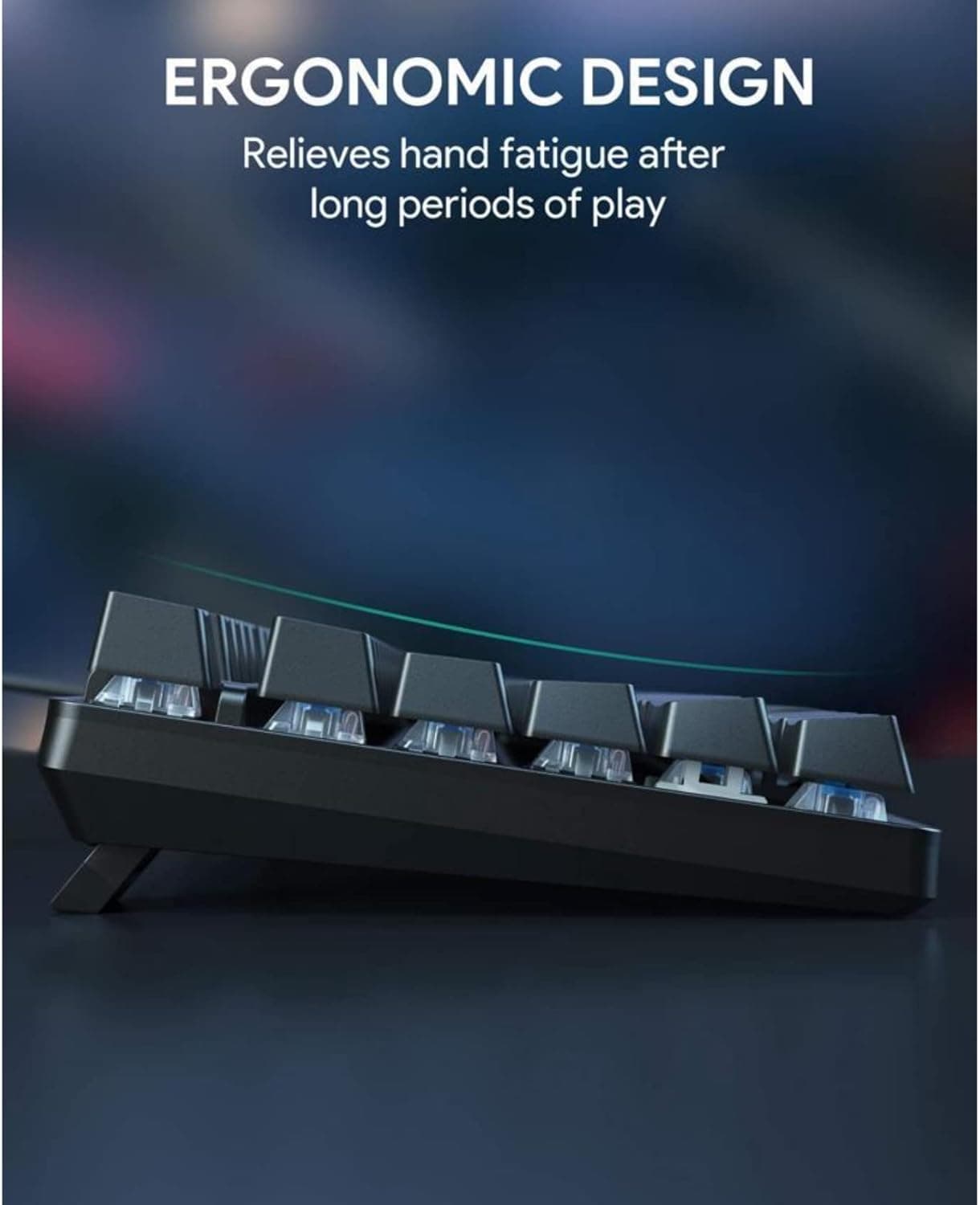
Framework develops mechanical keyboard, opens design files for custom builds
Framework’s keyboard push goes beyond a replacement part: its design files now let builders prototype custom layouts, standalone modules, and laptop-scale mechanical experiments.
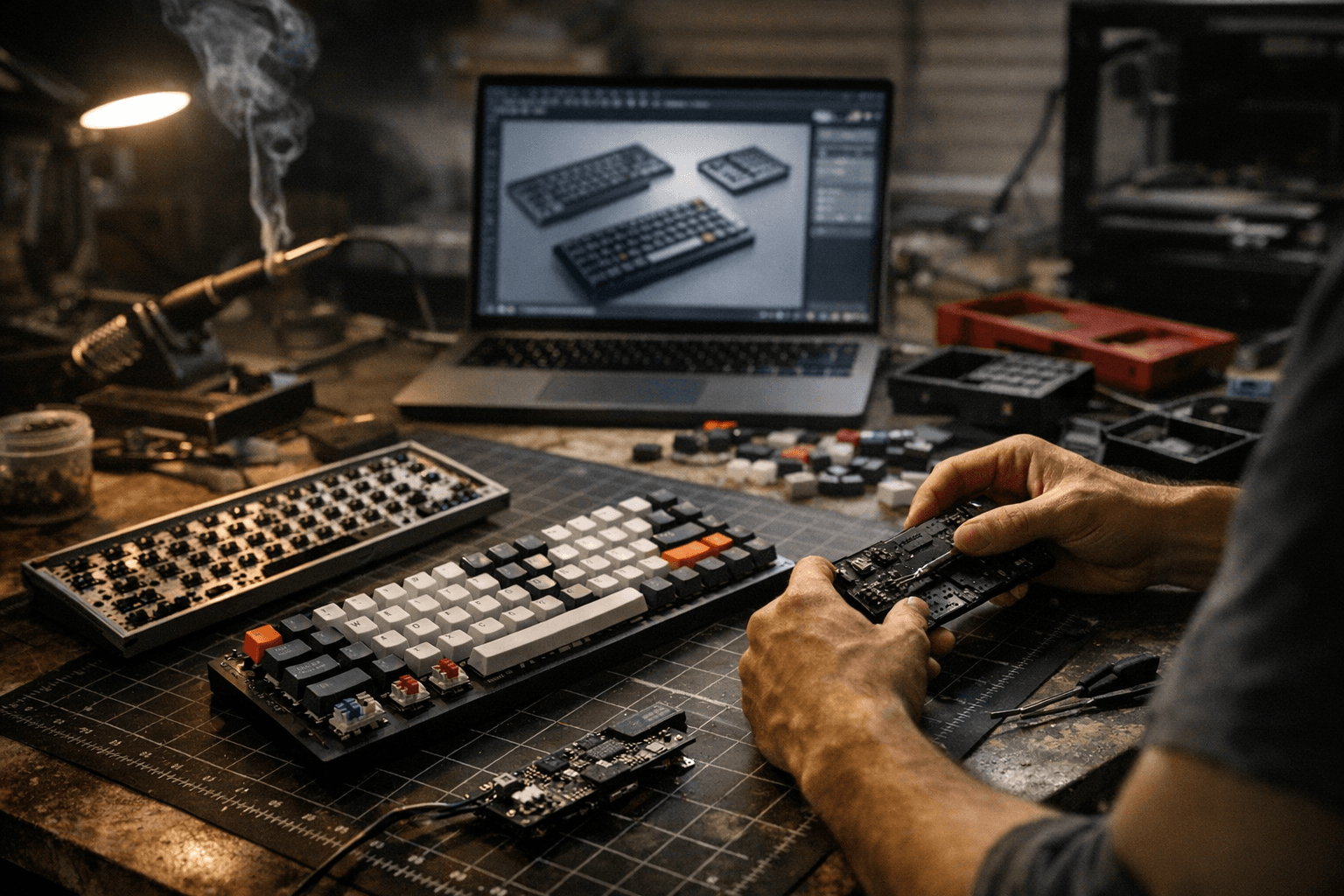
Framework is pushing mechanical keyboards closer to the open-hardware mindset that built its laptop following. The company has released mechanical and electrical documentation for the Framework Laptop 16 Input Module system, and the files are already pointing builders toward hot-swappable USB 2.0 devices, standalone adapter-based development, and custom layouts that can move far beyond a stock laptop deck.
That matters because Framework has been here before. In a March 19, 2021 blog post, the company said its keyboard was built for repairability and customization, used 1.5 mm key travel, and launched with a wide spread of language and layout options, from US English and UK English to French, Korean, Chinese Pinyin, Japanese, German, Spanish, Latin American, and Dutch Belgian. It also shipped two no-language editions, matte black and crystal clear, a signal early on that the keyboard was something to be swapped, not sealed away.
The latest step is more ambitious. Framework’s One Key Module is meant to help hardware developers create their own keyboards and other Input Modules for the Framework Laptop 16, using the same key structure as the official keyboard but modularized for custom layouts on a carrier PCB. In 2023, Framework staff also said they were exploring single-key modules mounted on thin PCBs soldered into a PCB lattice that would serve as both electrical connection and mechanical structure. For keyboard builders, that is the kind of design clue that gets attention fast.
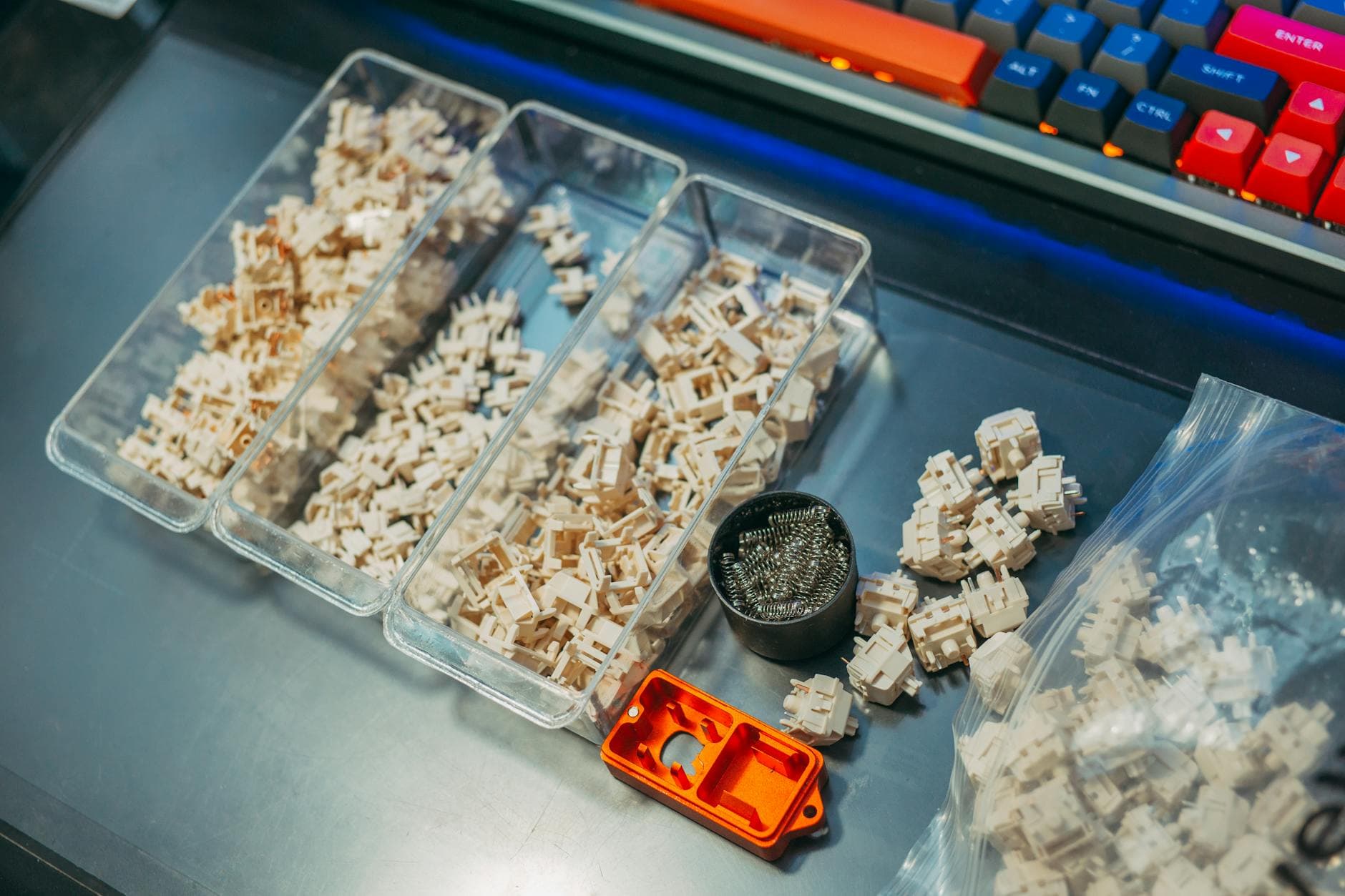
The community has already started moving. On Framework’s forums, users have asked for ortholinear, split, and ergonomic layouts, while outside projects have proposed everything from a DIY staggered columnar laptop keyboard to Campus, a redesigned Framework 13 that would house a gasket-mounted mechanical keyboard and add rotary encoders for volume and brightness. HandyWork, an ergonomic keyboard concept for the Framework 16, points in the same direction: builders want laptop hardware that can be reworked like a QMK board, not merely replaced like a part.
Framework’s Marketplace still lists keyboards as a product category, reinforcing that the company sees them as swappable components. The bigger question is whether this becomes a real opening for open hardware in keyboards or stays a branded curiosity. For now, the design files give the hobby a rare chance to treat a laptop keyboard like a custom build platform, and that is a much bigger idea than a simple accessory release.
This article was produced by Prism’s automated news system from verified source data, official records, and press releases, then run through automated quality and moderation checks before publishing. The system is built and supervised by the people who set the standards it runs under. Read our full AI policy.
Did this article answer your question?