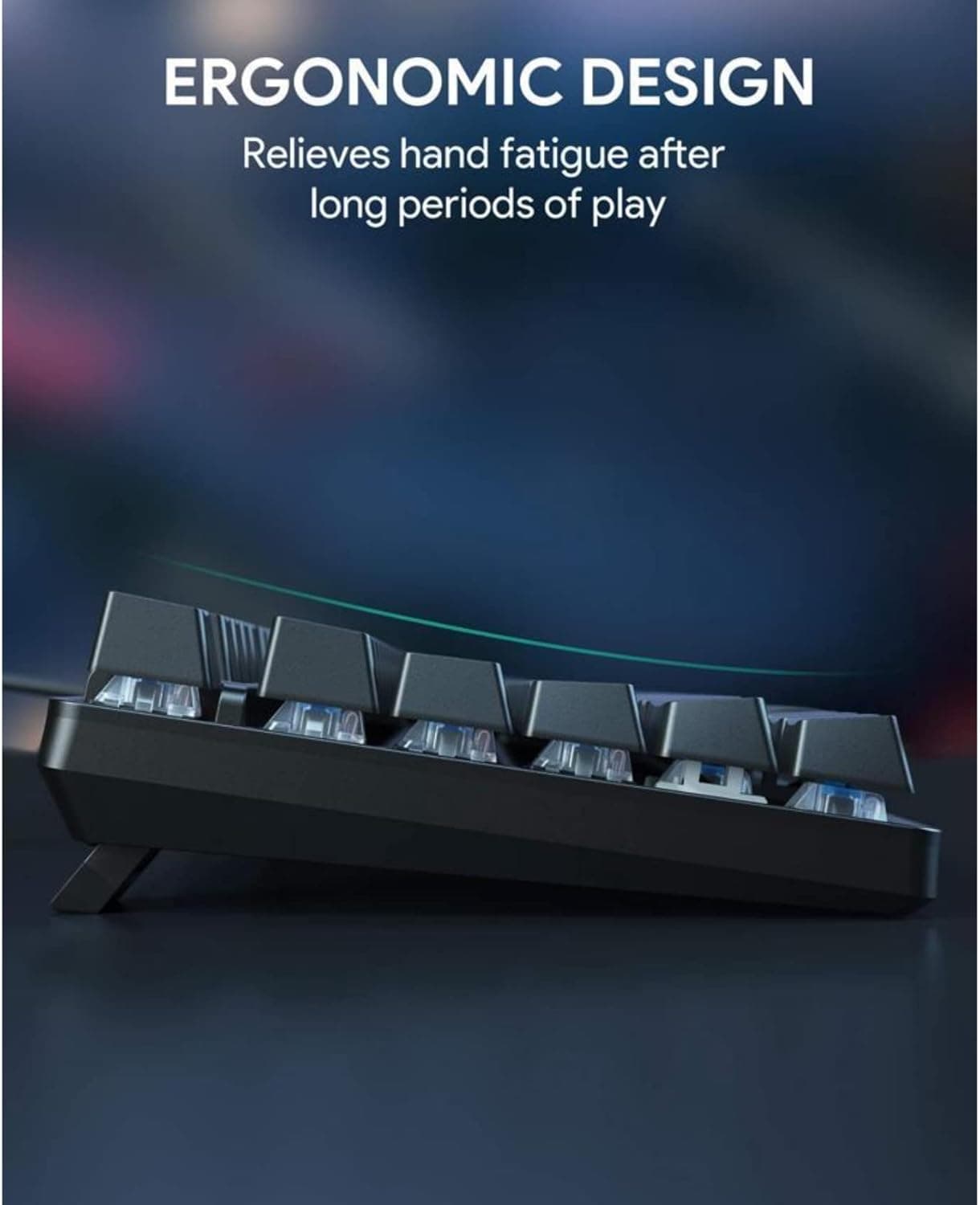
GATERON pushes low-profile magnetic switches to make slim boards feel premium
GATERON is betting that full-POM, Hall-effect low-profile switches can turn thin boards into real daily drivers, not just travel-friendly gaming gear.
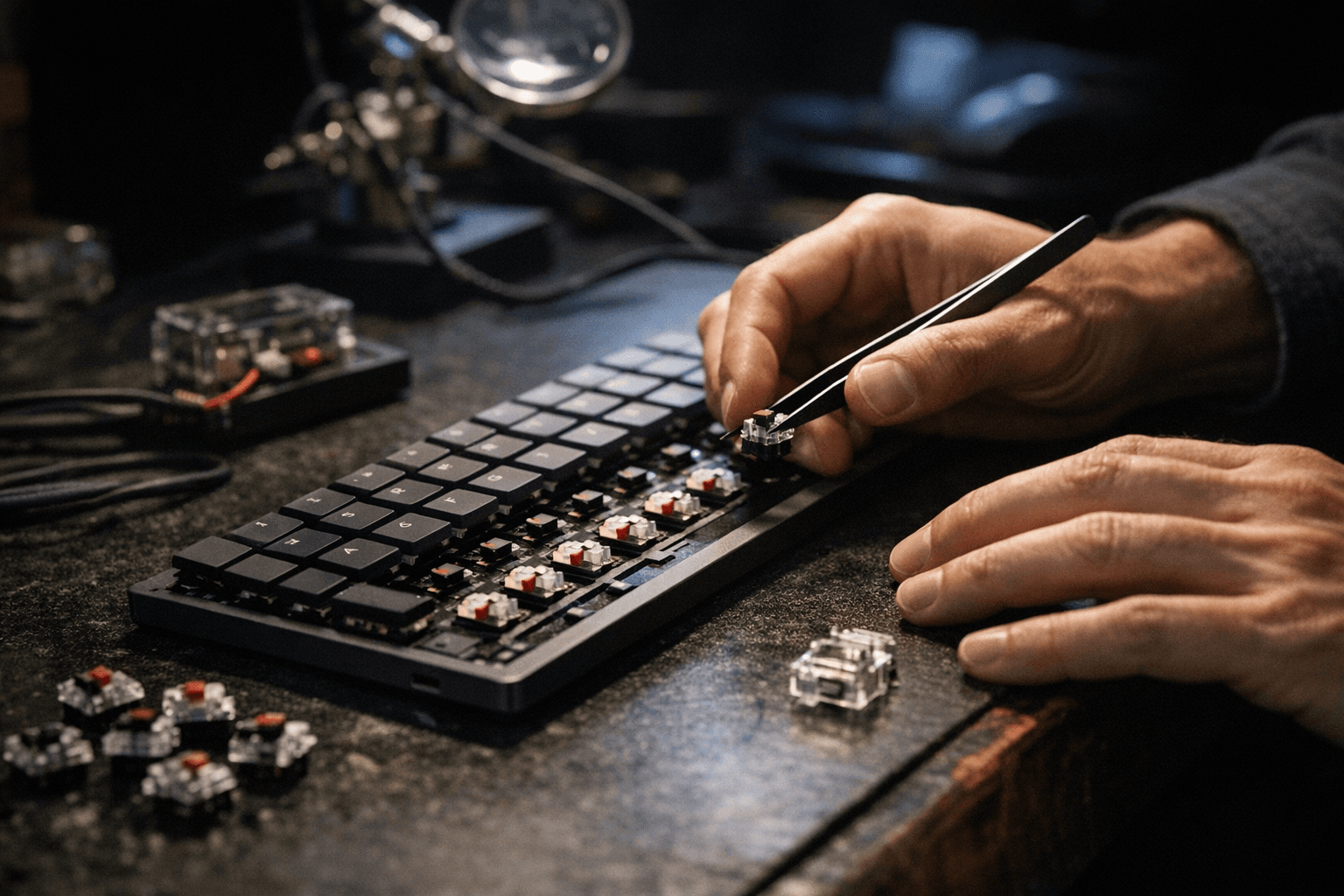
GATERON wants slim boards to stop feeling like a compromise
Low-profile keyboards have always lived under the same suspicion: they are easier to carry, easier to fit into a clean desk setup, and often easier on the eyes, but not always easier to love. GATERON is trying to break that tradeoff with the Magnetic Jade Pro HE, a low-profile magnetic switch built around POM construction, Hall-effect sensing, and factory pre-lubrication. The company is also leaning hard on durability, pointing to a claimed 100 million keystroke rating as proof that thin hardware can still be treated like serious hardware.
That is the real story here. GATERON is not just selling a switch with a shorter stem and a sleeker silhouette. It is trying to argue that low-profile boards can graduate from being the “portable option” to being a legitimate daily driver for people who care about feel, consistency, and long-term value.
What GATERON is promising
The Magnetic Jade Pro HE sits at the center of GATERON’s pitch because it combines three things enthusiasts tend to notice immediately: material choice, sensing method, and factory tuning. Full POM construction is meant to support a smoother glide and a more controlled rebound, while Hall-effect sensing removes the physical contact point that traditionally defines switch actuation. Add factory pre-lubrication, and the company is signaling that it wants the switch to feel polished out of the box instead of relying on user mod work.
GATERON’s own product pages extend that logic across its magnetic and low-profile lineup. The company describes related magnetic switches as offering adjustable actuation, stable sensing, and reduced stem wobble, and it separately lists a Full POM Low Profile Magnetic Jade Pro HE switch variant. That matters because it shows the company is not treating low-profile magnetic boards as a one-off novelty. It is building a family of parts around the same idea: thin boards should still feel deliberate, stable, and premium.
Why low-profile boards have struggled to win over enthusiasts
The skepticism around low-profile boards is easy to understand. A thinner board usually means less travel, less visual mass, and less of the dense acoustic and tactile character that many mechanical keyboard users chase. Even when a low-profile board types well, it often gets judged against full-height boards that have more room for tuning, more case volume for sound shaping, and a deeper bench of switch options.
That is where GATERON’s argument gets interesting. The company is not claiming that low-profile boards magically become identical to full-size customs. Instead, it is saying the format no longer has to feel like a downgrade. By pairing POM engineering with Hall-effect sensing, GATERON is targeting the exact pain points that keep people from making a slim keyboard their main board: inconsistent feel, flimsy perception, and the sense that thin equals temporary.
The dimensions tell you how serious the format has become
GATERON’s low-profile specs show how much engineering is going into a space that used to be treated as an afterthought. The company says its KS-33 low-profile switches are 12.2 mm tall, while its KS-27 low-profile switches come in at 11.75 mm. Those numbers sound small, but in keyboard design they shape everything from case height to keycap compatibility and the final desk footprint.
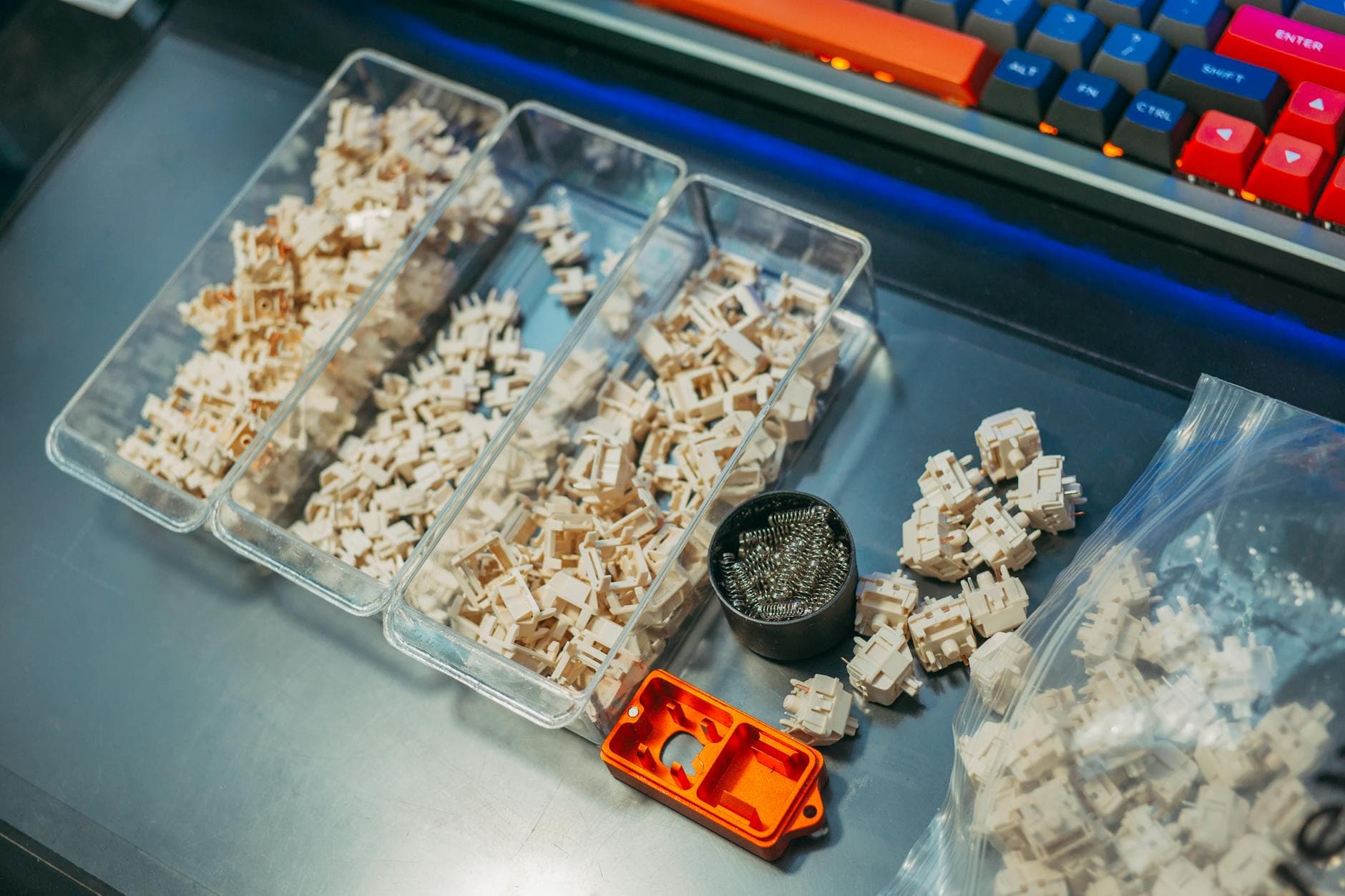
The KS-33 Low Profile Silent 2.0 line adds another layer of detail: 3.0 mm total travel, 1.7 mm pre-travel, a pre-lubed structure, and a POM stem. That combination is a strong hint at the audience GATERON wants to reach. It is not just chasing speed for gaming, it is trying to preserve enough controlled movement and refinement that a low-profile board can still work for all-day typing without feeling hollow or rushed.
Why Hall effect matters beyond the hype cycle
Hall-effect keyboards are no longer mysterious niche toys for the enthusiast fringe. RTINGS explains that they use magnetic sensors, and it says it has tested over 25 Hall effect models. That breadth matters because it shows the category has moved from curiosity to real comparison shopping. Once a format gets enough models in the lab, buyers stop asking whether it exists and start asking which implementations actually feel good.
This is also where the tuning conversation becomes more practical. Magnetic switches can support adjustable actuation, which gives users a more direct way to match a board to typing, gaming, or shared desk use. For people who want one keyboard to do everything, that flexibility is the part that keeps Hall effect from being a gimmick and turns it into a daily-use platform.
The competition is getting real
GATERON is not building this case in a vacuum. Tom’s Hardware has noted that Cherry’s new analog switches use less power than Hall effect switches, which shows the category is active enough to attract serious competition at the component level. That is important because it suggests magnetic and analog keyboards are no longer being defined by one company’s early lead. The market is now being shaped by competing ideas about power use, sensing, and how much board makers should invest in this kind of platform.
GATERON’s own timeline helps explain why it is pushing this hard now. The company says its magnetic-switch lineage dates back to 2014, with mass production achieved by 2018. That gives its low-profile magnetic push a longer development arc than a typical trend-chasing launch. It is presenting the current generation as the result of years of iteration, not a quick response to gaming buzz.
Why this matters for daily use, not just gaming
The strongest case for low-profile magnetic switches is not that they are faster in a spec sheet contest. It is that they may finally make slim keyboards credible for people who spend all day at a desk, move between offices, or just want a cleaner setup without sacrificing too much feel. The Verge has treated low-profile keyboards as a real option for people who type faster on laptop-style key travel or want a more portable board, and that is the right lens here: portability only matters if the keyboard still feels worth using once it is open on the desk.
That is why the Full POM Low Profile Magnetic Jade Pro HE is more interesting than it first looks. If GATERON’s claims hold up in real boards, the low-profile category becomes less about compromise and more about choice. The thin form factor can start to look like an intentional premium path, not a backup plan, and that is exactly the kind of shift that can change what builders and buyers ask for next.
This article was produced by Prism’s automated news system from verified source data, official records, and press releases, then run through automated quality and moderation checks before publishing. The system is built and supervised by the people who set the standards it runs under. Read our full AI policy.
Did this article answer your question?