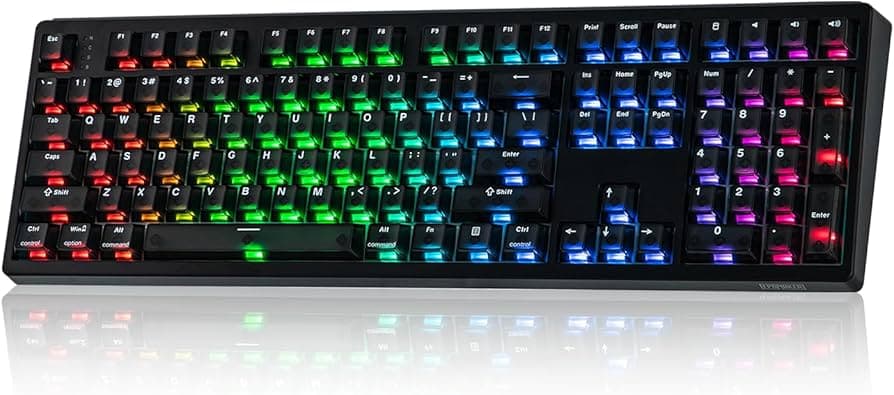
Keychron teases hybrid V6 with TMR sensing and Nova Socket support
Keychron's V6 teaser pointed to a full-size hybrid board that could take both mechanical and magnetic switches. Nova Socket support could make TMR feel less niche for daily-driver builds.
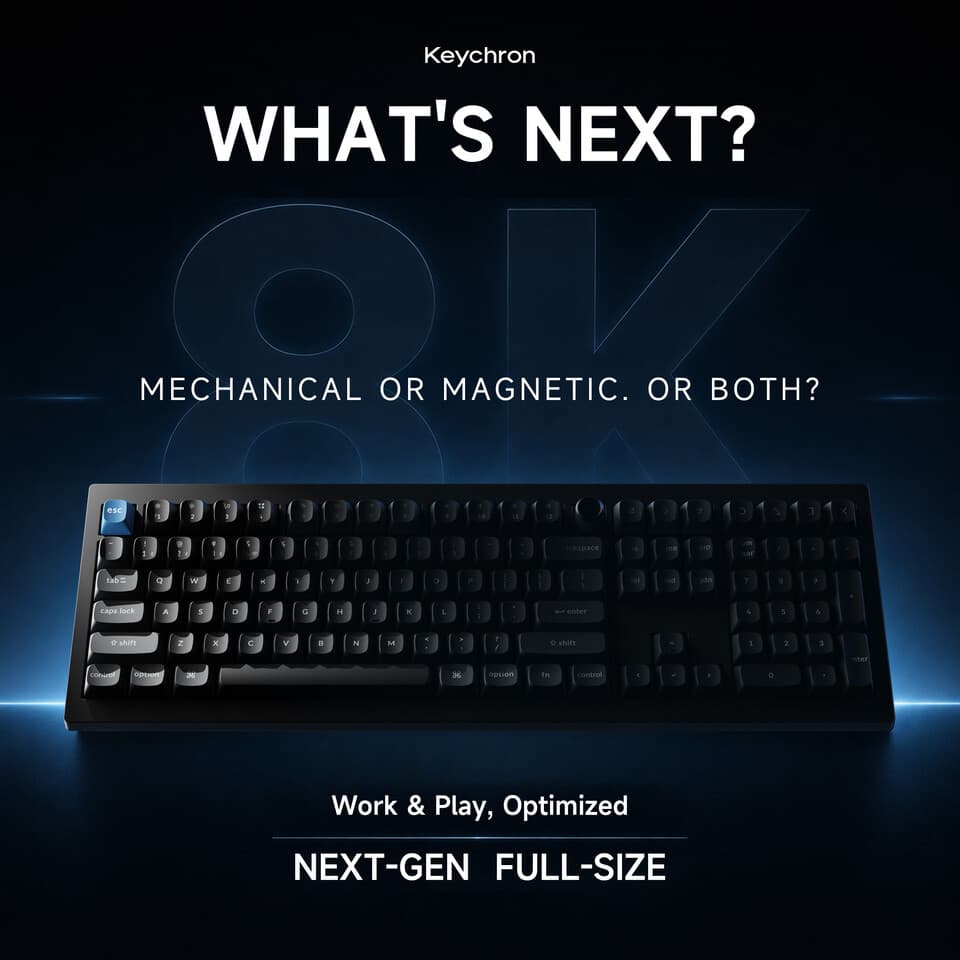
Keychron’s latest V6 teaser suggested a real shift in switch design, not just another magnetic board. The company showed a next-generation V6 built around what it called a new keyboard architecture, with TMR sensing and a Nova Socket setup that could support both traditional mechanical switches and analog magnetic switches on the same platform.
That matters because the V6 name already spans several different takes on the same full-size layout. Keychron’s standard V6 is a full-sized custom mechanical keyboard with QMK support, while the V6 HE is a 100% magnetic switch model priced at $169.99. The V6 8K is a wired full-size mechanical board with an 8000 Hz polling rate, and the newer V6 Ultra 8K is a wireless 100% model with 2.4 GHz, Bluetooth 5.3, wired use, and up to 660 hours of battery life at a listed $119.99. The teased hybrid version appeared in the same familiar full-size shape, with a knob above the backspace area, four macro keys above the num pad, a full navigation block, and OSA keycaps.
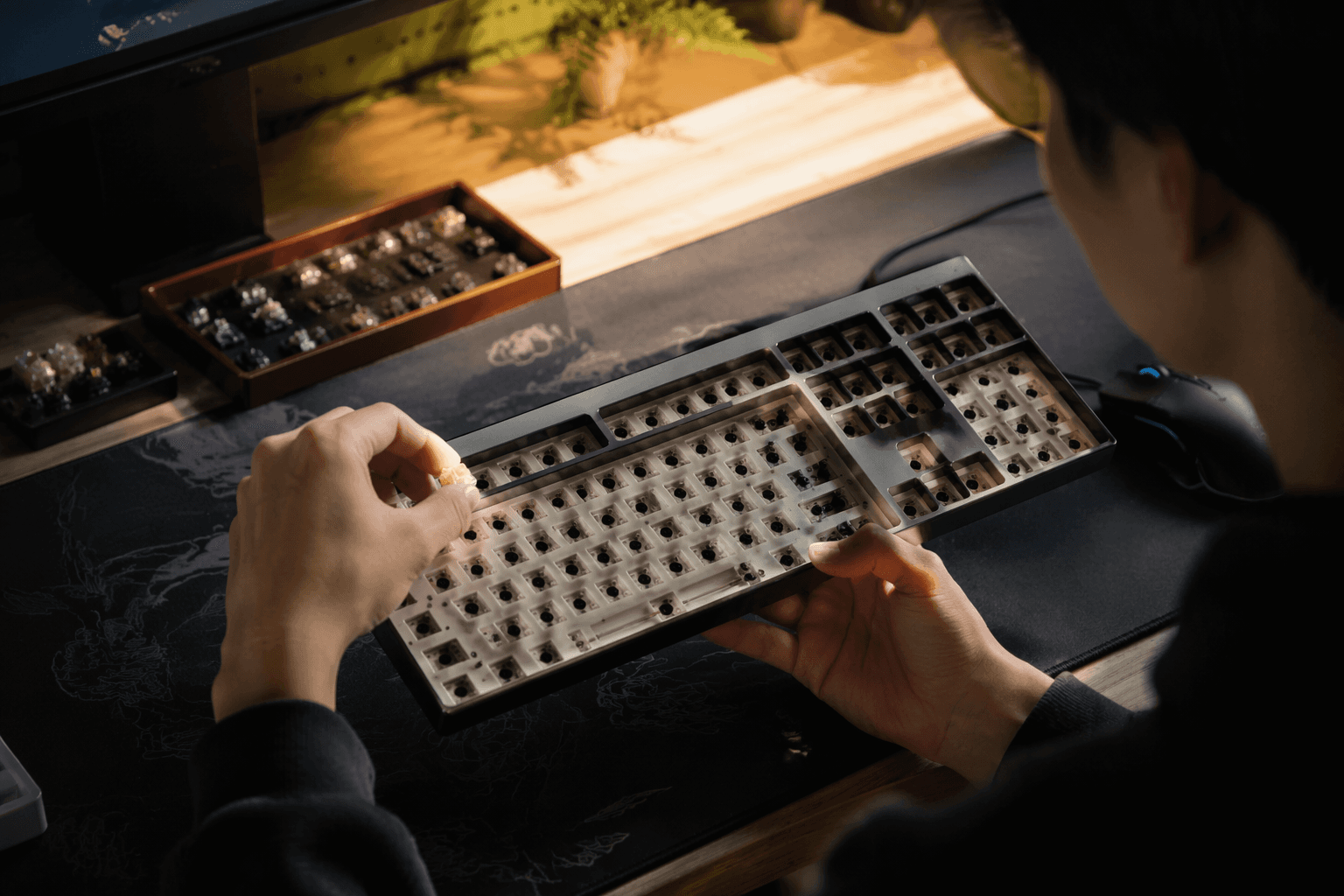
Keychron also sharpened the technical picture around the teaser by saying on its own site that its magnetic keyboards have used TMR from the start, including the first Q1 HE and every current magnetic keyboard. That puts the new V6 in line with a broader company push toward TMR, even as the industry still often treats Hall-effect as the default label for magnetic boards. Keychron’s own TMR-vs.-Hall Effect framing makes the choice clear: it is presenting TMR as its preferred sensing path, and tying that to adjustable actuation and fast response for gaming and work.
The possible payoff is bigger than a spec sheet. Hybrid socket support could soften one of the biggest pain points in the magnetic-keyboard space, where many boards still feel aimed at gamers first and offer limited switch ecosystems and scarce full-size options. A V6 that can switch between mechanical and analog magnetic behavior would give builders a more familiar layout without forcing them to abandon the rapid actuation and tuning options that magnetic boards promise.
For the V-series, that is the part worth watching. A full-size board with a knob, macro keys, and a socket system that crosses the mechanical-magnetic divide would not just widen the V6 family. It would make a stronger case that magnetic tech can live on a daily-driver keyboard, not only on a niche gaming slab.
This article was produced by Prism’s automated news system from verified source data, official records, and press releases, then run through automated quality and moderation checks before publishing. The system is built and supervised by the people who set the standards it runs under. Read our full AI policy.
Did this article answer your question?