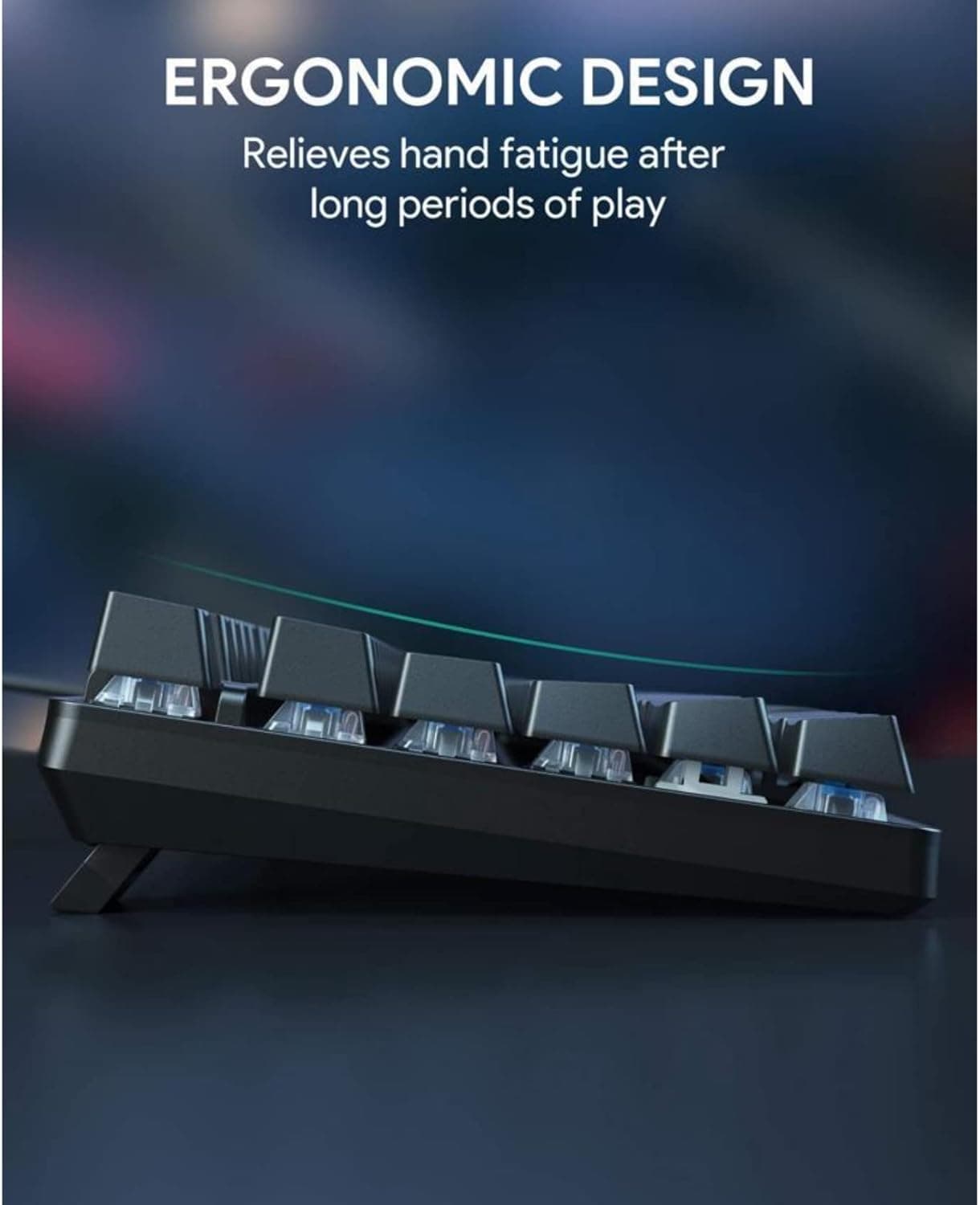
Low-profile mechanical keyboards blend portability, comfort, and enthusiast appeal
Low-profile boards are winning converts because they keep the mechanical feel while making room for travel, long work sessions, and cleaner desks. The tradeoff is real, but so is the payoff.

What low-profile keyboards are really buying you
A low-profile mechanical keyboard is not just a shrunken version of a normal board. It is a deliberate attempt to keep the tactile identity of mechanical switches while trimming height, travel, and bulk so the keyboard sits closer to a laptop, a scissor-switch board, or a minimalist desk setup. That is why the category keeps pulling in people who want mechanical feel without the visual weight or carry-on hassle of a full-height board.
The appeal starts with the numbers. CHERRY says its MX low-profile switches are 35% lower than standard MX switches and measure 11.9 mm high, while its MX ultra-low-profile switch drops to just 3.5 mm and is described as the flattest switch in the MX portfolio. CHERRY also rates its MX low-profile switches for over 100 million keystrokes per switch, which helps explain why the category is not treated as a novelty anymore.
Why the form factor keeps converting people
Low-profile boards make sense when your keyboard has to fit around the rest of your life. They are easier to pack, less awkward in a bag, and less visually dominant on a desk. If you move between workspaces, travel often, or simply want a board that does not crowd out a notebook, mousepad, or second monitor, the slimmer shape starts to feel less like a compromise and more like an upgrade.
The comfort case matters just as much. Keychron says its K5 is 18 mm thin and designed to reduce travel and force for comfort, while also aiming for maximum ergonomic support. That is the quiet center of the low-profile argument: not every user wants a taller board that demands more finger movement and a higher hand position, especially during long sessions of typing, coding, or gaming.
The tradeoffs are real, and they show up in feel
Low-profile keyboards do not simply reproduce the experience of standard-height boards in a thinner shell. Enthusiasts talk about travel distance, acoustics, stabilizer behavior, keycap shape, switch stem compatibility, and typing angle because all of those details change how the board lands in daily use. Some users love the quicker, lower hand position; others miss the fuller travel and deeper sense of key movement that comes with a standard-height build.
That is why the category has its own identity inside the hobby. The sound profile can feel tighter or lighter, the bottom-out can feel different, and the whole board can read as more precise or more restrained depending on the switch and case design. For some people, that difference is the point. For others, it is the reminder that low-profile is a separate lane, not just a slimmer finish on the same mechanical recipe.
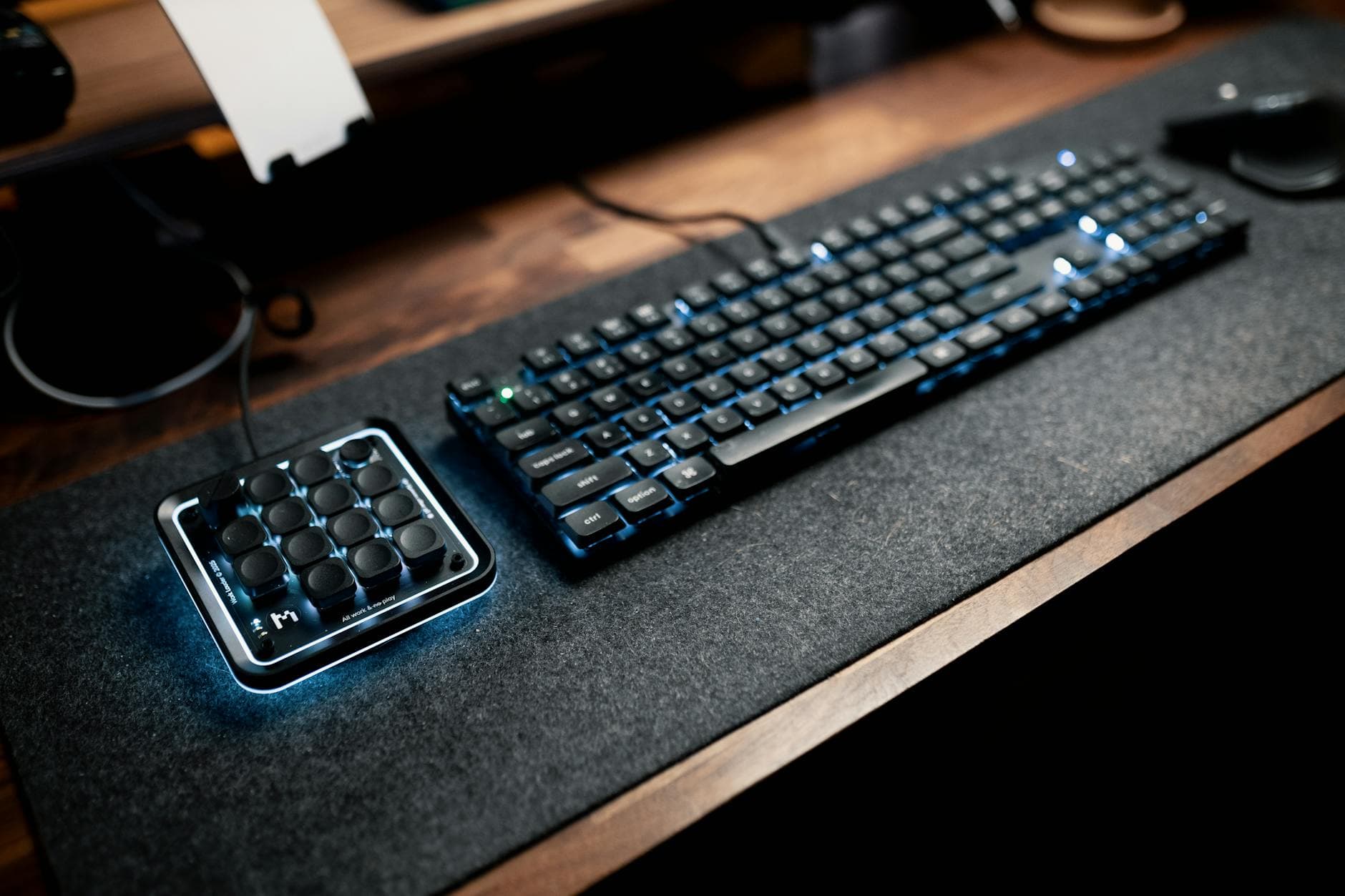
How the major brands are shaping the category
The clearest sign that low-profile has moved beyond niche curiosity is how seriously the biggest names are building around it. Logitech G describes the G915 family as a low-profile mechanical keyboard line, and the newer G915 X adds tri-mode connectivity, KEYCONTROL, and a 1.3 mm actuation point inside an ultra-thin shell. That combination shows where the category is heading: thinner hardware, fast activation, and more flexible connectivity without abandoning the mechanical pitch.
CORSAIR takes a similar approach with the K100 AIR, which it calls its thinnest gaming keyboard and says measures just 11 mm at its slimmest point. It uses CHERRY MX Ultra Low Profile tactile switches with a 0.8 mm actuation point, which puts the board firmly in the fast, low-travel camp. That kind of spec sheet makes the K100 AIR feel less like a portable accessory and more like a statement that low-profile can still play in the premium gaming space.
Keychron has pushed the format even wider. Its low-profile lineup spans multiple layouts, including 60%, 65%, 75%, and full-size models, which is a big reason the category no longer looks like a one-size-fits-all niche. The K3 is especially important in that story because Keychron describes it as the world’s first hot-swappable low-profile Optical switch keyboard, a reminder that low-profile can be a platform for repairability and customization, not just slimness.
Where low-profile feels smartest as a daily driver
Low-profile boards make the most sense when your priority is balance rather than maximum novelty. They shine when you want mechanical switches but also want a board that travels well, fits a compact desk, and sits low enough to feel easy on the hands during long sessions. They also make sense if you value a cleaner visual profile, since the slimmer case can disappear into a workspace instead of dominating it.
A low-profile board starts to look like the smart choice when these needs line up:
- You move your keyboard between home, office, and travel.
- You want a lower hand position and a less imposing desk footprint.
- You like the mechanical identity but not the bulk of a tall case.
- You want a layout that stays practical, from 60% to full-size.
- You care about features like hot-swap or tri-mode wireless without adding more height.
That is the heart of the category’s growth. It answers a very specific everyday problem: how to keep the mechanical experience while making the board easier to live with.
When it still feels like a compromise
Low-profile is not automatically better. If you love the deeper travel, weightier bottom-out, and fuller acoustic character of a standard-height mechanical keyboard, low-profile may feel thinner in both sound and sensation. The same slimness that makes it portable can also make it feel more restrained, especially if you prefer heavier cases and the more pronounced presence of traditional enthusiast boards.
It can also feel like a compromise if your personal definition of customization is built around the wider standard-MX ecosystem. Low-profile boards have grown more capable, but the category still asks you to accept a different set of priorities. You are trading some traditional heft for a lighter, faster, more compact daily driver, and that trade works best when you actually want those benefits.
The bottom line
Low-profile mechanical keyboards have earned their place because they solve a real problem without giving up the reason people love mechanical switches in the first place. CHERRY’s 11.9 mm low-profile MX switches, its 3.5 mm ultra-low-profile design, Logitech G’s 1.3 mm-actuation G915 X, CORSAIR’s 11 mm K100 AIR with 0.8 mm actuation, and Keychron’s 18 mm-thin K5 all point in the same direction: this is no longer a side experiment.
The best low-profile board is the one that matches the way you actually type. When portability, comfort, and desk fit matter most, it can be the most sensible mechanical keyboard you own. When you want the deepest travel and the fullest classic mechanical feel, it will still read as a compromise, just a very polished one.
This article was produced by Prism’s automated news system from verified source data, official records, and press releases, then run through automated quality and moderation checks before publishing. The system is built and supervised by the people who set the standards it runs under. Read our full AI policy.
Did this article answer your question?