Mechanical keyboard keycaps explained, ABS vs PBT and why it matters
The real keycap decision is how a set will age: ABS, PBT, and the legend method shape shine, fading, lighting, and fit far more than color alone.
Shiny home-row keys, fuzzy legends, and the wrong-size spacebar are how a flashy keycap set turns into a replacement project long before the board itself gives out. The most useful way to shop is not by colorway alone, but by how the cap is molded, how the legend is made, and whether the kit actually matches your layout. Those three choices decide whether a set looks fresh on a real enthusiast board, or becomes a replacement project sooner than you planned.
ABS vs PBT is really a longevity decision
ABS and PBT are the two plastics most keyboard buyers compare first, and the difference is bigger than marketing language. ABS is common and works especially well for shine-through keycaps because it transmits backlighting cleanly. It can also take on a smoother feel over time, which many users recognize as shine.
PBT is the material people reach for when they want a set to resist that shine and keep a cleaner texture longer. The practical tradeoff is simple: ABS tends to prioritize color options and lighting effects, while PBT leans harder into wear resistance. Wooting’s July 6, 2021 ABS-vs-PBT guide argued that the best keycap is not automatically the one made from either plastic alone. Material is only one part of the purchase, but it often decides whether a premium-looking set still feels premium after months of use.
That matters even if you never build a custom board. A stock keyboard with good switches can still look tired if the wrong cap material gets glossy in the usual home-row spots, while a PBT set can keep a more matte, utility-first look that fits daily use better. Kinetic Labs published a buyer guide in June 2026 centered on materials, profiles, compatibility, and care.
How legends are made changes how a set wears
The next decision is the legend, because the legend method determines whether the markings are part of the cap or sitting on top of it. Double-shot keycaps are made by molding two plastics together, so the legend becomes part of the keycap itself rather than a layer added later. That is why double-shot sets are prized for durability, especially when you want legends that stay crisp under heavy use.
Dye-sublimated keycaps work differently. Heat infuses dye into the plastic surface, which is why dye-sub sets are associated with PBT and with durability-minded buyers. Kinetic Labs’ April 15, 2023 breakdown separated the hobby’s main legend styles into dye-sublimated and double-shot forms.
Wooting’s double-shot PBT backlit keycap set has 1.5 mm thick walls and a split spacebar. The company states that its double-shot legends will not fade or wear. On the dye-sub side, Wooting says its dye-sublimation process fuses the PBT surface with graphical dye for increased longevity, and its black variant uses 5-sided, or inverse, dye sublimation.
Wooting’s August 12, 2024 factory-tour post and the related video, How Keycaps are made | Factory Tour Day 4, show the full process for making double-shot and dye-sublimated keycaps, along with how molds are crafted.
Profile and compatibility are where good sets go bad
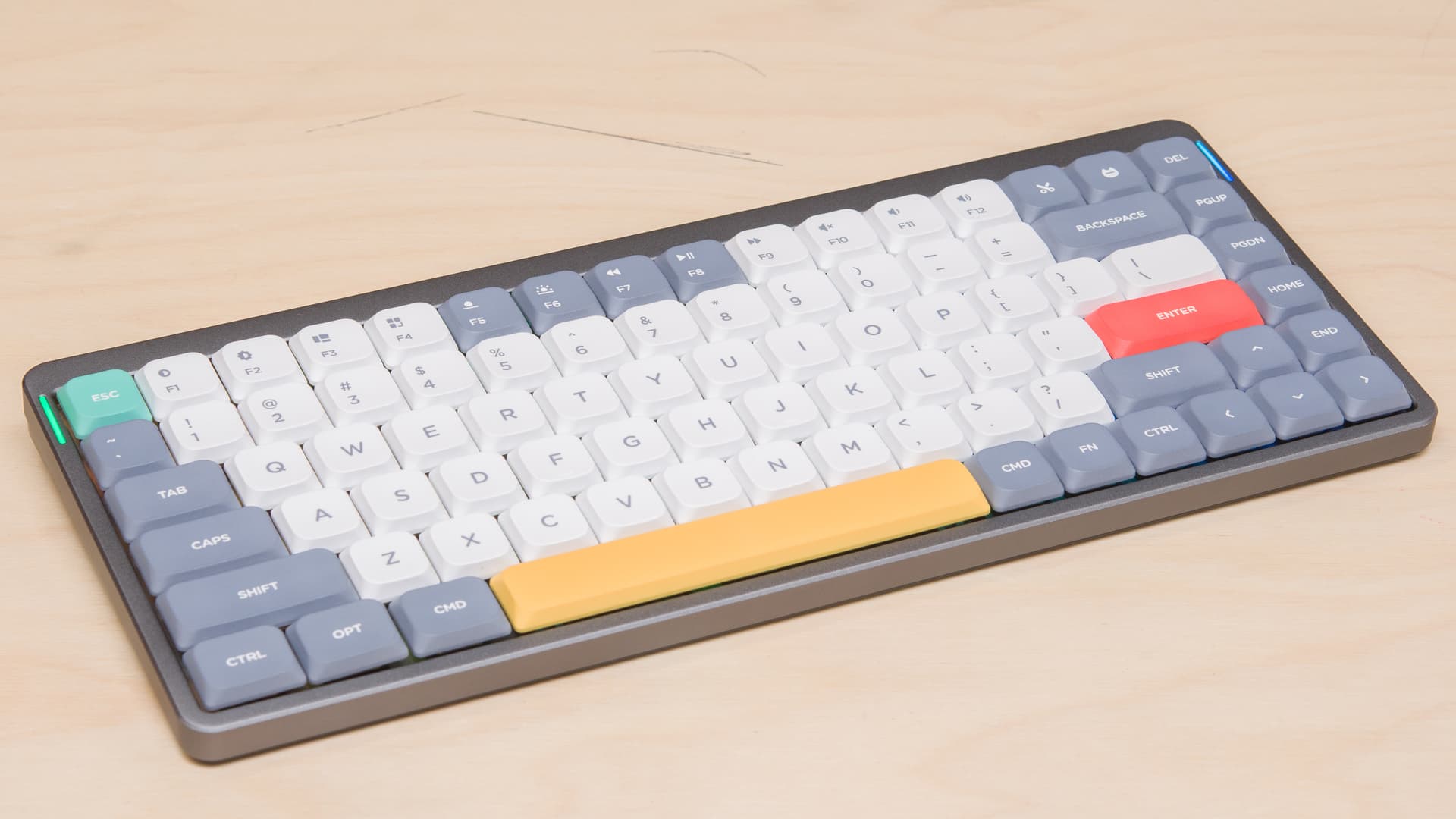
A set can be made from the right plastic and still be a poor buy if the profile or layout does not match your board. Keycap kits are sold as base kits plus add-on kits so one product can cover 60%, TKL, full-size, and more unusual layouts. That flexibility is useful, but it also means you need to check the sizes that matter most: Enter, Shift, Space, and the bottom row.
PCB layout and keycap profile compatibility is crucial, because the PCB determines switch placement and layout while the profile affects the shape and height of the keys. Kinetic Labs published a guide on August 19, 2023 to help buyers verify whether a set will fit before they order. MonsGeek frames the issue bluntly around whether keycaps are universal: they are not.
Profile choice changes feel and can create fit problems just as fast as layout choice. A set may use MX-compatible stems and still not suit the board if the row heights, bottom-row spacing, or special keys are off. That is why a board with a split spacebar, for example, needs a set that explicitly supports it, and why Wooting calls that out in its double-shot PBT backlit set.
The buyer’s test is whether the set ages well on your board
ABS is the material most associated with shine over time, even though it can deliver stronger lighting effects and a wide range of colors. PBT usually gives you the more wear-resistant, matte path; dye-sub gives you legends that are infused into the surface; double-shot gives you legends that are physically part of the cap.
Wooting was already writing about “The best mechanical keyboard keycaps” in 2015, then revisiting factory visits in 2016 and mass production work in China in 2017. By 2021 it was spelling out the ABS-versus-PBT decision, and by 2024 it was showing the molds and production flow behind double-shot and dye-sub caps. Wooting’s 2024 recap places the official 80HE announcement in its 2023 end-of-year livestream.
This article was produced by Prism’s automated news system from verified source data, official records, and press releases, then run through automated quality and moderation checks before publishing. The system is built and supervised by the people who set the standards it runs under. Read our full AI policy.
Did this article answer your question?