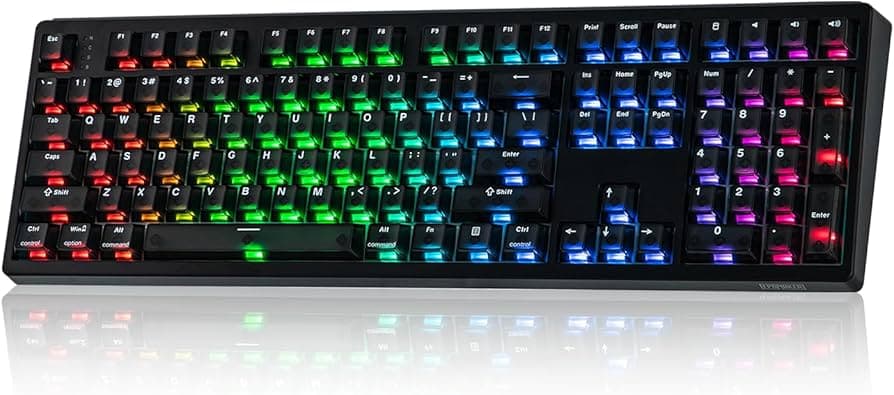
Mechanical Keyboard Market Projected to Reach $5.6 Billion by 2032
A market report released December 25, 2025 projects the global mechanical keyboard market will grow to roughly $5.6 billion by 2032, driven by sustained interest in PC gaming, esports, and productivity peripherals for remote and hybrid work. Expansion of customization trends and technical innovation in switches are expected to support growth, with implications for buyers, makers, and the enthusiast community.
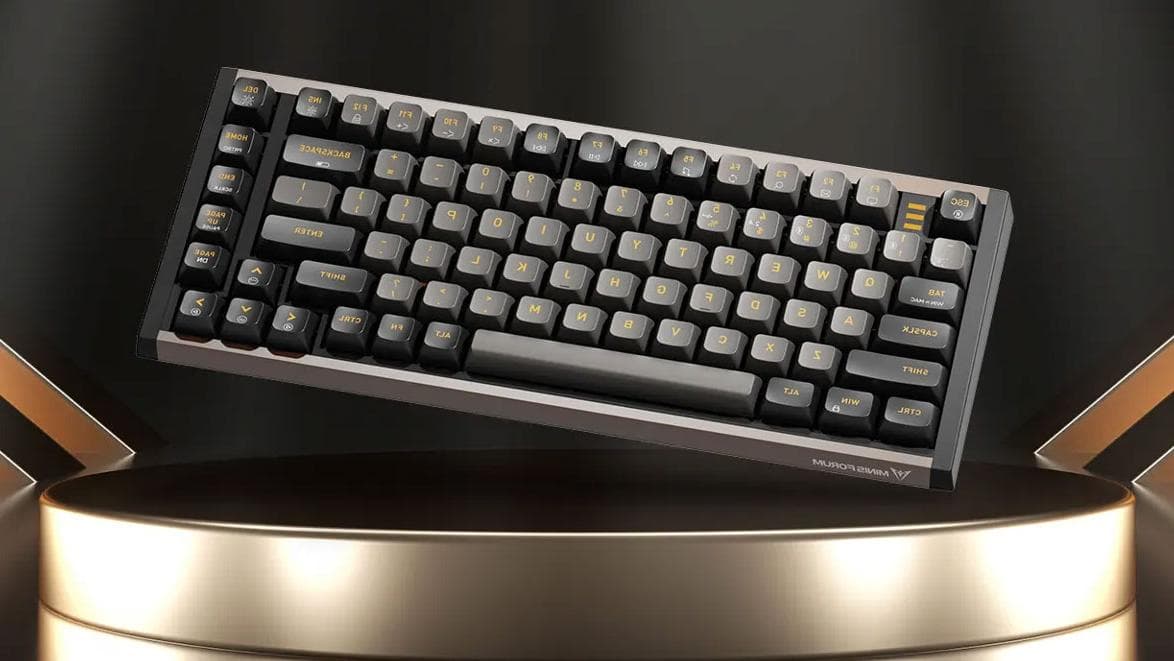
A market report published December 25, 2025 projects substantial expansion in the mechanical keyboard market over the next decade, forecasting a total market value of about $5.6 billion by 2032. The analysis identifies PC gaming and esports growth, rising demand for productivity peripherals tied to remote and hybrid work, and a growing consumer appetite for customization as the principal drivers behind the projection. The release also presented compound annual growth rate estimates and noted regional differences in demand and adoption.
The report singles out customization trends as a major force shaping product offerings. Hot-swap PCBs, a broad spectrum of aftermarket switches, and an active keycap culture have pushed manufacturers to deliver more modular, user-serviceable designs. For readers who build, mod, or collect boards, that means a broader selection of entry-level boards with upgrade pathways, alongside premium limited-run products aimed squarely at the enthusiast market.
Technical innovation is another focal point in the analysis. It highlights developments around Hall-effect switches, optical actuation, and other non-mechanical actuation approaches as growth vectors for high-end keyboards. Those technologies promise longer life, different feel profiles, and new feature sets that could change product tiers and pricing. The report links those switch innovations with the enthusiast segment, suggesting that makers of boutique and high-performance keyboards will lean into newer actuation methods to differentiate offerings.

Regional demand differences were noted without a single global pattern, so availability and timing of new products may vary by market. That affects buyers and small vendors who depend on international groupbuys or imports. Expect some models and switch types to appear in certain regions earlier than others and for price and shipping to influence purchase timing.
For practical purposes, verify switch specifications and compatibility before investing in a high-end board or custom build. Prioritize hot-swap or easily serviceable designs if you value flexibility, and check vendor return policies on new switch technologies. Makers and small brands can view the projection as an opportunity to expand niche products, while collectors can expect an expanding palette of options from mainstream to boutique through 2032.
This article was produced by Prism’s automated news system from verified source data, official records, and press releases, then run through automated quality and moderation checks before publishing. The system is built and supervised by the people who set the standards it runs under. Read our full AI policy.
Did this article answer your question?