Mechanical Switches Still Reign Supreme, One Writer Argues Against Hall-Effect Hype
Tom's Guide senior writer Nikita Achanta says Hall-effect keyboards are overhyped and she'd still pick a mechanical deck in 2026.
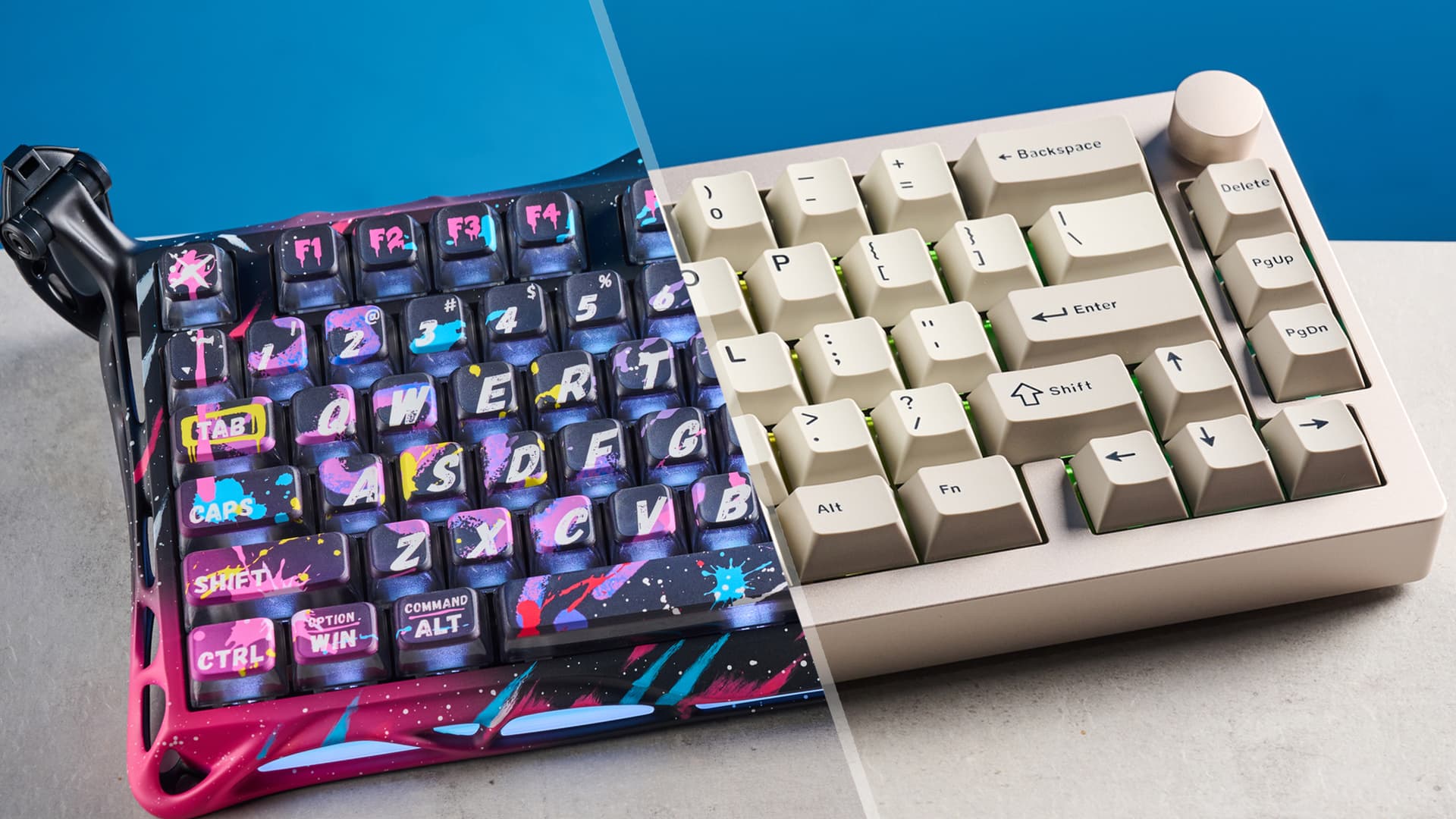
Hall-effect keyboards have dominated keyboard community conversation for the better part of the last two years, with magnetic switch technology promising analog input, near-zero debounce times, and rapid trigger functionality that mechanical switches physically cannot replicate. Nikita Achanta, Senior Writer at Tom's Guide, isn't buying the hype, at least not entirely.
In a piece published March 7, Achanta laid out a pointed defense of traditional mechanical switches, arguing that Hall-effect keyboards, for all their engineering novelty, are not the end-all solution the community has treated them as. The editorial positions mechanical decks not as legacy hardware clinging to relevance, but as a genuinely superior choice depending on what you actually want from a keyboard in 2026.
The argument matters because the Hall-effect conversation has grown loud enough to make mechanical switches feel almost old-fashioned. Boards like the Wooting 60HE and a wave of Gateron magnetic offerings have pulled serious attention toward analog actuation and the gaming-centric advantages that come with it. Rapid trigger in particular, which allows a switch to reset at any point in its travel rather than at a fixed reset point, became something of a competitive gaming obsession, and that obsession rippled outward into the broader hobbyist space.
Achanta's position, as a senior writer who covers keyboards professionally at Tom's Guide, is that this enthusiasm has outrun the practical reality for most typists and even many gamers. Mechanical switches still deliver a tactile and acoustic experience that Hall-effect boards largely fail to match. The feel of a well-lubed Boba U4T or the sharp click of a Gateron Yellow pushing through a gasket-mounted board is not something a magnetic switch, tuned primarily for actuation precision, tends to replicate convincingly.

There is also the customization ecosystem to consider. The mechanical switch world has years of aftermarket depth behind it: films, lube stations, spring swaps, frankenswitching. Hall-effect keyboards are newer and their modding culture is still developing. For the enthusiast who wants to spend a Saturday afternoon tuning a board to their exact preference, mechanical remains the richer sandbox.
None of this makes Hall-effect technology bad. Rapid trigger is genuinely useful in certain competitive contexts, and the adjustable actuation point is a real feature, not a marketing flourish. But Achanta's piece serves as a useful corrective to the narrative that magnetic switches have simply made mechanical obsolete. For most people building or buying a keyboard right now, mechanical switches still offer more of what the hobby is actually about.
This article was produced by Prism’s automated news system from verified source data, official records, and press releases, then run through automated quality and moderation checks before publishing. The system is built and supervised by the people who set the standards it runs under. Read our full AI policy.
Did this article answer your question?